1,4-Butanediol (1,4-BD) Price Trend Analysis 2026: Latest News, Market Insights, Price Drivers, Historical Prices & Supply Demand Analysis
1,4-Butanediol (1,4-BD) Price Trend 2025
Asia
In 2025, the 1,4-Butanediol (1,4-BD) market in Asia faced a generally weak price movement. This was mainly because the downstream markets such as plastics, fibres, and resins faced slow growth in demand. Many companies in the 1,4-Butanediol (1,4-BD) market in Asia enjoyed comfortable supply levels. This led to increased competition in the market. Additionally, low prices in the raw materials and energy sector led to low production costs. Buyers remained cautious due to uncertain economic conditions and slow industrial activity, which limited strong purchasing. Overall, the Asian market moved in a downward to stable direction during most of the year, with only small short-term changes.
Europe
The 1,4-BD market price trend in 2025 was relatively stable with some minor fluctuations. The supply situation remained healthy as production plants operated at moderate rates. The demand from consuming industries such as engineering plastics, coatings, and industrial chemicals was moderate but not robust enough to support any growth in prices. Traders were cautious with inventory management, which helped to prevent any major fluctuations in prices. The feedstock situation was healthy, which helped to maintain a healthy market balance; as a result, the 1,4-BD market price trend was relatively stable throughout 2025.
North America
In the North America region, the 1,4-BD market had a soft trend in 2025. The production level in this region remained constant, and the supply level was enough to support moderate demand from the end industries. The prices in this region were affected by the cautious buying trend and comfortable inventory levels, which had a negative impact on prices. The prices in this region were low due to reduced raw materials prices and stable petrochemical markets.
Analyst Insight
According to Procurement Resource, 1,4-BD prices might improve slightly if industrial demand strengthens and supply tightens, but recovery was expected to remain gradual and uncertain.
Related Report
Our Clients































Procurement Resource Database
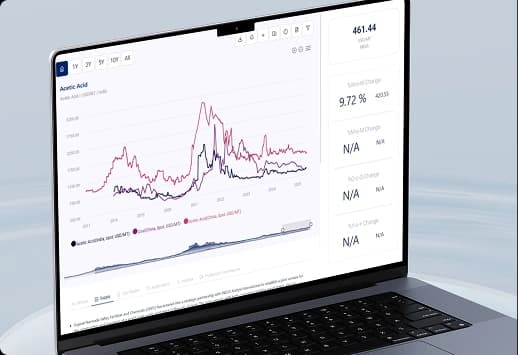
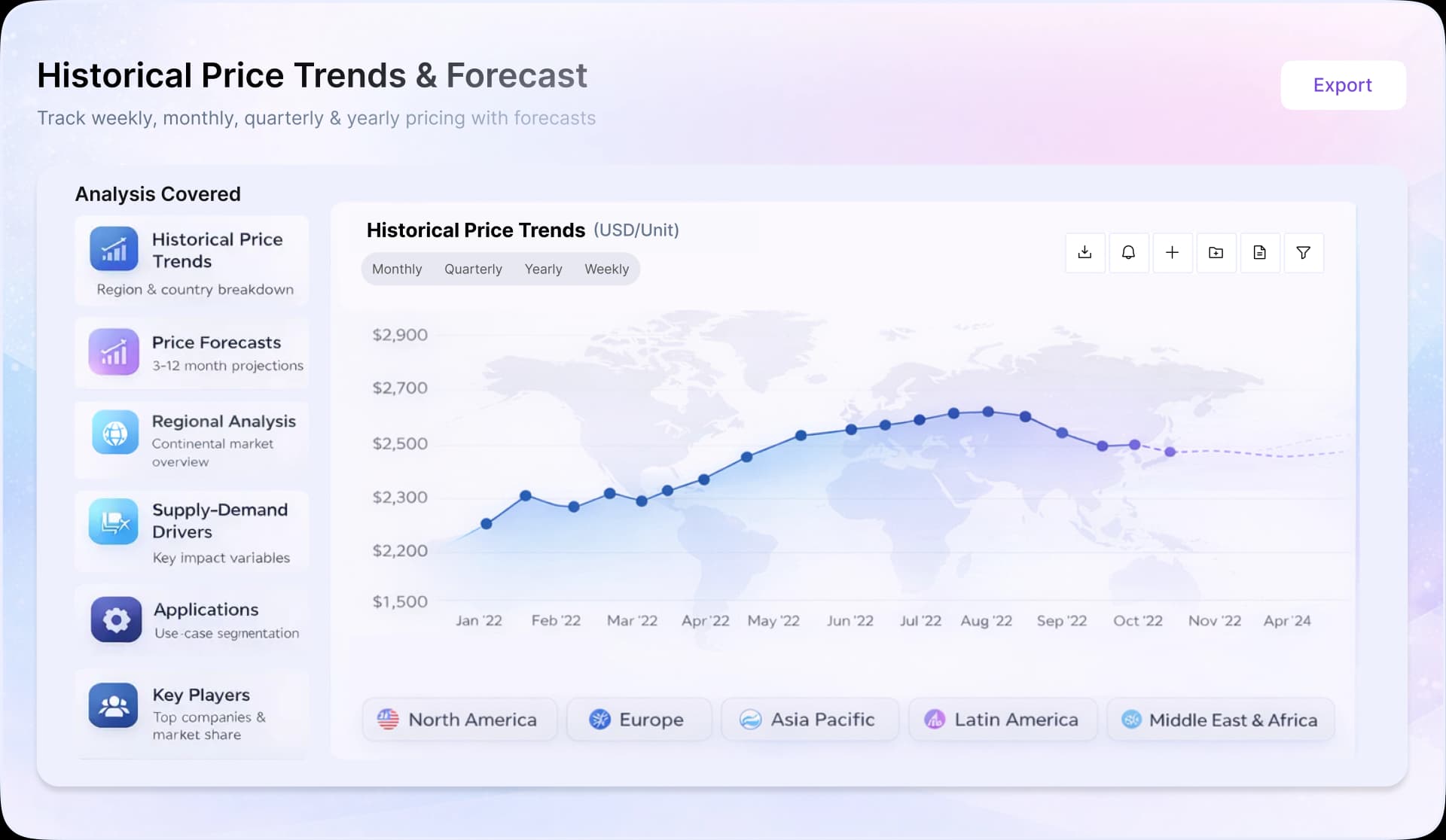
Turn price intelligence into action with the Procurement Resource Database. Log in or subscribe to unlock live price trends, historical charts, supplier databases, cost curves, and analyst-backed insights across chemicals, agriculture, energy, packaging, and more. Use these tools to benchmark your contracts, plan budgets with confidence, and stay ahead of market moves on every product you buy.
1,4-Butanediol (1,4-BD) Dashboard Inclusions
0
+Products
0
+Regions
0
+Subscriptions
Asia
The Asian region, particularly China, experienced a consistent downward trend throughout H2’24. A combination of increased domestic production and seasonal demand fluctuations led to oversupply conditions. While downstream industries like PBAT, THF, and spandex maintained steady demand, this wasn't enough to offset the pressure from surplus inventory and declining feedstock costs.
Production costs remained stable, but cautious buying behaviour persisted throughout the period, contributing to the bearish market sentiment.
Europe
European markets, particularly in Germany, faced significant challenges in H2’24. The market was impacted by weakening demand from construction and coating sectors, while logistics disruptions, including port congestion and extended Red Sea transit times, further complicated the situation. Despite stable demand from THF and PBT segments, overall prices remained under pressure. The European market demonstrated more sensitivity to economic conditions and supply chain disruptions compared to other regions.
North America
In the second half of 2024, butanediol prices in North America showed significant volatility. The market started strong in Q3, driven by robust demand from polyurethane, PBT, and spandex sectors. However, a downturn emerged in the latter part of Q3 due to seasonal slowdown in downstream industries and improved plant efficiencies creating surplus supply. The Q4 brought mixed fortunes as technical issues and maintenance shutdowns at key production facilities temporarily constrained supply, pushing prices higher. Port congestion at East Coast ports added to market uncertainty, though this was partially offset by strong export demand.
Asia
The 1,4-butanediol market in Asia experienced a significant uptrend during the first quarter of 2024, largely due to increased production costs and the impact of rising feedstock prices, particularly crude oil. The geopolitical tensions and production cuts by major oil producers heightened these costs, contributing to the overall market momentum. The strong demand from downstream sectors, such as polymers and synthetic rubber, further fueled this upward trajectory. However, the market saw some fluctuations due to disruptions caused by holidays like the Chinese New Year, which temporarily affected production rates and inventory levels.
On a similar note, in the second quarter, China's 1,4-butanediol market continued to rise, propelled by tight supply and robust demand. The shutdown of production units for maintenance and limited imports exacerbated the supply constraints, leading to higher prices. The synthetic rubber sector, a key consumer of BDO, also saw rising prices due to the tight supply, further supporting the bullish trend.
Europe
In Europe, the 1,4-butanediol market experienced positive momentum in the first quarter, with prices increasing in line with rising production costs and a competitive crude oil market. The ongoing geopolitical issues, particularly the Russia-Ukraine conflict, disrupted trade routes and limited overseas exports, contributing to the market's upward trend. The domestic demand, particularly from sectors like automotive and construction, provided enough support to maintain this positive trend despite external challenges. However, the second quarter saw a shift in the European market dynamics.
Weak demand from derivative sectors, such as synthetic rubber and ABS polymers, coupled with macroeconomic pressures, led to a downturn in BDO prices. The automotive and construction sectors, major consumers of BDO derivatives, reported lower-than-expected consumption, further dampening the market. On the supply side, increased availability of BDO due to the ramping up of production after maintenance activities added to the downward pressure on prices.
North America
In North America, the 1,4-butanediol market followed global trends, facing supply challenges and fluctuating demand throughout the first half of 2024. The first quarter saw limited availability of BDO, driven by transportation delays, maintenance shutdowns, and reduced domestic production rates. The rising freight costs further strained inventories, widening the supply-demand gap and pushing prices upward.
In the second quarter, the market struggled with weak momentum, similar to Europe, as the automotive and construction sectors showed little improvement. The lack of interest in these key industries, coupled with persistent logistical challenges, resulted in delayed purchasing and a generally stagnant market. The overall sentiment in North America reflected the global BDO market's challenges, with prices fluctuating around a stable mean amid these pressures.
Asia
The butanediol market drivers fell short in front of persistent economic challenges and a limited supply of crude oil in the third quarter of 2023. However, the dynamics were stabilized by domestic and overseas demand. Also, the product scarcity was caused by the supply shortage due to the shutting down of major manufacturing plants, which levered in favor of the butanediol price trend. In the fourth quarter, the butanediol market turned favorable, and the prices gained stability. Additionally, the downstream demand also improved slightly, exerting a positive influence on the butanediol prices.
Europe
The European countries faced alterations in downstream industries' preferences, such as paints, coatings, and construction, which impacted the pricing trajectory of butanediol negatively. The suppliers majorly focused on decreasing the inventory levels as the existing stockpiles, and thus, the traders offered huge discounts on bulk purchases. The market stabilized in the later months of the year as the costly imports from Asian countries and slowly and steadily improving market demand influenced the market positively.
North America
A slight surge in the cost of raw materials and a boost in sales figures helped in the rise in the butanediol price trend during the third quarter of 2023. Additionally, the market also witnessed a gradual surge in the overall cost of production due to the rise in the prices of crude oil. But this phase of the market could not be followed throughout the quarter and with the influx of cheap imports from Asian countries, the manufacturers had to reduce their price quotations in order to remain relevant in the competition.
Asia
The 1,4-butanediol market witnessed an oscillating trend in the Asian Pacific region in both the first and second quarters of 2023. The prices were majorly affected by the on-off demand from the downstream sector and the lower number of inquiries due to the holiday season in China.
However, some slight incline was attributed to the rising operational rates and logistical challenges encored by the majority of suppliers. The weak performance of the 1.4 butanediol market was also because of disruptions in the supply chains due to the shutting of several manufacturing units because of a shortage in the availability of feedstock.
Europe
A stable price trend of 1,4-butanediol was observed in the European region in the first quarter of 2023. The prices were stagnant because of some minor economic fluctuations and high imports from Chinese manufacturers. In addition, the 1,4-butanediol was impacted by sluggish demand from the coating industry and the slow movement of the tetrahydrofuran sector. Owing to these uncertainties, the prices declined in the second quarter. This quarter was also affected by wide strikes from the union members, which lowered the rates of production, impacting the overall supply chain.
North America
In the first quarter of 2023, the price trend of 1,4-butanediol inclined as it was supported by the rising demand and high feedstock prices. Along with this, the economic activities of the region gradually increased their pace, and as a result, the speed of production was stable during this time. However, in the second quarter, the prices nosedived because of the weak demand from the downstream industries.
The poor performance of construction, PTMEG, polymers, and other related sectors was a direct result of the rising inflation, which led to a significant rise in production costs. The manufacturers were not able to put up with these market dynamics, and as a result, the price trend of 1,4-butanediol declined in the second quarter of 2023.
About 1,4-Butanediol (1,4-BD)
1,4-Butanediol, also referred to as 1,4-BD, is a type of organic chemical. It's a colourless viscous liquid that's one of four stable butanediol isomers. Commercially, 1,4-butanediol is utilised as a solvent and in the production of polymers, elastic fibres, and polyurethanes. In organic chemistry, 1,4-butanediol is used to synthesise γ-butyrolactone.
1,4-Butanediol (1,4-BD) Product Detail
Automotive, Healthcare and pharmaceutical, Textile, Electric and electronics
1,4-Butylene glycol, Tetramethylene glycol, 1,4-Dihydroxybutane, 1,4-Tetramethylene glycol
The Dow Chemical Company, BASF SE, Invista, LyondellBasell Industries, Mitsubishi Chemical Corporation, ExxonMobil Chemicals, International Specialty Products, BioAmber Inc.
Regional Coverage
Asia Pacific
Europe
North America
Latin America
Africa
CurrencyUS$ (Data can also be provided in local currency)
Supplier Database AvailabilityYes
Customization ScopeThe report can be customized as per the requirements of the customer
Post-Sale Analyst Support360-degree analyst support after report delivery
Note: Our supplier search experts can assist your procurement teams in compiling and validating a list of suppliers indicating they have products, services, and capabilities that meet your company's needs.
1,4-Butanediol (1,4-BD) Production Processes
- Production of 1,4-Dimethylbenzene from Naphtha via Catalytic Reforming
The catalytic reforming of naphtha occurs throughout this phase. The formation of 1,4-dimethylbenzene is achieved through a succession of distillation, adsorption or crystallisation, and reaction processes involving m-xylene, o-xylene, and ethylbenzene.
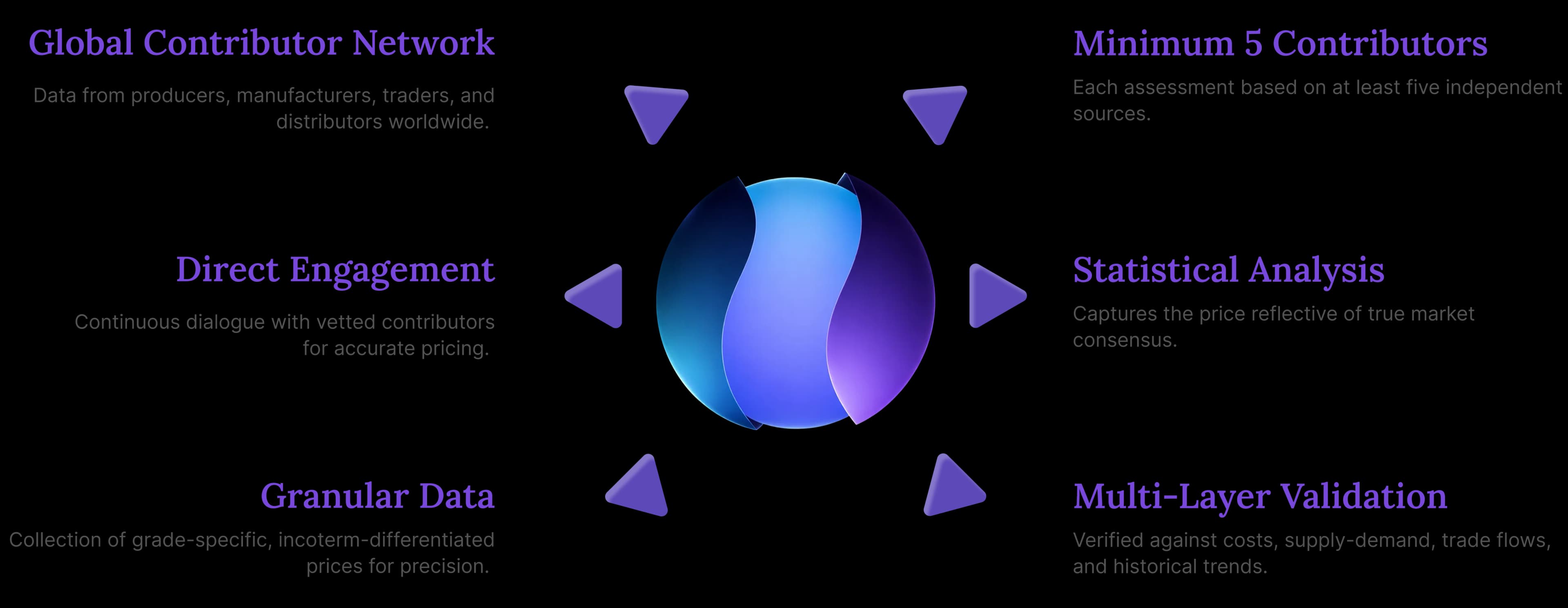
Our Price Analysis Methodology
Schedule A Demo
Experience how Procurement Resource transforms raw material price data into clear, decision ready intelligence. Optimise your performance with reliable, expert market data and analysis. Schedule your demo today to experience a live walk-through where our experts will showcase interactive price charts, forecasted prices, and insights driving the prices for your key commodities, tailored to your workflows. Contact us now!
Our Team will be happy to assist you
We are just a text away
Still Need Help ?
Other Related Reports
Bio-Butanediol Production from Raw Sugar
This report presents a detailed cost analysis of bio-butanediol production from raw sugar. In this process, raw sugar is first hydrolysed to produce glucose and fructose, which are further fermented to produce succinic acid.
Bio-Butanediol Production from Glucose
This report presents a detailed cost analysis of bio-butanediol production from glucose.
Subscription Plans
Unlock full access to Procurement Resource's price databases, interactive charts, and short-term forecasts for thousands of commodities. Elevate your sourcing decisions by comparing prices across regions, downloading historical data, and layering in analyst-backed insights, all with our flexible plans that scale as your portfolio grows.
Still have any Questions
Contact Us



Price Trend Dashboard - What's Included
Price trends across a diverse portfolio of categories amd products, spanning board to niche chemicas
Coverage extendable to grade-specific chemicals based on procurement requirements
Regular price tracking supported by robust historical datasets
News, policy updates, and key market drivers impacting price movements
Short-term and long-term price outlooks and forecasts
Supply–demand dynamics and capacity-driven market analysis
- Unlimited Users
- Historical Monthly Price
- USA, Europe, APAC Covered
- Monthly Forecast
- 12 Months validity
- News & Events
- 50 Products (Refer Next Page For List)
Related News
View All

Why Procurement Database

Assistance from Experts
Throughout 2024, the Asian acetoin market experienced fluctuating trends with regional variations. Q1 began with moderate price increases driven by supply constraints from Chang Chun Plastics' maintenance shutdown in Taiwan. Post-S...

Client's Satisfaction
Throughout 2024, the Asian acetoin market experienced fluctuating trends with regional variations. Q1 began with moderate price increases driven by supply constraints from Chang Chun Plastics' maintenance shutdown in Taiwan. Post-S...

Assured Collaboration
Throughout 2024, the Asian acetoin market experienced fluctuating trends with regional variations. Q1 began with moderate price increases driven by supply constraints from Chang Chun Plastics' maintenance shutdown in Taiwan. Post-S...
Global Insights
Throughout 2024, the Asian acetoin market experienced fluctuating trends with regional variations. Q1 began with moderate price increases driven by supply constraints from Chang Chun Plastics' maintenance shutdown in Taiwan. Post-S...