11-Aminoundecanoic Acid Price Trend Analysis 2026: Latest News, Market Insights, Historical Prices, Supply Demand Analysis & Price Drivers
11-Aminoundecanoic Acid Price Trend 2025
In 2025, the 11-Aminoundecanoic Acid market showed a mixed and slightly weak price trend, mainly influenced by changes in its key feedstock, castor oil. In the first quarter, the market remained relatively stable as firm castor seed costs and steady domestic demand supported production costs. Processing activity stayed consistent, and manageable inventories helped maintain balanced supply conditions. However, toward the end of the quarter, rising stock availability and softer export demand created downward pressure, leading to a gradual weakening in prices.
During the middle of the year, increased castor seed sowing and sufficient supply supported feedstock availability, which reduced production pressure and kept the market on a softer path. Export demand slowed, and industrial consumption from downstream sectors such as nylon and specialty chemicals remained moderate, limiting price growth. In the third quarter, steady seed inflows and adequate inventories continued to keep the market under pressure, although some stability was seen as supply and demand approached balance.
In the fourth quarter, prices showed mild recovery due to lower carry-forward stocks and weather-related crop concerns, but weak industrial demand and the end of the harvesting season kept the market stable overall.
Analyst Insight
According to Procurement Resource, the 11-Aminoundecanoic Acid market is expected to remain steady, with small fluctuations depending on the overall supply-demand dynamics and related fundamentals.
Related Report
Our Clients































Procurement Resource Database
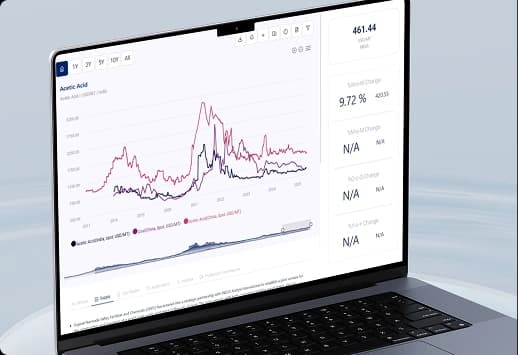
Turn price intelligence into action with the Procurement Resource Database. Log in or subscribe to unlock live price trends, historical charts, supplier databases, cost curves, and analyst-backed insights across chemicals, agriculture, energy, packaging, and more. Use these tools to benchmark your contracts, plan budgets with confidence, and stay ahead of market moves on every product you buy.
11-Aminoundecanoic Acid Dashboard Inclusions

0
+Products
0
+Regions
0
+Subscriptions
In 2024, the 11-Aminoundecanoic Acid market showed a fluctuating price trend, mainly driven by changes in its key feedstock, castor oil. Since 11-Aminoundecanoic Acid is produced from castor oil and castor seed derivatives, the availability and pricing of castor oil played an important role in shaping the overall market. During the first quarter, stable to slightly weak castor oil prices in India, supported by higher castor seed production and low international demand, kept the cost of production steady and limited strong price movement for 11-Aminoundecanoic Acid. The market remained calm with balanced supply and demand conditions.
In the second quarter of 2024, the prices reflected a volatile pattern. Castor seed acreage increased in the second quarter, which led to improved supply. This caused prices to dip in the short term. However, farmers started to regulate the supply to ensure prices remained stable. International castor oil supply also remained stable in the second quarter. This led to a slightly unstable pattern in the prices of 11-Aminoundecanoic Acid.
During the third quarter, reduced castor seed production in key Indian regions and supply chain issues led to tighter supply, which helped to support prices. Demand from industries like nylon, lubricants, and specialty chemicals helped to keep the market active.
During the fourth quarter, prices declined slightly, with stable demand from industries like cosmetics and pharmaceuticals, which did not increase prices. Weather-related damage to the crop, reduced seed availability, and supply issues caused some fluctuation in prices, but the overall trend remained stable.
Analyst Insight
According to Procurement Resource, the 11-Aminoundecanoic Acid market is expected to remain stable with mild fluctuations, depending on castor oil supply and demand from nylon and specialty chemical industries.
11-Aminoundecanoic acid possesses a long-chain aliphatic amine, enabling its use as a surfactant and in the production of nylon-11 through polymerization. Its hydrophilic and hydrophobic characteristics make it valuable in diverse formulations, including cosmetics, detergents, and pharmaceuticals.
The expanding markets for specialty chemicals, polymers, and personal care products drive industrial demand for 11-aminoundecanoic acid. Additionally, its production rates are also altered by the availability and agricultural output of castor oil which help in dictating the 11-Aminoundecanoic acid price trajectory.
The price of 11-aminoundecanoic acid skyrocketed in the latter two quarters of 2023 as the market fundamentals worked in favor of the 11-aminoundecanoic acid price trend. As 11-aminoundecanoic acid is generated from castor seeds, its pricing trends closely resemble the pricing patterns of castor oil and its derivatives. In semiarid regions of India like Gujrat and Rajasthan, the castor crop flourished, leading to an eventual unremarkable boom in stockpiles.
As a result, during the previously indicated time, the castor oil industry saw declining market demands combined with steady inventories, which resulted in an oversupply issue that affected not just India but also a number of other countries, including Brazil, China, Indonesia, and India. But as the year drew to a close, it was noticed that the market's dynamics improved, and prices started to level out. The increase in consumer spending budgets at the start of the Christmas season and the uptick in the industrial activity of downstream polymer industries were the main causes of this improvement in market confidence.
Analyst Insight
According to Procurement Resource, the price of 11-Aminoundecanoic Acid is expected to remain on the northward track as the demand and production activities are likely to balance out each other in the upcoming quarters.
The first two quarters of 2023 did not support the surge in the prices of 11-Aminoundecanoic Acid. The trend in Asia were majorly influenced by the declining trajectory of its feedstock castor oil. In the first quarter, castor oil prices declined as weak consumer confidence and declining orders from the downstream industries negatively impacted the market.
The castor oil market in the first two quarters was also affected by the fluctuations in the global supply chains due to disruptions in trade caused by the ongoing Russia-Ukraine crises and also by the slow recovery of the economy from the pandemic. In addition to this, multiple companies-imposed sanctions on the supplies from Russia, and many traders had to re-route their supply routes which aided the rising inflation rates and, thus, negatively impacted the market.
11-Aminoundecanoic Acid is derived via the pyrolysis of castor oil, hence, the price trend for 11-Aminoundecanoic Acid directly replicate that of castor oil. Castor oil is one of the very few things that aid the India - China trade deficit a little bit, as China is the biggest buyer of castor oil from India with almost 40 percent of the total castor oil export from India.
But H2 2022, didn’t have much to offer for 11-Aminoundecanoic Acid price trend, as demands fell considerably low from all the world over. The re-emergence of covid 19 in China and its strict no covid policies constrained the downstream facilities. With a sharp decline in market demand, 11-Aminoundecanoic Acid prices observed a steep fall.
The state of Gujrat (India) accounts for a whopping 80 percent of India’s total castor oil exports. But demand destruction affected the market so badly that some crushing facilities had to be shut down, because of not being able to sustain the upstream costs.
Europe suffered high inflation and a serious energy crisis leading to seriously low 11-Aminoundecanoic Acid demands. As global demand for 11-Aminoundecanoic Acid plummeted, the price trend decelerated further.
11-Aminoundecanoic Acid is commercially obtained via the four-step reaction process from castor oil. India is the largest producer and exporter of castor oil seeds and castor oil in the world, accounting for almost 90% of the supply. During the first five months of the current year, a 10% Y-O-Y decrease was recorded. Since China is the largest importer (40%) of castor oil from India, the domestic challenges in the Chinese domestic market were reciprocated far wide in the Indian market.
The reduced production and demands owing to the covid restrictions hampered the Chinese imports. The prices of castor oil seeds averaged 1300 INR/20kgs in the first five months. Since April-May is the harvest season of castor oil seeds in India, the market supply has improved; also, the renewed production and demand in the Chinese domestic arena post the restrictions caused the price trend for 11-Aminoundecanoic Acid (castor oil) to increase. Towards the end of the second quarter, the price averaged 1445-1560 INR/20 kgs.
About 11-Aminoundecanoic Acid
11-Aminoundecanoic acid is a white crystalline solid with low solubility in water. It belongs to the amines and fatty acids class and is an essential precursor of Nylon-11. On further treatment, the acid constitutes an important class of polyamides and fungicides. 11-aminoundecanoic acid is prepared from undecylenic acid derived from castor oil.
11-Aminoundecanoic Acid Product Detail
C11H23NO2
Polyamides, Fungicides and Insecticides, Pharmaceutical, Food contact materials, Automotives
Amino 11, 11-Aminoundecylic acid
ATOFINA, BOC Sciences, Simagchem Corporation
Regional Coverage
Asia Pacific
Europe
North America
Latin America
Africa
CurrencyUS$ (Data can also be provided in local currency)
Supplier Database AvailabilityYes
Customization ScopeThe report can be customized as per the requirements of the customer
Post-Sale Analyst Support360-degree analyst support after report delivery
Note: Our supplier search experts can assist your procurement teams in compiling and validating a list of suppliers indicating they have products, services, and capabilities that meet your company's needs.
11-Aminoundecanoic Acid Production Processes
- Production of 11-Aminoundecanoic Acid via four-step reaction process
11-Aminoundecanoic acid is obtained through the pyrolysis of castor oil (ricinoleic acid) with water vapour at elevated temperatures and in the absence of air. Usually, the trans esterified product of ricinoleic acid, i.e., methyl ricinoleate, is made to undergo pyrolysis.
Methyl undecenoate and heptaldehyde thus obtained are subjected to further treatment. Methyl undecenoate is hydrolyzed to obtain undecanoic acid and then reacts with HBr forming bromoundecanoic acid. In the last step, the intermediate is treated with ammonia to get 11-aminoundecanoic acid.
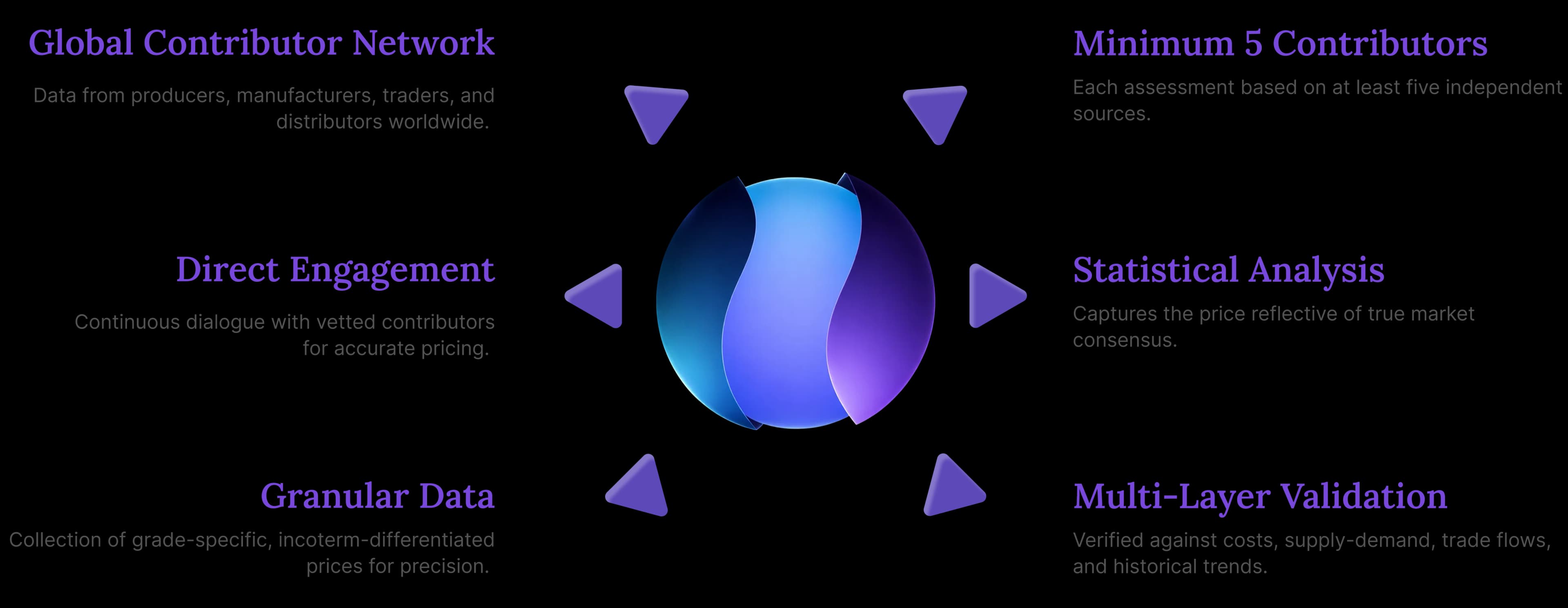
Our Price Analysis Methodology

Schedule A Demo
Experience how Procurement Resource transforms raw material price data into clear, decision ready intelligence. Optimise your performance with reliable, expert market data and analysis. Schedule your demo today to experience a live walk-through where our experts will showcase interactive price charts, forecasted prices, and insights driving the prices for your key commodities, tailored to your workflows. Contact us now!
Our Team will be happy to assist you
We are just a text away
Still Need Help ?
Subscription Plans
Unlock full access to Procurement Resource's price databases, interactive charts, and short-term forecasts for thousands of commodities. Elevate your sourcing decisions by comparing prices across regions, downloading historical data, and layering in analyst-backed insights, all with our flexible plans that scale as your portfolio grows.
Still have any Questions
Contact Us



Price Trend Dashboard - What's Included
Price trends across a diverse portfolio of categories amd products, spanning board to niche chemicas
Coverage extendable to grade-specific chemicals based on procurement requirements
Regular price tracking supported by robust historical datasets
News, policy updates, and key market drivers impacting price movements
Short-term and long-term price outlooks and forecasts
Supply–demand dynamics and capacity-driven market analysis
- Unlimited Users
- Historical Monthly Price
- USA, Europe, APAC Covered
- Monthly Forecast
- 12 Months validity
- News & Events
- 50 Products (Refer Next Page For List)
Why Procurement Database

Assistance from Experts
Throughout 2024, the Asian acetoin market experienced fluctuating trends with regional variations. Q1 began with moderate price increases driven by supply constraints from Chang Chun Plastics' maintenance shutdown in Taiwan. Post-S...

Client's Satisfaction
Throughout 2024, the Asian acetoin market experienced fluctuating trends with regional variations. Q1 began with moderate price increases driven by supply constraints from Chang Chun Plastics' maintenance shutdown in Taiwan. Post-S...

Assured Collaboration
Throughout 2024, the Asian acetoin market experienced fluctuating trends with regional variations. Q1 began with moderate price increases driven by supply constraints from Chang Chun Plastics' maintenance shutdown in Taiwan. Post-S...
Global Insights
Throughout 2024, the Asian acetoin market experienced fluctuating trends with regional variations. Q1 began with moderate price increases driven by supply constraints from Chang Chun Plastics' maintenance shutdown in Taiwan. Post-S...