2,5-Furandicarboxylic Acid Price Trend Analysis 2026: Market Insights, Price Drivers, Supply Demand Analysis, Historical Prices & Latest News
2,5-Furandicarboxylic Acid (FDCA) Price Trend 2025
In 2025, the market for 2,5-Furandicarboxylic Acid (FDCA) showed mostly soft to stable trends across major regions. In Asia, prices remained under pressure for much of the year as demand from key downstream industries, including packaging, fibres, and resins, was moderate. Local producers faced steady supply levels, which, combined with cautious buying from manufacturers, prevented any sharp price increases. Low raw material and energy costs helped keep production expenses manageable, but slow industrial growth limited strong upward movements. Short-term fluctuations occurred occasionally due to maintenance at some plants and seasonal slowdowns, but the overall trend remained subdued.
In Europe, the FDCA market stayed relatively balanced. Production plants operated at stable rates, and feedstock availability was sufficient to meet moderate demand from engineering, coatings, and specialty chemical sectors. Buyers were careful with inventories, which helped maintain price stability throughout the year. Despite some minor fluctuations caused by energy costs and logistics, the market largely moved sideways, with no significant spikes or drops.
In North America, prices were generally soft. Supply levels were adequate to meet regular industrial demand, and cautious purchasing behaviour limited upward pressure. Stable production and moderate feedstock costs kept the market balanced, though weak downstream activity prevented notable growth in prices.
Analyst Insight
According to Procurement Resource, FDCA prices are expected to remain stable in the near term, with only moderate increases likely if industrial demand picks up or feedstock supply tightens.
Related Report
Our Clients































Procurement Resource Database
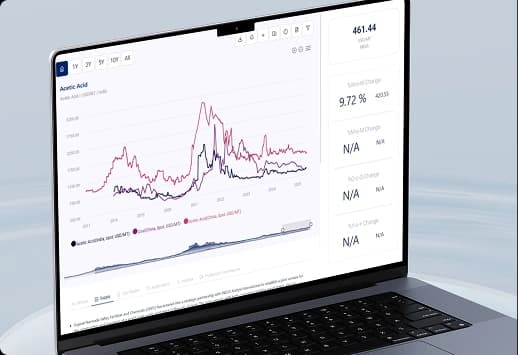
Turn price intelligence into action with the Procurement Resource Database. Log in or subscribe to unlock live price trends, historical charts, supplier databases, cost curves, and analyst-backed insights across chemicals, agriculture, energy, packaging, and more. Use these tools to benchmark your contracts, plan budgets with confidence, and stay ahead of market moves on every product you buy.
2,5-Furandicarboxylic Acid Dashboard Inclusions
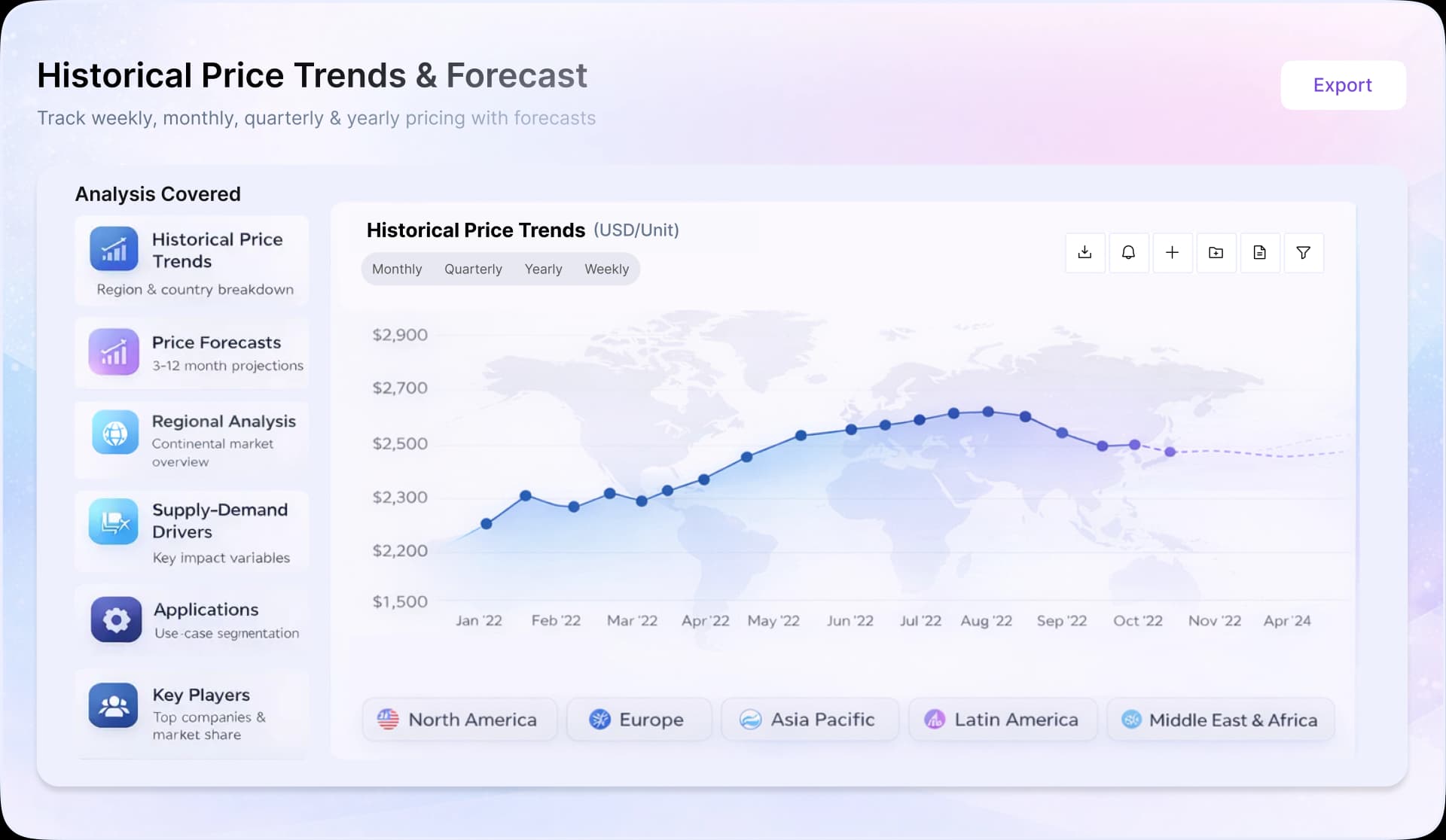
0
+Products
0
+Regions
0
+Subscriptions
The 2,5-Furandicarboxylic Acid market, or FDCA, recorded generally soft market conditions throughout the second half of 2024. In Asia, prices were under downward pressure as demand from major downstream industries, especially textiles and spandex production slowed down. Seasonal conditions, as well as traditional market slowness, affected purchasing activity. Domestic production and comfortable availability helped to maintain adequate supply. Shipping issues caused minor market disturbances, but they did not have any material impact on market prices.
The FDCA market in Europe was relatively stable throughout the said period, with a slight softening at the end. The balance between supply and demand was maintained, mainly because of domestic consumption and consistent feedstock costs. However, reduced exports to Asia and weaker activity from downstream sectors, including coatings and industrial polymers, limited any strong price increases. Occasional cost pressures from energy and transportation were offset by steady output, keeping market movements moderate.
In North America, prices showed minor fluctuations during H2’24. Production remained steady, and domestic demand from polymer and specialty chemical sectors provided moderate support. Demand from automotive and electronics sectors helped prevent sharp declines, keeping the market balanced.
2,5-Furandicarboxylic Acid (FDCA) is a bio-based chemical compound derived from renewable resources such as plant sugars. It is primarily produced through the oxidation of furan derivatives in processes that can utilize sustainable feedstocks, making it a green alternative to traditional petrochemicals.
During the first half of the year 2024, the FDCA prices mostly remained consolidated with occasional fluctuations in a range-bound manner. This was primarily attributed to the slight downfall in global sugar like sucrose and fructose prices. Feedstock materials like corn saw a slight overproduction this planting season, and the inventories in the US markets were slightly overflowing; therefore, the 2,5-Furandicarboxylic Acid prices exhibited limited oscillations.
The price trend of 2,5-Furandicarboxylic Acid (FDCA) in H2 2023 mirrored the volatility seen in its feedstock markets like Hydroxymethyl furfuryl (HMF). In Asia, the prices of FDCA saw a significant rise in Q3 due to escalating feedstock costs, which increased production expenses. The strengthening of the Chinese currency against the US dollar also contributed to higher export profits, further pushing up prices. However, as Q4 began, declining energy costs and an oversupply prompted a reduction in FDCA prices.
Similarly, in Europe, FDCA prices experienced steady growth in Q3 due to stable feedstock costs and consistent demand from downstream industries. Yet, inflationary pressures at the beginning of Q4 led to price fluctuations. In North America, FDCA prices were volatile throughout H2 2023 due to an oversupply in the market, weakened domestic demand, and the impact of halted shipments through the Panama Canal, which caused a surge in inventories. Additionally, the drop in crude oil prices and ongoing economic instability contributed to a reduction in FDCA production costs and, consequently, a downward trend in its market prices.
In the first two quarters of 2023, the price trend of 2,5-Furandicarboxylic acid saw an upward trajectory. The trend of 2,5-Furandicarboxylic acid is majorly affected by the prices of feedstock material, i.e., sugarcane. In Asia, particularly in India, the government imposed a hike in the FRP prices of sugarcanes and its related commodities in the second quarter of 2023, which increased the upstream costs. These high costs of raw materials further boosted the economy of the 2,5-Furandicarboxylic acid market.
In addition to this, the prices were also supported by the slow movement of the sugar industry as the production rates fell during the months of March and April. The decline in production rates was not only seen in the Asian continent but also Europe. The uncertainties in the global market and rising inflation rates drove the cost of production, influencing the price trend for 2,5-Furandicarboxylic acid heavily.
Asia
The 2,5-Furandicarboxylic Acid market witnessed a fluctuating price trend in H2 2022. The second half started with a stagnant market outlook. The price trend for 2,5-Furandicarboxylic Acid closely mimicked that of its feedstock sugar/sugarcane. As the Chinese government lifted the covid restrictions, the supply chains resumed leading to the normalisation of trade. This led to a decline in the prices of 2,5-Furandicarboxylic acid amid erratic demand. But as Q4 arrived the rapid offtakes overpowered the supply resumptions and prices started hovering with a little upward inclination.
Europe
The economic backlash in the European region negatively affected the consumption patterns of the consumers thereby, leading to demand destruction. Hence, the prices of almost all the commodities declined in H2 due to lowered/feeble offtakes. However, the opening of supply chains and decongestions of ports provided the much-needed respite, but no simultaneous effect on the market demand was seen. The sullen demands kept the FDCA price trend on a lowered trajectory.
North America
The North American market replicated the Asian trend for FDCA prices. The sugar prices had an almost flattened curve and wavered on the lower side. Sufficient supply and lowered demand caused the FDCA prices to decline.
Asia
2,5-Furandicarboxylic Acid is obtained via the dehydration of sugars like glucose and sucrose.
Sucrose crystals are obtained organically from sugarcane. During the first quarter, owing to the robust demand from the sugar and ethanol industries, the prices of sugarcane and thus sugar soared. Also, India individually met the demand for sugar globally due to the reduced production from the Latin states and supply chain constraints amid the ongoing conflict.
Maharashtra had a bumper harvest season this year and exceeded the quotas drastically, leading to market stockpiling. Hence, the Indian government allowed the mills to export more than the permitted amounts to prevent losses. The lowered prices of feedstock sugars weakened the price trend of 2,5-Furandicarboxylic Acid.
Europe
In line with the Asian market, sugar prices remained strong during the first quarter due to solid downstream demand and supply-side shortages. However, the prices stabilized in the second quarter because of the increased imports from the sugar exporting nations which led to the stockpiling of the product in the local markets.
North America
During the start of the current year, the sugarcane and thus the sugar prices soared throughout the domestic market. The poor harvest due to the severe climatic conditions and the reduced exports from Brazil and Mexico resulted in the inflated costs of sugars.
However, during the second quarter, the prices of sugars plateaued and stabilized due to mixed market sentiments. The price of glucose syrup averaged 948.20 USD/MT.
About 2,5-Furandicarboxylic Acid
This chemical belongs to the class of organic chemical compounds containing a central furan ring and two carboxy groups at 2 and 5 positions. Despite its chemical stability, it undergoes all the typical reactions characteristic of carboxylic acids. Scientists described FDCA as a renewable building block as it can be easily obtained from carbohydrates like sucrose and is one of the priority chemicals in Green Chemistry. It can easily substitute terephthalic Acid giving rise to green polymers.
2,5-Furandicarboxylic Acid Product Detail
C6H4O5
Polyamides, Plasticizers, Polyesters, Green Chemicals, Biopolymers
Furan-2,5-dicarboxylic acid, Dehydromucic Acid, 2,5-dicarboxy furan, FDCA
Avantium N.V, Ningbo Biomass & Biotechnology Co, AVALON Industries AG, Chemsky (Shanghai) International Company Limited, Alfa Aesar GmbH & Co KG
Regional Coverage
Asia Pacific
Europe
North America
Latin America
Africa
CurrencyUS$ (Data can also be provided in local currency)
Supplier Database AvailabilityYes
Customization ScopeThe report can be customized as per the requirements of the customer
Post-Sale Analyst Support360-degree analyst support after report delivery
Note: Our supplier search experts can assist your procurement teams in compiling and validating a list of suppliers indicating they have products, services, and capabilities that meet your company's needs.
2,5-Furandicarboxylic Acid Production Processes
- Production of 2,5-Furandicarboxylic Acid from Sucrose; from Furan Method
In the Furan method, glucose is treated with GVL: H2O solvent solution to produce HMF (hydroxymethylfurfural). The intermediate is then extracted with water in the presence of An/TiO catalyst and NaOH to obtain FDCA.
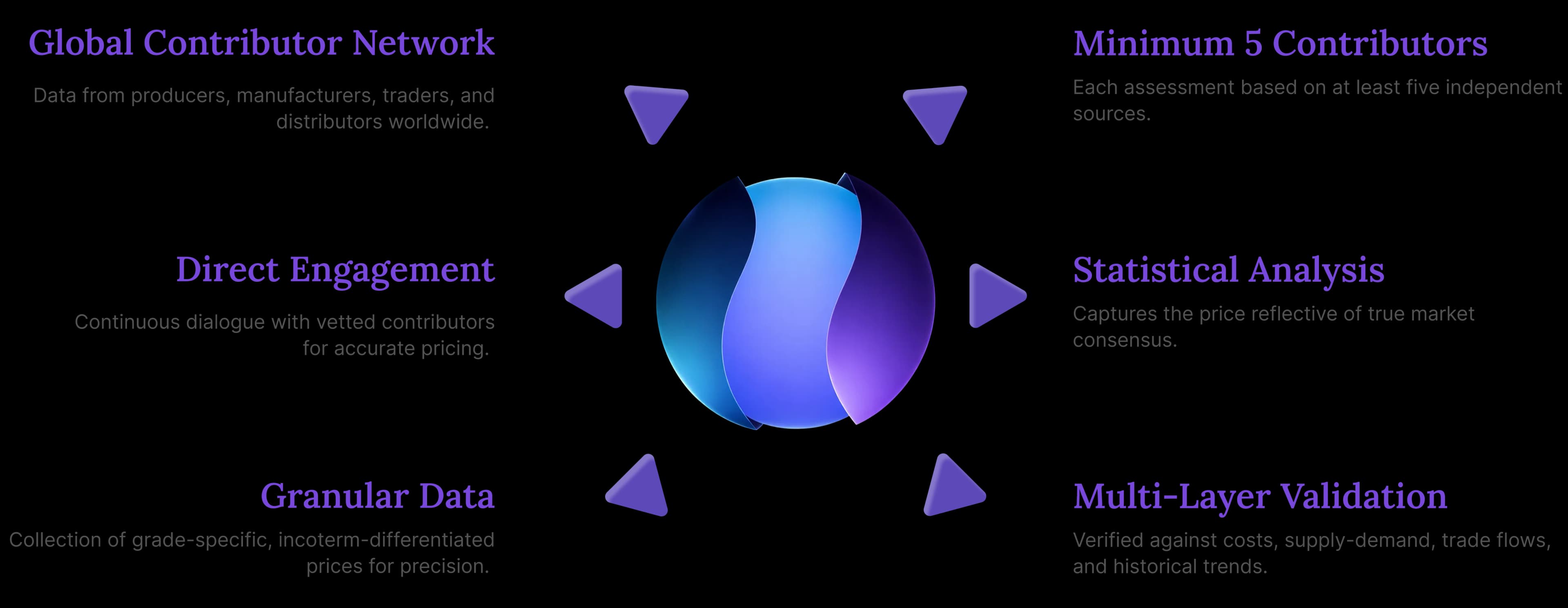
Our Price Analysis Methodology
Schedule A Demo
Experience how Procurement Resource transforms raw material price data into clear, decision ready intelligence. Optimise your performance with reliable, expert market data and analysis. Schedule your demo today to experience a live walk-through where our experts will showcase interactive price charts, forecasted prices, and insights driving the prices for your key commodities, tailored to your workflows. Contact us now!
Our Team will be happy to assist you
We are just a text away
Still Need Help ?
Subscription Plans
Unlock full access to Procurement Resource's price databases, interactive charts, and short-term forecasts for thousands of commodities. Elevate your sourcing decisions by comparing prices across regions, downloading historical data, and layering in analyst-backed insights, all with our flexible plans that scale as your portfolio grows.
Still have any Questions
Contact Us



Price Trend Dashboard - What's Included
Price trends across a diverse portfolio of categories amd products, spanning board to niche chemicas
Coverage extendable to grade-specific chemicals based on procurement requirements
Regular price tracking supported by robust historical datasets
News, policy updates, and key market drivers impacting price movements
Short-term and long-term price outlooks and forecasts
Supply–demand dynamics and capacity-driven market analysis
- Unlimited Users
- Historical Monthly Price
- USA, Europe, APAC Covered
- Monthly Forecast
- 12 Months validity
- News & Events
- 50 Products (Refer Next Page For List)
Why Procurement Database

Assistance from Experts
Throughout 2024, the Asian acetoin market experienced fluctuating trends with regional variations. Q1 began with moderate price increases driven by supply constraints from Chang Chun Plastics' maintenance shutdown in Taiwan. Post-S...

Client's Satisfaction
Throughout 2024, the Asian acetoin market experienced fluctuating trends with regional variations. Q1 began with moderate price increases driven by supply constraints from Chang Chun Plastics' maintenance shutdown in Taiwan. Post-S...

Assured Collaboration
Throughout 2024, the Asian acetoin market experienced fluctuating trends with regional variations. Q1 began with moderate price increases driven by supply constraints from Chang Chun Plastics' maintenance shutdown in Taiwan. Post-S...
Global Insights
Throughout 2024, the Asian acetoin market experienced fluctuating trends with regional variations. Q1 began with moderate price increases driven by supply constraints from Chang Chun Plastics' maintenance shutdown in Taiwan. Post-S...