2-Hydroxypropanoic Acid Price Trend Analysis 2026: Latest News, Market Insights, Historical Prices, Price Drivers & Supply Demand Analysis
2-Hydroxypropanoic Acid Price Trend 2025
Asia
The Asian market for 2-Hydroxypropanoic Acid experienced sustained downward pressure throughout the year, primarily influenced by weakening upstream ethylene values and subdued demand conditions. The market began the year on a declining path, with prices moving lower through the first half as inventory levels accumulated across regional hubs. Downstream sectors, particularly polylactic acid (PLA) production and biodegradable plastics manufacturing, exhibited cautious procurement behaviour amid soft end-user demand. The food and beverage industry maintained minimal restocking activity, while pharmaceutical-grade material consumption remained steady but unremarkable. In the latter half of the year, the market continued the downward sentiment as rising stockpiles at major ports added further pressure on pricing. Despite occasional attempts at stabilization, the overall trajectory remained weighted toward lower valuations, reflecting persistent supply-demand imbalances and limited buying enthusiasm from converter industries.
Europe
European markets for 2-Hydroxypropanoic Acid displayed considerable weakness during the annual cycle, influenced by broader petrochemical headwinds including declining ethylene feedstock costs and structural overcapacity in related chemical chains. The region faced persistent supply surplus conditions, with production levels exceeding consumption requirements across key industrial segments. Demand from the packaging sector, particularly for PLA-based applications, remained disappointing as sustainability-driven initiatives failed to translate into significant volume growth. The latter half of the year saw some stabilization attempts as scheduled maintenance activities at select production facilities temporarily reduced supply pressure. However, elevated inventory positions and tepid demand from downstream processing units prevented any meaningful price recovery, keeping the market in a generally weak position throughout the period.
North America
The North American market demonstrated a more varied pattern compared to other regions, beginning the year with downward pressure before showing signs of recovery during the mid-year period. Early months reflected weaker demand fundamentals and growing supply availability, influenced partly by softer upstream ethylene markets and cautious buyer sentiment. However, the second half brought improved conditions as supply constraints from planned maintenance activities coincided with steadier consumption from the bioplastics and green chemistry sectors. Demand from food-grade applications remained consistent, while industrial uses in textile processing and leather treatment provided moderate support. The market achieved relative stabilization in the latter months, though high inventory levels and variable export dynamics limited sustained upward momentum.
Analyst Insight
According to Procurement Resource, the global market for 2-Hydroxypropanoic Acid continues to face mixed conditions, with regional variations shaping overall price direction.
Related Report
Our Clients































Procurement Resource Database
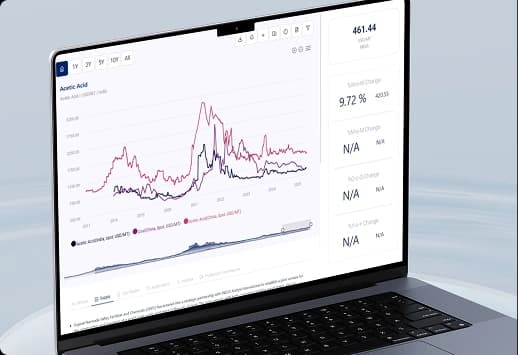
Turn price intelligence into action with the Procurement Resource Database. Log in or subscribe to unlock live price trends, historical charts, supplier databases, cost curves, and analyst-backed insights across chemicals, agriculture, energy, packaging, and more. Use these tools to benchmark your contracts, plan budgets with confidence, and stay ahead of market moves on every product you buy.
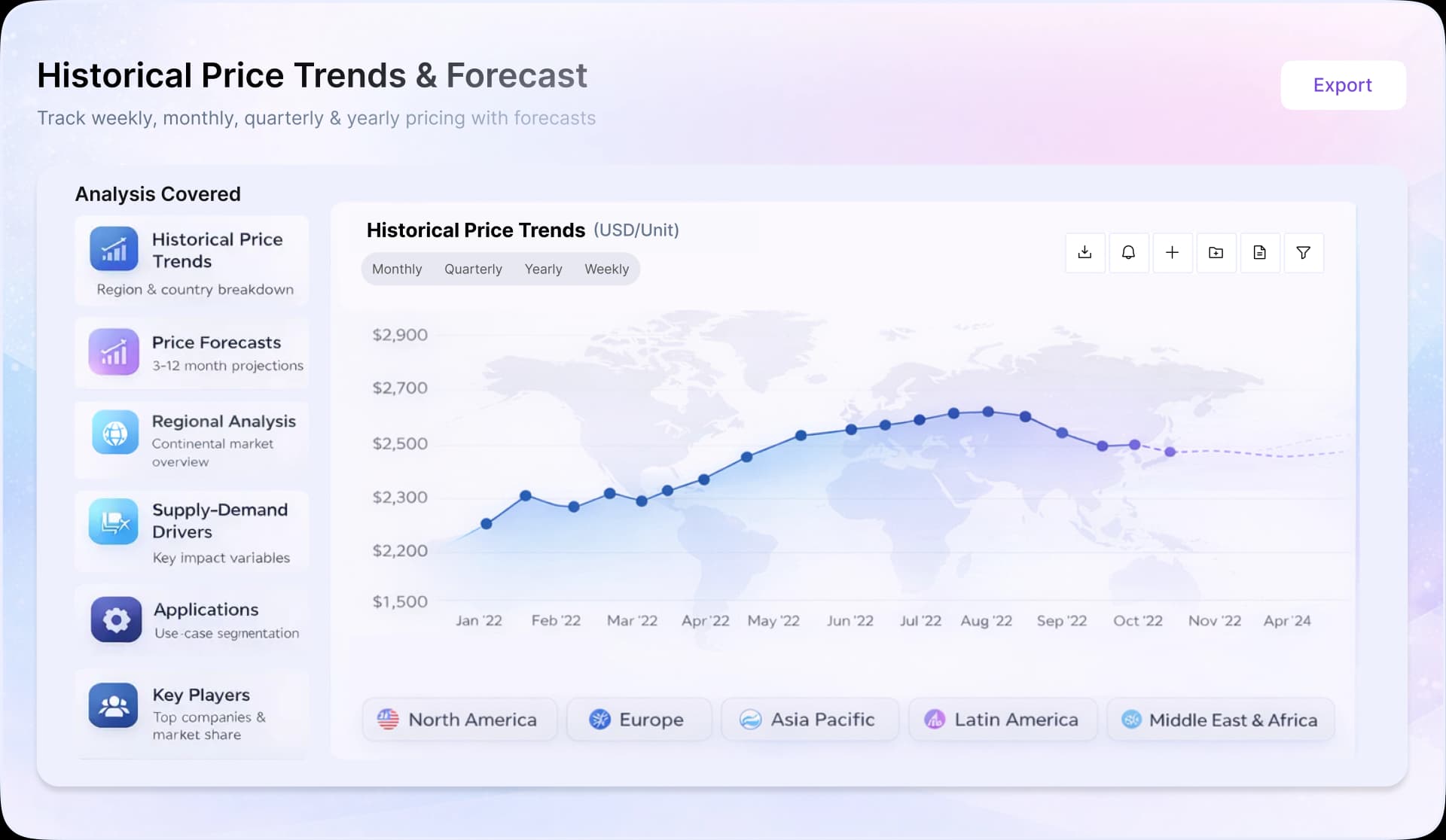
2-Hydroxypropanoic Acid Dashboard Inclusions
0
+Products
0
+Regions
0
+Subscriptions
Asia
The Asian region demonstrated a more volatile pricing pattern throughout 2024. The first quarter started with lower prices due to reduced demand but saw a recovery during the Lunar New Year period as factory closures created temporary supply constraints.
The second quarter showed initial strength due to improved manufacturing activity and export demand, before facing pressure from weakening Chinese economic conditions. The third quarter began with price increases driven by strong export activities but later declined due to anti-dumping measures from major importing countries. By year's end, increased production capacity in China and Thailand led to an oversupply situation, further pushing prices downward.
Europe
Europe's market followed a distinct trajectory in 2024. The first quarter saw initial price declines due to subdued consumer sentiment, followed by increases driven by logistics challenges and Red Sea disruptions. The second quarter maintained strong prices due to robust business activity and supply chain constraints. However, the third quarter marked a shift, with prices first rising due to energy cost pressures but then declining significantly as economic conditions deteriorated, particularly in Germany. The fourth quarter saw continued price weakness, influenced by negative business sentiment and persistent inflation concerns.
North America
In North America, the year began with moderate price increases driven by strong consumer confidence and retail activity. The second quarter saw a mixed pattern, where prices initially rose due to robust domestic demand but experienced a mid-quarter dip as the Federal Reserve's high interest rates began impacting consumer purchasing power. The third quarter marked a turning point, starting with a brief price surge due to supply chain disruptions and port congestion, but then shifting to a significant downward trend as demand weakened considerably. The fourth quarter continued this decline as buyers maintained cautious purchasing patterns and inventory levels remained sufficient.
Asia
The Asian market, particularly China, experienced consistent downward pressure on prices throughout the second half of 2023. The region faced multiple challenges, including weakened domestic demand and reduced export orders from major markets like Europe and the US.
Manufacturing activity in China showed mixed signals, with periods of contraction affecting market dynamics. Intense competition among suppliers and abundant product availability led vendors to reduce their price offerings. The feedstock market, particularly corn starch, remained subdued, further contributing to the pricing decline.
Europe
Europe, with the Netherlands as a key market, witnessed a bearish trend during H2’23. The market was characterized by surplus supply meeting subdued demand, creating downward pressure on prices. Manufacturing output and new business volumes decreased throughout the period. A notable decline in energy prices helped reduce operational and shipping costs, which translated into lower product prices. Market participants were forced to clear existing inventory to accommodate new production batches, further pressuring prices downward.
North America
The North American market showed significant volatility in H2’23. While the third quarter saw consistent price declines due to weak demand and economic challenges, the fourth quarter brought mixed trends. Initial price increases driven by industrial demand were followed by mid-quarter declines. The festive season near year-end temporarily boosted demand from food and beverage sectors. However, persistent manufacturing sector contraction and logistics challenges continued to influence the market. The Federal Reserve's high-interest rate policy and reduced inflation rates also played crucial roles in price dynamics.
Asia
2-Hydroxypropanoic Acid (lactic Acid) market witnessed mixed market sentiments in the first half of 2023. Q1 began with lowered prices as a result of consistently low demands from end consumers and downstream markets and glutted inventory stocks.
Feedstock glycerol also stayed in the decelerated track, which lowered the upstream costs and contributed to the dull prices. But the rise in demands from downstream food and beverage industries in the middle of the first quarter overtook, and the prices started inclining again; prices oscillated upwards for the rest of the said period. Overall mixed price trend for 2-Hydroxypropanoic Acid/Lactic Acid were observed.
Europe
The European 2-Hydroxypropanoic Acid market had a fluctuating run in H1 2023. Prices kept declining at the beginning of the first quarter as both dwindling demands and depreciating feedstock glycerol prices collectively kept pulling the market trend down. But from mid, Q1 market started to stabilize and observed equilibrium between supply and demand dynamics. After some time, by the end of the first quarter, food prices had started hiking, pertaining to weather conditions. This rise, along with the rise in demands, exerted positive cost pressure, and 2-Hydroxypropanoic Acid prices started rising along. Overall, market sentiments were mixed.
North America
The American 2-Hydroxypropanoic Acid market observed oscillating trend. Both demand and upstream production costs remained dull and didn’t let the 2-Hydroxypropanoic Acid prices improve. A little stagnancy was approached by the middle of the first quarter. Inflation didn’t impact the American economy like the European one, and the supply–demand dynamics started improving. Overall, 2-Hydroxypropanoic Acid market sentiments in the US remained dull.
About 2-Hydroxypropanoic Acid
2-Hydroxypropanoic acid, also known as lactic acid, is an organic acid. It has a white solid state and is miscible with water. It is a colourless liquid solution. This chemical compound is made using both artificial synthesis and natural sources. Lactic acid is also known as alpha-hydroxy acid (AHA).
2-Hydroxypropanoic Acid Product Detail
Chemical Formula
C6H12O6
Molecular Weight
180.16 g/mol
Industrial Uses
Food and beverages
Synonyms
Lactic acid
Supplier Database
Cargill, Inc, Corbion NV, Henan Jindan Lactic Acid Technology Co., Ltd, DuPont de Nemour Inc
Regional Coverage
Asia Pacific
China, India, Indonesia, Pakistan, Bangladesh, Japan, Philippines, Vietnam, Iran, Thailand, South Korea, Iraq, Saudi Arabia, Malaysia, Nepal, Taiwan, Sri Lanka, UAE, Israel, Hongkong, Singapore, Oman, Kuwait, Qatar, Australia, and New Zealand
Europe
Germany, France, United Kingdom, Italy,Spain, Russia, Turkey, Netherlands, Poland, Sweden, Belgium, Austria, Ireland Switzerland, Norway, Denmark, Romania, Finland, Czech Republic, Portugal and Greece
North America
United States and Canada
Latin America
Brazil, Mexico, Argentina, Columbia, Chile, Ecuador, and Peru
Africa
South Africa, Nigeria, Egypt, Algeria, Morocco
CurrencyUS$ (Data can also be provided in local currency)
Supplier Database AvailabilityYes
Customization ScopeThe report can be customized as per the requirements of the customer
Post-Sale Analyst Support360-degree analyst support after report delivery
Note: Our supplier search experts can assist your procurement teams in compiling and validating a list of suppliers indicating they have products, services, and capabilities that meet your company's needs.
2-Hydroxypropanoic Acid Production Processes
- Production of Lactic Acid via Fermentation
Lactic acid is manufactured in the industrial sector through bacterial fermentation of carbohydrates or chemical synthesis from acetaldehyde.
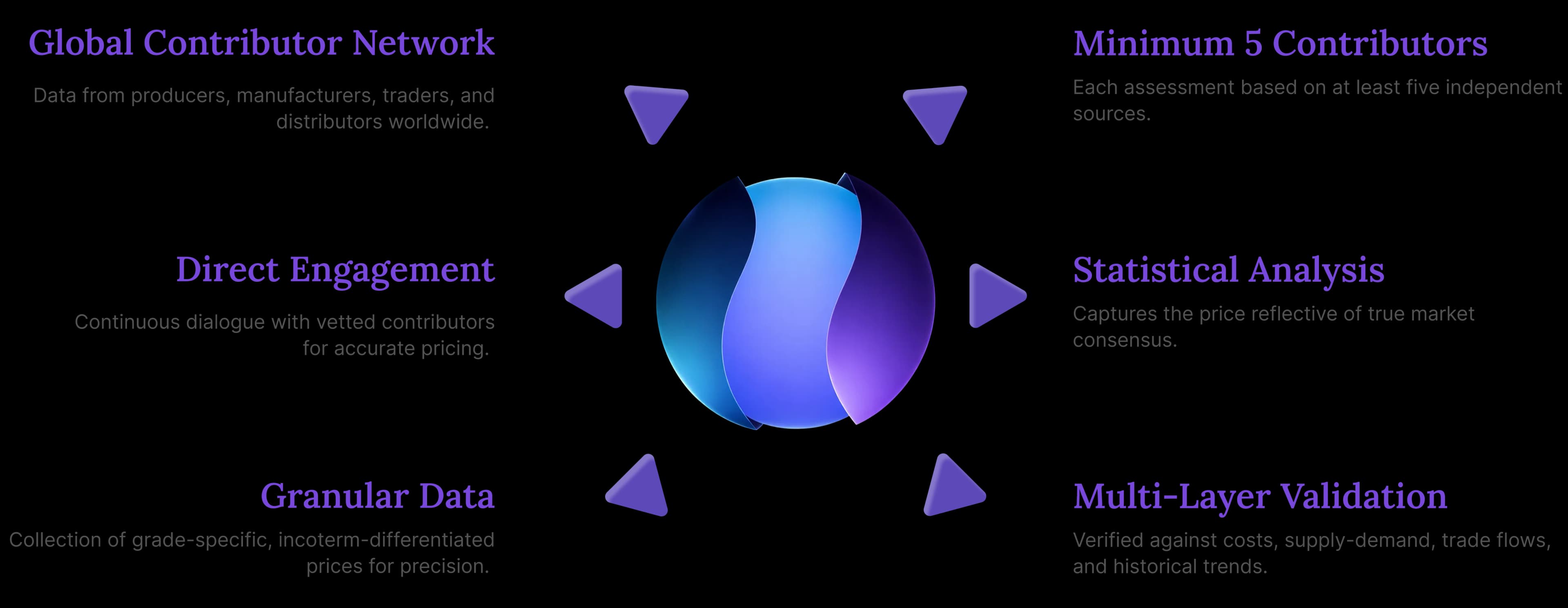
Our Price Analysis Methodology
Schedule A Demo
Experience how Procurement Resource transforms raw material price data into clear, decision ready intelligence. Optimise your performance with reliable, expert market data and analysis. Schedule your demo today to experience a live walk-through where our experts will showcase interactive price charts, forecasted prices, and insights driving the prices for your key commodities, tailored to your workflows. Contact us now!
Our Team will be happy to assist you
We are just a text away
Still Need Help ?
Subscription Plans
Unlock full access to Procurement Resource's price databases, interactive charts, and short-term forecasts for thousands of commodities. Elevate your sourcing decisions by comparing prices across regions, downloading historical data, and layering in analyst-backed insights, all with our flexible plans that scale as your portfolio grows.
Still have any Questions
Contact Us



Price Trend Dashboard - What's Included
Price trends across a diverse portfolio of categories amd products, spanning board to niche chemicas
Coverage extendable to grade-specific chemicals based on procurement requirements
Regular price tracking supported by robust historical datasets
News, policy updates, and key market drivers impacting price movements
Short-term and long-term price outlooks and forecasts
Supply–demand dynamics and capacity-driven market analysis
- Unlimited Users
- Historical Monthly Price
- USA, Europe, APAC Covered
- Monthly Forecast
- 12 Months validity
- News & Events
- 50 Products (Refer Next Page For List)
Why Procurement Database

Assistance from Experts
Throughout 2024, the Asian acetoin market experienced fluctuating trends with regional variations. Q1 began with moderate price increases driven by supply constraints from Chang Chun Plastics' maintenance shutdown in Taiwan. Post-S...

Client's Satisfaction
Throughout 2024, the Asian acetoin market experienced fluctuating trends with regional variations. Q1 began with moderate price increases driven by supply constraints from Chang Chun Plastics' maintenance shutdown in Taiwan. Post-S...

Assured Collaboration
Throughout 2024, the Asian acetoin market experienced fluctuating trends with regional variations. Q1 began with moderate price increases driven by supply constraints from Chang Chun Plastics' maintenance shutdown in Taiwan. Post-S...
Global Insights
Throughout 2024, the Asian acetoin market experienced fluctuating trends with regional variations. Q1 began with moderate price increases driven by supply constraints from Chang Chun Plastics' maintenance shutdown in Taiwan. Post-S...
1/4