2-Propylheptanol Price Trend Analysis 2026: Historical Prices, Market Insights, Supply Demand Analysis, Price Drivers & Latest News
2-Propylheptanol Price Trend 2025
Asia
The Asian 2-Propylheptanol market in 2025 recorded a mostly soft and uneven trend. The market in Asia was affected by weak demand and stable raw materials. During the first half of the year, the Asian 2-Propylheptanol market traded on the lower side. The demand from industries such as plasticizers and coatings was limited. The increase in supply from the region also exerted pressure on the market. During the third quarter of the year, the Asian 2-Propylheptanol market recorded some improvement. The increase in production supported the demand. However, the overall trend was cautious. During the fourth quarter of the year, the Asian 2-Propylheptanol market traded in a narrow range. Initially, the market traded on the softer side before moving on the mildly stabilizing side. The Asian 2-Propylheptanol market ended the year on a steady note. However, there has been no major growth in the market.
Europe
In Europe, the 2-Propylheptanol market traded sideways with a weak bias throughout 2025. The first half of the year saw sluggish industrial activity and demand from the end-use industries, which kept the market movements restricted. The third quarter saw a continuation of stable market conditions in Europe. The inventories and production levels remained balanced, and the trading activity remained smooth. The fourth quarter of 2025 saw a weak start for the 2-Propylheptanol market in Europe before showing signs of recovery and stabilization towards the end of the year. Overall, the European 2-Propylheptanol market remained stable and calm throughout the year, and the prices remained flat.
North America
The 2-Propylheptanol market in North America witnessed moderate fluctuations in 2025, driven by changes in supply conditions and demand from derivative markets. In the first half of 2025, there were fluctuations in supply conditions, which were further compounded by changes in export activity due to weather conditions. However, weak demand from derivative markets restricted any significant upward movement in prices. In the second half, with supply conditions improving in the second quarter, the 2-Propylheptanol market became more stable. In the third quarter, balanced supply conditions, along with steady production and moderate restocking, led to a gradual recovery in prices. In the fourth quarter, there were early signs of weakness in prices, driven by adequate supply conditions, which were balanced in later months.
Analyst Insight
According to Procurement Resource, the 2-Propylheptanol market is expected to remain stable in the near term, as balanced supply and steady feedstock conditions are likely to keep price movements limited.
Related Report
Our Clients































Procurement Resource Database
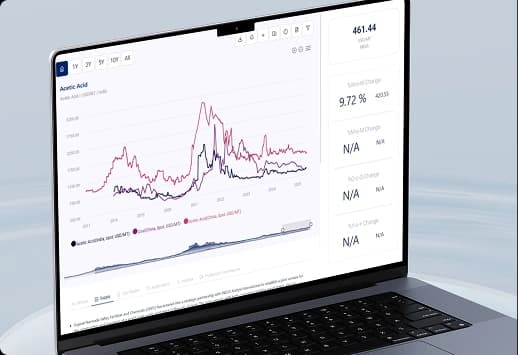
Turn price intelligence into action with the Procurement Resource Database. Log in or subscribe to unlock live price trends, historical charts, supplier databases, cost curves, and analyst-backed insights across chemicals, agriculture, energy, packaging, and more. Use these tools to benchmark your contracts, plan budgets with confidence, and stay ahead of market moves on every product you buy.
2-Propylheptanol Dashboard Inclusions
0
+Products
0
+Regions
0
+Subscriptions
Asia
In Asia, 2-Propylheptanol prices witnessed a downward trend, primarily due to weak demand from downstream plasticizer manufacturers and high inventory levels. The market was further pressured by reduced manufacturing activities in China, the region's largest consumer.
The sluggish demand from the construction and automotive sectors, major end-users of plasticizers, contributed to the bearish sentiment. Additionally, new capacity additions during the quarter created an oversupply situation, forcing producers to reduce their operating rates.
Europe
In Europe, the market showed an upward trajectory, supported by strong restocking activities ahead of the winter season. The increasing propane prices, as evidenced by the rising Northwest European propane cargo prices, directly impacted 2-Propylheptanol production costs. European manufacturers faced pressure from high energy costs, particularly natural gas prices, which led to increased production costs. Despite this, steady demand from the construction and automotive sectors helped maintain stable market conditions.
North America
North American 2-Propylheptanol prices followed an ascending trend. The market was supported by robust domestic demand from the plasticizer industry and limited product availability. The temporary maintenance shutdowns at major export terminals in Texas affected the supply chain, leading to tighter market conditions. The strong performance of the construction sector and increased manufacturing activities contributed to sustained demand throughout the quarter.
Asia
In the first half of 2024, the price trend of 2-propylheptanol in Asia followed the broader movements observed in the fatty alcohol market. Rising upstream costs, particularly those linked to palm oil, played a pivotal role in driving up prices. The demand for 2-propylheptanol increased, especially in the personal care sector, as inquiries surged from industries needing high-performance ingredients.
In India, where the fatty alcohol market experienced a strong correlation with palm oil price fluctuations, the rising cost of raw materials led to upward pressure on 2-propylheptanol prices. Additionally, economic factors such as the anti-dumping probes in key sectors also indirectly influenced the price trend. Despite these challenges, the robust demand, particularly from fast-growing segments, supported the price growth throughout the first half of 2024.
Europe
In Europe, the price trend of 2-propylheptanol mirrored the consistent increases observed in fatty alcohol markets. The plateauing global palm oil output and heightened demand for biodiesel applications caused supply constraints that extended to the fatty alcohol industry. As production costs escalated due to reduced palm oil availability, the European market for 2-propylheptanol also saw price increases. Additionally, challenges in the regional manufacturing sector, particularly in Germany, led to further supply-side pressures. Even though demand from downstream personal care industries was slower than anticipated, the impact of rising input costs kept prices of 2-propylheptanol elevated. Freight charges also surged, exacerbating the already high production costs, contributing to the steady price increases in the first half of 2024.
North America
In North America, 2-propylheptanol prices rose during the first half of 2024, tracking the upward trajectory of fatty alcohol prices driven by increasing palm oil costs. Supply challenges in the palm oil sector, exacerbated by labor shortages and logistical issues, resulted in higher production costs, which were passed on to the 2-propylheptanol market. In addition, geopolitical tensions and shipping disruptions due to the rerouting of global traffic affected supply chains, leading to increased freight costs.
Despite subdued demand in late 2023, a revival in downstream sectors such as cosmetics, alongside rising geopolitical instability, contributed to a positive price outlook for 2-propylheptanol. As manufacturers anticipated a shift in Asia-U.S. container shipments, rising freight costs added to the optimism and price increments observed in the North American market.
Asia
The Asia-Pacific market regained momentum after facing several fluctuations last year as the steady consumption from the downstream industries and stable market dynamics supported the rise in the prices of 2-Propylheptanol. The major influencing factor that dictated the trend of 2-Propylheptanol in the first two quarters was the market dynamics of its feedstock, i.e., butylene and linear alpha olefins. The prices of both materials followed a positive trajectory. The feedstocks were supported by strong demand and recovering economic conditions in the Asia Pacific region, and as a result, the prices of 2-Propylheptanol surged.
Europe
The European region witnessed a surge in the prices of 2-Propylheptanol as the market regained momentum after a long holiday season. The consumption from the end-user industries also improved, and the rising feedstock prices supported the incline in the trajectory of 2-Propylheptanol. The Alpha olefin, which is one of its feedstocks, however, had a slow start in the first quarter, but with improving economic conditions and the blooming polymer market, it gained its required pace and led to the surge in prices of 2-Propylheptanol in the latter months of the first quarter and throughout the second quarter of 2023.
North America
The North American region, after a long period of fluctuating trend, showcased a spike in prices in the initial months of the first quarter. The prices were supported by the rising feedstock demand as the market sentiments improved, and with the improving economic conditions, the manufacturers increased their production rate. However, the market fluctuated a little in the mid of the first quarter, with a significant drop in March due to falling prices of butylene and alpha olefins. From there, the market struggled to gain momentum, and eventually, the prices of 2-Propylheptanol fell in Q2.
Asia
2-Propylheptanol price trend in Asia had a mixed run during H2 2022. Prices varied due to the fluctuating prices of feedstock butylene and linear alpha olefins. During Q3, due to China’s covid policies supply chains got affected and demand disruptions from downstream lubricants, and surfactant industries gave 2-Propylheptanol prices another blow. So, in this situation market demand remained the determining factor. But the sullen downstream demands kept the market low swinging.
Europe
H2 2022 was an economic nightmare for Europe, the war between Russia and Ukraine became detrimental to the energy security of the region. As energy prices and inflation rose to an all-time high, consumer purchasing power got hampered. The industry demands fell considerably as high inflation made upstream sustainability a daunting task. As the market demands dampened the price trend also wavered towards the lower end. Even though inflation and energy costs pushed up the production prices for 2-Propylheptanol, the market demand could not maintain the prices for 2-Propylheptanol. So, a mixed lower inclination in price trend for 2-Propylheptanol was observed.
North America
The North American market for 2-Propylheptanol too remained very fluctuating in H2 2022. Supply chain disruptions affected the market, but the feedstock inventories were still full. It was dampening demands that affected the market trend for 2-Propylheptanol. Like the Europe market here too remained oscillating.
Asia
2-Propylheptanol is obtained via the hydroformylation of alkenes or linear alpha olefins (LAO), which are, in turn, obtained from crude oil. Due to the Russian invasion of Ukraine, oil and natural gas prices soared dramatically, causing the alkenes' prices to inflate. However, during the second quarter, the high upstream costs took a toll on the market dynamics, and the prices suffered amid demand destruction. The price 2-Propylheptanol averaged 1856.42 USD/MT in the Indian domestic arena during the first half of 2022
Europe
The European embargo on Russian oil raised the energy bills of Europe drastically. The higher costs of keeping the refineries running at a constant pace, along with supply shortages and the robust downstream demand, caused the prices to increase. However, this runaway inflation soon led to demand destruction, and the petrochemical industry suffered. The cost of alkenes averaged 1619 USD/MT FD Germany in the second quarter.
North America
In line with the global outlook, the price of linear alpha olefins averaged 790 USD/MT and 850 USD/MT for C-10 and C16-18 systems, respectively, in the first quarter. However, the demand destructions and the heightened costs of natural gas caused the prices to dip in the second quarter, thereby weakening the price trend of 2-Propylheptanol.
About 2-Propylheptanol
2-Propylheptanol or 2PH is a waxy solid belonging to the class of C-10 fatty alcohols. It serves as a vital feedstock/intermediate in production of plasticizers, surfactants, resins, and lubricants. It is used as a heat stabilizer during PVC manufacture. Its oleate and palmate-based products are valued in the cosmetic industry.
2-Propylheptanol Product Detail
C10H22O
Plasticizers, Resins, Lubricants, Surfactants, Cosmetics, Solvents
2-propyl-1-heptanol, Isodecanol, 2PH, 8-methyl-1-nonanol
Perstorp, BASF SE, Evonik Industries, Yanchang Petroleum Yan'an Energy and Chemical Co.
Regional Coverage
Asia Pacific
Europe
North America
Latin America
Africa
CurrencyUS$ (Data can also be provided in local currency)
Supplier Database AvailabilityYes
Customization ScopeThe report can be customized as per the requirements of the customer
Post-Sale Analyst Support360-degree analyst support after report delivery
Note: Our supplier search experts can assist your procurement teams in compiling and validating a list of suppliers indicating they have products, services, and capabilities that meet your company's needs.
2-Propylheptanol Production Processes
- Production of 2-Propylheptanol from C4 alkenes via Hydroformylation/Oxo Synthesis
Oxo synthesis is used in the production of aldehydes from an alkene. This reaction involves adding a formyl group (CHO ) and a hydrogen atom to the carbon-carbon double bond. This reaction is carried at elevated temperature and pressure. The product aldehyde is then hydrogenated to get the corresponding alcohol.
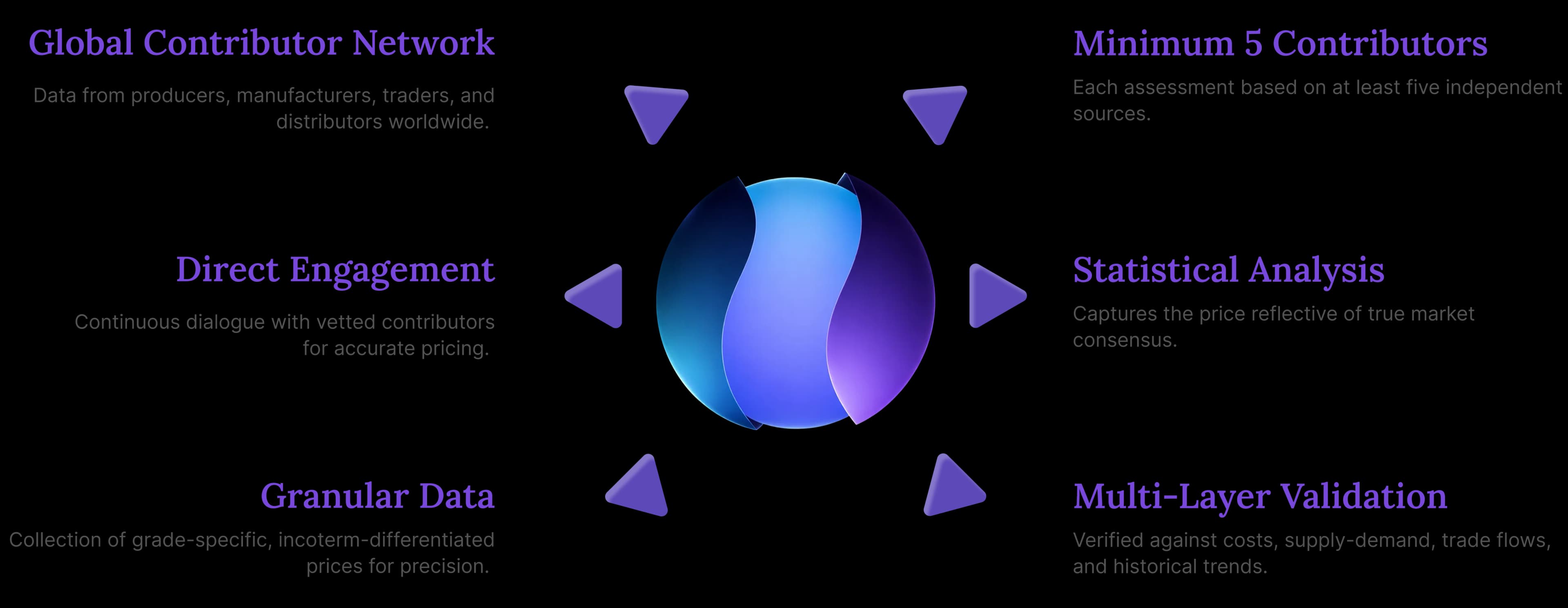
Our Price Analysis Methodology
Schedule A Demo
Experience how Procurement Resource transforms raw material price data into clear, decision ready intelligence. Optimise your performance with reliable, expert market data and analysis. Schedule your demo today to experience a live walk-through where our experts will showcase interactive price charts, forecasted prices, and insights driving the prices for your key commodities, tailored to your workflows. Contact us now!
Our Team will be happy to assist you
We are just a text away
Still Need Help ?
Subscription Plans
Unlock full access to Procurement Resource's price databases, interactive charts, and short-term forecasts for thousands of commodities. Elevate your sourcing decisions by comparing prices across regions, downloading historical data, and layering in analyst-backed insights, all with our flexible plans that scale as your portfolio grows.
Still have any Questions
Contact Us



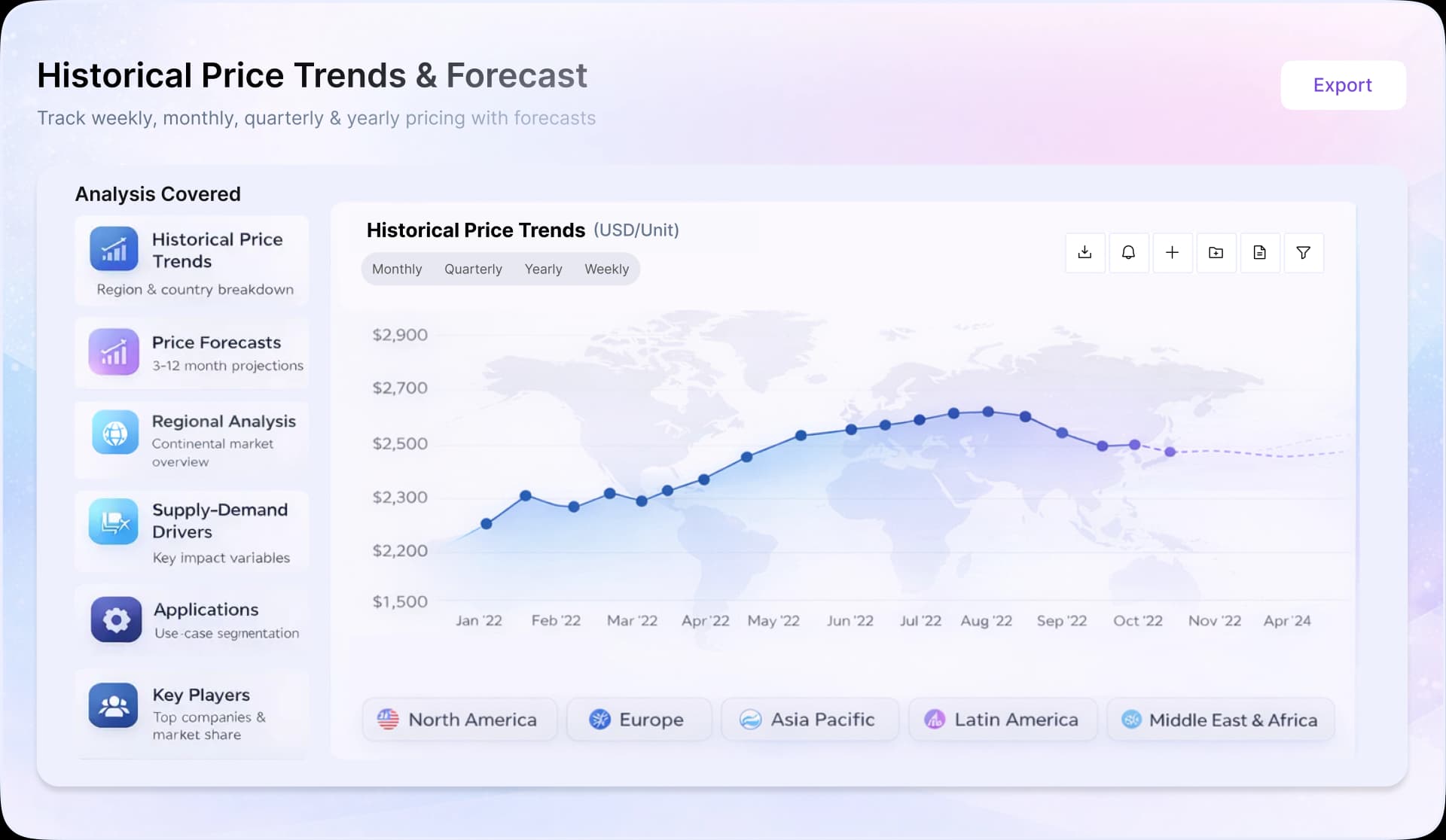
Price Trend Dashboard - What's Included
Price trends across a diverse portfolio of categories amd products, spanning board to niche chemicas
Coverage extendable to grade-specific chemicals based on procurement requirements
Regular price tracking supported by robust historical datasets
News, policy updates, and key market drivers impacting price movements
Short-term and long-term price outlooks and forecasts
Supply–demand dynamics and capacity-driven market analysis
- Unlimited Users
- Historical Monthly Price
- USA, Europe, APAC Covered
- Monthly Forecast
- 12 Months validity
- News & Events
- 50 Products (Refer Next Page For List)
Why Procurement Database

Assistance from Experts
Throughout 2024, the Asian acetoin market experienced fluctuating trends with regional variations. Q1 began with moderate price increases driven by supply constraints from Chang Chun Plastics' maintenance shutdown in Taiwan. Post-S...

Client's Satisfaction
Throughout 2024, the Asian acetoin market experienced fluctuating trends with regional variations. Q1 began with moderate price increases driven by supply constraints from Chang Chun Plastics' maintenance shutdown in Taiwan. Post-S...

Assured Collaboration
Throughout 2024, the Asian acetoin market experienced fluctuating trends with regional variations. Q1 began with moderate price increases driven by supply constraints from Chang Chun Plastics' maintenance shutdown in Taiwan. Post-S...
Global Insights
Throughout 2024, the Asian acetoin market experienced fluctuating trends with regional variations. Q1 began with moderate price increases driven by supply constraints from Chang Chun Plastics' maintenance shutdown in Taiwan. Post-S...