Agar Agar Price Trend Analysis 2026: Latest News, Market Insights, Supply Demand Analysis, Price Drivers & Historical Prices
Agar-Agar Price Trend 2025
Asia
In Asia, there was a continuous increase in Agar-Agar prices over 2025. This was driven by strong demand from food and pharmaceutical companies, particularly in China and India. There were also increases in demand due to seasonal events and festivals in Asia, including the Golden Week in China. This meant that there was a tightening in supply due to this event-driven demand. As a result, there were changes in production plans to meet this demand, and this caused an upward trend in Agar-Agar prices. There was also an increase in export demand from Japan.
Europe
In the European market, there was an increase in the prices of Agar-Agar products. This was due to an increase in costs related to sourcing and transportation, as importers were relying on Asia to supply them with Agar-Agar products. The demand was consistent in terms of food and biotechnology usage, and this was enough to give suppliers confidence in pricing. There was a lack of local production in this market; hence, an increase in demand in this market was enough to drive up the price.
North America
In North America, Agar-Agar prices gradually increased as well. The food, pharmaceutical, and specialty product industries continued to source Agar-Agar from Asia, mainly from China and India. Demand remained consistent, and inventories were carefully managed by suppliers to prevent shortages. While supply chains were reliable, seasonal spikes in procurement led to small price rises throughout the year.
Analyst Insight
According to Procurement Resource, Agar-Agar prices are expected to stay firm in the near term, with potential upward movement if seasonal demand or export activity increases.
Related Report
Our Clients































Procurement Resource Database
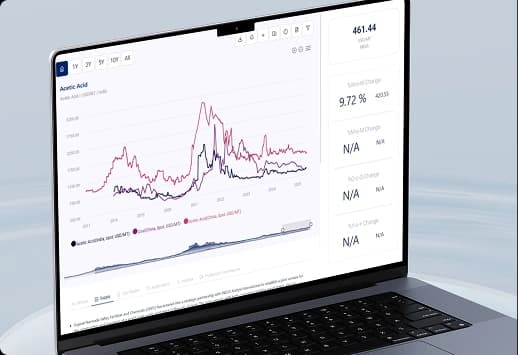
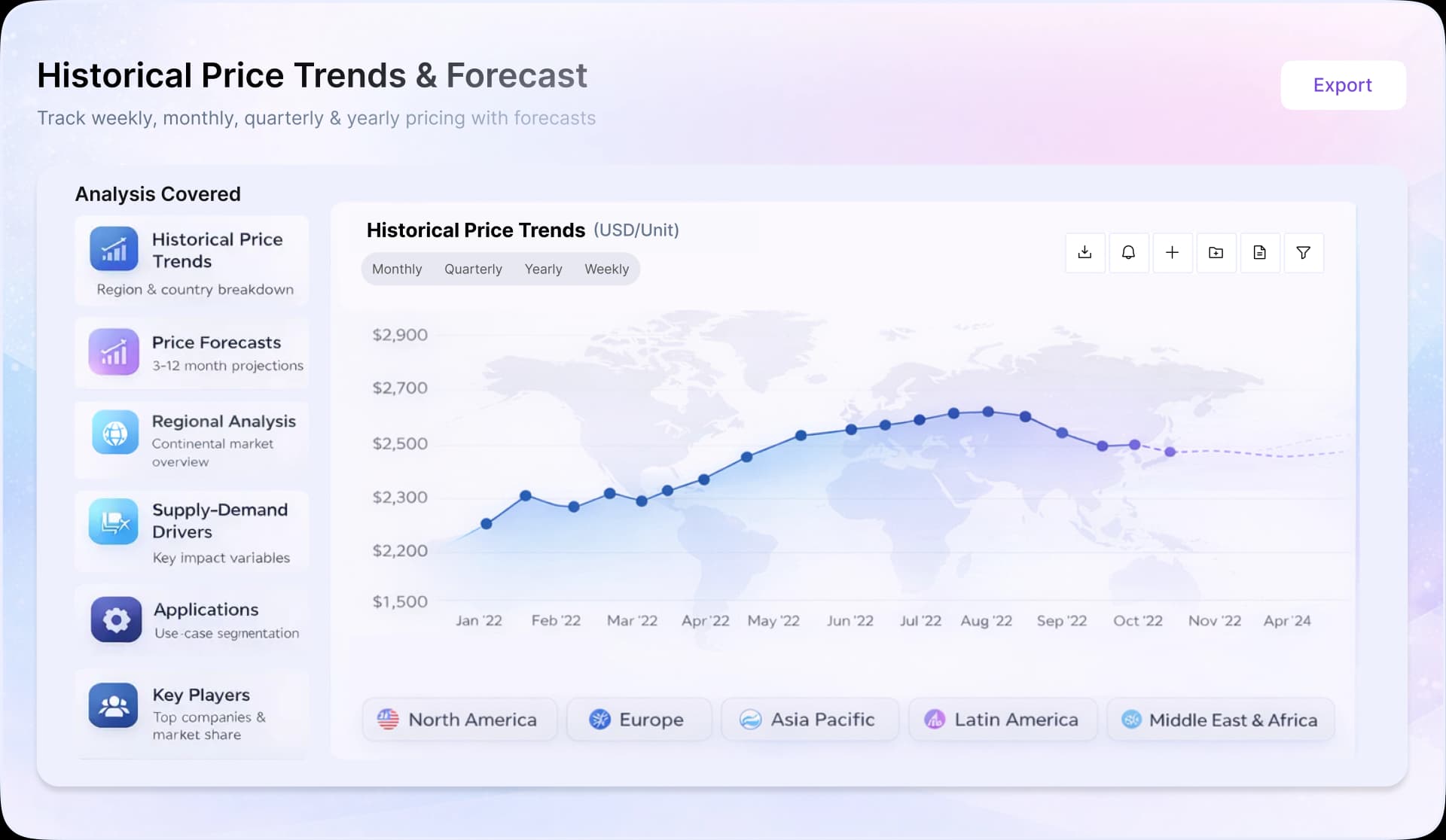
Turn price intelligence into action with the Procurement Resource Database. Log in or subscribe to unlock live price trends, historical charts, supplier databases, cost curves, and analyst-backed insights across chemicals, agriculture, energy, packaging, and more. Use these tools to benchmark your contracts, plan budgets with confidence, and stay ahead of market moves on every product you buy.
Agar Agar Dashboard Inclusions
0
+Products
0
+Regions
0
+Subscriptions
Asia
The Asian Agar-Agar market showed diverse pricing patterns across different regions in Q4’24. Chinese prices declined steadily throughout the quarter, primarily due to improved seaweed harvesting conditions and stable raw material availability. The harvest season that began in October provided sufficient Gracilaria supply, leading to increased production rates.
Japanese markets also witnessed a downward trend, influenced by abundant inventory levels and reduced freight costs, while the stronger yen made imports more affordable. In contrast, Indian prices moved upward, driven by robust domestic demand from the food industry, particularly during the festival and wedding season. Southeast Asian producers experienced stable production rates despite some weather-related challenges in coastal farming areas.
Europe
European Agar-Agar markets remained relatively stable during Q4, with slight variations across regions. The market benefited from increased Asian imports, particularly from China and Indonesia. Manufacturing activity in key markets like Germany and France maintained steady demand from the food processing sector. The pharmaceutical industry's consistent consumption patterns helped maintain price stability. Western European countries saw marginally higher prices compared to Eastern Europe due to higher energy costs affecting local processing facilities.
North America
North American markets experienced moderate price fluctuations during Q4. The region relied heavily on imports, with changing ocean freight rates influencing price movements. Demand from the food processing industry remained strong, particularly in the natural food additives segment. The market saw increased interest from pharmaceutical manufacturers, especially in the United States. Canadian markets aligned closely with US trends, though with slightly higher prices due to additional transportation costs.
Asia
In Asia, the landscape for agar-agar was significantly shaped by the state of the manufacturing sector, particularly in China, which is a major producer and exporter of this commodity. The Chinese manufacturing environment faced considerable challenges during the summer months, characterized by weak demand and an overall decline in business sentiment. As manufacturers grappled with these headwinds, many opted to reduce selling prices in a bid to stimulate sales, thus contributing to lower prices for agar-agar.
The peak harvesting season for seaweed, the primary raw material for agar-agar, also coincided with this period, leading to an influx of supply into the market. This abundant availability of seaweed enhanced the production capacity for agar-agar, further driving prices down. The implications of China's domestic market downturn extended beyond its borders, as lower prices in the Chinese market had a ripple effect, influencing agar-agar pricing trends in other regions.
Europe
In Europe, the economic landscape reflected similar challenges as the Asian countries during the third quarter of 2024. Major economies, such as France and Germany, experienced marked declines in business sentiment, with many companies expressing concerns about the prospects for economic recovery. The prevailing uncertainties surrounding economic conditions, along with geopolitical factors, led businesses to adopt a more conservative approach, characterized by reduced investments and inventory management.
These economic pressures dampened demand for agar-agar, particularly in the food and pharmaceutical sectors that have historically relied on this ingredient. As demand weakened, manufacturers and suppliers responded by lowering prices to stimulate activity in the market. The interconnectedness of European economies meant that the challenges faced in one country reverberated across the region, further contributing to the overall decline in agar-agar prices.
North America
In North America, the economic climate was marked by a moderate slowdown, with consumer spending showing signs of softening due to rising price sensitivity and the impacts of higher interest rates. This shift in consumer behavior affected demand for various products, including agar-agar. As the Federal Reserve maintained a cautious stance on interest rates, consumer sentiment remained subdued, leading to decreased purchasing activity in sectors reliant on agar-agar. The combination of a slowing economy and reduced consumer appetite for discretionary spending meant that manufacturers in North America had to contend with lower demand for their products, prompting them to adjust agar-agar prices downward.
Asia
China, being the major producer and exporter of agar-agar, started the second quarter on a positive note as the prices inclined under the influence of strong overseas demand and rising domestic production costs. However, if the pace of these two sectors is compared, the rate of growth of manufacturing industries was slower in front of rapidly expanding demand, contributing to the bullish sentiments of the market during this phase.
However, as the quarter approached its end, the market situation reversed, and due to peak seaweed harvesting season, the inclining inventories overpowered the procurement rates, driving down the prices of agar-agar. Similarly, in Japan and South Korea, the initial gains were beyond the expectations of the traders. The proactive stocking before the Gloden Week holidays in Japan, the influx of expensive imports, and positive consumption in both regions supported the early uptrend. But soon, the ill consequences of rising inflation, moderate demand, and economic uncertainties dimmed the momentum of agar-agar prices.
Europe
Throughout the second quarter, the trajectory of agar-agar prices mimicked what was observed in China and Japan. Initially, due to the limited influx of overseas produce amid the diversion of the traditional Red Sea route and the extension of lead times, the supply-demand gap of the agar-agar market widened.
This tight supply of the commodity in this phase failed to address the increasing demand, and therefore, gradually, the prices of agar-agar moved upwards. But as soon as the middle of the quarter arrived, the trend bore a much more bearish tone. The primary cause of this reversal of market momentum was the loss of consumer confidence amid soaring rates of interest and persistent inflationary pressure. The drop in manufacturing activities and new orders in Europe further contributed to this downtrend. However, the supply from China, exceeded the procurement rates, only to increase the stockpiles of the commodity.
North America
The North American agar-agar market performed no different from the other regions of the world, as the market depicted a similar trend of initial incline and then subsequent decline in the prices. The surge in domestic market activities raised the demand for the commodity in the first half of the quarter.
The traders also enjoyed the expansion of the consumer base as it gave them room to increase their pricing quotations of agar-agar. However, as the overseas imports grew expensive, the interest of the consumer sector in this market declined, and they opted for a wait-and-see approach. The market players also noticed that the unsupportive response from the economic sector and the constriction of consumer budgets also contributed significantly to keeping the agar-agar prices on the lower end of the spectrum.
| Product | Category | Region | Price | Last Updated Month |
| Agar Agar | Healthcare | Asia | USD 13,300 | March 2024 |
Stay updated with the latest Agar Agar prices, historical data, and tailored regional analysis
Asia
The Asian agar agar market is dominant over other global markets as it is the key producing region for agar and its feedstock seaweed. Countries like Indonesia, Malaysia, the Philippines, and Thailand are major producers and consumers of agar.
The region benefits from favorable climatic conditions and abundant seaweed resources, which drive the agar market growth. Indonesia contributes significantly to the global agar supply, cultivating seaweed extensively along its coastlines. Additionally, the increasing adoption of vegan and vegetarian diets, particularly in developed parts of the world, is driving the consumption of agar as a sustainable, plant-based alternative to gelatin, which is usually sourced from animal-based sources. This trend is anticipated to further boost the agar market in Asia. Overall, the Asia Pacific region currently accounts for more than half of the global agar market volume, making it a key player in the industry's growth and development.
Europe
Various ongoing geopolitical tensions and the ever-stretching Russia-Ukraine war have disrupted the supply chains of key agar-producing Asian countries, leading to price hikes and logistical challenges in transportation. Moreover, declining economies in Europe, marked by high inflation and recession fears, have dampened demand from key end-use industries such as food and beverages, pharmaceuticals, and cosmetics.
To mitigate risks from geopolitical disruptions, several alternative trade routes and ways were also worked out. However, the issues in the Red Sea and another war starting between Israel and Hamas in the Middle East further complicated the pricing situation for agar agar in Europe. Given the high demands and supply crunches, an inclined price trajectory was witnessed.
North America
Since the American agar market also depends largely on Asian imports, their price trends showed a striking resemblance during the given period. The supply chain issues pertaining to the disruptions because of multiple wars in key trading regions of the world affected the supply influx in the American markets. Demands saw a rising trend as veganism gained interest. Because of this, a rising price graph was seen for agar during the said time period.
Asia
Agar-Agar prices in China saw an increase due to a stable rise in the number of new orders from the domestic market. The market sentiment improved compared to the previous quarters. The market dynamics improved due to stabilization in supply and demand, improved logistics, increased purchasing activities, and a more positive outlook among manufacturers. The upward movement in agar-agar prices was further strengthened by steady and accelerated growth in new orders from overseas markets.
Europe
The European sector moved cautiously in the fourth quarter of 2023 but still was able to show some positive movement in the agar agar price trend. The market dynamics of agar agar were based on the functioning of the cosmetic and food industries. Among these, the food sector faced high inflation due to the slow economic recovery of the region, which in turn supported the agar agar price trend.
North America
In the fourth quarter, after stumbling in the initial phase, the consumer confidence agar agar market inclined. This revival of the agar agar market was driven by the rise in sales in the domestic region. The rate of interest remained at the higher end, but the consumer sector showcased increased spending appetite and thus helped in the rise in the agar agar price trend.
This heightened consumer interest was seen in the demand for Agar-Agar in the food and cosmetic sectors. Additionally, the depreciation of the US dollar against the Chinese yuan in November presented a challenge to imports from China, causing a constrained supply in the US market and contributing to the upward trajectory of agar-Agar prices.
Asia
In the Asia Pacific countries, the agar agar price trend traced a downward trajectory due to a number of factors. The most significant of them was the slowing down of the momentum of downstream industries and falling economic indicators.
In addition to this, the Asian currency performed poorly as compared to the US dollar, which further accelerated the downfall of the agar agar price trend. However, towards the end of this quarter, a slim hope of improving market sentiments was seen on account of a moderate rise in demand from the manufacturing sector.
Europe
A fluctuating trend in the prices of agar agar was a result of depreciating market sentiments in the European countries. In addition to this, the number of new orders and demand for agar agar declined by several folds in the region, resulting in the initial downfall of the agar agar price trend.
However, as the quarter progressed, the demand dynamics from the pharmaceutical and healthcare industries started to improve and thus contributed to the rise in the prices of agar agar. This positive outlook of the market helped in the growth of consumer confidence and their spending appetite, supporting the inclining trend of agar agar prices.
North America
In the third quarter, the fall in the number of inquiries, sales numbers, and skyrocketing rates of inflation resulted in a decline in the price trend of agar agar. To curb the problem of inflation and to keep the economy afloat, the banks had to increase their interest rates, which, in turn, had an adverse effect on the overall sentiments of agar agar market. But soon, as seen in the Asia Pacific and European countries, the prices of agar agar started to improve. In view of the shortage of supply, increasing prices of oil and poor trading activities helped in the northward movement of agar agar prices.
Asia
In the first quarter of 2023, the price trend of agar agar was affected by the rising uncertainties in the feedstock market. The initial months of the first quarter were not favorable for agar agar prices as the market witnessed a decline in demand and the negative effect of the rising level of inventories. However, in the last phase of the first quarter and throughout the second quarter, the price trend inclined consistently.
During this phase, the demand from downstream industries in both domestic and international sectors and the reduction in the level of inventories supported the agar agar market activities. The uncertain economic conditions of the market led Asia-Pacific countries to slow down their production rates, thus causing the level of inventories to decline.
Europe
In the first quarter, the ongoing Russia-Ukraine conflict and ups and downs in demand from the downstream industries contributed to high uncertainty in the price trend of agar agar. However, the second quarter proved to be favorable for the rise in the prices of agar agar.
The major driver of agar agar demand was the food and beverages sector. This spike in demand in the European countries was not countered by the existing level of inventories that supported the rise in the price trend of agar agar. In addition to this, the economic activities of the region also improved, exerting a positive influence on agar agar prices.
North America
The first quarter of 2023 was affected by the negative impact of the global pandemic and the reduction in sales of downstream businesses. However, the decline was short-lived, and from the second month of the first quarter throughout the second quarter, the price trend of agar agar inclined. It was supported by restricted supply, high rates of procurement from food and beverage industries, and inflation in fuel and food prices.
About Agar Agar
Agar-agar is extracted from red algae and is widely employed in the food industry. It is gelatinous in nature with no odor or color. In the food industry it functions as a thickening agent in the production of desserts, jellies, and confectionery items. In addition to this, it is also used in microbiology as a substrate for bacterial and fungal cultures as it remains as a stable gel at a wide range of temperatures.
Agar Agar Product Detail
C14H24O9
Pharmaceuticals, Dentistry, Cosmetics, Textile, Food Industry
Neogen Food Safety, HISPANAGAR, AGARMEX, S.A., INDUSTRIAS ROKO S.A.
Regional Coverage
Asia Pacific
Europe
North America
Latin America
Africa
CurrencyUS$ (Data can also be provided in local currency)
Supplier Database AvailabilityYes
Customization ScopeThe report can be customized as per the requirements of the customer
Post-Sale Analyst Support360-degree analyst support after report delivery
Note: Our supplier search experts can assist your procurement teams in compiling and validating a list of suppliers indicating they have products, services, and capabilities that meet your company's needs.
Agar Agar Production Processes
In the initial phase of production of agar-agar, the extract from seaweed is treated, filtered, gelled, de-watered, dried and grinded. The extract is then standardized to give the final product in the form of powder or flakes.
Our Price Analysis Methodology
Schedule A Demo
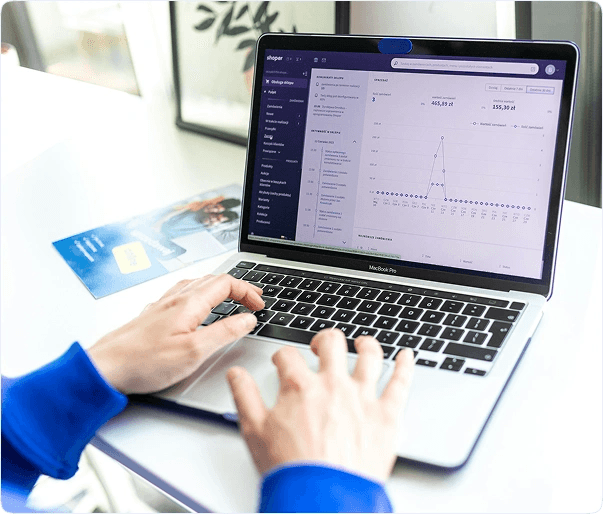
Experience how Procurement Resource transforms raw material price data into clear, decision ready intelligence. Optimise your performance with reliable, expert market data and analysis. Schedule your demo today to experience a live walk-through where our experts will showcase interactive price charts, forecasted prices, and insights driving the prices for your key commodities, tailored to your workflows. Contact us now!
Our Team will be happy to assist you
We are just a text away
Still Need Help ?
Subscription Plans
Unlock full access to Procurement Resource's price databases, interactive charts, and short-term forecasts for thousands of commodities. Elevate your sourcing decisions by comparing prices across regions, downloading historical data, and layering in analyst-backed insights, all with our flexible plans that scale as your portfolio grows.
Still have any Questions
Contact Us



Price Trend Dashboard - What's Included
Price trends across a diverse portfolio of categories amd products, spanning board to niche chemicas
Coverage extendable to grade-specific chemicals based on procurement requirements
Regular price tracking supported by robust historical datasets
News, policy updates, and key market drivers impacting price movements
Short-term and long-term price outlooks and forecasts
Supply–demand dynamics and capacity-driven market analysis
- Unlimited Users
- Historical Monthly Price
- USA, Europe, APAC Covered
- Monthly Forecast
- 12 Months validity
- News & Events
- 50 Products (Refer Next Page For List)
Why Procurement Database

Assistance from Experts
Throughout 2024, the Asian acetoin market experienced fluctuating trends with regional variations. Q1 began with moderate price increases driven by supply constraints from Chang Chun Plastics' maintenance shutdown in Taiwan. Post-S...

Client's Satisfaction
Throughout 2024, the Asian acetoin market experienced fluctuating trends with regional variations. Q1 began with moderate price increases driven by supply constraints from Chang Chun Plastics' maintenance shutdown in Taiwan. Post-S...

Assured Collaboration
Throughout 2024, the Asian acetoin market experienced fluctuating trends with regional variations. Q1 began with moderate price increases driven by supply constraints from Chang Chun Plastics' maintenance shutdown in Taiwan. Post-S...
Global Insights
Throughout 2024, the Asian acetoin market experienced fluctuating trends with regional variations. Q1 began with moderate price increases driven by supply constraints from Chang Chun Plastics' maintenance shutdown in Taiwan. Post-S...