Almond Oil Price Trend Analysis 2026: Historical Prices, Price Drivers, Latest News, Supply Demand Analysis & Market Insights
Almond Oil Price Trend Q4 2025
The almond oil market during the fourth quarter experienced upward pressure, driven primarily by significant challenges in the California almond harvest, which remains the dominant global supply source. Weather-related disruptions throughout the growing season, particularly episodes of heavy rainfall during the harvest window, caused notable delays and led to yield reductions. Early production estimates were revised downward as adverse conditions affected final output, with harvesting activity extending beyond typical seasonal timelines. While yield performance varied by region, some growing areas demonstrated relatively better resilience despite unfavorable weather.
Constrained raw material availability translated directly into higher feedstock costs for almond oil processors, as almond prices strengthened over the quarter. California almond quotations rose steadily from earlier levels in the year, while currency movements further elevated import costs in key consuming regions as the US dollar appreciated against major currencies. As a result, production economics were pressured by both limited feedstock availability and higher procurement expenses, tightening processor margins and lending support to finished almond oil prices.
Demand trends diverged across regions during the quarter. Markets in the Middle East and North Africa maintained firm purchasing activity, while consumption in Europe and Asia remained comparatively subdued amid broader macroeconomic and demand-side challenges. Import volumes across major consuming markets reflected these mixed conditions, with trade flows adjusting to a tighter supply landscape and elevated pricing environment.
Analyst Insight
According to Procurement Resource, looking ahead, almond oil prices are expected to remain firm as feedstock supply constraints persist and currency dynamics continue to support imports.
Related Report
Our Clients































Procurement Resource Database
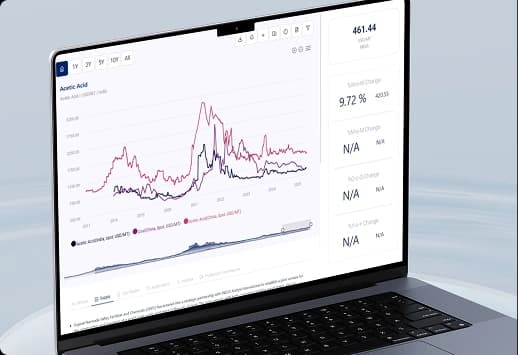
Turn price intelligence into action with the Procurement Resource Database. Log in or subscribe to unlock live price trends, historical charts, supplier databases, cost curves, and analyst-backed insights across chemicals, agriculture, energy, packaging, and more. Use these tools to benchmark your contracts, plan budgets with confidence, and stay ahead of market moves on every product you buy.
Almond Oil Dashboard Inclusions

0
+Products
0
+Regions
0
+Subscriptions
The almond oil market experienced mild downward pressure during the third quarter, primarily driven by substantial increases in upstream almond production and heightened import activity across key consuming regions. American almond production reached unprecedented levels during the harvest season. This abundance of raw material availability created favourable conditions for processors, though market participants remained cautious about inventory management given the scale of supply increases.
Import volumes into major consuming markets showed marked increases during the period as nations like India geared up for the festive season. This increased import activity contributed to elevated inventory levels across distribution centres. Market sentiment remained cautious as buyers adopted wait-and-see approaches, expecting further price adjustments. Traditional seasonal consumption patterns showed mixed signals, with some anticipating temporary demand increases during festival periods, though overall demand outlook remained tempered by substantial inventory overhang.
In the second quarter of 2025, prices for almond oil witnessed a slight decrease to a significant extent due to the California almond crop season. With crop conditions being healthy and covering a large area, market participants witnessed a consistent stream of raw almonds, which maintained a constant supply over the quarter. The initial part of the harvest forecast led to modest price stability. Trade operations were nonetheless marginally affected by the imposition of tariffs on major export markets. Since a large percentage of California almonds were for export, the imposition of tariffs created a climate of apprehension among overseas consumers. This led to restrained procurement, especially in price-sensitive markets. Locally, demand from the food and cosmetic sectors remained at an even rate, ensuring a level consumption rate regardless of the challenges outside.
Speculation regarding possible changes in production levels and trade interruptions caused trading volumes and buying decisions to fluctuate. Strong domestic availability, however, ensured that supply pressures were maintained at bay, resulting in range-bound movements with a downward bias during the quarter.
During the first quarter of 2025, almond oil prices resembled the oscillating price patterns in international almond markets. The almond sector was being driven by a combination of multiple factors like, oversupply pressures, redirection of trade, and inventory shelf life, etc., all of which pressured prices in both raw almonds and processed oil.
Early in the quarter, India saw a surge of American almond imports primarily because the US- China trade tensions diverted the shipments. This put bearish pressure on almond kernel prices as importers rushed to clear old inventory. Well-timed strategic stock-holding by large traders and a spike in container arrivals also further fueled this price correction phase, causing short-term weakness in the upstream almond segment.
Consequently, almond oil manufacturers were subject to mixed cost signals. The short-term relaxation of almond kernel prices in early Q1 provided some respite in raw material sourcing. Overall, a range –bound market outlook was observed for almond oil during the first quarter of 2025.
Analyst Insight
According to Procurement Resource, in the near term, shifts in international shipping patterns or tightening supplies from the major origins might be factors influencing almond oil prices. Downstream demand might also influence direction of prices if sourcing becomes tighter.
In 2024, the price trend of almond oil was significantly influenced by fluctuations in raw almond prices, which demonstrated varied behavior throughout the year. In the first half, almond prices remained largely range-bound due to inconsistent export performance and subdued global demand.
Although yields declined in major producing countries like Spain and growers faced financial strain from persistently low prices, market conditions overall reflected a subdued price environment. Despite the softness in raw almond prices, the cost of almond oil production remained relatively stable during the early months of 2024.
In the second half of the year, the arrival of the new almond crop led to a short-term decline in raw almond prices amid increasing supply. However, this downward trend was brief, as demand particularly from India during its wedding and festival seasons picked up, putting upward pressure on prices.
A rise in domestic consumption, coupled with reduced imports, further constrained supply and fostered a more optimistic pricing environment for almonds and, in turn, for almond oil. Downstream sectors such as food, cosmetics, and wellness continued to accommodate the price shifts, driven by sustained consumer interest in plant-based and nutrient-rich products.
Throughout the latter half of 2023, the almond oil market closely mirrored price patterns in the raw almond sector, particularly in the United States. In the third quarter, almond prices declined notably due to substantial carryover inventories from earlier harvests, which exerted consistent downward pressure as the new crop season approached.
Suppliers, eager to clear older stock before the fresh harvest, further contributed to prolonged weakness in pricing. This downward trend extended to the almond oil market, where lower input costs were observed. However, producers remained hesitant to reduce output volumes, given ongoing market uncertainty. As a result, almond oil prices followed a subdued trajectory during the early part of the period.
In contrast, the final quarter saw a shift in dynamics. Changes in shipping volumes and logistical challenges, driven by geopolitical tensions in key maritime routes, contributed to a rise in raw almond prices. This tightening in supply began to influence almond oil prices progressively, especially as buyers looked to replenish inventories ahead of year-end demand.
During this phase, almond oil prices gradually increased. Although the period began with weak fundamentals, improving shipping activity and rising raw material costs supported a more active trading environment by the close of the year.
Almond Oil is directly sourced from almonds through cold press extraction or oil milling processes. So, any fluctuations in almond markets are also mirrored in the Almond Oil markets.
During the first half of the year 2023, the Almond Oil prices were observed to be inclining for the majority of the period. The unseasonal weather changes in America, leading to drought and constricted water supplies, were the biggest detrimental factor for almond yields.
Initially, the demands from downstream cooking, health care, personal care, and pharma sectors were regular; however, with increasing inflation and Almond Oil prices, the demands also took a hit. However, the prices majorly wavered at the higher end of the price spectrum for most of the discussed period because of the limited supplies. Overall, positive market sentiments were observed for Almond Oil during the said period.
About Almond Oil
Almond oil is a natural, edible oil derived from almonds through cold pressing or oil extraction processes. It is known for its mild, nutty flavor and is widely used in culinary applications, personal care products, and as a carrier oil in aromatherapy. Almond oil is valued for its moisturizing and nourishing properties in skincare and haircare products and is considered a versatile, natural ingredient.
Almond Oil Product Detail
Cosmetics, Personal Care, Food and Beverages, Pharmaceuticals and Medicines, Aromatherapy
Liberty Vegetable Oil Company, AOS Products Private Limited, Ashwin Fine Chemicals & Pharmaceuticals, Caloy Quality Natural Oils, Proteco Oils, Jiangxi Xuesong Natural Medicinal Oil Co., Ltd.
Regional Coverage
Asia Pacific
Europe
North America
Latin America
Africa
CurrencyUS$ (Data can also be provided in local currency)
Supplier Database AvailabilityYes
Customization ScopeThe report can be customized as per the requirements of the customer
Post-Sale Analyst Support360-degree analyst support after report delivery
Note: Our supplier search experts can assist your procurement teams in compiling and validating a list of suppliers indicating they have products, services, and capabilities that meet your company's needs.
Almond Oil Production Process
- Almond Oil Production by cold pressing method
Cold pressing is employed to mechanically extract oils from source almond seeds
Our Price Analysis Methodology

Schedule A Demo
Experience how Procurement Resource transforms raw material price data into clear, decision ready intelligence. Optimise your performance with reliable, expert market data and analysis. Schedule your demo today to experience a live walk-through where our experts will showcase interactive price charts, forecasted prices, and insights driving the prices for your key commodities, tailored to your workflows. Contact us now!
Our Team will be happy to assist you
We are just a text away
Still Need Help ?
Subscription Plans
Unlock full access to Procurement Resource's price databases, interactive charts, and short-term forecasts for thousands of commodities. Elevate your sourcing decisions by comparing prices across regions, downloading historical data, and layering in analyst-backed insights, all with our flexible plans that scale as your portfolio grows.
Still have any Questions
Contact Us



Price Trend Dashboard - What's Included
Price trends across a diverse portfolio of categories amd products, spanning board to niche chemicas
Coverage extendable to grade-specific chemicals based on procurement requirements
Regular price tracking supported by robust historical datasets
News, policy updates, and key market drivers impacting price movements
Short-term and long-term price outlooks and forecasts
Supply–demand dynamics and capacity-driven market analysis
- Unlimited Users
- Historical Monthly Price
- USA, Europe, APAC Covered
- Monthly Forecast
- 12 Months validity
- News & Events
- 50 Products (Refer Next Page For List)
Why Procurement Database

Assistance from Experts
Throughout 2024, the Asian acetoin market experienced fluctuating trends with regional variations. Q1 began with moderate price increases driven by supply constraints from Chang Chun Plastics' maintenance shutdown in Taiwan. Post-S...

Client's Satisfaction
Throughout 2024, the Asian acetoin market experienced fluctuating trends with regional variations. Q1 began with moderate price increases driven by supply constraints from Chang Chun Plastics' maintenance shutdown in Taiwan. Post-S...

Assured Collaboration
Throughout 2024, the Asian acetoin market experienced fluctuating trends with regional variations. Q1 began with moderate price increases driven by supply constraints from Chang Chun Plastics' maintenance shutdown in Taiwan. Post-S...
Global Insights
Throughout 2024, the Asian acetoin market experienced fluctuating trends with regional variations. Q1 began with moderate price increases driven by supply constraints from Chang Chun Plastics' maintenance shutdown in Taiwan. Post-S...