Aluminium Alloy Ingot Price Trend Analysis 2026: Market Insights, Historical Prices, Price Drivers, Supply Demand Analysis & Latest News
Aluminium Alloy Ingot Price Trend Q1 2026
- Aluminium Alloy Ingot prices followed a firm global trend in Q1’26, supported by supply disruption fears, low inventories, and constrained global aluminium output growth.
- Feedstock pressure remained strong as aluminium prices in China increased by about 4%, while concerns over Gulf raw material flows intensified supply risk sentiment.
- Downstream demand stayed healthy from automotive components, die-casting, construction, photovoltaics, energy storage, machinery, and infrastructure applications.
Asia
During Q1’26, Aluminium Alloy Ingot prices in Asia moved upward due to firm feedstock trends and geopolitical supply concerns. In China, aluminium feedstock prices increased by approximately 4% during the quarter as low inventories, production caps, and stronger demand from new energy vehicles, photovoltaics, energy storage, and computing applications supported market sentiment. India also witnessed feedstock gains of nearly 4.3% due to the same global supply-risk concerns and steady regional industrial demand. Market sentiment strengthened further after the Iran conflict raised concerns over shipments through the Strait of Hormuz, a critical route for Gulf aluminium exports and raw material imports. The Gulf region contributes nearly one-fourth of the global primary aluminium supply, increasing concern over regional availability. Demand from automotive die-casting, industrial machinery, electrical equipment, and construction-related applications remained steady throughout the quarter.
Europe
During Q1’26, Aluminium Alloy Ingot prices in Europe remained firm as buyers faced higher supply-risk premiums and elevated replacement costs. Aluminium feedstock pressure intensified because Europe remained dependent on imported primary metal and alloy inputs. Concerns over Gulf supply disruptions, logistical delays, and tighter raw material availability supported regional firmness. Demand from automotive manufacturing, industrial equipment, aerospace, packaging, and renewable energy infrastructure remained stable, although high production costs and cautious procurement behaviour limited stronger market gains.
North America
During Q1’26, Aluminium Alloy Ingot prices in North America stayed supported by stronger overseas premiums, tighter global availability, and low international inventories. Aluminium feedstock gains and higher logistics costs supported domestic sentiment, while downstream demand from automotive casting, electrical infrastructure, aerospace, transportation, and industrial manufacturing remained healthy. Although the region was less directly exposed to Gulf primary metal flows, global supply tightness and elevated freight costs continued supporting the market.
Analyst Insight
According to Procurement Resource, Aluminium Alloy Ingot prices are expected to remain firm as supply risks tied to the Strait of Hormuz and low inventories continue supporting market sentiment, though cautious downstream purchasing may moderate sharper gains.
Related Report
Our Clients































Procurement Resource Database
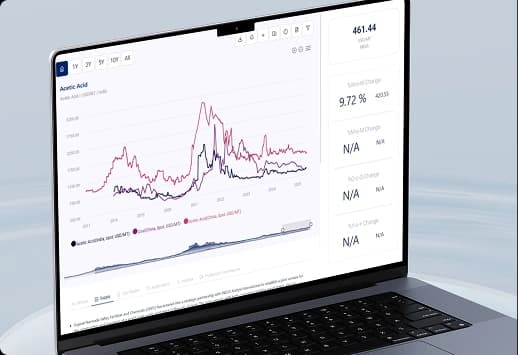
Turn price intelligence into action with the Procurement Resource Database. Log in or subscribe to unlock live price trends, historical charts, supplier databases, cost curves, and analyst-backed insights across chemicals, agriculture, energy, packaging, and more. Use these tools to benchmark your contracts, plan budgets with confidence, and stay ahead of market moves on every product you buy.
Aluminium Alloy Ingot Dashboard Inclusions

0
+Products
0
+Regions
0
+Subscriptions
Asia
The Aluminium Alloy Ingot prices in Asia experienced mixed and generally firm trends during the fourth quarter of 2025. In October, prices were supported by the high prices of primary aluminium on the Shanghai Futures Exchange and the ongoing process of destocking of aluminium ingots.The troubles experienced in the production processes in overseas smelters, including the one owned by Century Aluminum in Iceland, also contributed to the positive sentiments in the Asian market. For this reason, the prices of aluminium alloys were forced to move in the direction of the prices experienced in the primary market.
During November, prices were more volatile compared to the previous month. For example, although inventories were sometimes lower and the sentiment to buy was slightly better, the overall downstream markets in countries such as Japan were weak. For this reason, the quarterly premium for imported aluminium to Japan fell sharply. By December, prices were volatile at high levels. For example, scrap supply was tight and therefore supported the cost to secondary aluminium alloy producers. However, downstream markets became cautious due to price volatility.
Europe
In the European market for Aluminium Alloy Ingots, prices were firm in early Q4 before stabilising. Supply issues in the broader aluminium industry, including production issues and energy-related issues, were positive for the market in October. There were also discussions about supply issues on a global scale, including discussions about cutting back on supply from certain smelters.
Demand from the automotive and construction sectors was steady. However, as the quarter progressed, there were signs that demand was being carefully managed, especially given that the market was entering the off-season. While premiums in Rotterdam had been strengthened in advance of the new carbon rules due to low inventories and the front-loading of shipments, there were also concerns that this could lead to surplus in the future. By December, prices in the alloy market were largely static.
North America
In North America, Aluminium Alloy Ingot prices were affected by strong primary aluminium values and import tariffs. High import tariffs reduced supply, thereby supporting Aluminium Alloy Ingot prices in October. Market sources indicated firm replacement costs for imported material.
However, demand was only slightly stronger. In November and December, Aluminium Alloy Ingot prices traded at historically high and volatile levels. Buyers did not actively build stocks, preferring to meet immediate requirements. Scrap supply was tight, thereby supporting secondary aluminium alloy values. However, the Aluminium Alloy Ingot market was seen to be resistant to these levels.
Asia
In Asia, aluminium alloy ingot prices showed mixed trends during Q3’25. In China, prices moved slightly higher due to a small drop in inventory and limited scrap availability. Supply stayed tight as raw materials were harder to find, especially scrap aluminium, which increased production costs. Policy changes such as the removal of tax rebates and added taxes also raised costs for producers, pushing prices up. However, demand stayed weak due to the usual summer slowdown.
In Taiwan, tight scrap supply and rising local demand from restocking activities supported prices. Hot weather and stricter environmental rules reduced recycling activity, leading to less available material. In Japan, the trend was a bit different the prices declined steadily. Stable import supply, cheaper freight, and no major disruptions helped bring prices down, even though some cost pressures remained.
Europe
In Europe, aluminium alloy ingot prices remained largely stable but were affected by global trade tensions and cost pressures. The region saw no major supply shocks, but producers faced rising production costs due to high energy and raw material prices. Demand stayed moderate, with key industries like automotive and construction moving slowly during the summer months. Concerns around U.S. tariffs on European aluminium products also added uncertainty. This led to cautious buying, with many traders avoiding large orders and waiting for more clarity. Overall, prices remained supported but did not show much upward momentum.
North America
In North America, the aluminium alloy ingot market faced stronger upward pressure due to increased tariffs and supply challenges. The U.S. government expanded tariffs on many aluminium-related products, making imports more expensive. Domestic producers saw a slight boost in demand, but they also struggled with high input costs and limited access to scrap material. Buyers became more cautious, and inventory levels stayed low. As a result, prices were firm, but trading remained slow due to policy uncertainty and seasonal demand weakness.
Analyst Insight
According to Procurement Resource, Aluminium Alloy Ingot prices may stay firm in the near term due to tight supply and high costs, but demand needs to improve for prices to rise further.
Asia
In the first half of 2025, aluminium alloy ingot prices in China remained largely rangebound, facing persistent pressure from weak downstream demand. Despite the post-Lunar New Year resumption of production across upstream and downstream sectors, the expected recovery in consumption did not materialise. This resulted in growing inventories at production sites and warehouses. Although raw material costs, offered some cost-side support, the oversupply situation continued to weigh on market sentiment.
Price movements were largely limited, with fluctuations driven more by short-term scrap supply constraints than by demand recovery. The raw material shortages and regional environmental inspections kept many secondary smelters operating at subdued rates. Market activity remained sluggish, with some producers even cutting prices despite rising primary aluminium levels. Overall, the price trend was flat with minor ups and downs, reflecting a cautious market.
Europe
In Europe, particularly Germany, aluminium alloy ingot prices held steady throughout the first half of 2025. The region continued to grapple with a weak downstream market, especially in automotive and construction sectors, limiting buying interest. Production levels remained restrained as recyclers faced squeezed profit margins and difficulties in securing quality aluminium. These challenges led to structural shifts, such as Hydro’s closures of facilities in the UK and France, indicating a deeper issue in the region’s recycling profitability.
Even though costs for primary inputs showed some volatility, they weren’t enough to trigger significant price changes in the alloy ingot market. The subdued state of demand, coupled with high energy and logistics costs, kept European prices largely stagnant.
North America
In North America, the aluminium alloy ingot market experienced volatility due to shifting trade policies and tariffs. The reintroduction of broad-based tariffs on Canadian, Mexican, and Chinese metal products including aluminium disrupted supply chains and triggered uncertainty. Buyers adopted a cautious stance, and many rushed to secure Q2 volumes in advance of price hikes.
However, the tariff-driven cost pressures were not matched by robust demand, which remained soft across key sectors like automotive and infrastructure. The market displayed short-term price spikes, especially in March, but these were followed by periods of hesitation as stakeholders waited for further clarity on trade exemptions and scrap policy adjustments.
Asia
In the fourth quarter of 2024, the Asian Aluminium Alloy Ingot market displayed notable volatility, particularly in China. After experiencing significant price appreciation in early November, the market stabilized in December with prices remaining range-bound. This stabilization came after months of rapid price hikes, reflecting changing market fundamentals.
China's decision to cancel export tax rebates on Aluminium products from December significantly impacted market dynamics. The downstream demand showed signs of moderation, while inventory levels demonstrated healthy destocking activity throughout the quarter. Indonesia's strategic move to develop its Aluminium industry, from bauxite to billets, also influenced regional market sentiment.
Europe
The European market for Aluminium Alloy Ingot maintained strong momentum throughout Q4'24, despite facing multiple challenges. Supply chain disruptions, particularly from Guinea's bauxite sector, created upward pressure on prices. The market was further influenced by escalating production costs, primarily driven by rising electricity prices. Labor cost concerns, particularly in Germany where public sector workers demanded significant wage increases, added to the production cost pressures. However, major producers like Norsk Hydro demonstrated robust financial performance, indicating healthy market conditions despite these challenges.
North America
North American Aluminium Alloy Ingot prices showed resilience in Q4'24, supported by strong domestic demand and policy measures. The implementation of tariffs on Chinese imports contributed to price strengthening in the regional market. The closure of the General Aluminium facility in Conneaut created some supply tightness in specific market segments. The market benefited from government initiatives supporting domestic critical mineral production, while major producers like Alcoa reported strong financial results, particularly benefiting from high alumina prices.
Asia
In the Asian countries, particularly China saw more resilient performance in the Aluminium Alloy Ingot market. While production levels fluctuated due to inventory changes in key regions demand remained robust, particularly in the automobile and real estate sectors. Despite challenges like rising freight costs and regulatory hurdles, the market maintained positive momentum.
The manufacturing sector showed a steady performance, and the market was supported by increased downstream consumption as companies restocked ahead of key holiday periods. China's competitive automotive industry continued to drive demand for aluminium alloys, contributing to the market's resilience during this period.
Europe
In European countries, especially Germany, similarly, experienced downward pressure on Aluminium Alloy Ingot prices. High energy costs and economic challenges impacted production, particularly in recycled aluminium, which is critical to Europe's decarbonization initiatives. This caused a significant drop in domestic output. The automotive and construction sectors, both key consumers of aluminium alloy ingots, saw weakened demand, further amplifying the price decline. Additionally, supply chain disruptions, particularly in shipping routes through the Western Mediterranean, compounded the market difficulties. As a result, prices continued to fall as the industrial sector struggled to maintain momentum amid these economic pressures.
North America
In the United States, Aluminium Alloy Ingot prices declined due to an influx of imports from India, which caused a buildup of inventories. The reduced ocean shipping costs made it easier for Indian suppliers to compete, leading to a surplus in the domestic market. Additionally, the U.S. government's tariffs on Chinese imports further reshaped the market, aiming to reduce reliance on China. The automotive sector faced challenges, with mixed sales performance adding to the cautious market sentiment. Moreover, the manufacturing sector showed a decline, reflecting reduced demand for industrial metals, including aluminium alloy ingots. This drop-in activity was a significant factor in driving down prices throughout the quarter.
Asia
The pricing pattern of aluminium alloy ingot during the second quarter of 2024 was shaped by several key market drivers. The Asian market, however, showcased a trend exactly opposite to what was observed in the rest of the world. The aluminium alloy ingot prices here declined gradually in Q2’24 as the market drivers failed to extend the required support.
The major setback came from the dull demand from downstream real estate and automotive industries. The excessive production and supply ahead of the Dragon Boat Festival further escalated the downward movement. The concerns of traders were also fueled by increased tariffs on aluminium by the US and European Union, limiting the profits obtained through exports and supporting the southward movement of aluminium alloy ingot prices.
Europe
In European countries, particularly Germany, the aluminium alloy ingot prices increased only marginally through late April, aligning with the balanced outlook of the market around the globe despite the disruptions in trading activities and the bleak outlook of the construction sector. However, by the early phase of the next month, prices inclined further on the back of limited supply of raw materials, extended lead times, and significant surge in the cost of energy production along with shipping from China and East Asian countries. However, the supply pressure was slightly warned off by only the modest demand from downstream manufacturing and automotive industries. However, as compared to the previous months, this quarter was still able to showcase noticeable gains in aluminium alloy ingot price trend.
North America
In North America, during the second quarter, the aluminium alloy ingot prices registered a stable trend during the initial phase of the quarter; however, they fluctuated a little towards the end of it. The initial balance of the market was favored by the striking equilibrium of the supply and demand sectors of the market.
This was, in turn, driven by the increased consumption of domestic produce amid a limited influx of Asian imports due to a substantial increase in the percentage of tariffs imposed. However, as the quarter approached its termination, the scarcity of bauxite, escalated by reduced exports from Guinea during the rainy season, elevated freight costs, and alumina export issues at Rio Tinto of Australia. Further, this struggle of supply and demand sectors was additionally intensified by the surge in the procurement of aluminium alloy ingot from the automotive industries, raising the quotations of aluminium alloy ingot prices.
Asia
In the Chinese market, aluminum alloy ingot prices have demonstrated resilience, maintaining stability despite a significant surge in alumina prices. The surge in alumina prices was attributed to disrupted bauxite transportation from Guinea following a deadly explosion at a fuel depot that resulted in potential production cuts and supply shortages.
The stable aluminum alloy ingot prices amidst fluctuating alumina prices indicate a balanced market dynamic, possibly influenced by factors such as ample inventory stocks and stable downstream demand from manufacturing sectors. This stability is beneficial for market participants, providing them with a sense of predictability in pricing and supply chain management strategies amidst the volatile raw material prices.
Europe
In the first quarter of 2024, the European aluminum alloy ingot market experienced fluctuations due to various trade-related uncertainties, starting off on a weak note but showing improvement later. This was influenced by potential interest rate cuts and policy injections in China. Moreover, concerns regarding supply disruptions stemming from potential EU sanctions on Russian aluminum and disruptions in Guinea played a role in shaping market conditions.
Throughout this period, the price of aluminum alloy ingots in Europe remained within a certain range, maintaining stability. The closure of a significant smelter in the US also had an impact on the market, affecting supply dynamics. Looking ahead, challenges related to oversupply are anticipated, particularly with China ramping up production. However, industries within Europe, such as renewables and new energy vehicles, are expected to help consume some of this surplus stock.
North America
In the initial quarter of 2024, the US aluminum alloy ingot market experienced a range of trends, reflecting uncertainties in the global economy. The period commenced with subdued pricing, influenced by various macroeconomic factors and geopolitical tensions. However, as the quarter progressed, there was a slight improvement in market sentiment, driven by expectations of monetary policy support and liquidity injections.
Additionally, concerns over potential supply disruptions, particularly related to sanctions on Russian aluminum and disruptions in bauxite supply from Guinea, impacted market dynamics. The closure of a significant smelter in Marston, Missouri, further impacted the market, leading to a reduction in national aluminum production capacity. This closure, combined with global supply chain disruptions, contributed to market volatility.
| Product | Category | Region | Price | Last Updated Month |
| Aluminum Alloy Ingot | Energy, Metals and Minerals | Asia | USD 3500/MT | Dec' 2023 |
Stay updated with the latest Aluminum Alloy Ingot prices, historical data, and tailored regional analysis
Asia
The fourth quarter of 2023 followed the same trail set up by the previous quarters of 2023. China experienced a shortage of bauxite supplies and thus the rates of export declined during the quarter, hampering the aluminium alloy ingot price trend. However, there was a slight upturn in the trend, too, which was based on the rise in the cost of electricity and energy production and the restricted supply of raw materials.
Europe
In the last quarter, the aluminium alloy ingot prices were stable as the equilibria of demand and supply were balanced. However, in the fourth quarter, the European Union announced additional sanctions on the import of aluminium-related goods, such as aluminium alloy ingot from Russia, which are crucial for the Russian economy amid the persistent tensions between Russia and Ukraine. The automotive and aerospace industries, on the other hand, raised their appetite for aluminium alloy ingot and thus given the circumstances, the aluminium alloy ingot price trend fluctuated.
North America
In the fourth quarter of 2023, the US GDP showed a significant rise, and this positive movement helped in the rise of the demand for aluminium alloy ingot along with other base metals from the construction, industrial production, and retail sectors. Another factor that supported the US treasury was the steep fall in the prices of crude oil, which lowered the cost of production in the region and helped the manufacturers overcome the obstacles of heightened interest rates as they increased their production activities.
Asia
In the initial phase of the third quarter, the aluminium alloy ingot price trend moved with the optimistic approach of the construction and automotive sectors. However, soon, the cautious approach adopted by the overseas players while the rates of production overpowered the demand caused the inventory levels to shoot up and thus resulted in poor trading activities. After the initial downfall, during the rest of the quarter, despite several efforts of government, the demand remained in the negative zone, further affecting the price trend of aluminium alloy ingot.
Europe
The European countries suffered from the disruptions caused by the adverse weather conditions, which resulted in the lowering of construction and manufacturing activities. Further, the consumption of consumers was also hampered by the poor performance of the European economy and consistently increasing rates of interest. Within the end months of this quarter, the prices improved with the help of improvement in the construction and automotive sector demands and strict government policies.
North America
In the first months of the third quarter, the excess supply from the Asia Pacific countries and increasing levels of inventories proved to be a challenge for the growth of aluminium alloy ingot price trend. The end-user industries hesitated in placing a large number of orders, depleted demand for aluminium alloy ingot. During the middle of the quarter, the trend experienced some stability, but soon, due to plunging economic conditions and consistently falling demand, the prices of aluminium alloy ingot experienced a downfall.
Asia
The Asia-Pacific market witnessed stability in the prices of aluminium alloy ingot in the first quarter of 2023 as the level of inventories and demand for the product maintained a perfect balance. But soon enough, due to the sliding rates of production, the rising level of inventories, and the fall in the prices of aluminium scrap, the price trend of aluminium alloy ingot struggled to maintain its momentum.
In the second quarter, the aluminium alloy ingot market faced challenges from the sluggish demand and high cost of import materials. The overseas market, however, showcased some positive sentiments, but the restricted supply led to a fall in the prices of aluminium alloy ingot.
Europe
In the first quarter of 2023, the price trend of aluminium alloy ingot was stabilized with support from the slow supply to balance the demand from the end-user industries. The demand from Asian countries also inclined after a long holiday season. Thus, the price trend of aluminium alloy ingot surged in the second quarter.
In addition to these factors, the price trend was also supported by the restricted supply and strong demand from the downstream industries. But the financial constraints from the US banking crises and low consumption in the North American states restricted the growth of the aluminium alloy ingot price trend.
North America
The first quarter of 2023 proved to be positive in terms of the prices of aluminium alloy ingot as the demand from Chinese sectors and the imposition of sanctions on Russian imports supported the aluminium alloy ingot market. However, in the second quarter, the price trend stabilized due to fluctuations in the labor market and low procurement of products by the buyers. The supply and demand equilibrium struggled throughout the quarter to maintain its momentum, and the rising inflation along with ongoing financial crises proved to be a huge block in the upward movement of the prices of aluminium alloy ingot.
About Aluminium Alloy Ingot
A solidified and ingot shaped blend of aluminium with other elements results in aluminium alloy ingot. The process of melting and casting is employed in the manufacturing of this alloy. The alloy has high strength, corrosion resistance, and lightweight. It is thus extensively used in industries such as automotive, aerospace, construction, and electronics for creating a wide range of products, from vehicle components to architectural materials, owing to their versatility and ability to be tailored to meet various application requirements.
Aluminium Alloy Ingot Product Detail
Hs Code
76012010
Cas Number
7429-90-5
Industrial Uses
Automotive industry, Aerospace industry, Medical devices, Energy industry, Railway and transportation, Marine industry
Supplier Database
Alcoa Inc., Rio Tinto Group, Aluminium Corporation of China Limited, RUSAL Plc, Norsk Hydro ASA
Regional Coverage
Asia Pacific
China, India, Indonesia, Pakistan, Bangladesh, Japan, Philippines, Vietnam, Iran, Thailand, South Korea, Iraq, Saudi Arabia, Malaysia, Nepal, Taiwan, Sri Lanka, UAE, Israel, Hongkong, Singapore, Oman, Kuwait, Qatar, Australia, and New Zealand
Europe
Germany, France, United Kingdom, Italy,Spain, Russia, Turkey, Netherlands, Poland, Sweden, Belgium, Austria, Ireland Switzerland, Norway, Denmark, Romania, Finland, Czech Republic, Portugal and Greece
North America
United States and Canada
Latin America
Brazil, Mexico, Argentina, Columbia, Chile, Ecuador, and Peru
Africa
South Africa, Nigeria, Egypt, Algeria, Morocco
CurrencyUS$ (Data can also be provided in local currency)
Supplier Database AvailabilityYes
Customization ScopeThe report can be customized as per the requirements of the customer
Post-Sale Analyst Support360-degree analyst support after report delivery
Note: Our supplier search experts can assist your procurement teams in compiling and validating a list of suppliers indicating they have products, services, and capabilities that meet your company's needs.
Aluminium Alloy Ingot Production Processes
In this multi-step process, the batching of raw materials is carried out which is then subjected to melting, slag removal, and sampling. The product obtained is then mixed with other metals in accordance with the alloy composition. In the last steps, the raw product is refined and casted onto ingots to finally give the final product.
Our Price Analysis Methodology
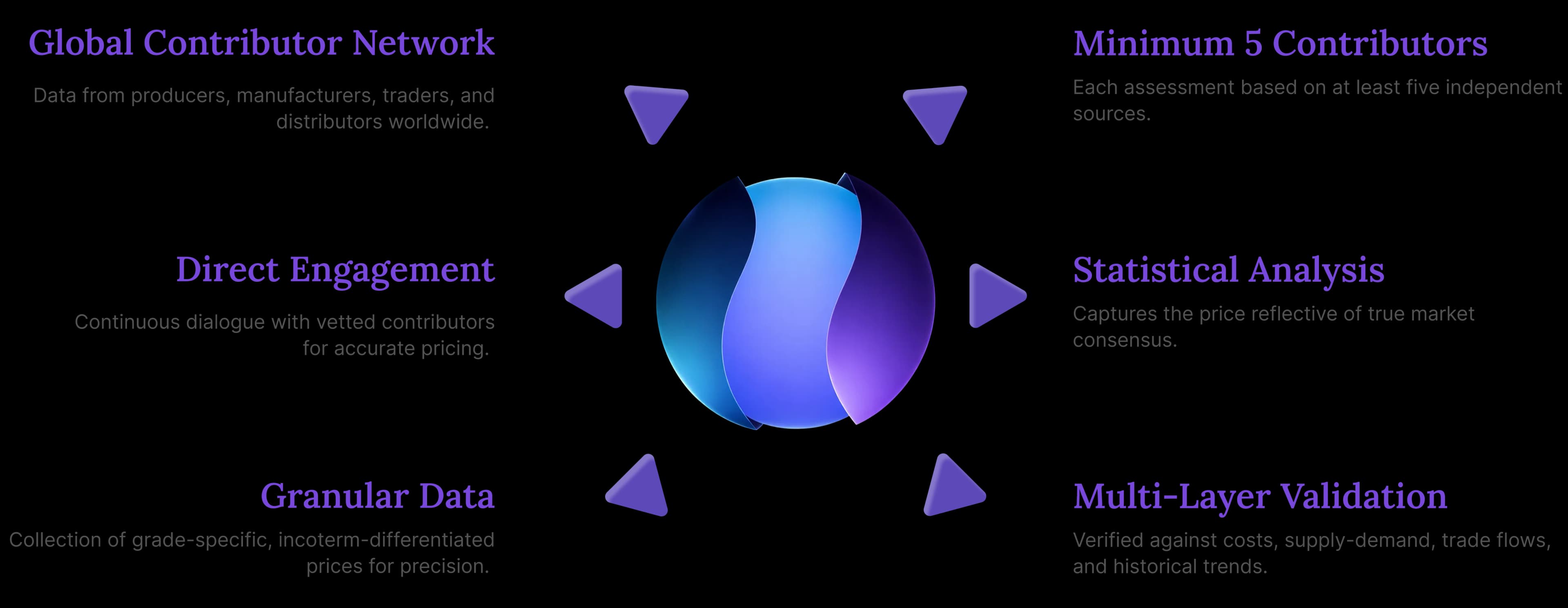
Schedule A Demo
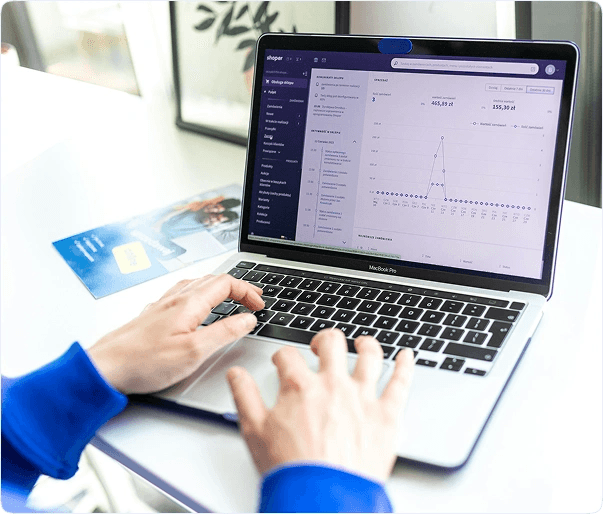
Experience how Procurement Resource transforms raw material price data into clear, decision ready intelligence. Optimise your performance with reliable, expert market data and analysis. Schedule your demo today to experience a live walk-through where our experts will showcase interactive price charts, forecasted prices, and insights driving the prices for your key commodities, tailored to your workflows. Contact us now!
Our Team will be happy to assist you
We are just a text away
Still Need Help ?
Subscription Plans
Unlock full access to Procurement Resource's price databases, interactive charts, and short-term forecasts for thousands of commodities. Elevate your sourcing decisions by comparing prices across regions, downloading historical data, and layering in analyst-backed insights, all with our flexible plans that scale as your portfolio grows.
Still have any Questions
Contact Us



Price Trend Dashboard - What's Included
Price trends across a diverse portfolio of categories amd products, spanning board to niche chemicas
Coverage extendable to grade-specific chemicals based on procurement requirements
Regular price tracking supported by robust historical datasets
News, policy updates, and key market drivers impacting price movements
Short-term and long-term price outlooks and forecasts
Supply–demand dynamics and capacity-driven market analysis
- Unlimited Users
- Historical Monthly Price
- USA, Europe, APAC Covered
- Monthly Forecast
- 12 Months validity
- News & Events
- 50 Products (Refer Next Page For List)
Why Procurement Database

Assistance from Experts
Throughout 2024, the Asian acetoin market experienced fluctuating trends with regional variations. Q1 began with moderate price increases driven by supply constraints from Chang Chun Plastics' maintenance shutdown in Taiwan. Post-S...

Client's Satisfaction
Throughout 2024, the Asian acetoin market experienced fluctuating trends with regional variations. Q1 began with moderate price increases driven by supply constraints from Chang Chun Plastics' maintenance shutdown in Taiwan. Post-S...

Assured Collaboration
Throughout 2024, the Asian acetoin market experienced fluctuating trends with regional variations. Q1 began with moderate price increases driven by supply constraints from Chang Chun Plastics' maintenance shutdown in Taiwan. Post-S...
Global Insights
Throughout 2024, the Asian acetoin market experienced fluctuating trends with regional variations. Q1 began with moderate price increases driven by supply constraints from Chang Chun Plastics' maintenance shutdown in Taiwan. Post-S...
1/4