Aluminium Can Price Trend Analysis 2026: Price Drivers, Historical Prices, Supply Demand Analysis, Market Insights & Latest News
Aluminium Can Price Q4 2025
The global market for Aluminium Cans experienced progressive appreciation throughout the fourth quarter, closely tracking movements in feedstock aluminium prices. The opening period witnessed gradual strengthening as upstream raw material costs began ascending from their early-quarter levels, creating upward pressure on production economics for can manufacturers. Supply availability remained moderate as primary metal markets tightened due to capacity constraints and elevated energy costs affecting smelter operations.
Mid-quarter developments brought temporary volatility as feedstock values spiked briefly before correcting, though this softening proved short-lived as underlying supply-demand fundamentals remained supportive. Demand from beverage packaging sectors maintained steady consumption patterns, with carbonated soft drinks, beer, and ready-to-drink products sustaining baseline requirements. Seasonal purchasing activity from beverage producers ahead of anticipated demand periods provided additional support.
The latter portion of the quarter witnessed accelerated momentum as raw material costs entered a sustained upward trajectory. Supply constraints in upstream markets, combined with declining inventory levels and approaching capacity limitations in key producing regions, supported progressive price increases. Manufacturers passed through higher input costs to downstream buyers as production economics tightened.
Trade activity reflected these firming conditions, with procurement volumes remaining stable despite elevated pricing levels. Year-end conditions showed continued strength as can producers navigated elevated feedstock costs and maintained operational output to meet packaging demand.
Related Report
Our Clients































Procurement Resource Database
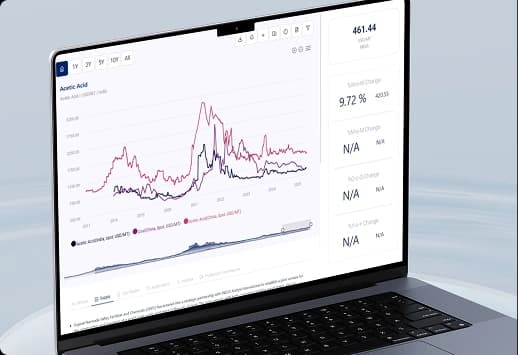
Turn price intelligence into action with the Procurement Resource Database. Log in or subscribe to unlock live price trends, historical charts, supplier databases, cost curves, and analyst-backed insights across chemicals, agriculture, energy, packaging, and more. Use these tools to benchmark your contracts, plan budgets with confidence, and stay ahead of market moves on every product you buy.
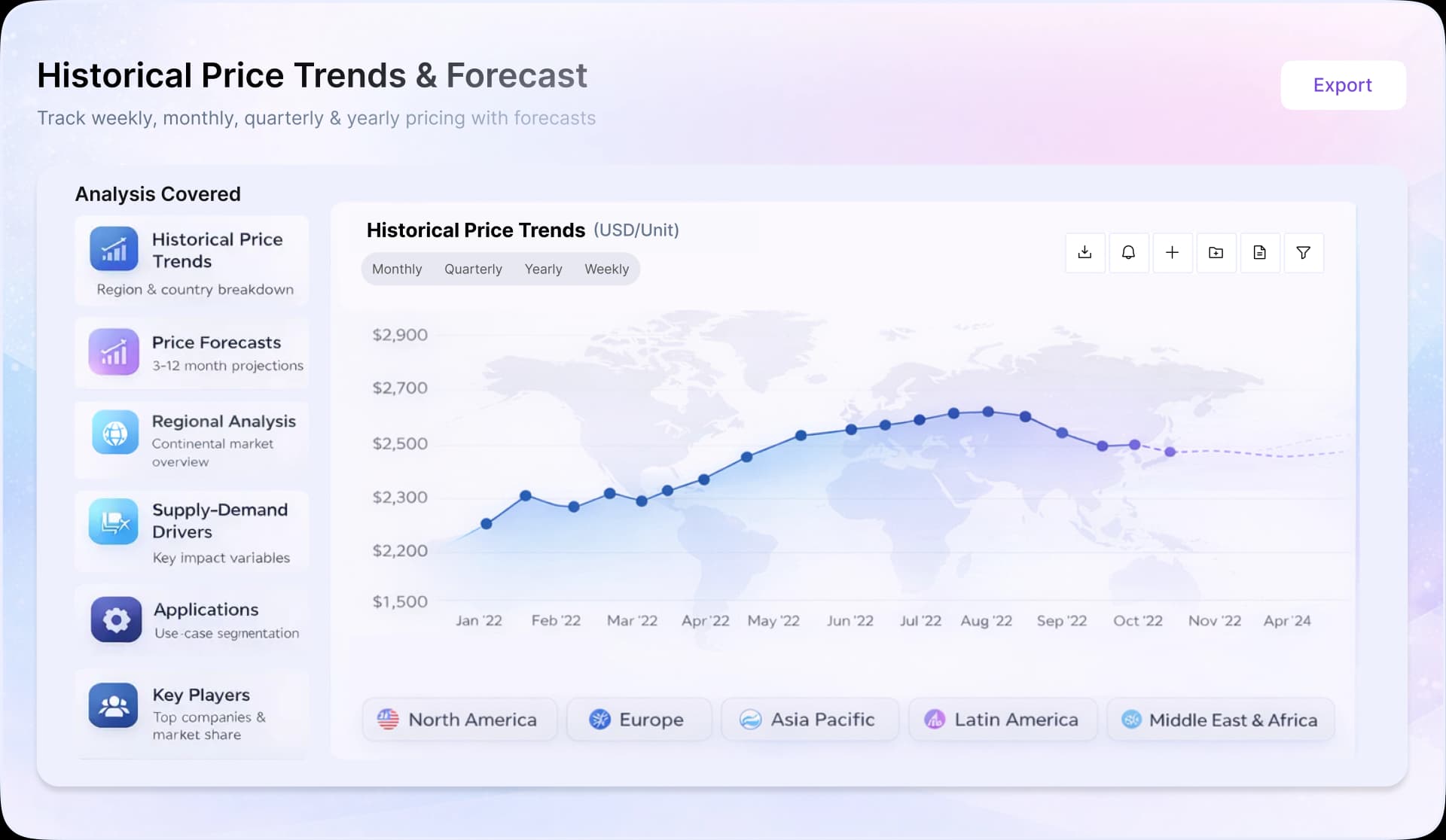
Aluminium Can Dashboard Inclusions
0
+Products
0
+Regions
0
+Subscriptions
Aluminium can price graph continued to witness mixed trends during the third quarter of 2025. The upstream aluminium market fluctuated within a narrow range in China. Consistency in raw material costs, supported by alumina oversupply and steady smelter operations, maintained predictable input pricing for can manufacturers. Production levels improved as replacement capacities resumed, ensuring a reliable supply of can body stock.
Downstream applications played a central role in sustaining demand. Beverage packaging remained the dominant consumer segment, with steady orders from soft drink, energy drink, and ready-to-drink categories. Seasonal restocking by bottlers and packaging companies supported procurement, while the food and personal care sectors maintained stable offtake. Demand from the aerosol and pharmaceutical packaging industries also contributed to consistent purchasing, though at moderate volumes. Overall, aluminium can prices held firm through the quarter amid steady supply conditions and dependable downstream demand.
During Q2 2025, the aluminium can market witnessed mixed trends mainly influenced by movements in feedstock aluminium prices and international trade. To begin with, aluminium can prices eased initially in the quarter on account of supply chain disruptions and changing tariff policies affecting cross-border trade. The fall in aluminium prices during this time was mostly a reaction to the uncertainty of the trade barriers and the conditions of import/export, which was having a ripple effect on the price of aluminium cans.
As the quarter progressed, aluminium can prices rebounded, primarily because of better domestic consumption, especially in major markets that used aluminium cans as packaging for beverages. Even though the market was influenced by external factors, such as ongoing trade tensions and unstable energy prices, demand rebounded significantly. This was most apparent in sectors like the production of beverages, where packaging demand was strong despite global pressure.
The rebound in aluminium feedstock prices also ensured stabilization of the aluminium cans market, as chains of supply adapted to the changes. Consequently, the market experienced a consistent rise in prices towards the end of the quarter, as it reflected improving conditions within both the domestic and foreign markets.
During Q1 2025, the aluminium can market experienced volatility led by changes in primary aluminium prices. In China, prices initially dropped because of low demand and steady production, leading to a conservative strategy on the part of can manufacturers. Beverage manufacturers, which form one of the larger segments of aluminium can consumption, restrained buying amid the seasonally low demand.
The curtailment of restocking activities appeared across both food and beverage packaging segments. Halfway through the quarter, prices for aluminium went up, fueled by dwindling supply and decreasing inventories. This increase put added pressure on the cost of production, particularly for converters that did not have long-term price contracts. While demand from canned food and ready-to-drink beverages stayed consistent, increased input costs prompted converters to take a cautious approach to buying.
By quarter-end, aluminium prices relaxed, providing some relief to the market. Nevertheless, cost pressures and volatile pricing trends maintained weaker sentiments. Aluminium cans remained in steady demand in carbonated drinks, alcoholic beverages, and canned water, sustaining demand despite market caution.
Aluminium cans are produced using aluminium sheets and are heavily consumed by the beverage and packaging industries for various downstream applications, mainly as packaging materials. So, the market behavior of the aluminium can industry relies majorly on the metal aluminium prices and the purchasing patterns of the consumer industries. During the second half of the year 2023, the prices were observed to be oscillating for the entire period.
The summer months of the third quarter still saw a higher consumption compared to the fourth quarter which prompted a better market performance during this time. However, a glutted inventory situation and dull demands pulled the prices back down in the following quarter. Overall, a dull market performance was witnessed for aluminium cans in H2’23.
The price trend of aluminium can was most affected by its raw material, i.e., aluminium sheets. The aluminium sheet market in H1’23 followed a downward trajectory in the Asian Pacific market. The decline was supported by the weak demand from the downstream construction industries in the first quarter of 2023.
The market improved slightly in the mid-quarter as the downstream industries started recovering with improving market dynamics but soon the trend bounced back to its previous course and declined gradually throughout the second quarter of 2023.
A similar trajectory was seen in the European region. The supply from Russian traders declined as a direct consequence of the ongoing Russia-Ukraine war, which forced the manufacturers to reduce their production rates, which negatively impacted the aluminium can price trend in the first quarter.
The market, however, improved significantly in the second quarter, with a recovery in the downstream automobile market. In the US domestic market, the reduced number of offtakes, weak demand, and soaring input costs due to rising inflation rates led to the decline in aluminium can prices. But the region regained its speed in the second quarter of 2023; the automotive industry, along with electric vehicles, improved its sales numbers, and with the stacking number of new orders, the market got back on track.
Globally a declining trend was recorded in the prices of aluminium cans for the second half of 2022. A decrease in consumer demand coupled with the falling feedstock aluminium prices negatively impacted the price trend.
The Chinese lockdown pushed people to stay home for a very long period, affecting their consumption patterns which along with power rationing and industrial shutdowns led to a fall in demand and thus, the prices. Even with the low availability no significant impact was made on the aluminium can prices as the previous high prices led to the phenomenon of demand destruction in the market.
Europe amid the Russia-Ukraine war struggled with an acute energy crisis and runaway inflation which had a serious impact on the purchasing power of people. As the costs of living took a high hit, consumption of aluminium cans went the other way, plummeting the aluminium can price further. North American region too registered a low demand and fluctuating price trend for aluminium cans.
Owing to the trade bottlenecks, geopolitical sanctions, surging crude oil prices and abnormal inflation levels, the price of aluminium cans has been rising steadily throughout the first half of the said year. Due to the unprecedented rise in power costs, the prices of metals such as Aluminium exploded, which directly impacted the price trend for aluminium cans.
The major issues the producer faced were how to keep the production costs down amid the alarming level of metal prices. In China, the price of aluminium ingot averaged 21840 RMB/MT. With the renewed production in the Chinese market, the inventories fell, thereby supporting the high supply-side costs. In line with the Asian market, the aluminium price averaged 2865 USD/MT in Europe and 2408 USD/MT in the USA during the said period.
About Aluminium Can
An aluminium can is a single-use container (primarily aluminium) for packaging. Owing to its malleability, aluminium can easily be pressed into different shapes. Aluminium cans are usually used for food and beverages like milk, sodas, and products such as oil and chemicals. Aluminium cans are lightweight, easy to stack, highly malleable and infinitely recyclable.
Hence, the future of sustainable packing lies with aluminium and aluminium cans are a step forward in this direction. Most common beverages are packed in pull tab or screw-top aluminium cans, which offer perfect cooling protecting the flavour and freshness.
Aluminium Can Product Detail
Amcor, Ball Corporation, Silgan Containers LLC, Ardagh
Regional Coverage
Asia Pacific
Europe
North America
Latin America
Africa
CurrencyUS$ (Data can also be provided in local currency)
Supplier Database AvailabilityYes
Customization ScopeThe report can be customized as per the requirements of the customer
Post-Sale Analyst Support360-degree analyst support after report delivery
Note: Our supplier search experts can assist your procurement teams in compiling and validating a list of suppliers indicating they have products, services, and capabilities that meet your company's needs.
Aluminium Can Production Processes
- Production of Aluminium Can from Two-Piece or Three-Piece Drawing
Three-piece can drawing method consists of a single cylindrical body rolled from a piece of flat metal with a longitudinal seam; then, the two ends are seamed together. Three-piece cans can be made in almost any practical combination of height and diameter. In Two-piece can drawing, a metal disc is reformed into a cylinder with an integral end. This loose end is then seamed shut.
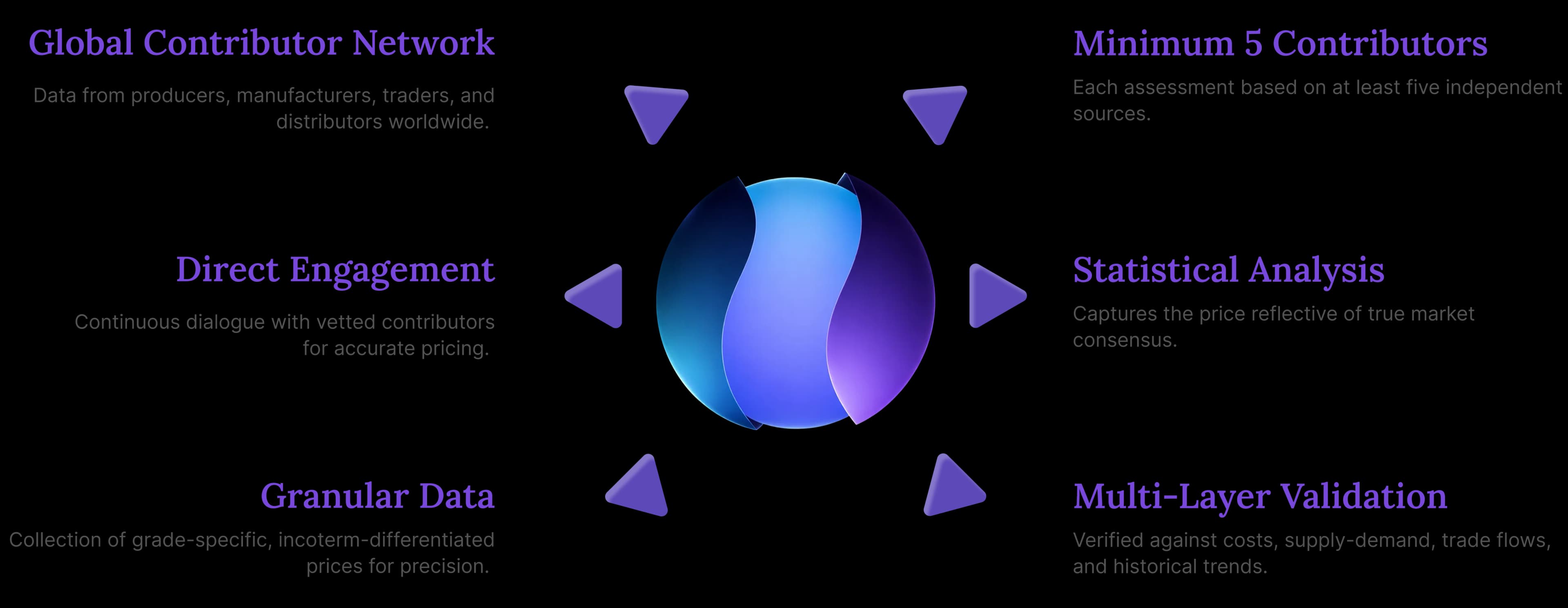
Our Price Analysis Methodology
Schedule A Demo
Experience how Procurement Resource transforms raw material price data into clear, decision ready intelligence. Optimise your performance with reliable, expert market data and analysis. Schedule your demo today to experience a live walk-through where our experts will showcase interactive price charts, forecasted prices, and insights driving the prices for your key commodities, tailored to your workflows. Contact us now!
Our Team will be happy to assist you
We are just a text away
Still Need Help ?
Subscription Plans
Unlock full access to Procurement Resource's price databases, interactive charts, and short-term forecasts for thousands of commodities. Elevate your sourcing decisions by comparing prices across regions, downloading historical data, and layering in analyst-backed insights, all with our flexible plans that scale as your portfolio grows.
Still have any Questions
Contact Us



Price Trend Dashboard - What's Included
Price trends across a diverse portfolio of categories amd products, spanning board to niche chemicas
Coverage extendable to grade-specific chemicals based on procurement requirements
Regular price tracking supported by robust historical datasets
News, policy updates, and key market drivers impacting price movements
Short-term and long-term price outlooks and forecasts
Supply–demand dynamics and capacity-driven market analysis
- Unlimited Users
- Historical Monthly Price
- USA, Europe, APAC Covered
- Monthly Forecast
- 12 Months validity
- News & Events
- 50 Products (Refer Next Page For List)
Why Procurement Database

Assistance from Experts
Throughout 2024, the Asian acetoin market experienced fluctuating trends with regional variations. Q1 began with moderate price increases driven by supply constraints from Chang Chun Plastics' maintenance shutdown in Taiwan. Post-S...

Client's Satisfaction
Throughout 2024, the Asian acetoin market experienced fluctuating trends with regional variations. Q1 began with moderate price increases driven by supply constraints from Chang Chun Plastics' maintenance shutdown in Taiwan. Post-S...

Assured Collaboration
Throughout 2024, the Asian acetoin market experienced fluctuating trends with regional variations. Q1 began with moderate price increases driven by supply constraints from Chang Chun Plastics' maintenance shutdown in Taiwan. Post-S...
Global Insights
Throughout 2024, the Asian acetoin market experienced fluctuating trends with regional variations. Q1 began with moderate price increases driven by supply constraints from Chang Chun Plastics' maintenance shutdown in Taiwan. Post-S...