Aluminium Scrap Price Trend Analysis 2026: Supply Demand Analysis, Latest News, Historical Prices, Price Drivers & Market Insights
Aluminium Scrap Price Trend Q1 2026
| Product | Region | Incoterm Basis | Price | Last Updated Month |
|---|---|---|---|---|
| Aluminium Scrap | China | FOB | USD 2,737.84/MT | April 2026 |
| Aluminium Scrap | India | CIF | USD 2,787.84/MT | April 2026 |
| Aluminium Scrap | USA | CIF | USD 2,824.84/MT | April 2026 |
| Aluminium Scrap | Germany | CIF | USD 2,863.84/MT | April 2026 |
| Aluminium Scrap | Australia | CIF | USD 2,775.84/MT | April 2026 |
| Aluminium Scrap | China | FOB | USD 2,655.24/MT | March 2026 |
| Aluminium Scrap | India | CIF | USD 2,710.24/MT | March 2026 |
| Aluminium Scrap | USA | CIF | USD 2,742.24/MT | March 2026 |
| Aluminium Scrap | Germany | CIF | USD 2,737.24/MT | March 2026 |
| Aluminium Scrap | Australia | CIF | USD 2,699.24/MT | March 2026 |
Stay updated with the latest aluminium scrap prices, historical data, and tailored regional analysis
- Global aluminium scrap market stayed firm in Q1’26, supported by rising replacement costs and supply-chain disruptions, with late-quarter strengthening linked to geopolitical risk premiums.
- Feedstock impact was driven by higher primary aluminium premiums and logistics costs, as shipping constraints tightened availability and raised scrap substitution value.
- Downstream demand remained stable across construction, automotive, and packaging sectors, sustaining scrap consumption despite cost pressures.
Aluminium scrap prices in Asia showed a stable-to-firm trend in Q1’26, with stronger upward pressure emerging in March due to logistics disruptions and rising war-related costs. The market was influenced by supply-chain tightening rather than raw material shortages, as the Iran war and closure of the Strait of Hormuz significantly disrupted regional trade flows. Maritime traffic through the Strait effectively stalled in early March, creating a supply shock across aluminium value chains and increasing procurement uncertainty. War risk insurance premiums surged sharply, reaching around 2.5% of vessel value earlier in March before easing toward ~1%, compared to negligible pre-war levels, substantially increasing shipping costs for bulk commodities, including scrap. These elevated logistics costs tightened short-term scrap availability across Asia and supported price movement despite steady domestic demand.
Analyst Insight
According to Procurement Resource, aluminium scrap prices are expected to remain firm, as persistent freight risk and elevated insurance costs continue to increase the prices.
Related Report
Our Clients































Procurement Resource Database
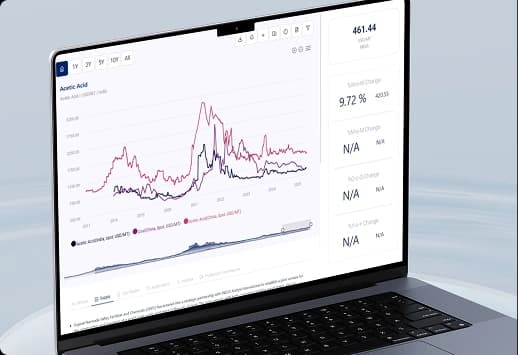
Turn price intelligence into action with the Procurement Resource Database. Log in or subscribe to unlock live price trends, historical charts, supplier databases, cost curves, and analyst-backed insights across chemicals, agriculture, energy, packaging, and more. Use these tools to benchmark your contracts, plan budgets with confidence, and stay ahead of market moves on every product you buy.
Aluminium Scrap Dashboard Inclusions

0
+Products
0
+Regions
0
+Subscriptions
Aluminium scrap prices demonstrated an upward trajectory during the fourth quarter of 2025, shaped by intensifying global competition for recyclable feedstock and shifting trade flows. In Europe, supply tightness persisted as scrap exports to non-EU destinations continued to rise, driven by price differentials that favored shipments to overseas markets. The region's recycling sector faced feedstock constraints, with a notable portion of furnace capacity remaining idle due to insufficient scrap availability. In the United States, aluminium scrap remained exempt from import tariffs applied to primary metal and semi-manufactured products, which sustained strong inbound flows from key trading partners. Increased shipments from European suppliers, particularly from Germany and Spain, supplemented traditional supply sources from Mexico and Canada.
In Asia, demand for aluminium scrap remained firm as China and India continued to seek raw materials to support domestic recycling operations. Trade patterns reflected ongoing adjustments to China's restrictions on low-grade imports, with transshipment through intermediary countries persisting. The strategic importance of aluminium scrap gained recognition among policymakers, prompting discussions on measures to retain recyclable materials within domestic markets.
Aluminium scrap prices in the third quarter of 2025 moved within a narrow range, shaped by policy discussions, trade flows, and shifting regional demand patterns. Market sentiment in Europe remained cautious as debates continued over potential export levies to curb the outflow of scrap metal. Domestic recyclers faced tighter feedstock availability due to increasing shipments toward Asian markets, particularly India, where buyers remained active amid favourable pricing and fewer legal environmental constraints.
The imbalance between export activity and local consumption drew attention from aluminium producers and packaging manufacturers across Europe. Industry representatives highlighted that persistent scrap outflows limited access to recycled aluminium, a critical input for low-carbon packaging. Despite substantial investments in recycling furnaces and upgrades, a portion of European capacity stayed idle, attributed to insufficient feedstock retention. Calls from industry bodies for export duties gained momentum through the quarter, as stakeholders sought measures to maintain supply security.
Throughout the quarter, domestic demand from automotive and construction sectors remained muted, while packaging applications continued to anchor consumption. Price adjustments were limited as stable primary aluminium values and consistent secondary demand maintained equilibrium. Overall, trade dynamics and policy uncertainty shaped market behaviour more than significant cost fluctuations.
During Q2 2025, the world aluminium scrap market witnessed price fluctuations due to constrained supply conditions and changing demand. In India, prices of aluminium scrap were on an upward trend, led mainly by a narrowing supply of raw materials. The trend was noticed as global supply chains grappled with the limited supply of major scrap grades, including Tense and Extrusion, resulting in higher prices in the domestic market.
Simultaneously, Indian consumers found US import prices less competitive on account of high expenses and were, therefore, searching for alternative sources of supply, like the Middle East. Though there were some US scrap grades which were still at a premium in the domestic market, Indian consumers were shifting towards supplies from countries where the price of aluminium scrap was low. The Middle East market was particularly strong, with export prices remaining stable, which helped drive the overall price hike in India.
Another significant market driver in Q2 was the ongoing imposition of a duty on imports of aluminium scrap into India. This policy, which imposed a 2.5 percent duty on aluminium scrap and withdrew duties on other metal scraps, impacted local recycling and put further pressure on prices. Indian recyclers had higher operating costs than their counterparts in nations like Malaysia and Thailand, where there was no duty imposed.
Market sentiment was characterized by cautious optimism, with demand remaining firm, especially in major sectors such as automotive and building. Nevertheless, the tight supply situation and high cost of imports dampened the optimism, prompting many of the buyers to move fast in order to secure available stocks.
Analyst Insight
According to Procurement Resource, aluminium scrap prices are likely to continue fluctuating based on shifts in global supply chains and policy changes in major aluminium-producing regions. The impact of ongoing trade tensions and tariff adjustments may further influence market dynamics.
During the first quarter of 2025, the global aluminium scrap market faced some disruptions because of changes in trade policies and increased demand from downstream industries. The U.S. imposed tariffs on primary aluminium but exempted scrap aluminium, creating a surge in demand for European scrap by American companies, particularly from Germany. The anticipated effect was the increase in European exports, which would raise alarm about domestic supply shortages. German business associations cautioned that ongoing outflows would destabilize local recycling networks and compromise raw material security for producers.
Aluminium scrap availability in the region narrowed, pushing prices upward as recyclers increasingly struggled to source feedstock. EU export tariffs have become a more serious topic of discussion as industry leaders call for regulatory action to safeguard local supply and sustainability targets.
Meanwhile, in Asia, the scrap trade flows shifted as China reduced imports from Malaysia and increased sourcing from Thailand due to more stringent regulations and higher prices. Southeast Asia, being a transit point, was also witnessing increasing demand coupled with tightening supplies. Regional markets were indirectly influenced by U.S. purchasing patterns, resulting in global price firmness and increased competition for high-grade scrap.
The Aluminium scrap market experienced significant downward pressure during the fourth quarter of 2024, primarily driven by volatile LME prices and shifting market dynamics. Prices for major grades like Zorba and Taint Tabor showed consistent weakness throughout the quarter, with values declining steadily from their mid-year peaks.
A notable drop in semi-finished exports from India significantly impacted the demand-supply balance, while increased imports of cheaper Aluminium alloyed ingots further pressured scrap prices. The automotive sector, traditionally a strong consumer of secondary Aluminium, demonstrated cautious buying behavior, leading to reduced demand for grades like ADC12.
In the US market, despite improved Aluminium demand in North America, scrap generation remained subdued compared to previous years. Secondary producers reported softer market conditions than the previous year, with increased competition for available material. The export markets showed weakness, particularly in traditional buying regions, which added to the downward price pressure.
The availability of certain grades remained tight, particularly for rolling mill scrap, though this tightness did not translate into higher prices due to overall market sentiment. Extrusion scrap prices fluctuated throughout the quarter, reflecting inconsistent demand patterns. The pricing for prime grades faced particular pressure due to increased competition among buyers and volatile primary Aluminium prices.
Consumer destocking activities continued to influence the market, with many buyers maintaining minimal inventory levels due to economic uncertainty. This cautious approach contributed to reduced spot market activities and declining price trends across most grades.
During the third quarter of 2024, aluminium scrap prices in India experienced a downward trend, influenced by stable London Metal Exchange (LME) prices and broader market uncertainties. Prices for all grades of aluminium scrap dropped week-on-week, driven by a combination of factors, including steady three-month LME aluminium prices, which remained within a narrow range. This price stability on the LME, coupled with relatively high stock levels in LME-registered warehouses, contributed to subdued aluminium scrap prices that hovered near three-month lows.
The European holiday season further added to market sluggishness, creating a bid-offer disparity that impacted scrap imports into India. Specifically, prices for aluminium scrap from the UAE and the UK saw declines, with notable reductions in the prices of Tense and Zorba grades.
Additionally, India’s aluminium scrap imports declined significantly during the first half of 2024, which further contributed to price weakness. In contrast, there was a marked increase in imports of alloyed aluminium ingots, indicating a shift in the material supply landscape. Domestically, aluminium scrap prices followed a similar downward trajectory, with tense scrap prices in majority of the Indian cities reflecting the broader market trend and LME price movements.
The outlook for the remainder of the quarter remained uncertain, as the market grappled with LME price stability, ongoing holidays, and subdued demand. However, there was cautious anticipation surrounding the August alloys price settlement, which could potentially impact the direction of scrap prices in the latter part of the quarter. Market participants remained cautious, closely monitoring developments that could influence both scrap and alloy prices moving forward.
In Q2 2024, aluminium scrap prices in Europe remained elevated, driven by tight supply and robust demand, particularly from Asian markets. European aluminium alloy producers encountered significant challenges in sourcing sufficient scrap feedstock, as strong international demand from countries like China and India continued to divert substantial volumes of scrap away from Europe. Compounding these issues, lower scrap generation within the region was noted, primarily due to reduced industrial activity and a sluggish construction sector.
Additionally, the increased utilization of aluminium scrap by primary metal producers - spurred by advancements in processing technology and a commitment to greener production methods further constrained the availability of scrap for secondary alloy producers. This confluence of factors led to rising scrap prices throughout the quarter, despite relatively stable alloy prices, which in turn squeezed profit margins for alloy manufacturers. The seasonal summer slowdown in Europe, characterized by plant and yard closures for maintenance, exacerbated the scarcity of scrap, intensifying competition among buyers eager to secure limited supplies. As a result, the market dynamics in Q2 2024 reflected a complex landscape where rising prices underscored the challenges faced by European producers amidst strong global demand and constrained local supply.
| Product | Category | Region | Price | Last Updated Month |
| Aluminium Scrap | Energy, Metals and Minerals | Europe | 1162 USD/MT | January 2024 |
Stay updated with the latest Aluminium Scrap prices, historical data, and tailored regional analysis
During the second quarter of 2024, the aluminium scrap market experienced notable fluctuations, influenced by varying factors in both domestic and international contexts. Throughout this period, the aluminium scrap market in India showed sluggish movement, with buyers adopting a cautious approach due to a minor decline in LME aluminium prices. This price dip was partly due to the relaxation in imported raw material consignments, which kept imported aluminium scrap prices relatively low and stable.
Market activity remained subdued, leading sellers to lower their offers in an effort to liquidate materials. This trend was further exacerbated by sluggish trade activities and a lack of significant upward fluctuations in the imported aluminium scrap market. Also, in the domestic market, prices of ADC12 alloy ingot, also experienced a decline as well.
This was reflected in the widening scrap-to-alloy price spread, indicating a growing disparity between raw scrap and processed alloy prices. The inventory levels of aluminium stocks in LME-registered warehouses surged significantly, reaching their highest levels since January 2022. This increase in inventory levels contributed to the downward pressure on prices, as higher stock levels typically signal an oversupply in the market.
Additionally, India's economic conditions played a role in shaping the aluminium scrap market. Consumer price inflation showed signs of moderation, primarily due to persistent food inflation, which influenced overall market sentiment. This easing of inflation rates, while positive for consumers, did not significantly stimulate purchasing activity in the aluminium scrap market, where buyers remained cautious amid the fluctuating prices and market conditions.
| Product | Category | Region | Price | Last Updated Month |
| Aluminium Scrap | Energy, Metals and Minerals | Europe | 1190 USD/MT | July’23 |
| Aluminium Scrap | Energy, Metals and Minerals | Europe | 1130 USD/MT | August’23 |
| Aluminium Scrap | Energy, Metals and Minerals | Europe | 1164 USD/MT | December’23 |
Stay updated with the latest Aluminium Scrap prices, historical data, and tailored regional analysis
The aluminium scrap market exhibited mixed price trends throughout the second half of the year 2023. However, surprisingly, the aluminium scrap market performed better than the metal aluminium market. The scrap prices, though, started on a lower note at the beginning of the said period in July, impressively improving steadily for the next few months.
Though the movements in prices were very marginal and confined, the overall market sentiments were relatively positive in the gloomy times of global trade. At first, the monthly average prices in the European market went from around 1190 USD/MT (FOB) in July’23 to about 1130 USD/MT in August’23, showcasing a sudden decline of about 5%. However, the prices started to slowly incline after that and finished at about 1164 USD/MT in December’23, registering a 3% incline from August.
In the first quarter of 2023, the demand for aluminium scrap declined by almost 4 percent as compared to the previous quarters in the US and Canadian markets. However, the market conditions were still stable as compared to the previous quarters due to the increased interest of utility companies and the government in the electrical grid systems. In addition to this, the rates of exports to international buyers also inclined several folds while the import rates declined significantly, providing the falling market dynamics of aluminium scrap a cushion.
The situation in European countries was also the same as seen in the US and Canada. The main cause of fluctuations in the prices of aluminum scrap in this region was the low inflow of the product. The backlog of new orders placed continued to hamper the growth of the aluminium scrap price trend in the first two quarters of 2023. Further, the consumer sector in the region also seemed under the pressure of poor performance of the economy, rising interest rates, and soaring costs of energy production, which eventually led to a fall in the index of consumer purchasing potential.
About Aluminium Scrap
Aluminium scrap refers to discarded or recycled aluminum-containing materials and products that are no longer needed for their original purpose. It encompasses a wide range of aluminum-based items, including old machinery, vehicles, packaging materials, construction components, and various consumer goods that have reached the end of their useful life. Aluminum scrap is collected and processed through recycling facilities to recover the aluminum content, which can then be melted down and reused in various industrial applications, particularly in the production of new aluminum products.
Aluminium Scrap Product Detail
Hs Code
76020090
Industrial Uses
Aluminium Production, Energy generation, Transport Infrastructure, Automotive Parts, Machinery and equipment
Supplier Database
Sims Metal Management Kuusakoski Recycling DOWA HOLDINGS Co Ltd, Arcelor Mittal S.A., REAL ALLOY Commercial Metals Company, Aurubis AGS TRIMET, Aluminium Nupur Recyclers, Arfin India Ltd
Regional Coverage
Asia Pacific
China, India, Indonesia, Pakistan, Bangladesh, Japan, Philippines, Vietnam, Iran, Thailand, South Korea, Iraq, Saudi Arabia, Malaysia, Nepal, Taiwan, Sri Lanka, UAE, Israel, Hongkong, Singapore, Oman, Kuwait, Qatar, Australia, and New Zealand
Europe
Germany, France, United Kingdom, Italy,Spain, Russia, Turkey, Netherlands, Poland, Sweden, Belgium, Austria, Ireland Switzerland, Norway, Denmark, Romania, Finland, Czech Republic, Portugal and Greece
North America
United States and Canada
Latin America
Brazil, Mexico, Argentina, Columbia, Chile, Ecuador, and Peru
Africa
South Africa, Nigeria, Egypt, Algeria, Morocco
CurrencyUS$ (Data can also be provided in local currency)
Supplier Database AvailabilityYes
Customization ScopeThe report can be customized as per the requirements of the customer
Post-Sale Analyst Support360-degree analyst support after report delivery
Note: Our supplier search experts can assist your procurement teams in compiling and validating a list of suppliers indicating they have products, services, and capabilities that meet your company's needs.
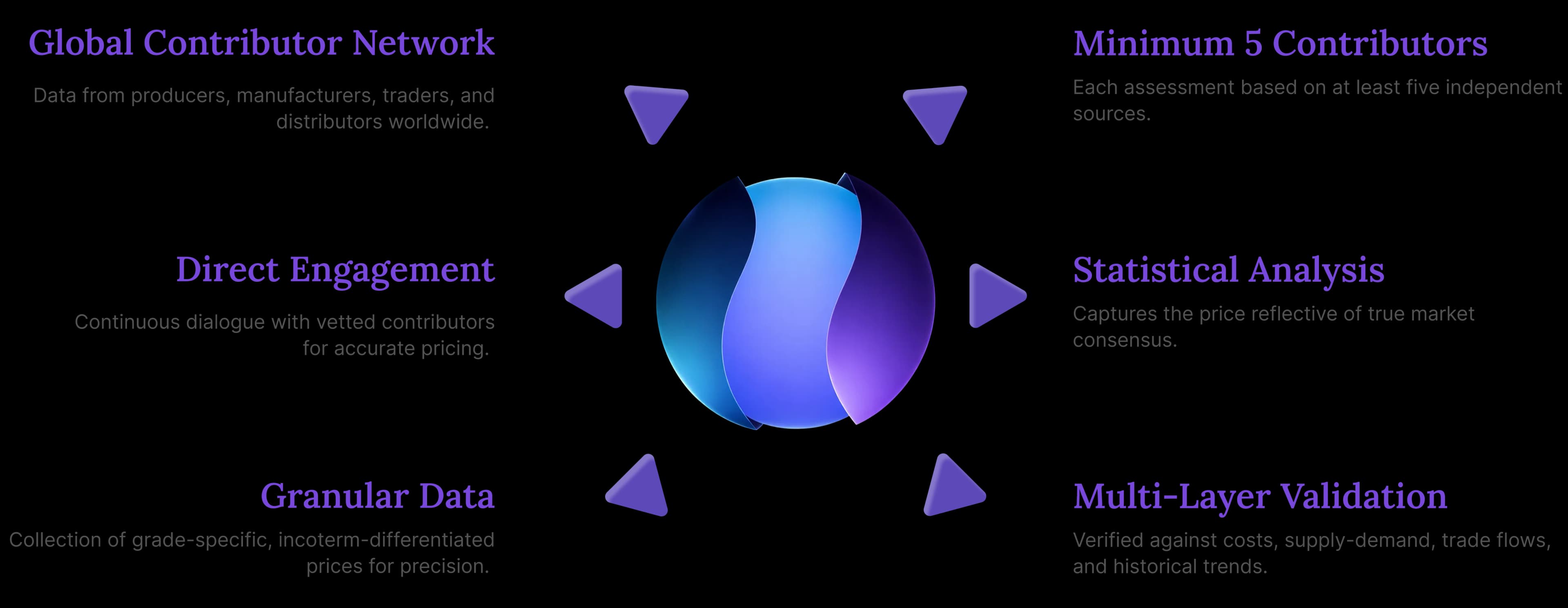
Our Price Analysis Methodology
Schedule A Demo
Experience how Procurement Resource transforms raw material price data into clear, decision ready intelligence. Optimise your performance with reliable, expert market data and analysis. Schedule your demo today to experience a live walk-through where our experts will showcase interactive price charts, forecasted prices, and insights driving the prices for your key commodities, tailored to your workflows. Contact us now!
Our Team will be happy to assist you
We are just a text away
Still Need Help ?
Other Related Reports
Aluminium Scrap Production Via Aluminium Metal Processing
This study analyzes Aluminium Scrap Production Via Aluminium Metal Processing, covering manufacturing, process flow, operating expenses, and financial considerations.
Subscription Plans
Unlock full access to Procurement Resource's price databases, interactive charts, and short-term forecasts for thousands of commodities. Elevate your sourcing decisions by comparing prices across regions, downloading historical data, and layering in analyst-backed insights, all with our flexible plans that scale as your portfolio grows.
Still have any Questions
Contact Us



Price Trend Dashboard - What's Included
Price trends across a diverse portfolio of categories amd products, spanning board to niche chemicas
Coverage extendable to grade-specific chemicals based on procurement requirements
Regular price tracking supported by robust historical datasets
News, policy updates, and key market drivers impacting price movements
Short-term and long-term price outlooks and forecasts
Supply–demand dynamics and capacity-driven market analysis
- Unlimited Users
- Historical Monthly Price
- USA, Europe, APAC Covered
- Monthly Forecast
- 12 Months validity
- News & Events
- 50 Products (Refer Next Page For List)
Related News
View All
Why Procurement Database

Assistance from Experts
Throughout 2024, the Asian acetoin market experienced fluctuating trends with regional variations. Q1 began with moderate price increases driven by supply constraints from Chang Chun Plastics' maintenance shutdown in Taiwan. Post-S...

Client's Satisfaction
Throughout 2024, the Asian acetoin market experienced fluctuating trends with regional variations. Q1 began with moderate price increases driven by supply constraints from Chang Chun Plastics' maintenance shutdown in Taiwan. Post-S...

Assured Collaboration
Throughout 2024, the Asian acetoin market experienced fluctuating trends with regional variations. Q1 began with moderate price increases driven by supply constraints from Chang Chun Plastics' maintenance shutdown in Taiwan. Post-S...
Global Insights
Throughout 2024, the Asian acetoin market experienced fluctuating trends with regional variations. Q1 began with moderate price increases driven by supply constraints from Chang Chun Plastics' maintenance shutdown in Taiwan. Post-S...
1/4