Aluminium Sheet Price Trend Analysis 2026: Supply Demand Analysis, Historical Prices, Latest News, Market Insights & Price Drivers
Aluminium Sheet Price Trend Q1 2026
- Global aluminium sheet prices followed a firm upward trend during Q1’26 as tightening primary aluminium supply, low inventories, and geopolitical disruptions supported higher conversion and replacement costs across major regions.
- Feedstock pressure remained elevated as aluminium prices increased amid China’s production caps, overseas smelter disruptions, and concerns over alumina and bauxite shipments through the Strait of Hormuz.
- Downstream demand stayed healthy from electric vehicles, photovoltaics, energy storage, packaging, and infrastructure sectors, although cost pass-through remained uneven in traditional industrial applications.
Asia
In Asia, aluminium sheet prices strengthened during Q1’26 as upstream aluminium values in China increased by nearly 4.02% between January and March. Tight domestic supply conditions, low inventories, and strong demand from new energy vehicles, photovoltaics, and energy storage sectors supported market sentiment. China’s production capacity ceiling and constrained global output growth further tightened regional availability. The Iran conflict also increased concern over disruptions through the Strait of Hormuz, a critical route linked to nearly 23% of global primary aluminium supply from the Gulf region.
Europe
In Europe, aluminium sheet prices remained firm as higher upstream aluminium costs and geopolitical risk premiums elevated replacement values throughout the quarter. Concerns regarding reduced Gulf exports, delays in alumina and bauxite shipments, and rising freight and war-risk insurance costs strengthened pricing sentiment. European buyers also faced low international inventories and stronger London Metal Exchange performance, while demand from infrastructure, packaging, and industrial manufacturing sectors remained relatively stable despite energy-sensitive operating conditions.
North America
In North America, aluminium sheet prices stayed supported by tighter global aluminium availability and rising overseas premiums. Market sentiment strengthened as supply concerns linked to the Gulf region pushed U.S. Midwest premiums to record highs during the conflict period. Although the region remained less directly dependent on Gulf aluminium flows than Europe, low global inventories and firm demand from transportation, packaging, aerospace, and energy sectors maintained upward pressure on sheet prices during Q1’26.
Analyst Insight
According to Procurement Resource, in the near term, aluminium sheet prices are expected to remain firm as constrained global supply, geopolitical shipping risks, and healthy demand from energy-transition sectors continue supporting the market despite cautious procurement in traditional industries.
Related Report
.
Our Clients































Procurement Resource Database
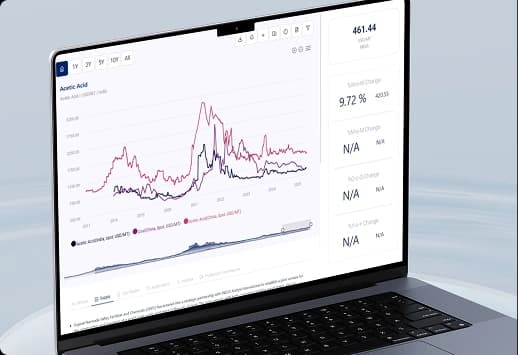
Turn price intelligence into action with the Procurement Resource Database. Log in or subscribe to unlock live price trends, historical charts, supplier databases, cost curves, and analyst-backed insights across chemicals, agriculture, energy, packaging, and more. Use these tools to benchmark your contracts, plan budgets with confidence, and stay ahead of market moves on every product you buy.
Aluminium Sheet Dashboard Inclusions

0
+Products
0
+Regions
0
+Subscriptions
Asia
The Asian aluminium sheet market experienced price appreciation throughout the fourth quarter, driven by tightening flat-rolled product availability and sustained downstream consumption. Supply conditions remained constrained as rolling mill operations faced ongoing challenges from elevated energy costs and feedstock aluminium pricing pressures. Primary metal availability remained a critical factor influencing sheet production economics, while electricity expenses continued to impact mill profitability margins. Demand from packaging applications, automotive body panels, and building facades maintained consistent consumption levels across the quarter.
Fabrication sectors, including beverage can stock and transportation equipment, showed steady offtake patterns, absorbing available sheet volumes. Inventory levels at distribution centers declined progressively as procurement activity from end-users remained active. By late quarter, accelerated upward price momentum emerged as supply-demand fundamentals tightened further, with regional rolling capacity approaching operational limits and order backlogs extending delivery timelines.
Europe
European aluminium sheet markets experienced measured price increases influenced by energy costs affecting rolling operations and ongoing supply chain realignments. High electricity prices continued pressuring mill economics, with some facilities evaluating production schedules under sustained cost burdens. Trade flow patterns shifted following tariff implementations in external markets, redirecting Canadian flat-rolled exports toward European destinations and partially offsetting domestic production constraints.
Demand from automotive stamping operations and construction cladding applications remained moderate amid broader economic uncertainties, though consumption levels proved sufficient to absorb redirected import volumes. Production adjustments at energy-intensive rolling facilities continued as elevated power costs compressed operating margins, contributing to tighter regional sheet availability and supporting price firmness.
North America
North American aluminium sheet markets remained under pronounced supply tightness throughout the quarter, experiencing sustained impacts from tariff policies affecting flat-rolled product imports. Elevated import duties continued to create persistent inventory pressures and heightened regional transaction premiums, with Midwest sheet premiums maintaining elevated levels as domestic rolling capacity failed to fully replace reduced import volumes. The effects of previous Canadian sheet import reductions persisted, though late-quarter developments suggested potential trade flow adjustments as depleted distributor inventories made tariff-inclusive imports economically viable for restocking purposes.
Asia
Aluminium sheet prices in Asia, particularly China, remained largely stable throughout the third quarter of 2025, moving in line with upstream aluminium trends. Early in the quarter, smelters maintained cautious operating rates due to slower offtake from the construction and photovoltaic sectors. As the quarter progressed, replacement smelting capacity in regions like Yunnan gradually came online, restoring supply stability.
Alumina oversupply and subdued energy costs kept production economics favorable, allowing producers to maintain consistent sheet output. Downstream consumption showed mild improvement as construction and packaging manufacturers resumed regular procurement. Restocking ahead of the seasonal manufacturing period supported steady order volumes. However, overall demand momentum stayed moderate, with weak activity from the building materials and electronics sectors tempering gains
Europe
European aluminium sheet prices displayed a firm tone through the quarter, supported by restricted supply and stable industrial demand. High energy prices and environmental compliance costs constrained production across several smelters, particularly in Western Europe. Imports from the Middle East and North Africa provided partial relief, but overall availability remained limited. Consumption levels held steady across transportation, renewable energy, and packaging segments, while construction activity showed little improvement. Market participants reported that logistical costs and tight metal premiums added to production expenses, but downstream converters continued to procure steadily to maintain inventories. Despite relatively stable demand, regional supply constraints kept prices firm, with limited fluctuations through the quarter.
North America
In North America, aluminium sheet prices trended slightly higher over the quarter. The continuation of import tariffs sustained elevated cost structures for buyers and producers alike. Domestic mills operated steadily, though energy expenses and raw material transportation costs added pressure to overall margins. Demand from automotive, aerospace, and infrastructure projects remained consistent, supported by ongoing public spending and fleet production programs. Trade flows from Canada and Mexico helped balance supply, but shipment delays and periodic maintenance outages at regional facilities caused brief fluctuations in availability. Market sentiment stayed steady, with buyers maintaining scheduled procurement to secure sufficient supply.
Analyst Insight
According to Procurement Resource, the aluminium sheet price curve is expected to remain steady in the near term, guided by stable primary aluminium costs and balanced demand. Any shifts in energy policy or trade measures could influence regional price direction in the coming months.
Asia
The Asian market for aluminium sheet in Q2 2025 was significantly influenced by changes in global trade patterns as well as regional consumption patterns. Towards the beginning of the quarter, Asian markets experienced a decline in prices that was primarily attributed to tariff effects that made global trade more complicated and disrupted local supply chains. Later in the quarter, however, the situation improved. Especially in China, an important participant in the Asian aluminium market, home consumption, particularly in industrial and infrastructure markets, underpinned price rebound. The increase in domestic use helped to ease some of the downside pressures on prices, resulting in a slow appreciation. In spite of challenges across the globe, the market remained resilient, thanks mainly to robust consumption and solid recovery of confidence from the downstream side towards the end of the quarter.
Europe
In Europe, aluminium sheet prices were driven by a mix of external trade tensions and domestic energy issues. Q2 was marked by an initial period of uncertainty at the start, as ongoing trade tensions took a toll on sentiment. This uncertainty created relatively stable and calm prices in the initial months. Later, though, as the quarter progressed, prices started to trend upward marginally, though somewhat volatile. The most important driver of this comeback was better demand conditions, notably from industries like construction and automotive. Energy prices also contributed towards shaping price trends. European nations with high energy prices for the production of aluminium suffered more, but the improving demand in a gradual manner provided some support for prices, particularly at the end of the quarter.
North America
North American aluminium sheet market in Q2 2025 was quite volatile and primarily driven by the ongoing uncertainties of tariffs. In the initial part of the quarter, market prices experienced a slight drop due to the effects of import tariffs, creating uncertainty in the aluminium supply chain. The US government's trade policy, especially the imposition of extra tariffs, had a direct effect on the import cost, making it difficult for both suppliers and consumers. Nevertheless, as the quarter went on, the prices started to revive. This revamp was underpinned by realignment within the supply chain, as well as the better domestic demand prospects. In spite of the persistent pressures from outside forces, the sustainability of domestic production in the region stabilized the market towards the end of the quarter.
Asia
In the first quarter of 2025, the Asian aluminium sheet market witnessed a fluctuating trajectory with a slight upward bias, characterized by early price stabilization and short-lived upward movements. The quarter started with firm demand, especially from the construction and infrastructure industries. Halfway through the quarter, seasonal tightness and limited production in key producing nations provoked a short-term price increase. This was, however, corrected as raw material supply returned to normal.
Wider economic worries and uncertain global trade conditions kept market sentiment volatile, especially in the manufacturing and construction sectors. A slight decline in production costs late in the quarter provided some cushioning but did not change the overall direction of the market.
Europe
In Europe, the prices of aluminium sheets continued a steady rise during the quarter, primarily driven by changing policy environments and rebounding industrial production. At the beginning of the quarter, the aluminium sheet prices started to rise, as the downstream sector slowly reopened.
Meanwhile, the uncertainties due to proposed restrictions on Russian aluminium led to cautious accumulation of inventories by consumers in anticipation of tighter market supply. Sustained optimism in the automotive industry and better demand from the construction sector supported price hikes as the quarter progressed.
Concurrently, strong energy prices and external trade pressure, primarily from tariffs continuously increased the production costs. Overall, the aforementioned factors led to the rise in the prices of the commodity in the region.
North American
The North American market showed a more uniform positive price trajectory during the first quarter for aluminium sheet. Initially, prices were stable, but growing anticipation around trade tariffs led to increased buying activity and a pivot toward domestic scrap sourcing. This behavior intensified in the following weeks, as formal tariff measures were introduced, constraining supply and pushing prices higher. Despite subdued demand in certain sectors, such as construction, the automotive industry offered a degree of support. In addition, high logistics and input prices put additional upward pressure on prices.
Asia
The Asian Aluminium Sheet market experienced considerable turbulence in Q4'24, particularly after China's announcement to end export tax rebates on semi-finished products. Chinese manufacturers faced margin pressures, leading to increased sheet prices in the domestic market.
The downstream demand remained sluggish, with construction and automotive sectors showing limited buying interest. The situation was further complicated by elevated raw material costs and energy prices, forcing producers to operate at reduced capacities. Southeast Asian buyers showed resistance to higher prices, leading to decreased trading volumes towards the end of the quarter.
Europe
European Aluminium Sheet prices maintained relative stability in Q4'24, supported by the automotive sector's steady demand and increased infrastructure projects. The market benefited from improved energy situations compared to earlier quarters, allowing better capacity utilization at rolling mills. Regional producers gained some market share following reduced Chinese imports, though this led to longer lead times. The construction sector's seasonal slowdown was partially offset by increased demand from the packaging industry, helping maintain price levels through December.
North America
North American Aluminium Sheet prices showed resilience in Q4'24, driven by strong demand from the automotive and aerospace sectors. The market saw improved availability as domestic production increased, though logistics challenges persisted in certain regions. The beverage can segment maintained steady demand, providing crucial support to sheet prices. Manufacturers successfully passed through higher conversion costs to end-users, maintaining their margins despite increased operational expenses.
Asia
The price of aluminium sheet remained volatile in the third quarter of 2024 in the Chinese market, showing a fluctuating trend with occasional ups and downs. At the beginning of the quarter, prices continued their decline from the previous quarter. Increased local aluminium production in July helped stabilize upstream supply dynamics for aluminium sheets in the region, pressurizing the market prices downwards.
On the demand side, the downstream aluminium sheet processing industry was operating at a weak pace, due to a notable decline in orders. This downward trend persisted for some time, and by the end of the month, aluminium sheet prices had dropped to near their marginal cost. In August, the market showed signs of recovery, driven by low inventory levels, although demand remained moderate. This cautious market sentiment was largely influenced by expectations of interest rate cuts from the U.S. Federal Reserve, which were announced in late September. Following the announcement, aluminium sheet prices began to rise.
Europe
The price of aluminium sheet fluctuated during the quarter. At the beginning, market conditions were weak, with low demand from sectors like construction, automotive, and others. In Germany, the market was slowing down, and recycled materials were in limited supply. Similarly, Italy and Spain experienced subdued demand for secondary aluminium sheet.
Intense competition for scrap led to reduced profit margins and difficulties for smaller yards. While demand remained subdued for most of the quarter, tighter supply supported the market. Availability was limited due to low production levels from cuts over the past two years, the lack of Russian metal, and sanctions from the U.K. and U.S. The market improved when U.S. federal cuts were announced, boosting sentiment and prices.
North America
In North America, aluminium sheet prices were expected to benefit from anticipated interest rate cuts by the U.S. Federal Reserve. When the Fed announced a 50-basis point cut, aluminium sheet prices rose. This increase was driven by a weaker U.S. dollar, making aluminium sheet more affordable for international buyers using other currencies. As a result, aluminium sheet prices increased both domestically and globally.
Asia
In the initial phase of the second quarter, the aluminium sheet prices carried forward the stable trend from the previous quarter, but towards the end, the momentum trailed off. In China, the cost of raw materials increased after the force majeure announced by Australian Yarwun Smelters and Queensland Alumina Limited due to a shortage of natural gas inventory for power generation, raising the quotations for aluminium sheets as well.
However, as the quarter approached its end, China’s increased production, followed by the dry season, contributed significantly to the decline in aluminium sheet prices. On the other hand, the demand for the commodity turned sluggish as its property sector and lackluster factory output faced noticeable falls. Additionally, the US and European sectors targeted Chinese aluminium imports by raising tariffs, further raising the concerns of Chinese producers.
Europe
On the production side, the European traders witnessed significant growth during the second quarter of 2024. With a substantial decline in energy production costs, many production units of aluminium and its derivatives, such as aluminium sheets, announced plans to boost their production volumes. However, amid this surging manufacturing activities, the European producers imposed heavy tariffs on Chinese imports to protect its domestic players, amid slow demand. However, the global supply of the commodity was limited due to bans on the trading of Russian metals and persistent Red Sea struggles, which might favor the price trend of aluminium sheets in future months.
North America
In order to restrict the dumping of low-price Chinese aluminium sheets in North America, the government announced significant tariffs on imports. During the mid of May, the tariffs on certain aluminium products went up to approximately 25% from an average of 0-7.5% previously.
Similar to the European countries, the US announced these strict regulations in order to protect its in-house production, which by the end phase of the second quarter overpowered the existing domestic as well as overseas demand. The market was further altered by the imposition of similar tariffs on electric vehicles, one of the primary drivers of aluminium sheet demand, dampening its overall market outlook by the month of June.
Asia
The Asian aluminium sheet market has shown remarkable resilience despite a notable increase in raw material prices. The surge in prices of key raw materials, such as alumina, was triggered by disruptions in bauxite transportation from Guinea following a fatal explosion. This disruption threatened production cuts and supply shortages. However, the aluminium sheet market in Asia remained stable, indicating a well-balanced market influenced by factors such as sufficient inventory levels and steady demand from manufacturing sectors.
The consistent pricing of aluminium sheets amidst fluctuating raw material prices has provided market participants with a sense of stability and predictability, aiding in effective supply chain management strategies.
Europe
In the first quarter of 2024, the European aluminium sheet market experienced fluctuations driven by trade-related uncertainties. The market started weak but showed signs of improvement later, influenced by potential interest rate cuts and policy injections in China. Concerns about potential supply disruptions due to potential EU sanctions on Russian aluminium and disruptions in Guinea also impacted market conditions.
Despite these challenges, aluminium sheet prices in Europe remained stable, maintaining a certain range. The closure of a major smelter in the US also affected market dynamics, impacting supply. Looking ahead, challenges related to oversupply are expected, especially with China increasing production. However, industries like renewables and new energy vehicles in Europe are anticipated to help absorb some of the surplus stock.
North America
The aluminium sheet price trends exhibited variations in the price procession during the first quarter of the year 2024. Quarter one began on a weaker note in January as the downstream demands were very feverish during that time. The various genomic factors played a role in this tepid demand trajectory in the early days. Later on, however, the supply situation started getting very complicated.
Russian supplies were already sanctioned, and the plant closure in Marston, Missouri, created some supply concerns as the Bauxite and other ore supplies were also disrupted from Guinea. Because of this, a very hybrid kind of price trend was witnessed during the said time.
| Product | Category | Region | Price | Last Updated Month |
| Aluminium Sheet | Energy, Metals and Minerals | USA | USD 1300/MT | March 2024 |
| Aluminium Sheet | Energy, Metals and Minerals | Europe | USD 1000/MT | March 2024 |
Stay updated with the latest Aluminium Sheet prices, historical data, and tailored regional analysis
Asia
The historical data of aluminium sheet prices from the previous quarters showcased a significant appreciation, and the fourth quarter of 2023 was not different from them. During the mid of the quarter, China started focusing on green ways of synthesis of aluminium sheet and its related products as the conventional methods fell short in front of the growing demand for aluminium sheet.
Further, many Russian manufacturing giants moved towards Asian countries for their supply of raw materials, which additionally assisted in the rise in the prices of aluminium sheets. However, the strengthening of the US dollar in comparison to the Asian currency added some resistance to this growing trend.
Europe
The push up in the prices of aluminium sheets was not only limited to Asian countries. In Europe too, the bloom in the automotive sector and moderate demand from the manufacturing industries worked in favor of the prices of the aluminium sheet.
However, the traders feared that the recovery of the aluminium sheets market was not as strong as expected compared to the previous year. Further, the economic pressure that Europe faced during the past few months was visible in the trajectory of the prices of aluminium sheet in the fourth quarter.
North America
In North America, the influence of demand for aluminium sheet was much lesser as compared to the impact of the global economy. The federal government has shut its gates of any economic relief to the consumers and manufacturers, which in turn led to the closure of several production units. The debt ceiling rose and raised concerns over the lower appetite of consumers, and thus also hinted at the downfall of the prices of aluminium sheet.
Asia
Despite the negative influence of a number of factors, the aluminium sheet price trend were able to maintain a stable trajectory in the third quarter of 2023. The market activities were hampered by the weak demand and lower purchasing potential of consumers.
Along with this, the plunging economic conditions and the steep rate of decline of feedstock costs also proved to be a challenge for the outlook of the aluminium sheet price graph. However, on the other hand, the positive rate of production, improvement in the sales of the automotive sector, and increased interest of consumers in the electric vehicle sector supported the upwards trend of aluminium sheet prices.
Europe
In the initial phase of Q3, the prices of aluminium sheets struggled with poor economic growth and a decline in inventory levels. In addition to this, the restrictions on the export from several Asia Pacific countries reduced the level of stockpiles of aluminium sheets in the region.
The demand scenario for aluminium sheets, especially from the automotive industries, however, grew consistently and supported the northward movement of the aluminium sheet price trajectory. Even in the middle of an economic upturn and fluctuating interest rates, stability in export levels and high demand eventually led to the rise in the prices of aluminium sheets.
North America
The hike in the interest charged by banks and rising inflation rates increased the cost of production and, in turn, the prices of aluminium sheets in the third quarter of 2023. The inclining trajectory of the aluminium sheet price graph was also supported by the growth of eco-friendly automotive products and the rise in the number of sales of electric vehicles. Further, the market also witnessed a rise in the competition levels due to the influx of Chinese imports in the region and thus helped in the upwards movement of aluminium sheet price trend.
Asia
In the Asian region, aluminium sheet prices were significantly impacted by the price trend of aluminium ingot. In the first quarter, there was a significant reduction in the market activities of the construction industry that hampered the demand for aluminium sheets in the Asia Pacific region. In addition, the rise in labor strikes caused a halt in a large number of orders and caused the price trend of aluminium sheets to fall.
Europe
A southward trajectory in the price trend of the aluminium sheet was witnessed in the European market. The softening demands from downstream industries, and the fear of a spike in prices reduced the confidence of buyers in this sector.
The supply of material in the first quarter also remained constrained due to a lack of support from Russia’s metal industry. In the second quarter, the market dynamics overturned as the level of inventories reduced and the cost of production rose. In addition, the cost of feedstock materials and improving market sentiments of the automotive sector also supported the incline in prices of aluminium sheets.
North America
The huge fall in the banking sector of North America caused an adverse effect on the price trend of aluminium sheets in the first quarter of 2023. As a result, the number of new orders fell and demand from the downstream industries remained weak throughout the quarter.
The graph of inflation in North America rose, and hikes in interest rates further added to the injury. However, the trend inclined in the second quarter due to improvement in the market dynamics of the downstream industries and a gradual reduction in the level of inventories. In this quarter, the prices of feedstock also supported the trend of aluminium sheets.
About Aluminium Sheet
Aluminium sheets are flat, thin, rectangular shaped sheets of aluminium used widely in various industrial processes. Aluminium metal gives them light-weight and corrosion resistance. These sheets come in different thickness and sizes as they are malleable that allows them to take various shapes and sizes according to application. They find use in aerospace, automotive, construction, packaging, electronics, transportation, and other industries due to their favorable properties, such as lightweight, durability, and resistance to corrosion and environmental factors.
Aluminium Sheet Product Detail
Construction industry, Transportation, Electronic castings, Construction, Automotive panels, Aerospace sector
Alcoa Inc, Borsk Hydro ASA, Zhejiang Hanlv Aluminium Industry Co Ltd, Shandong Sino Steel Co Ltd, Novelis Inc, Richard Austin Alloys
Regional Coverage
Asia Pacific
Europe
North America
Latin America
Africa
CurrencyUS$ (Data can also be provided in local currency)
Supplier Database AvailabilityYes
Customization ScopeThe report can be customized as per the requirements of the customer
Post-Sale Analyst Support360-degree analyst support after report delivery
Note: Our supplier search experts can assist your procurement teams in compiling and validating a list of suppliers indicating they have products, services, and capabilities that meet your company's needs.
Aluminium Sheet Production Processes
The collection of hot molten aluminum from ingots is the first step in the process. The molten substance is the starting point for the production of aluminum sheets. After collecting the molten matter, it is rolled in rollers under regulated temperature and high pressure, causing the aluminium matter to take on the required shape and thickness. The thickness can range from 0.2mm to 6.5mm. The hot rolling process ultimately yields aluminum sheets, which are then processed and passed through the packaging process.
Our Price Analysis Methodology

Schedule A Demo
Experience how Procurement Resource transforms raw material price data into clear, decision ready intelligence. Optimise your performance with reliable, expert market data and analysis. Schedule your demo today to experience a live walk-through where our experts will showcase interactive price charts, forecasted prices, and insights driving the prices for your key commodities, tailored to your workflows. Contact us now!
Our Team will be happy to assist you
We are just a text away
Still Need Help ?
Subscription Plans
Unlock full access to Procurement Resource's price databases, interactive charts, and short-term forecasts for thousands of commodities. Elevate your sourcing decisions by comparing prices across regions, downloading historical data, and layering in analyst-backed insights, all with our flexible plans that scale as your portfolio grows.
Still have any Questions
Contact Us



Price Trend Dashboard - What's Included
Price trends across a diverse portfolio of categories amd products, spanning board to niche chemicas
Coverage extendable to grade-specific chemicals based on procurement requirements
Regular price tracking supported by robust historical datasets
News, policy updates, and key market drivers impacting price movements
Short-term and long-term price outlooks and forecasts
Supply–demand dynamics and capacity-driven market analysis
- Unlimited Users
- Historical Monthly Price
- USA, Europe, APAC Covered
- Monthly Forecast
- 12 Months validity
- News & Events
- 50 Products (Refer Next Page For List)
Why Procurement Database

Assistance from Experts
Throughout 2024, the Asian acetoin market experienced fluctuating trends with regional variations. Q1 began with moderate price increases driven by supply constraints from Chang Chun Plastics' maintenance shutdown in Taiwan. Post-S...

Client's Satisfaction
Throughout 2024, the Asian acetoin market experienced fluctuating trends with regional variations. Q1 began with moderate price increases driven by supply constraints from Chang Chun Plastics' maintenance shutdown in Taiwan. Post-S...

Assured Collaboration
Throughout 2024, the Asian acetoin market experienced fluctuating trends with regional variations. Q1 began with moderate price increases driven by supply constraints from Chang Chun Plastics' maintenance shutdown in Taiwan. Post-S...
Global Insights
Throughout 2024, the Asian acetoin market experienced fluctuating trends with regional variations. Q1 began with moderate price increases driven by supply constraints from Chang Chun Plastics' maintenance shutdown in Taiwan. Post-S...