Ammonia Price Trend Analysis 2026: Price Drivers, Supply Demand Analysis, Latest News, Historical Prices & Market Insights
Ammonia Price Trend Q1 2026
| Product | Region | Incoterm Basis | Price | Last Updated Month |
|---|---|---|---|---|
| Ammonia | China | FOB | USD 408.81/MT | April 2026 |
| Ammonia | India | CIF | USD 458.69/MT | April 2026 |
| Ammonia | USA | CIF | USD 495.81/MT | April 2026 |
| Ammonia | Brazil | CIF | USD 529.91/MT | April 2026 |
| Ammonia | Canada | CIF | USD 495.81/MT | April 2026 |
| Ammonia | China | FOB | USD 343.00/MT | March 2026 |
| Ammonia | India | CIF | USD 398.00/MT | March 2026 |
| Ammonia | USA | CIF | USD 670.00/MT | March 2026 |
| Ammonia | Brazil | CIF | USD 441.4/MT | March 2026 |
| Ammonia | Canada | CIF | USD 430.4/MT | March 2026 |
Stay updated with the latest ammonia prices, historical data, and tailored regional analysis
- Global Ammonia Prices (Q1 2026): A major supply shock influenced the Ammonia price trend, as Middle East tensions and Strait of Hormuz disruptions reduced about ~20–30% of trade flows, leading to volatility, increased freight costs, and strong global Ammonia Pricing insights.
- Feedstock effect: The Ammonia market remained very sensitive to feedstock changes, with LNG supply cuts around ~40% raising production costs, tightening supply, and maintaining bullish Ammonia Price analysis during the first quarter.
- Downstream impact: Rising industrial Ammonia prices affected downstream fertilizer markets, raising farmer input costs and reinforcing Ammonia cost trends, with wider effects on food inflation and subsidy burdens in import-dependent economies.
Asia
In India, during the first quarter of 2026, the average ammonia price stood at around INR 39.19/KG, with prices recorded near INR 38.85/KG in January, INR 38.60/KG in February, and rising further to nearly INR 40.12/KG in March. On a quarter-on-quarter basis, prices increased by approximately ~1.5%, while January to March prices witnessed a gain of around ~3.3%. The ammonia price trend across the Asian market reflected tightening global supply conditions and rising geopolitical uncertainty during Q1’26. The quarter initially remained stable due to sufficient domestic inventories and subdued downstream demand; however, escalating Israel-Iran tensions and disruptions in Middle Eastern exports significantly impacted market sentiment during the latter half of the quarter. Higher LNG prices, increased freight charges, and constrained import availability further supported the upward pricing momentum.
Europe
Ammonia prices in Europe mimicked the global firm-to-rising trend in early 2026, driven by tightening supply and policy-led cost pressures. The implementation of the Carbon Border Adjustment Mechanism (CBAM) increased import costs, while sanctions and tariffs on Russian fertilizers led to an over 80% collapse in imports, significantly tightening availability.
The EU also proposed caps on Russian ammonia imports, further straining supply. Simultaneously, uncertainty around CBAM delayed green ammonia investments, though new developments like the India-Europe renewable ammonia offtake agreement signal efforts to diversify supply and support long-term decarbonization.
North America
Ammonia prices in the USA rose, driven by global supply disruptions and seasonal demand pressures. The escalation of the Iran conflict and subsequent blockage of the Strait of Hormuz disrupted nearly one-third of global fertilizer trade, significantly tightening nitrogen and ammonia availability. This led to notable price spikes, with ammonia prices rising globally.
Additionally, constrained exports from key producers in the Middle East and China, coupled with logistical bottlenecks and supply chain uncertainties, intensified market volatility. Domestic factors such as strong spring planting demand, limited pre-purchasing by farmers, and government scrutiny over pricing practices further shaped market dynamics.
Analyst insights
According to Procurement Resource, Global ammonia prices are expected to remain elevated in the near term due to supply disruptions and geopolitical tensions, with volatility persisting. Any easing will depend on the normalization of trade flows and improved supply availability.
Related Report
Our Clients































Procurement Resource Database
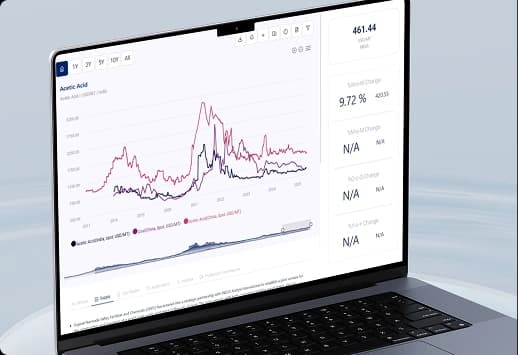
Turn price intelligence into action with the Procurement Resource Database. Log in or subscribe to unlock live price trends, historical charts, supplier databases, cost curves, and analyst-backed insights across chemicals, agriculture, energy, packaging, and more. Use these tools to benchmark your contracts, plan budgets with confidence, and stay ahead of market moves on every product you buy.
Ammonia Dashboard Inclusions

0
+Products
0
+Regions
0
+Subscriptions
| Product | Category | Region | Price | Last Updated Month |
| Ammonia | Agriculture, Farming and Commodity | India | 448 USD/MT | October 2025 |
| Ammonia | Agriculture, Farming and Commodity | India | 460 USD/MT | December 2025 |
Asia
The Chinese liquid ammonia market displayed notable volatility during the fourth quarter, with pricing movements reflecting shifting supply-demand dynamics. The opening period witnessed relative stability as prices stopped their earlier declining trend and entered range-bound consolidation. Supply remained at medium-high operating levels with few maintenance activities, creating oversupply conditions that kept prices subdued. Natural gas feedstock costs declined substantially, reducing production cost support for gas-based producers. Downstream demand from urea and compound fertilizer sectors remained tepid as agricultural consumption failed to meet seasonal expectations, while industrial demand maintained baseline levels without significant variation. Mid-quarter brought pronounced strengthening as supply conditions tightened due to environmental inspections affecting northern production facilities and maintenance shutdowns at multiple plants. Compound fertilizer operating rates increased, improving urea demand and supporting price appreciation. The latter portion witnessed moderation as environmental inspections concluded and maintenance-affected facilities prepared to resume operations, returning the market toward balanced supply-demand conditions with prices stabilizing at levels below mid-quarter peaks.
Meanwhile, Indian ammonia markets experienced consistent strengthening throughout the entire fourth quarter. The Rabi season, representing India's winter crop cycle, generated heightened fertilizer demand as farmers prepared fields and applied nutrients for wheat, pulses, and other winter crops. Supply-demand fundamentals tightened as domestic production struggled to fully meet elevated consumption requirements from the agricultural sector. The progressive price increases reflected this seasonal demand surge, with fertilizer manufacturers and distributors maintaining active procurement schedules to serve agricultural markets. The prices were about 448 USD/MT (CFR) in October and around 460 USD/MT in December.
Europe
European ammonia market trends closely resembled the Chinese market trends, with initial stability transitioning to mid-quarter strength before moderating toward year-end. The opening period displayed consolidation as conventional ammonia supply remained adequate. Mid-quarter brought appreciation driven by supply disruptions at major production facilities and preparations for Carbon Border Adjustment Mechanism implementation. The latter portion witnessed stabilization as market participants adjusted inventories ahead of regulatory changes, with prices consolidating gains achieved during the strengthening phase.
North America
North American markets mirrored Chinese and European dynamics, experiencing initial range-bound conditions followed by slight appreciation and late-quarter moderation. Supply disruptions at key production facilities created temporary tightness, supporting price increases during the middle portion. New capacity additions provided relief toward quarter-end, allowing prices to stabilize at elevated but more sustainable levels as the period concluded.
| Product | Category | Region | Price | Last Updated Month |
| Ammonia | Agriculture, Farming and Commodity | India | 449 USD/MT | July 2025 |
| Ammonia | Agriculture, Farming and Commodity | India | 456 USD/MT | September 2025 |
Stay updated with the latest ammonia prices, historical data, and tailored regional analysis
Asia
The Chinese ammonia market experienced a period of sharp fluctuations in the third quarter. Prices initially climbed quickly due to reduced supply as several plants underwent maintenance, creating temporary tightness in the market. This was followed by a steep correction when operations resumed, inventories increased, and imports added further supply pressure.
Demand from both fertilizer and industrial sectors remained weak, which weighed on overall performance. Toward the later part of the quarter, limited supply adjustments provided brief support, but overall sentiment remained cautious, with prices settling lower than earlier in the period. In contrast, the Indian ammonia market followed a steadier upward path across the quarter.
The prices were about 449 USD/MT (CFR) in July and around 456 USD/MT in September. Prices moved gradually higher, reflecting firm import costs and consistent demand from the fertilizer segment amid the kharif planting season. The trajectory was more controlled compared with China, with fewer sharp swings in market activity. Toward the end of the period, the trend showed signs of flattening, suggesting a slowing of demand and planting. The Indian market, therefore, ended the quarter on a relatively stable note.
Europe
Ammonia prices in Europe remained subdued throughout the quarter. Regional production was still affected by cost-related challenges, but available output was sufficient to meet market requirements. Fertilizer off-season conditions limited consumption, while industrial demand was steady but not expansive.
Imports from global suppliers continued to place downward pressure on domestic producers, preventing any meaningful price recovery. Overall, European market activity reflected a weak balance, with participants largely holding back from significant purchases while waiting for clearer signs of demand improvement in the upcoming cycle.
North America
In North America, ammonia pricing was comparatively stable during the quarter. Retail data showed moderate movements, with ammonia showing less volatility than other nitrogen fertilizers. Agricultural application demand remained limited, which tempered price momentum, while domestic production and logistics operated without major disruption.
Broader global developments, such as supply constraints elsewhere and potential trade measures, added uncertainty but did not create notable shifts in local pricing. The market remained steady, with participants focusing on inventory positioning for the upcoming planting cycle.
| Product | Category | Region | Price | Last Updated Month |
| Ammonia | Agriculture, Farming and Commodity | India | 435 USD/MT | April 2025 |
| Ammonia | Agriculture, Farming and Commodity | India | 438 USD/MT | June 2025 |
Stay updated with the latest ammonia prices, historical data, and tailored regional analysis
Asia
The Chinese ammonia market experienced significant volatility during Q2 2025. Prices initially declined, after which they became range-bound during the course of the quarter. This was mostly a reflection of an oversupply scenario. Resumed operations and increased urea-to-ammonia conversion by manufacturers boosted supply, creating pressure on prices.
Agricultural demand continued to be weak as the off-season persisted, with industrial demand steady but not strong enough to sustain prices. Even as producers tried to vary production rates, the market continued to suffer from weak demand, with prices fluctuating in a tight range by the end of the quarter. In Q2’25, the ammonia price curve witnessed mixed trends in the Indian markets.
The prices were about 435 USD/MT (CFR) in April and around 438 USD/MT in June. Prices first declined modestly and kept falling during the quarter as a result of excessive supplies. Local production and imports maintained the market sufficiently supplied, while farm demand was soft as a result of the off-season. However, as the quarter progressed, the prices witnessed a slight rebound amid the pre-stocking behaviour before the kharif season. Consequently, the prices recovered by the end of the quarter.
Europe
In the European region, the ammonia market resembled the trends of the Chinese region during the second quarter of 2025. The region faced oversupply due to stable production levels and imports, which kept prices fluctuating but largely unchanged. Agricultural demand was weak, being an off-season, while industrial demand fluctuated marginally.
The market experienced periodic price drops, but these were generally attributed to the surplus supply and the absence of firm demand from agricultural as well as industrial sectors. The market was under strain throughout Q2, with price action generally being limited to minor fluctuations more than substantial changes.
North America
North America witnessed trends similar to the other global counterparts during the quarter. Prices took a declining trend since supply levels were high, and agriculture and industry demands were stagnant. Demand in the agricultural sector was low, and industrial demand was not sufficient to support an increase in prices.
Production level adjustments intended to stabilize the market were inadequate to change the declining trend. In Q2, the market in North America was still quiet, with prices consolidated at low levels.
| Product | Category | Region | Price | Last Updated Month |
| Ammonia | Agriculture, Farming and Commodity | India | 525 USD/MT | January 2025 |
| Ammonia | Agriculture, Farming and Commodity | India | 454 USD/MT | March 2025 |
Stay updated with the latest ammonia prices, historical data, and tailored regional analysis
Asia
In the Chinese region, ammonia prices fell in Q1 2025 primarily because of the oversupplied market conditions. Although the early part of the quarter saw some price increases due to tighter supply, this was short-lived as oversupply became more apparent. The introduction of new production capacity, with more Ammonia available, pushed the market downwards.
Additionally, poor farm demand in the off-season and the absence of a major uptick in industrial segments caused prices to fall. Market players, noticing higher supply and subdued demand, began adjusting prices downward. The volatility in ammonia prices continued as supply conditions fluctuated, with the market ending the quarter on a softer note.
In India, ammonia prices followed a similar pattern as that witnessed in China, with a noticeable decrease in prices over the first quarter of 2025. The prices were about 525 USD/MT (CFR) in January and around 454 USD/MT in March. Although some initial stability was observed in the market, the increased production from manufacturing facilities resulted in an oversupply situation, pressuring prices to depreciate. Furthermore, the off-season for agricultural demand, combined with low industrial uptake, pressured the ammonia prices. While there were some oscillations, the overall attitude of the market remained subdued.
Europe
In Europe, the ammonia price trend mirrored the trends of the Chinese region, with ammonia prices declining during the first quarter of 2025. The oversupply in the market had its bearings on prices by pushing them downwards. Although some of the industrial segments recorded stable demand, it was not sufficient to consume the surplus Ammonia in the market, and hence the prices started moving downwards. The recovery in downstream demand was slow and could not prevent the overall price decline. As new production facilities ramped up, the market faced a supply glut, and prices continued to fall steadily through the quarter.
North America
In North America, the ammonia price curve followed the trends of its global counterparts in the first quarter of 2025. Prices started the quarter with minor gains but ultimately turned negative. Though industrial demand remained consistent, the surplus supply and the slower-than-anticipated agricultural demand contributed to the falling prices. The market saw some price fluctuations, but the overall trajectory was downwards due to the supply-demand imbalance.
| Product | Category | Region | Price | Last Updated Month |
| Ammonia | Agriculture, Farming and Commodity | India | $545 Per Metric Ton | October’24 |
| Ammonia | Agriculture, Farming and Commodity | India | $528 Per Metric Ton | December’24 |
Stay updated with the latest ammonia prices, historical data, and tailored regional analysis
Asia
Ammonia prices in Asia remained relatively stable throughout the fourth quarter of 2024, with occasional fluctuations driven by supply constraints and shifts in demand dynamics. While production in key export regions such as the Middle East and Southeast Asia recovered following earlier disruptions, intermittent plant outages, and maintenance turnarounds kept supply tight. The market also witnessed volatility due to fluctuating demand from downstream fertilizer producers, particularly in India, where sullen urea procurement trends significantly influenced ammonia trade flows. The monthly average CFR prices in India went from about 545 USD/MT in October’24 to around 528 USD/MT in December’24.
In China, domestic availability was affected by government-imposed export restrictions, limiting the outflow of ammonia-based products. Freight market instability and rising logistical costs further added to price fluctuations, particularly for shipments to Northeast Asia. However, toward the end of the quarter, subdued industrial activity and cautious year-end purchasing softened demand, easing some of the price pressure. Overall, the ammonia market in Asia exhibited a balanced outlook, with supply constraints trying to counter a gradual slowdown in consumption.
Europe
Ammonia prices in Europe showed a mixed trend in Q4 2024, with initial support from supply-side constraints offset by weaker demand fundamentals. Production disruptions, including a Norwegian gas platform shutdown, contributed to tighter availability, but abundant inventories and sluggish downstream consumption, particularly in the agricultural sector, limited upward price movement. Urea prices softened amid excess supply and logistical challenges, reducing ammonia's market strength.
The UK saw temporary price spikes due to supply chain disruptions, but demand fluctuations prevented sustained gains. Additionally, economic uncertainty and cautious buyer sentiment, exacerbated by volatile energy costs and unpredictable weather, weighed on purchasing activity. By quarter-end, the European ammonia market remained under pressure, with supply outpacing demand and broader industrial activity showing signs of deceleration.
North America
North American ammonia prices in Q4 2024 exhibited relative stability, with subdued demand counterbalancing supply-side constraints. Weak purchasing activity from the agricultural sector, driven by lower crop prices and tighter farmer margins, weighed on demand, despite seasonal restocking efforts. On the supply side, natural gas prices remained subdued, easing production costs for nitrogen-based fertilizers.
However, logistical challenges, including transportation bottlenecks along key routes, led to sporadic price fluctuations. Additionally, reduced Urea exports from North America to South America hinted at supply prioritization within the region. Overall, while ammonia prices remained stable, market participants remained cautious amid potential policy shifts and global economic uncertainties.
| Product | Category | Region | Price | Last Updated Month |
| Ammonia | Agriculture, Farming and Commodity | China | 575 USD/MT | July’24 |
| Ammonia | Agriculture, Farming and Commodity | China | 536 USD/MT | September'24 |
Stay updated with the latest ammonia prices, historical data, and tailored regional analysis
Asia
In the Chinese market, the prices of ammonia were volatile during the third quarter of 2024. The quarterly price pattern showcased more declines than inclines. The market sentiments were generally weak in all the major markets, especially India and China. The primary demand for ammonia comes from the fertilizer sector, but agricultural demand entered off-season in the said quarter. In addition to this, the industrial demand for ammonia also remained rigid.
Demands were not very supportive in the previous quarter as well, this resulted in the accumulation of stocks in inventories. And the gap between supply and demand outlooks widened even more resulting in a downfall of prices. Despite the rise in upstream natural gas prices, excess supply offset its effect on market prices. The monthly average prices in the Chinese market went from about 575 USD/MT in July’24 to around 536 USD/MT in September of 2024. Overall, a dull market performance was experienced for ammonia during Q3’24.
Europe
The European ammonia market showed a fluctuating trend during the third quarter of 2024. At the beginning of the quarter, the market was still struggling with dull demands amidst stable supplies, however, as the quarter progressed the prices started stabilizing in the European markets. Ammonia prices were influenced by ongoing export restrictions and trade diversions, particularly from Russia, which has impacted global supply. However, Europe was able to substitute Russian ammonia imports with supplies from alternative sources, such as Egypt.
Despite the challenges posed by sanctions on Belarus, exports from both Belarus and Russia have remained stronger than expected, with Belarus increasing shipments to China. This trade redirection, alongside a more stable production environment, has contributed to a relatively stable pricing trend for ammonia in the said quarter. In July 2024 Germany awarded a tender, to UAE-based Fertiglobe for the purchase of at least 259,000 metric tons of green ammonia from Egypt, starting next year marking a significant step in the country's decarbonization efforts and expansion of green hydrogen usage.
North America
Following the trend of the previous quarter, ammonia prices showcased a volatile trend in the American market during Q3’24. The primary demand for ammonia comes from the fertilizer market, which is strongly affected by seasonal cycles. In contrast, the upstream manufacturing costs tend to be more influenced by broader energy market dynamics. Therefore, the downward pressure on prices of fertilizers from falling demands was slightly balanced out with the inclining energy and natural gas prices which helped to stabilize the price of ammonia in the North American market. Range bound fluctuations were witnessed in the American ammonia market during the said peirod.
Asia
In the Chinese market, ammonia prices registered a continuous decline throughout the second quarter of 2024, following a period of price stagnation. A lack of new inquiries from the international market led to a wait-and-see approach among market participants, fueling the price reductions of ammonia.
This sentiment was also driven by ongoing market inactivity and low procurement enthusiasm despite the imminent planting season, a period typically characterized by rising demand. Additionally, reduced demand for various downstream derivatives such as urea, acrylonitrile, and amino acids further pressured ammonia prices. These derivatives, important for agricultural and chemical sectors, saw lower consumption rates, escalating the downward trend in the ammonia market.
Europe
The European ammonia market performed no differently from the rest of the globe as the prices here, too, traced a southwards trend. The trend was influenced by the sluggish demand from the agricultural sector and other key markets. Disruption of the exporting routes amid the ongoing Israel-Hamas crisis, elevation in freight charges due to rising instances of Houthi attacks on shipments, and inclination in cargo shipment charges also shared a fair percentage in keeping the ammonia prices downward.
On the other hand, the manufacturing activities worked at their peak efficiency and were fueled by the investor's optimism. However, the weak demand for the commodity imbalanced the supply-demand equilibria and eventually only led to the rise in the stockpiles, intensifying the concerns of the traders.
North America
In North America, the anhydrous ammonia market continued its downward trend into the first week of June. The primary factor behind the price decline was reduced purchasing activity from key downstream fertilizer markets. This reduction in demand occurred despite the ongoing planting season for major crops such as rice, barley, and corn.
Extreme heat waves across the region disrupted planting operations, leading to a softer market for anhydrous ammonia. Additionally, ammonia manufacturing units were operating at healthy rates, ensuring a stable supply. The Manufacturing Purchasing Managers' Index (PMI) was revised higher in May, reflecting improved business confidence and positive sector expectations, contributing to stable ammonia production levels. Furthermore, an increase in the Producer Price Index (PPI) for nitrogenous fertilizer manufacturing indicated strong demand and favorable market conditions, although this did not immediately translate into higher ammonia prices.
| Product | Category | Region | Price | Last Updated Month |
| Ammonia | Agriculture, Farming and Commodity | India | 435 USD/MT | January’24 |
| Ammonia | Agriculture, Farming and Commodity | India | 436 USD/MT | March’24 |
| Ammonia | Agriculture, Farming and Commodity | China | 446 USD/MT | March’24 |
Stay updated with the latest ammonia prices, historical data, and tailored regional analysis
Asia
Ammonia prices in the Asian market were observed to be oscillating within confined limits during the first quarter of the year 2024. The inventories were already sufficiently stocked and the downstream demands from the agricultural and fertilizer sectors were also very humble. Because of these dull demands the monthly average prices in the Indian market first fell from January to February. Further, as the sowing season arrived the market situation changed; the price graph shifted upward again.
In the Indian market, the ammonia prices averaged at around 435 USD/MT in January '24 and then, following a confined trajectory, went to about 436 USD/MT in March '24. A similar trajectory was seen in the Chinese ammonia market as well. Some cost support came from the rising upstream rates after a rise in energy prices in the global market. Overall, a very mixed price pattern was witnessed in Q1'24.
Europe
In Q1'24, the European ammonia market experienced a downward trend, continuing from the end of 2023. Production costs dropped, affecting the market in Western Europe and the Baltic region. February saw subdued demand and lower natural gas prices, reducing production costs further.
Despite this, Europe remained reliant on imports as many producers held off on increasing European production. The market is expected to remain under pressure, but the approaching spring application season could lead to increased demand. The geopolitical situation in the Red Sea has also impacted the market, with Middle Eastern producers facing logistical challenges.
North America
In the USA, the ammonia market has been poised for limited demand in Q1 2024, influenced by a robust fall application season, notably in the corn belt states like Illinois and Iowa, where record delivery volumes have been noted. This trend is expected to have curbed initial interest in ammonia purchases for the spring, potentially leading to a dynamic where farmers have bought only what they need just before planting. A similar purchasing pattern to the last spring season was noticed. Suppliers kept on reducing prices in order to promote purchases. Because of this, both slightly upward and downward movements were observed in the American ammonia market.
| Product | Category | Region | Price | Last Updated Month |
| Ammonia | Agriculture, Farming and Commodity | India | 480 USD/MT | December’23 |
| Ammonia | Agriculture, Farming and Commodity | China | 516 USD/MT | November’23 |
Stay updated with the latest ammonia prices, historical data, and tailored regional analysis
Asia
The production of ammonia in many Asian countries has taken a green route as the field has gained enormous interest from investors. The prices of ammonia in the fourth quarter thus rose consistently but registered some month-on-month fluctuations.
The manufacturing units in Saudi Arabia registered a delay in their operation, which depleted the inventory levels and helped in the rise in the Ammonia Price trend. In the Chinese domestic market, ammonia prices averaged around 516 USD/MT in November’23, while ammonia prices averaged around 480 USD/MT (CFR, India) in December’23 in the Indian domestic market.
Europe
For the European markets, adverse weather conditions, such as heavy rainfall, disrupted the natural plantation cycle during the later months of the quarter, and thus, after struggling to maintain its momentum, the prices of ammonia declined during the end of the month. The downstream industries, especially the fall of the fertilizer sector, also seemed to have triggered a food inflation war in the European countries, which in turn had an adverse effect on ammonia prices.
North America
The supply sector crunch caused by the disruption of the Panama Canal route reduced the number of exports from the nation drastically and thus caused the level of inventories to rise in the fourth quarter of 2023. Additionally, the pessimistic approach adopted by the consumer sector seen in the European countries was also followed in this region. The region inspected that the demand season of ammonia from the fertilizer industries has peaked and thus did not show any movement during this time, leading to the downfall in the prices at last.
Asia
The derivatives of ammonia witnessed a surge in their demand from the domestic and international markets, which resulted in a hike in the Ammonia Price trend. The market sentiments dwindled with the poor performance of the supply chains while the demand remained strong, broadening the gap between demand and supply. Along with this crunch in supply chains, production activities were also affected by the sudden closure of some production plants, depleting the level of inventories and eventually causing the ammonia prices to increase by almost 17% in China.
Europe
The positive outlook of ammonia and its derivatives demand in the European countries proved beneficial for the ammonia price graph. The ammonia price analysis of the third quarter was also affected by the disturbance in the production rates and availability of natural gas. In addition to this, the cost of raw materials, the influx of expensive imports, and weak performance of the European currencies combined resulted in the northward movement of Ammonia Price trend.
North America
The reduced output of the agricultural sector in view of the drought-like condition in North America somehow negatively affected the demand scenario of ammonia, but restocking activities of the fertilizer traders, along with only moderate production, gave the ammonia prices its required boost.
In the later phase of this quarter, the stable demand for ammonia and its derivatives, along with improving production rates, gave the ammonia market an overall optimistic outlook.
Asia
The ammonia market in the Asia-Pacific region remained bearish as the prices declined in the said period. The region witnessed low demand from the downstream industries, and as a result, the prices declined from around 643 USD/MT in January to 409 USD/MT in June’23 in the Chinese domestic market. The fall in the prices was gradual in the first quarter but became steep in the second quarter. The downstream fertilizer industry witnessed an excess availability of nitrogen-based fertilizers and thus reduced their offtakes, aiding the falling trajectory of ammonia prices in the region.
Europe
In Europe, the price trend for Ammonia registered a downward trajectory, given the continuous fall in natural gas prices. Furthermore, the feeble demand for nitrogen-based fertilizers to ample availability further affected ammonia prices.
In addition, the whole European region suffered from weak market sentiments, and a reduced number of offtakes from the downstream industries combinedly kept the price trend of Ammonia in the negative zone. The prices of Black Sea ammonia averaged around 300-310 USD/MT FOB in April’23, while Northwest Europe averaged around 390-430 USD/MT CFR in April’23.
North America
The North American region was not much different from its European and Asian counterparts. Ammonia prices dipped in the said period as the demand from local and international buyers declined significantly.
The price trend also suffered from the rise in the inflow of imports with the opening of ports leading to the disruption in the supply-demand dynamics of the region. Further, the demand from the fertilizer industry affected the pricing fundamentals. The fertilizer prices continued to fall in the first half of 2023, given the downward pressure on grain, energy, and other commodities. The ammonia prices averaged around 500-550 USD/MT FOB Tampa at the beginning of May and end of April period.
Asia
The prices of ammonia fell through the said period owing to the relaxed upstream costs. The prices and supply of coal stabilized after reaching peaks in the first half of the year. With the decrease in the feedstock prices, the operating rates soared leading to stockpiling of products in the market.
The muted demands from the market, especially the fertilizer industry, further crashed the prices in the market. Also, the power rationing by the Chinese government deeply impacted the industrial economy. In India, the ammonia prices were bleak owing to weak demand and abundant supply. The prices of ammonia went from 1156 USD/MT (CFR India) (approx..) in September to 870 USD/MT (CFR India) in December’22.
Europe
The price trend for ammonia in Q3 were on the higher end of the scale in the European region owing to the soaring prices of crude oil. The European embargo on Russian oil exports caused high-cost inflation in Europe. Many manufacturers such as BASF shut down their ammonia production units because of the high operating costs and low margins. However, the price trend witnessed an oscillating pattern in the fourth quarter. Soon the high prices led to demand destruction as the purchasing power of the people was limited owing to the hike in interest rates by the central banks worldwide.
North America
The prices of ammonia fell in the Us domestic market owing to the dwindling demand from the downstream sectors. Despite the lowered costs of feedstocks and operating costs the supply and prices remained low due to the cautious buying activity of the buyers amid the interest hikes and economic slowdown.
Asia
Due to the restrictions by China on exports of the fertilizer to meet its domestic demands, the prices soared globally. Coupled with the complex geopolitical arrangements, they hit a record-breaking high.
However, in the current quarter, the prices began to fall due to strong resistance from the buyers to purchase at these higher dictated prices.
Europe
Due to the rising natural gas price in Europe, the factories were forced to cut down their production due to the ongoing confrontations, sanctions, and supply chain disruptions causing the price to rise. The reluctance of the buyers to buy at such high costs and low market sentiment caused the fertilizer’s prices to plunge.
The Baltic ammonia averaged 919-988 USD/MT, while the Black Sea ammonia averaged 938-960 USD/MT FOB. The price remained strong despite this slight plunge compared with the last quarter. The price trend for the fertilizer will tend to remain uncertain this year due to volatility in the European market.
North America
Despite the growing prices of fertilizers, a dip was recorded in the current price of ammonia.
The June spot price of Tampa (Florida) ammonia was 1000 USD/MT, 30% less than the 1425 USD/MT recorded in May 2022. This dip in the market was due to buyers balking because of the record high prices in the market. Regardless, ammonia prices are overall 87% higher as compared to the previous year owing to the uncertainties in its supply and market demands.
Asia
Shandong liquid ammonia market stopped increasing and steadied on March 28, and pricing was unchanged from the previous weekend at 5000 RMB/MT. There being no inventory pressure in the region, products were sparse, and downstream regular procurement was the primary source of supply.
The prices of most big factories remained unchanged in March, and the high costs had influenced some demand, but ammonia supply in the region remained limited. The failure of liquid ammonia production was caused by the conversion of some ammonia firms to urea, further maintaining the high costs. During the first quarter of 2022, supply and demand were evenly balanced.
Europe
Following Russia's invasion of Ukraine, the shutdown of the Black Sea Yuzhny port in February resulted in the loss of Russian exports, which generally account for roughly 4.5 MMT or 20% of global seaborne trade yearly. Sanctions against a number of Russian billionaires linked to fertiliser manufacture shut off much of the supplies from Baltic Sea firms such as EuroChem and Uralchem.
Fertilizer major Yara halted ammonia production at its locations in Ferrara, Italy, and Le Havre, France, on March 9, citing record high natural gas prices in Europe. After completing a series of industry-reported deals, including a record high settlement price of the monthly CFR Tampa contract at 1,625 USD/MT, the business stated that it was resuming ammonia production at the two sites.
Asia
Overall, the market in Asia was optimistic, with robust demand in India to fulfil their needs throughout the rabi crop season, while the outlook for Chinese ammonia in the local spot market remained bullish, thanks to increasing natural and coal gas prices.
Furthermore, the influence of Chinese authorities' dual-control energy consumption restrictions to decrease carbon emissions and limit power use prevailed in the fourth quarter of 2021. As a result, some ammonia factories had to reduce their output, causing China's government to outright restrict downstream urea shipments to the foreign market.
Europe
The rise in ammonia prices since the summer months were mostly ascribed to the rise in natural gas costs. Following a rise in the price of natural gas used in the manufacturing process, many companies lowered ammonia production at various factories in Europe from September to November, reducing the overall production in the region.
Ammonia prices in Europe were the highest in the world as of Dec. 15, at 1,120 USD/MT CFR Northwest Europe while FOB Black Sea, a major source of ammonia for Europe, was 1,055 USD/MT (up 49%). The strong pricing for both ammonia and natural gas feedstock in Europe prompted European customers to search for available spot cargoes in other key ammonia production hubs around the world, such as the Caribbean and the Middle East, causing prices to rise globally.
North America
As a result of Hurricane Ida, several US Gulf nitrogen plants remained offline in October, causing the production to halt. Ammonia prices surged in the Midwest, with Koch declaring new levels as high as 1,100 USD/MT FOB at its Corn Belt terminals and plants; a near two-fold increase over prices of 650 to 680 USD/MT in the Midwest recorded at the end of September. CF and other producers and sellers in the region followed Koch's lead, with CF setting a new price of 1,200 USD/MT FOB for overpull delivery amounts in the Northern Plains and Iowa.
Asia
Per ton price of liquid ammonia in Shandong rose from around 3,200 RMB at the start of the year to 5,300 RMB in mid-October, a 65% increase. It surpassed a ten-year high. Ammonia prices dropped to around 4,200 RMB/MT in the last two months of the year, with an overall increase of over 35% for the year. The main reason was that as the domestic epidemic continued to ease, the domestic economy recovered quickly, and its demand grew steadily under the favourable national policy to support the agricultural economy.
Europe
In early 2021, domestic agrochemicals firms in Europe had a strong demand for the compound, but supply was inconsistent. Due to high demand and limited availability, dealers were compelled to pay premium prices for it. Later in the year, demand from the nitrogen-based fertilisers sector remained strong enough to maintain the overall price trend.
Russian manufacturers' output remained at an all-time high, owing to strong regional and local demand in the fertiliser sector. Furthermore, during early April, the Suez Canal blockade had an impact on ammonia’s regional prices and its downstream derivatives, as supply between Asia and Europe was disrupted for a week.
As the European natural gas prices witnessed a sharp increase in early September, operations of ammonia plants in Europe became increasingly difficult. As a result, BASF reduced its production at its factories in Antwerp, Belgium, and Ludwigshafen, Germany. Similarly, Yara reduced its European production capacity by roughly 40%, including ongoing maintenance optimization. As a result, ammonia prices in Europe continued to grow sharply by roughly 300 USD/MT since January 2021. In September, CFR Hamburg prices were 710 USD/MT in Germany.
North America
In June 2020, anhydrous ammonia prices in the United States dipped to 226.50 USD/MT before rapidly rising to 432.50 USD/MT in February 2021. Anhydrous ammonia prices jumped 34% to 580 USD/MT in March 2021. Prices have continuously risen since then, reaching 1,022.50 USD/MT in October 2021, the highest level since 2008.
Ammonia price ncrease is often linked with natural gas prices. However, natural gas accounted for only 15% of the increase in its price in October. When this increase was subtracted, it was found that ammonia prices followed the trend of corn prices. Corn is a major user of fertilizers, with nitrogen accounting for more than 50% of the cost.
Latin America
Fertilizer production in Mexico fell 17.6% in the first quarter of 2021, from 0.62 MT in January-March 2020 to 0.51 MT in March 2021, but apparent consumption increased by 3.8% to 1.59 MT at the same time. In March 2021, ammonia prices in Culiacán and Navolato had increased by about 20% in only one month, and by nearly 40% from January to March, reaching market highs of up to 14,900 MXN/MT.
The increase in price was attributed to factors such as reduced production. At least five factories, including three owned by Norway's Yara were shut down due to increasing natural gas prices, removing a total of 300,000 tonnes of product each month. Alongside, strong demand from fertiliser and other chemical product manufacturers, such as pharmaceuticals and cleaning products, reflected a strong rebound in the prices, forcing traders to pay premiums to ensure cash shipments due to sanitary measures imposed by Covid-19.
Asia
In 2020, the average market price of synthetic ammonia in China's key producing provinces was 2,850 RMB/MT, down 7.32% year on year. With the recovery of natural gas supplies and the impact of public health incidents, supply and demand in the liquid ammonia market were both weak in the first half of 2020, resulting in price volatility.
Later in the year, fertiliser was utilised for spring ploughing, agricultural demand surged, and prices began to rebound. Furthermore, local supply expanded dramatically as a result of the frequent shutdown of urea facilities in some large factories in the first half of the year. Alongside, the ending of spring season reduced fertilizer supply, dropping the prices further.
After a slight drop in the fourth quarter, the synthetic ammonia market continued to rise. The supply of commodities in Shanxi and other markets increasingly tightened due to atmospheric control and other factors, followed by the deletion of backward production capacity such as fixed beds in Henan, which was mostly executed by the end of December and contributed to the price increase. Recent market tensions have been exacerbated by factors such as power outages and rising coal prices.
Europe
The European business was seen struggling with low sales as coronavirus infections wreaked havoc on industrial and agricultural activities. Scheduled turnarounds and unanticipated outages hampered exports, resulting in a drop in its shipments from the Black Sea and Baltic.
In September, certain Russian ammonia tankers were booked for South Korea as a more cost-effective alternative to shipping cargo from Trinidad. In July, Russia's total production of the compound reached a new high on a year-over-year basis, with FOB ammonia prices hovering at 180-190 USD/MT.
North America
Hurricanes and tropical storms prompted turnarounds at many chemicals and fertiliser plants in 2020. Three Trinidad producers temporarily shut down output in late September, including a 500,000 tons-per-year export-oriented Trinidad Nitrogen Company Limited (Tringen) plant in Point Lisas.
Due to the unexpected drop in regional prices, Nutrien was the first to shut down portion of its output. While prices improved significantly in Southeast Asia, the Middle East, and Russia during mid-2020, the supplies in the Americas remained substantially discounted. Spot prices were estimated to be between 170-180 USD/MT FOB US Gulf.
Latin America
In early March, the price in Mexico was estimated to be approximately 6,560 MXN/MT. During the pre-planting of corn in the months of October and November, the price remained stable at an average of 10,700 MXN/MT while it dropped by 10% during the peak of planting in December, with the per tonne price being more or less 9,800 pesos.
About Ammonia
Ammonia is a colourless alkaline gas which is one of the most widely available nitrogen-containing compounds in the atmosphere. It is also known as an irritant having a characteristic pungent odour that is typically utilised at a commercial scale. Ammonia is highly miscible in water and, upon inhalation, is deposited in the upper airways.
Ammonia Product Detail
NH3
Purify water supplies, Fabrics, Plastics, Pharmaceuticals, Explosives
7664-41-7, Azane, Ammonia gas, Spirit of hartshorn
Yara International, Qatar Fertiliser Company, Nutrien Ltd., Jordan Phosphate Mines Company Limited, Eurochem Group AG, Yidu Xingfa Chemical Co., Ltd., Yunnan Yuntianhua International Chemical Co., Ltd, Chemische Fabrik Budenheim KG, Innophos, Inc., Maaden-Saudi Arabian Mining Company
Regional Coverage
Asia Pacific
Europe
North America
Latin America
Africa
CurrencyUS$ (Data can also be provided in local currency)
Supplier Database AvailabilityYes
Customization ScopeThe report can be customized as per the requirements of the customer
Post-Sale Analyst Support360-degree analyst support after report delivery
Note: Our supplier search experts can assist your procurement teams in compiling and validating a list of suppliers indicating they have products, services, and capabilities that meet your company's needs.
Ammonia Production Processes
In the Haber process, hydrogen is produced via natural gas, which is further combined with nitrogen in the presence of iron to finally form Ammonia.
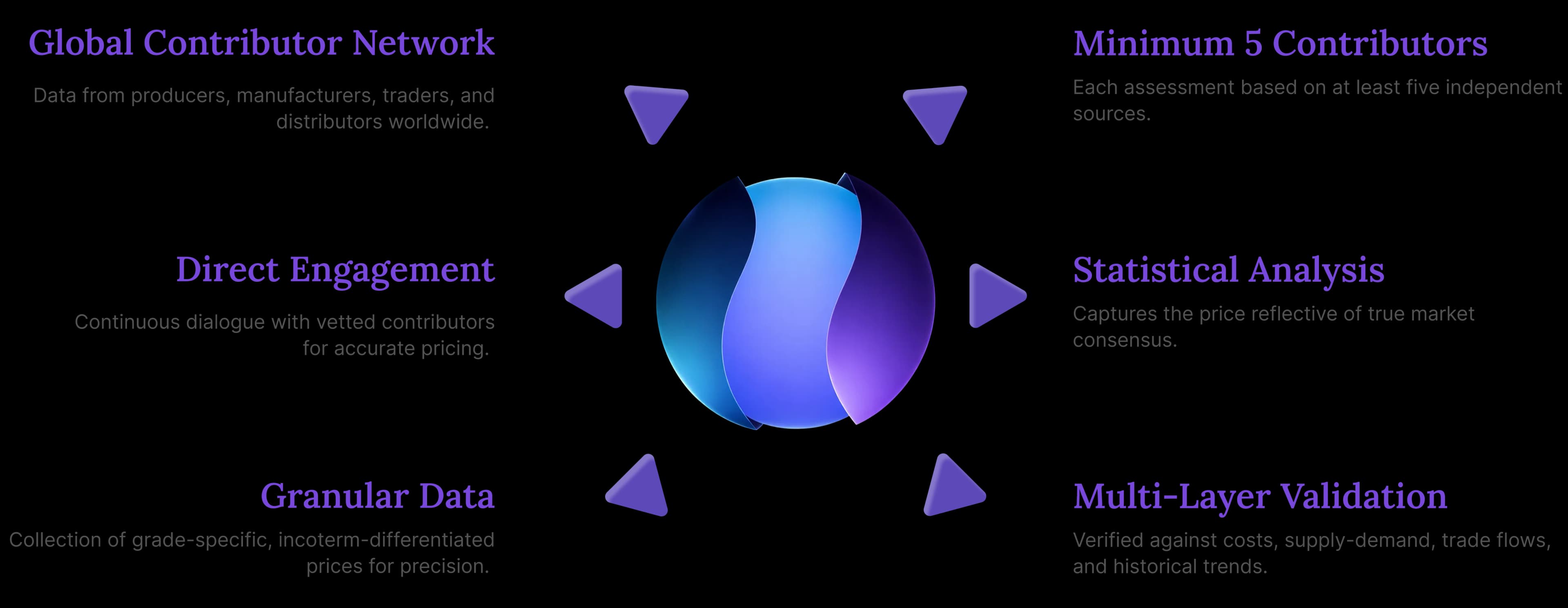
Our Price Analysis Methodology

Schedule A Demo
Experience how Procurement Resource transforms raw material price data into clear, decision ready intelligence. Optimise your performance with reliable, expert market data and analysis. Schedule your demo today to experience a live walk-through where our experts will showcase interactive price charts, forecasted prices, and insights driving the prices for your key commodities, tailored to your workflows. Contact us now!
Our Team will be happy to assist you
We are just a text away
Still Need Help ?
Other Related Reports
Nitric Acid Production from Ammonia
The report is a detailed study of economics of production of nitric acid by Ostwald’s Process. This process involves the high-temperature oxidation of anhydrous ammonia to nitric oxide in the presence of platinum or rhodium gauze.
Ammonia Production from Heavy Oils
This report provides the economy of producing ammonia by partial oxidation method.
Ammonia Production from Natural Gas
This report provides the cost structure of ammonia production by Haber Process.
Ammonium Nitrate Production from Ammonia
The report is a detailed study of economics of ammonium nitrate by the reaction of nitric acid on anhydrous ammonia resulting in an aqueous ammonium nitrate solution.
Subscription Plans
Unlock full access to Procurement Resource's price databases, interactive charts, and short-term forecasts for thousands of commodities. Elevate your sourcing decisions by comparing prices across regions, downloading historical data, and layering in analyst-backed insights, all with our flexible plans that scale as your portfolio grows.
Still have any Questions
Contact Us



Price Trend Dashboard - What's Included
Price trends across a diverse portfolio of categories amd products, spanning board to niche chemicas
Coverage extendable to grade-specific chemicals based on procurement requirements
Regular price tracking supported by robust historical datasets
News, policy updates, and key market drivers impacting price movements
Short-term and long-term price outlooks and forecasts
Supply–demand dynamics and capacity-driven market analysis
- Unlimited Users
- Historical Monthly Price
- USA, Europe, APAC Covered
- Monthly Forecast
- 12 Months validity
- News & Events
- 50 Products (Refer Next Page For List)
Related News
View All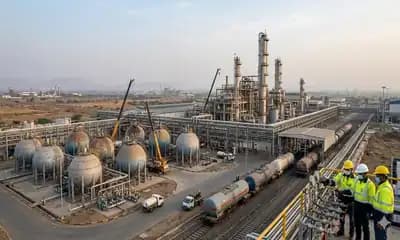
Balaji Amines operations hit by ammonia shortage linked to West Asia conflict
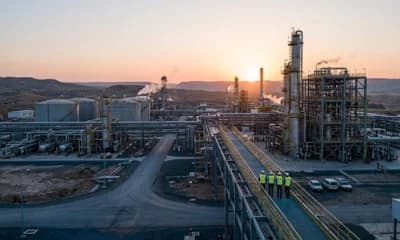
Deepak Fertilizers And Petrochemicals Corporation (DFPC) Is Set To Initiate Operations At Their New 500 MTPA Ammonia Plant; A Project Worth Rs 4,350 Crore From Q3 Of FY2024
.webp&w=1080&q=75)
Norweigan Government Took Substantial Steps for Environment Safety by Granting EUR 5.9 m to Wartsila, Hoegh for Hydrogen Carrier Initiatives via Ammonia Deployment
Why Procurement Database

Assistance from Experts
Throughout 2024, the Asian acetoin market experienced fluctuating trends with regional variations. Q1 began with moderate price increases driven by supply constraints from Chang Chun Plastics' maintenance shutdown in Taiwan. Post-S...

Client's Satisfaction
Throughout 2024, the Asian acetoin market experienced fluctuating trends with regional variations. Q1 began with moderate price increases driven by supply constraints from Chang Chun Plastics' maintenance shutdown in Taiwan. Post-S...

Assured Collaboration
Throughout 2024, the Asian acetoin market experienced fluctuating trends with regional variations. Q1 began with moderate price increases driven by supply constraints from Chang Chun Plastics' maintenance shutdown in Taiwan. Post-S...
Global Insights
Throughout 2024, the Asian acetoin market experienced fluctuating trends with regional variations. Q1 began with moderate price increases driven by supply constraints from Chang Chun Plastics' maintenance shutdown in Taiwan. Post-S...