Anhydrous Milk Fat Price Trend Analysis 2026: Price Drivers, Supply Demand Analysis, Market Insights, Historical Prices & Latest News
Anhydrous Milk Fat Price Trend 2025
Asia
In Asia, prices for AMF were firm throughout 2025. In the first half, prices slightly increased due to the increased demand from dairy processors and food manufacturers. In Australia, moderate support for prices of AMF was noted due to favorable seasonal milk production and export opportunities. In the second half of the year, prices for AMF increased due to the need for holiday demand. Favorable weather conditions resulted in farm margins, keeping the prices firm.
Europe
European AMF prices had mixed movements during 2025. In the first half, prices were relatively stable, with an increase in milk production, albeit at a gradual pace, and processors paying relatively stable prices to maintain their supplies. In the second half, however, prices were affected by an increase in global milk supplies, along with declining commodity values, especially for butter and cheese. Competition from imported products, along with declining wholesale prices for dairy commodities, impacted AMF prices. Organic AMF prices performed slightly better than conventional ones due to their relatively high demand and input costs. Overall, prices declined during the second half.
North America
AMF price levels in North America exhibited contrasting trends in the US and Canada. In the US, production has been steadily increasing over the course of the year, contributing to global supply and thereby exerting a downward pressure on AMF prices in the latter half of 2025. In Canada, AMF price levels have been sustained through changes to farmgate pricing levels, reflecting increases in production costs and the need to sustain farmer margins.
Analyst Insight
According to Procurement Resource, Anhydrous Milk Fat (AMF) prices are expected to remain relatively stable in the near term, influenced by global milk production and seasonality.
Our Clients































Procurement Resource Database
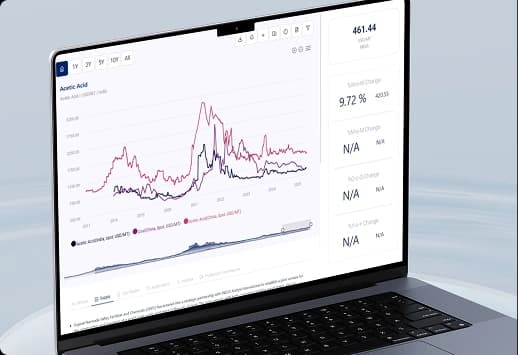
Turn price intelligence into action with the Procurement Resource Database. Log in or subscribe to unlock live price trends, historical charts, supplier databases, cost curves, and analyst-backed insights across chemicals, agriculture, energy, packaging, and more. Use these tools to benchmark your contracts, plan budgets with confidence, and stay ahead of market moves on every product you buy.
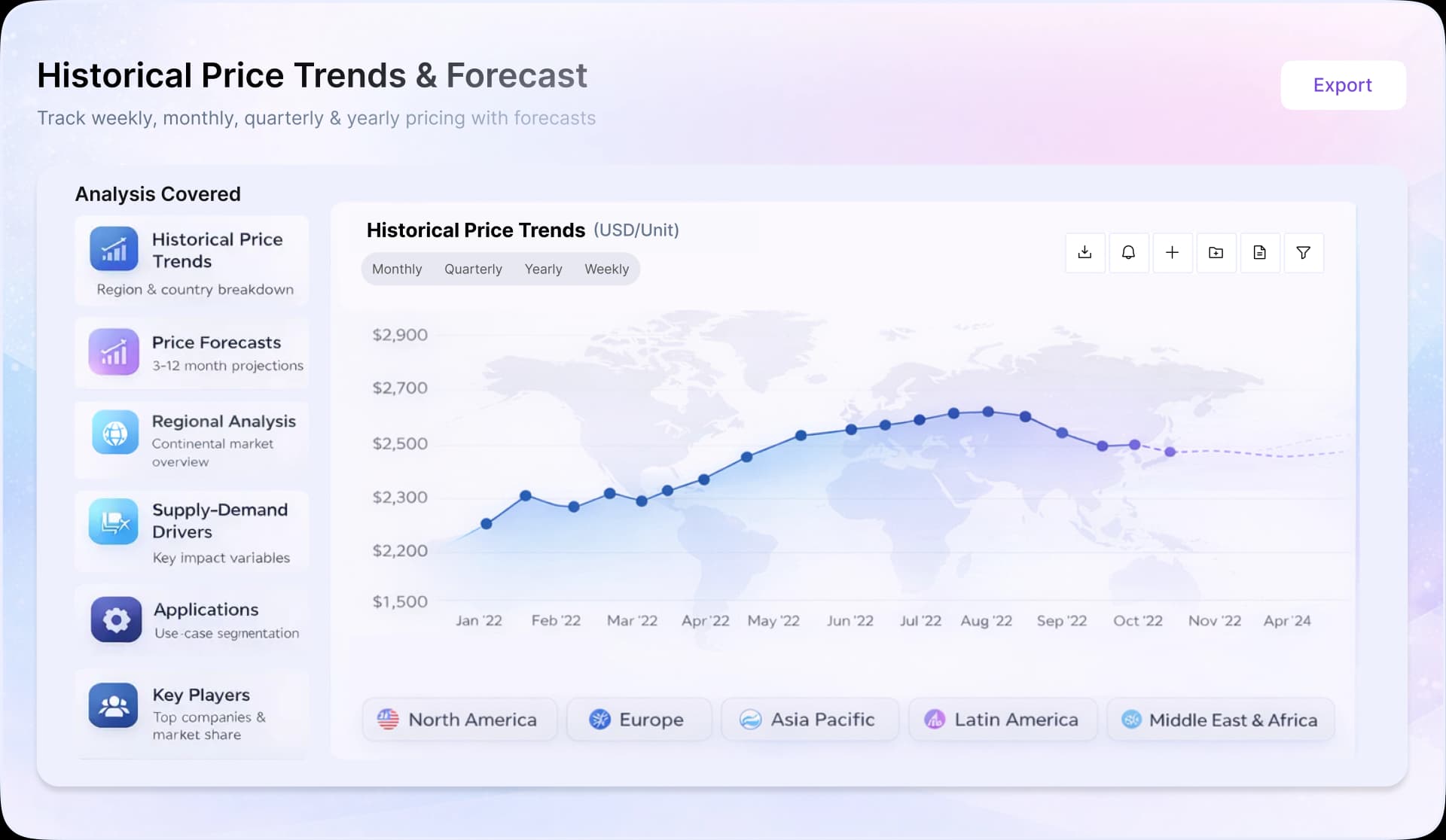
Anhydrous Milk Fat Dashboard Inclusions
0
+Products
0
+Regions
0
+Subscriptions
The market for anhydrous milk fat saw considerable volatility in the second half of 2024 due to complex supply and demand dynamics. The price of milk fat was directly impacted by issues with dairy production, such as declining herd sizes and geographical variations in milk collections. The market was characterized by a tighter supply, as international markets performed differently, and U.S. milk production declined.
Significant fluctuations in spot milk prices led to uncertainty in derivative products such as anhydrous milk fat. Reduced demand for food service was somewhat countered by higher grocery spending, which made market pricing even more complex. Improved margins prompted dairy farmers to closely control production, while new technology, such as AI-powered herd monitoring, started to affect operational efficiency.
With major players like China retaining strong demand for milk-based goods and New Zealand exhibiting moderate production growth, global market dynamics further complicated the pricing picture. A complex pricing environment for anhydrous milk fat was produced by the interaction of production costs, feed prices, and demands from global markets.
In the first half of 2024, the price trend for anhydrous milk fat (AMF) reflected the broader dynamics observed in the butter market. AMF, a concentrated form of butterfat with almost all moisture removed, is highly valued in the food industry for its long shelf life and versatility in applications ranging from baking to confectionery. As butter prices rose steadily, driven by factors such as increased production costs due to higher energy and fertilizer prices, supply chain disruptions, and extreme weather conditions, the price of AMF followed a similar upward trajectory.
The dairy industry's rollercoaster ride, triggered by political instability and environmental challenges, led to increased costs for dairy farmers, pushing up the prices of milk and, subsequently, all dairy-derived products, including AMF. Additionally, the renewed recognition of milk fat's nutritional value and consumer preference for natural, high-quality products like butter contributed to sustained demand, further supporting higher prices for AMF. Despite some consumer shifts to alternatives due to the cost-of-living crisis, the demand for AMF remained robust, underpinned by its industrial significance and the ongoing market volatility in the dairy sector. This complex interplay of factors kept the price of AMF on a steady incline throughout the first half of the year.
Anhydrous milk fat has a unique composition, which primarily consists of saturated fatty acids. This distinct feature is well exploited in the food industry to enhance the texture, flavor, and consistency of food products. In addition to this, its stable shelf life and ease of storage also make it a preferred choice of manufacturers.
The above-stated factors supported the rise in the prices of anhydrous milk fat during the third and fourth quarters of 2023. The prices saw a consistent rise as the anhydrous milk fat market witnessed the most significant jump among several dairy products.
The hike in prices came from rising global food inflation and consecutive inclination in dairy product demand. Additionally, the disruption of supply chains due to the blockage of the Red Sea route and drought in Panama Canal resulted in quick depletion in the inventories; however, the consumer interest in this sector kept on rising, and thus, the traders had a window of inclining the prices of anhydrous milk fat during the end two quarters of 2023.
The first two quarters of 2023 were unfavorable for the hike in the prices of anhydrous milk fat. The prices of anhydrous milk fat, even when the price of many other foods continued to rise at double-digit rates, have dropped significantly. Rising food prices have replaced falling energy prices as the primary cause of inflation for consumers in the European region.
Its decline was due to decreased energy and cattle feed prices, as well as lower consumption, which resulted in a surplus of milk output starting from the initial months of the first quarter of 2023. More downward pressure on wholesale prices, which have been declining globally since last summer, is anticipated eventually as demand declines. These decreased wholesale prices, along with declining energy and material expenses, kept the price trend of anhydrous milk fat in the negative zone.
Asia
H2 2022 witnessed very mixed price trend for anhydrous milk fat. Despite being the biggest producer in the world, India’s dairy imports are on the rise. The milk and related product prices in the Indian market remained anchored. H2 2022 closed with somewhat stagnant price patterns.
Europe
Europe faced the worst economic crisis in 2022. The Russia-Ukraine war impacted the economy and purchasing powers of individuals. Energy prices and the cost of living skyrocketed. Anhydrous milk fat remained on an upward trajectory. Q3 continued to witness a steep rise in Anhydrous milk fat prices whereas trend improved a little in Q4 as supply chains normalized, but still, the prices remained high comparatively.
North America
With high rising inflation and declining milk production rate, the anhydrous milk fat price trend in North America remained high. The year-on-year milk production in the USA has been on a decline, so lesser supplies, high inflation, and sustained demand kept the price trend for anhydrous milk fat afloat. As the year-end approached, improved connectivity called for some low-rising peaks in the prices of anhydrous milk fat.
About Anhydrous Milk Fat
Anhydrous Milk Fat is composed of pure milk fat. A product must contain at least 99.8 % milk fat and be made from fresh cream or butter in order to be called AMF, that is, Anhydrous Milk Fat. A fatty product, AMF is obtained exclusively from milk and/or milk products by means of processes that allow total removal of water as well as non-fat solids. No additive should be added in its production, that is, for neutralisation of free fatty acids and other processes.
Anhydrous Milk Fat Product Detail
Recombined milk or dairy products and fractionated milkfats, Blends and spreads, Confectionery and baked goods, Culinary preparations, Processed cheese and cheese milk extension, Ready-to-drink beverages, Ice creams and chocolates
Fonterra Co-operative Group, Dairy Farmers of America Inc, Hilmar Cheese Company, Inc, Lactalis Group, FrieslandCampina, Westland Milk Products, Synlait Ltd.
Regional Coverage
Asia Pacific
Europe
North America
Latin America
Africa
CurrencyUS$ (Data can also be provided in local currency)
Supplier Database AvailabilityYes
Customization ScopeThe report can be customized as per the requirements of the customer
Post-Sale Analyst Support360-degree analyst support after report delivery
Note: Our supplier search experts can assist your procurement teams in compiling and validating a list of suppliers indicating they have products, services, and capabilities that meet your company's needs.
Anhydrous Milk Fat Production Process
- Production of Anhydrous Milk Fat via Centrifugation.
In order to produce Anhydrous Milk Fat, melted butter is passed through a centrifuge to get butter oil. This step is followed by the vacuum drying process to finally obtain Anhydrous Milk Fat.
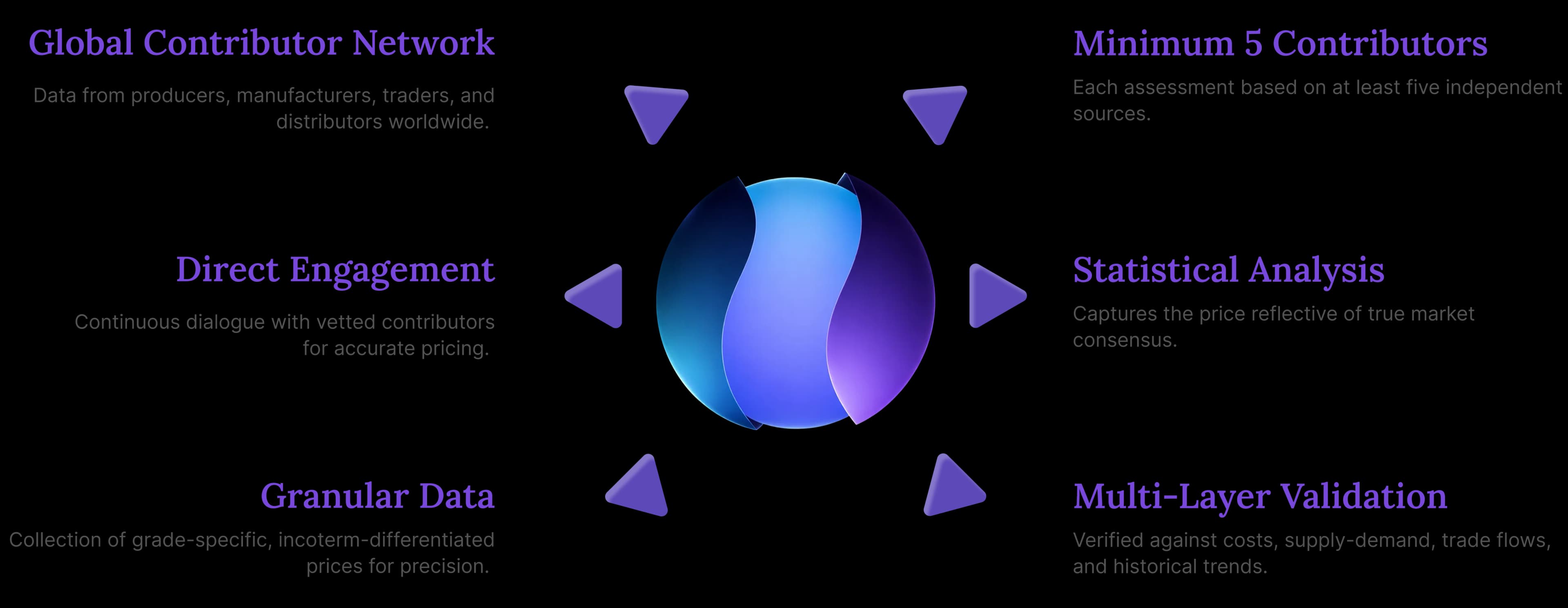
Our Price Analysis Methodology

Schedule A Demo
Experience how Procurement Resource transforms raw material price data into clear, decision ready intelligence. Optimise your performance with reliable, expert market data and analysis. Schedule your demo today to experience a live walk-through where our experts will showcase interactive price charts, forecasted prices, and insights driving the prices for your key commodities, tailored to your workflows. Contact us now!
Our Team will be happy to assist you
We are just a text away
Still Need Help ?
Other Related Reports
Milk Chocolate Production from Conching and Tempering
This report provides an extensive cost evaluation of Milk Chocolate production via conching and tempering processes.
Subscription Plans
Unlock full access to Procurement Resource's price databases, interactive charts, and short-term forecasts for thousands of commodities. Elevate your sourcing decisions by comparing prices across regions, downloading historical data, and layering in analyst-backed insights, all with our flexible plans that scale as your portfolio grows.
Still have any Questions
Contact Us



Price Trend Dashboard - What's Included
Price trends across a diverse portfolio of categories amd products, spanning board to niche chemicas
Coverage extendable to grade-specific chemicals based on procurement requirements
Regular price tracking supported by robust historical datasets
News, policy updates, and key market drivers impacting price movements
Short-term and long-term price outlooks and forecasts
Supply–demand dynamics and capacity-driven market analysis
- Unlimited Users
- Historical Monthly Price
- USA, Europe, APAC Covered
- Monthly Forecast
- 12 Months validity
- News & Events
- 50 Products (Refer Next Page For List)
Related News
View All.webp&w=1080&q=75)

Why Procurement Database

Assistance from Experts
Throughout 2024, the Asian acetoin market experienced fluctuating trends with regional variations. Q1 began with moderate price increases driven by supply constraints from Chang Chun Plastics' maintenance shutdown in Taiwan. Post-S...

Client's Satisfaction
Throughout 2024, the Asian acetoin market experienced fluctuating trends with regional variations. Q1 began with moderate price increases driven by supply constraints from Chang Chun Plastics' maintenance shutdown in Taiwan. Post-S...

Assured Collaboration
Throughout 2024, the Asian acetoin market experienced fluctuating trends with regional variations. Q1 began with moderate price increases driven by supply constraints from Chang Chun Plastics' maintenance shutdown in Taiwan. Post-S...
Global Insights
Throughout 2024, the Asian acetoin market experienced fluctuating trends with regional variations. Q1 began with moderate price increases driven by supply constraints from Chang Chun Plastics' maintenance shutdown in Taiwan. Post-S...