Aniseed Oil Price Trend Analysis 2026: Price Drivers, Historical Prices, Supply Demand Analysis, Market Insights & Latest News
Aniseed Oil Price Trend Q4 2025
During the fourth quarter of 2025, the Indian aniseed oil market experienced mixed price movements influenced by feedstock star anise supply constraints and evolving trade dynamics. The quarter witnessed limited raw material availability as Himalayan star anise harvests remained below historical levels, affected by declining tree populations, pest infestations, and environmental pressures that had reduced available stock significantly over recent years.
Supply-side challenges persisted as the endangered feedstock faced overharvesting concerns and deforestation impacts, restricting circulating volumes available for essential oil extraction. However, market conditions showed improvement as direct procurement initiatives bypassed traditional middlemen, enabling producers to receive better pricing for raw star anise compared to local trader offers. This development strengthened supply chains and improved price realization for harvesters, though overall volumes remained constrained.
On the trade front, regulatory changes brought positive developments as tariff exemptions on anise-cumin seed categories by major importing nations took effect, removing significant duty burdens and potentially enhancing export competitiveness. Demand from essential oil processors remained steady, with material flowing to extraction facilities for downstream applications in pharmaceuticals, perfumery, and flavoring industries. The combination of tight feedstock supply and improved market access created upward pressure on pricing throughout the period.
Analyst Insight
According to Procurement Resource, aniseed oil prices are expected to maintain firm levels in the near term as feedstock star anise supply remains constrained by low harvest volumes.
Related Report
Our Clients































Procurement Resource Database

Turn price intelligence into action with the Procurement Resource Database. Log in or subscribe to unlock live price trends, historical charts, supplier databases, cost curves, and analyst-backed insights across chemicals, agriculture, energy, packaging, and more. Use these tools to benchmark your contracts, plan budgets with confidence, and stay ahead of market moves on every product you buy.
Aniseed Oil Dashboard Inclusions

0
+Products
0
+Regions
0
+Subscriptions
The aniseed oil market experienced considerable volatility throughout the third quarter, driven by disruptions in star anise feedstock supply chains and evolving demand patterns across key consuming industries. Market dynamics were significantly influenced by processing capacity constraints and shifting procurement strategies among oil distillers and manufacturers.
Vietnamese star anise feedstock availability showed mixed performance during the quarter, with export volumes demonstrating variability that directly impacted oil production schedules. Indian processors emerged as the dominant buyers. Oil distillation operations faced challenges related to feedstock quality variations and seasonal supply fluctuations. Vietnamese suppliers encountered processing bottlenecks as extraction facilities remained predominantly small-scale operations, limiting their ability to supply consistent oil grades to international markets. This capacity constraint forced many oil processors to maintain diversified sourcing strategies. Meanwhile, food industry demand for aniseed oil showed steady consumption patterns, while pharmaceutical and fragrance applications demonstrated variable performance throughout the quarter.
The Indian aniseed oil industry in Q2 2025 was characterized by tight supply and high buying interest. India imported most of its star anise from Vietnam during the period, and any changes in Vietnam's harvest found immediate expression in the Indian domestic market as well.
When Vietnamese shipments decreased due to low yields from the dry climate, Indian processors were confronted with a more limited availability of their primary feedstock. As the harvesting season progressed in Vietnam, Indian traders and producers of oil observed that shipments were smaller and less frequent, and this led to widespread apprehension throughout the market.This imbalance kept market psychology tense throughout the quarter. Inventory at large processors was depleted by the latter half of the period, and fewer suppliers were willing to sell new contracts. While some companies were able to supplement their requirements by dipping existing inventories, many had to reduce production or delay delivery dates to cope with shortages.
In Q1 2025, the aniseed oil market experienced nuanced price movements, largely influenced by upstream conditions in Vietnam. Although raw material supply from northern provinces like Lang Son and Cao Bang remained stable, selective harvesting and seasonal variation moderately constrained oil yields. The spring crop, characterized by smaller star anise with lower oil content, was more plentiful, thereby limiting the availability of high-yield raw material for distillation and placing mild pressure on production.
Producers prioritized oil quality through careful drying and storage, while lower-grade or naturally fallen star anise, though cheaper, was primarily allocated to powder production due to its inconsistent quality and reduced aromatic value. Market demand remained stable across the flavor, fragrance, and pharmaceutical sectors, with buyers favoring oils high in anethole content. However, the additional volume from the spring harvest was insufficient to significantly ease pricing.
Export dynamics remained firm, with logistical and freight costs holding steady. Vietnamese exporters continued to report consistent shipment volumes to key international markets, including Europe, India, and the United States. Trade stability was underpinned by standardized certifications and adherence to international quality norms, supporting buyer confidence and reinforcing Vietnam’s position as a key supplier in the global aniseed oil market.
In 2024, aniseed oil market exhibited a mixed trend, largely influenced by fluctuations in Vietnam’s star anise harvest and export volumes. Since aniseed oil is derived from a small fraction of the star anise crop, any disruption or seasonal shift in raw material supply had a noticeable effect on oil availability and price movement.
Throughout the year, Vietnam remained one of the world’s leading producers of star anise, with key cultivation areas in Lang Son and Cao Bang. Overall export volumes declined compared to the previous year, tightening the availability of raw material for processors converting the spice into essential oil. India was the primary buyer of Vietnamese star anise, and regular demand from the region continued to support overall oil extraction levels.
The autumn and spring harvests showed notable differences in oil content, with autumn crops yielding higher essential oil levels. As a result, processors faced intermittent shortages during the first half of the year when spring-harvested pods dominated supply.
In contrast, the later harvest supported better extraction, althouijhhhijyuhyugh overall output was limited by reduced yields and lower exports. Most of Vietnam’s star anise output was exported as dried or whole spice, further restricting the volume available for oil distillation and making the market sensitive to even slight changes in raw material supply.
The year-end report on agricultural imports and exports suggests that India has registered a decline in the volumes of farm imports by almost 10%. This double-digit percentage fall in the import rates marks the self-sufficiency of the nation as it aims at reducing its dependence on overseas produce. Despite some alterations in the sowing and reaping calendar of the farmers during the early months of the year, the crop output was more than enough to cater to the domestic and international demand for vegetable oils such as aniseed oil.
On the other side of the market, the demand for aniseed oil did not show any significant appreciation during the last two quarters of 2023, and as a result of robust production, the supply of this vegetable oil surpassed the procurement rates by a huge margin. In order to stabilize this disbalance in the market, the traders and producers reduced the quoted prices of aniseed oil which eventually led to the southward movement of the aniseed oil price trends globally.
Aniseed oil is extracted from Star Anise, a premium spice mainly cultivated in East Asian nations like China and Vietnam. Anise is a rich source of various micronutrients like Iron and Manganese. Aniseed Oil is used primarily in the pharma and flavoring sectors; because of its health and healing benefits, Aniseed Oil saw a surge in demand.
In the first half of the year 2023, Vietnam observed a 129% growth in the Anise export volume, with India being the biggest importer as traditional medicinal practices are popular in India. So, during the discussed time period, Aniseed Oil had a good market run.
About Aniseed Oil
Aniseed Oil is derived from the seeds of the herb Pimpinella anisum (also known as P. officinale and vulgare), of the Umbelliferae family. It comes with a pungent liquorice-like smell and appears as a pale-yellow liquid. The main component of Aniseed Oil is anethole, which is responsible for its characteristic odour and flavours.
Aniseed Oil Product Detail
Pimpinella Anisum L., Anise Oil
Culinary, Pharmaceuticals, Flavoring agent in food , Liqueurs, Antiseptic, Antispasmodic, Carminative, Diuretic, Expectorant, Stimulant, Alcoholic beverages, Insecticide, Laxative and parasiticide
Berjé Inc, O'Laughlin Industries Co Ltd., Fleurchem, Inc., Albert Vieille, LLUCH ESSENCE, S.A.S.
Regional Coverage
Asia Pacific
Europe
North America
Latin America
Africa
CurrencyUS$ (Data can also be provided in local currency)
Supplier Database AvailabilityYes
Customization ScopeThe report can be customized as per the requirements of the customer
Post-Sale Analyst Support360-degree analyst support after report delivery
Note: Our supplier search experts can assist your procurement teams in compiling and validating a list of suppliers indicating they have products, services, and capabilities that meet your company's needs.
Aniseed Oil Production Processes
- Production of Aniseed Oil via Steam Distillation Process
The dried fruit of aniseed is utilised in this process, where steam is passed over it to vapourise the oi content. Finally, condensation of obtained vapours takes place to separate essential oil from it and obtain Aniseed Oil.
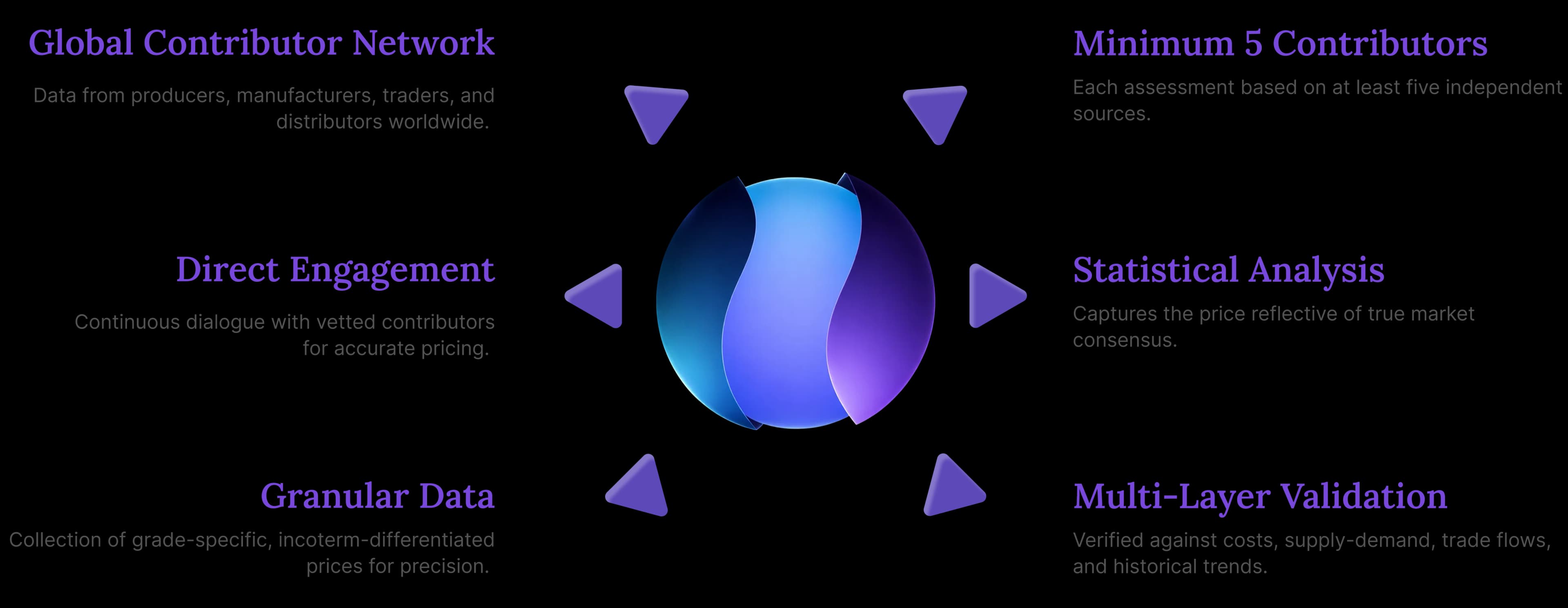
Our Price Analysis Methodology

Schedule A Demo
Experience how Procurement Resource transforms raw material price data into clear, decision ready intelligence. Optimise your performance with reliable, expert market data and analysis. Schedule your demo today to experience a live walk-through where our experts will showcase interactive price charts, forecasted prices, and insights driving the prices for your key commodities, tailored to your workflows. Contact us now!
Our Team will be happy to assist you
We are just a text away
Still Need Help ?
Other Related Reports
Aniseed Oil Production from Steam distillation
This report provides the cost structure of aniseed oil production by steam distillation method. In this process, steam is passed over the dried fruit of aniseed which vapourised the oil into the steam.
Subscription Plans
Unlock full access to Procurement Resource's price databases, interactive charts, and short-term forecasts for thousands of commodities. Elevate your sourcing decisions by comparing prices across regions, downloading historical data, and layering in analyst-backed insights, all with our flexible plans that scale as your portfolio grows.
Still have any Questions
Contact Us



Price Trend Dashboard - What's Included
Price trends across a diverse portfolio of categories amd products, spanning board to niche chemicas
Coverage extendable to grade-specific chemicals based on procurement requirements
Regular price tracking supported by robust historical datasets
News, policy updates, and key market drivers impacting price movements
Short-term and long-term price outlooks and forecasts
Supply–demand dynamics and capacity-driven market analysis
- Unlimited Users
- Historical Monthly Price
- USA, Europe, APAC Covered
- Monthly Forecast
- 12 Months validity
- News & Events
- 50 Products (Refer Next Page For List)
Related News
View All.webp&w=1080&q=75)

Why Procurement Database

Assistance from Experts
Throughout 2024, the Asian acetoin market experienced fluctuating trends with regional variations. Q1 began with moderate price increases driven by supply constraints from Chang Chun Plastics' maintenance shutdown in Taiwan. Post-S...

Client's Satisfaction
Throughout 2024, the Asian acetoin market experienced fluctuating trends with regional variations. Q1 began with moderate price increases driven by supply constraints from Chang Chun Plastics' maintenance shutdown in Taiwan. Post-S...

Assured Collaboration
Throughout 2024, the Asian acetoin market experienced fluctuating trends with regional variations. Q1 began with moderate price increases driven by supply constraints from Chang Chun Plastics' maintenance shutdown in Taiwan. Post-S...
Global Insights
Throughout 2024, the Asian acetoin market experienced fluctuating trends with regional variations. Q1 began with moderate price increases driven by supply constraints from Chang Chun Plastics' maintenance shutdown in Taiwan. Post-S...