Anthracite Coal Price Trend Analysis 2026: Supply Demand Analysis, Historical Prices, Price Drivers, Latest News & Market Insights
Anthracite Coal Price Trend Q4 2025
Asia
During the fourth quarter, anthracite coal prices in Asia displayed mixed movements rather than a single directional trend, shaped by alternating supply and demand influences. In the early portion, prices moved upward as tighter safety supervision and environmental compliance measures constrained mine output, keeping spot availability limited and inventories low. Demand from steel producers utilizing anthracite for sintering applications remained supportive during this phase, alongside steady consumption from metallurgical operations and power generation facilities. As the quarter progressed, import inflows increased and domestic mine operations gradually resumed, easing supply tightness. Downstream buyers became more cautious, shifting toward need-based procurement and reducing market activity, which led to intermittent price softening. Steel sector demand showed variable patterns while carbon material applications demonstrated measured consumption. By the latter portion, supply conditions appeared more balanced while demand from metallurgical and industrial applications weakened, resulting in stabilization to slight decline. Overall, the Asian market reflected alternating phases of firmness and easing.
Europe
Anthracite coal prices in Europe broadly resembled the trend observed in Asian markets during the fourth quarter. Early in the quarter, prices firmed alongside supply tightness and supportive sentiment from global markets. Steel producers and metallurgical operations maintained stable activity, lending initial support to demand from sintering and carbon injection applications. As supply availability improved later in the quarter and market pressure eased, European buyers slowed procurement. Demand from the steel sector and industrial carbon applications softened, leading to weaker trading activity and price pullbacks toward quarter-end. The pattern mirrored Asia's transition from firmness to easing.
North America
North American anthracite coal prices followed a pattern similar to Asian markets during the fourth quarter. Prices found early support from steady steel production, metallurgical demand, and controlled mine output, aligning with global supply tightness. As supply conditions improved and demand from steel and industrial applications weakened, price momentum softened. Market activity slowed as buyers reduced raw material purchases, with prices easing from earlier levels by quarter-end.
Related Report
Our Clients































Procurement Resource Database
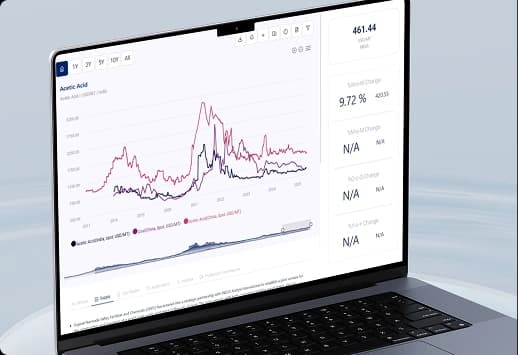
Turn price intelligence into action with the Procurement Resource Database. Log in or subscribe to unlock live price trends, historical charts, supplier databases, cost curves, and analyst-backed insights across chemicals, agriculture, energy, packaging, and more. Use these tools to benchmark your contracts, plan budgets with confidence, and stay ahead of market moves on every product you buy.
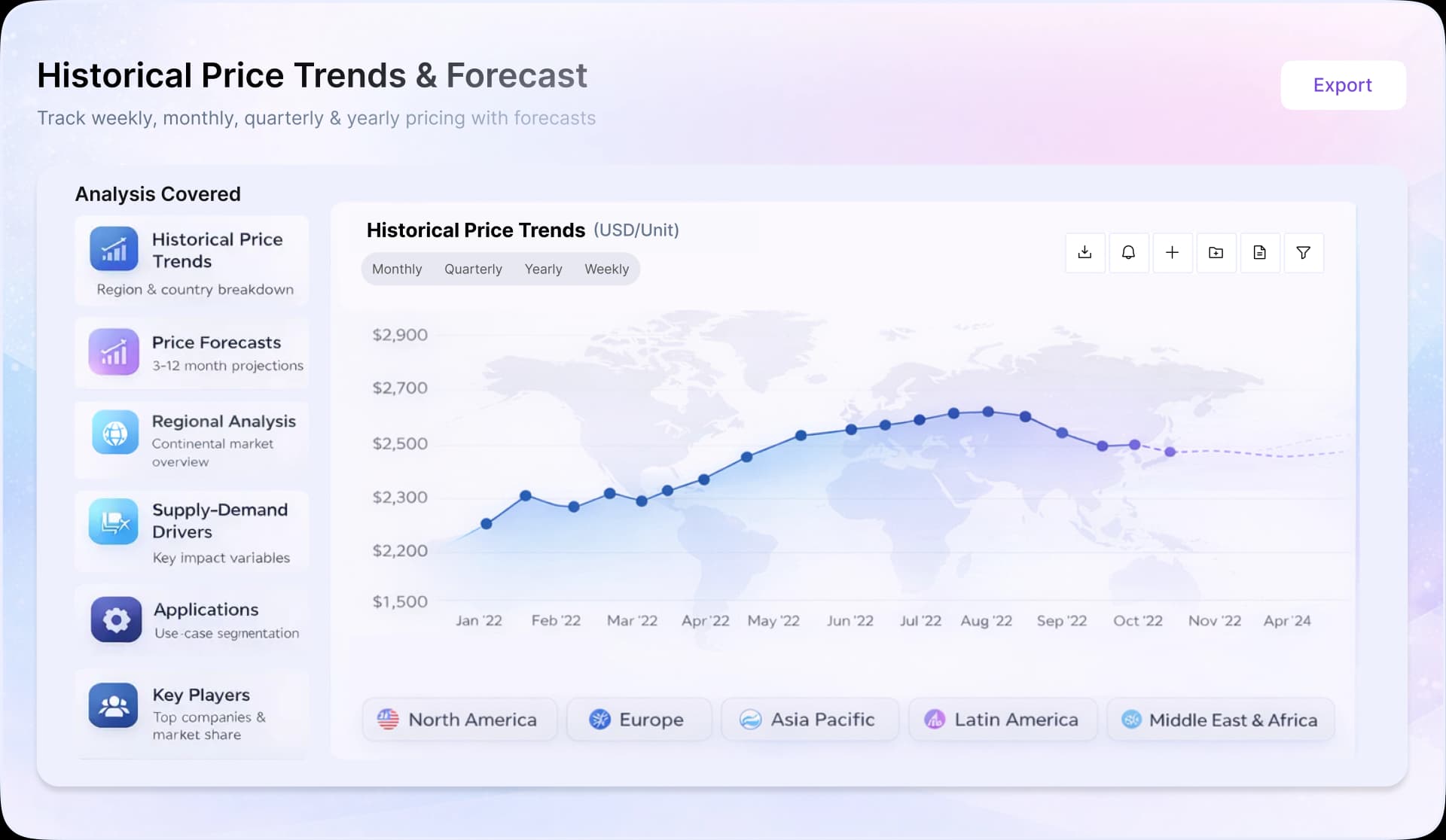
Anthracite Coal Dashboard Inclusions
0
+Products
0
+Regions
0
+Subscriptions
Asia
In Asia, the anthracite coal market during Q3 2025 was influenced by shifting dynamics in supply and downstream demand, particularly in China. July witnessed an upward trend supported by production restrictions, stricter safety checks, and logistical delays in imports from Mongolia and Russia. Steel mills maintained high operating rates, and seasonal power demand amplified procurement needs, driving up consumption. By mid-August, national policy restrictions in Shanxi and Inner Mongolia limited production, creating temporary tightness in supply and supporting a phased rebound. However, as the month progressed, inventories eased, and downstream procurement slowed, reflecting a shift toward cautious buying. September saw further stabilization with more mines resuming production, while downstream steel mills reduced speculative replenishment, keeping demand largely need-based. Overall, Asia recorded notable volatility, with July marked by gains, August showing a two-phased pattern, and September reflecting a weaker, stable tone.
Europe
In Europe, anthracite coal prices during Q3 2025 remained comparatively stable but were guided by structural demand trends in the steel and power generation sectors. Imports from Russia remained a major supply channel despite ongoing logistical challenges, while sourcing from alternative suppliers such as South Africa and the United States continued to supplement market needs. Seasonal electricity demand during the summer months sustained moderate procurement activity from utilities, but steel sector requirements were more variable, with some integrated producers limiting purchasing to core operations. Inventory positions across key consuming markets provided a buffer, preventing large fluctuations even when shipment delays occurred. Toward September, market sentiment softened slightly as consumption levels normalized, leading to restrained spot activity. European buyers continued to balance between contractual obligations and cautious spot purchases, creating an environment of steady yet subdued trade.
North America
In North America, the anthracite coal market during Q3 2025 experienced limited directional shifts, with prices largely guided by stable production and steady demand. Domestic mining operations maintained consistent output, with no significant disruptions from weather or regulatory interventions. The steel industry, a primary consumer, sustained regular offtake, though demand did not expand significantly compared with earlier quarters. Power generation added incremental seasonal support in July and August due to high electricity requirements during peak summer conditions. However, as temperatures moderated toward September, procurement tapered, leaving overall demand relatively balanced against supply. Export activity toward European and Asian markets provided some relief to domestic producers, although overseas competition and freight availability occasionally restrained shipment volumes. Overall, the market settled into a steady range, with trade dynamics reflecting equilibrium between consumption and supply.
Asia
During the second quarter of 2025, the Asian anthracite coal price curve displayed downward movements. Initially, the market was stable, but later, market sentiment turned cautious because of subdued trading and tepid buying interest from downstream industries. Buyers were mostly concerned with essential requirements, and hence, they refrained from major commitments.
The oversupply situation began to worsen as the quarter progressed. Coal mine stocks were heavy, and certain mines cut back on production due to growing stockpiles. Furthermore, the steel sector, one of the biggest users of coal, fell into a slower cycle, and the anticipated demand boost from iron production did not materialize as expected. By the end of the quarter, the pace of price declines slowed, but market conditions remained soft with little recovery in sight.
Europe
In Europe, the anthracite coal price trend witnessed downward pressure, primarily because of the weak industrial production and subdued demand from major sectors, including steel and construction. The European market, however, did not witness major disruptions in the supply chain, with material availability from export nations being stable.
Steel mills continued to maintain below-capacity operations, with weak demand and constricted margins cutting down on their requirement for coal. European traders also avoided speculative purchases, maintaining low stocks and buying only as required. Although there was some adjustment of prices within the quarter, the overall trend was soft, since there were no indications of demand pick-up in major sectors.
North America
North American anthracite coal prices also followed the same trend, with prices falling due to a combination of moderate production and reduced industrial activity. Domestic steel mills registered mixed signals with some briefly raising production and others scaling down due to subdued demand from the construction sector and maintenance outages.
Export demand was not enough to overcome the negative pull resulting from the surplus domestic production. Mining operations kept coming in with steady production, and this resulted in an accumulation of inventories. Buyers were hesitant, being slow to put in orders hoping for further price falls.
Asia
Throughout 2024, anthracite coal prices in the Asia-Pacific region showed notable volatility. The first quarter began with downward pressure as abundant stockpiles in China and India suppressed prices. Chinese markets struggled with surging domestic production while demand remained tepid. By the second quarter, the market recovered with moderate price increases, driven by higher industrial demand and inventory replenishment before summer.
The third quarter saw a slight downward correction as supply improved, though Japan experienced a modest uptick against regional trends due to Australian logistics issues. The year closed with stabilization as China's strategic purchasing and India's pre-festive season buying balanced typical year-end slowdowns. Throughout 2024, buyers maintained minimal inventories and used tactical purchasing strategies in response to market uncertainty.
Europe
European anthracite coal markets faced persistent downward pressure throughout 2024 as the region accelerated its energy transition. The first quarter established this trend with declining prices due to warmer weather and weak industrial demand. This bearish sentiment continued despite occasional seasonal fluctuations. Substantial existing inventories easily met limited demand, while EU carbon pricing and renewable energy targets further eroded coal's market position. The third quarter brought slight price volatility from supply constraints, but the fundamental downward trend persisted. By the fourth quarter, the decline moderated as utilities increasingly shifted toward natural gas and renewable alternatives.
North America
The North American anthracite coal market displayed a complex pattern in 2024, alternating between strength and weakness. The year began with declining prices due to warmer weather forecasts and reduced domestic demand. The second quarter brought significant improvement as export opportunities to Asia expanded and domestic inventories tightened. This upward momentum continued through summer with seasonal electricity demand supporting prices. The fourth quarter reversed this trend as demand from power generation and steel production weakened considerably.
Asia
In the second half of 2023, anthracite coal prices in Asia displayed a mixed trend. The third quarter witnessed a notable price escalation, particularly in Australia compared to China, driven by heightened industrial demand. China's domestic market experienced steady growth in coal consumption despite environmental concerns. By the fourth quarter, Asian coal imports reached record levels with China leading at over 32 million tons.
However, price increases remained minimal despite this surge in demand, largely due to increased exports from Indonesia and Australia flooding Asian markets. India strategically diversified its supplier base, turning to alternatives like South Africa and Japan, which helped maintain market balance.
Europe
European anthracite coal markets struggled throughout the second half of 2023. The third quarter saw some price support from increased overseas interest and rising domestic electricity demand, but this momentum failed to sustain into the fourth quarter. By year-end, European coal faced significant downward pressure as consumers contracted their purchasing activities amid sliding economic conditions.
The energy sector remained volatile as countries navigated economic challenges. Market oversupply became evident as ports received excessive vessel arrivals while domestic inventories were already abundant. This combination of high supply and tepid demand kept prices trending downward throughout the fourth quarter.
North America
North American anthracite coal markets showed strength in the third quarter, owing to increased procurement from both the electricity sector and overseas industries. The positive market outlook in Asia-Pacific and European regions initially helped drive North American exports and supported higher prices. However, this trend reversed in the fourth quarter as demand softened considerably.
Milder weather forecasts in both the US and Europe reduced energy needs, while persistent market oversupply and manufacturers' reluctance to cut production rates weighed heavily on prices. Additionally, competition from South African coal imports and declining pet coke prices further pressured the North American anthracite market.
Asia
In the Asia Pacific region, the anthracite coal market faced significant contraction due to weak demand and the mounting pressure of increasing currency exchange rates in the midst of struggling economic conditions.
During the first and second quarters, mining activities accelerated, leading to a surplus of anthracite coal in the market. However, the downstream industries did not generate enough demand to absorb this excess supply. Furthermore, the opening of several new mines exacerbated the oversupply issue, causing a notable decline in anthracite coal prices in the region.
Europe
The fluctuating consumer purchasing patterns and an abundance of anthracite coal supply in European nations hindered the upward trajectory of anthracite coal prices. In the first quarter, decreasing energy prices and a shortage of labor contributed to the decline in anthracite coal prices.
The second quarter saw a significant drop in prices, particularly in May. European countries began shifting toward more environmentally sustainable anthracite coal substitutes, leading to a decrease in new orders and, consequently, a widespread decline in anthracite coal prices during the second quarter of 2023.
North America
The anthracite coal market in North America experienced a consistent problem of surplus product availability throughout the first and second quarters of 2023. Despite weak demand, mining and extraction activities continued to expand, exacerbating the oversupply issue. Towards the end of the quarter, the downstream market activities, especially in the steel and power production industries, lent support to the anthracite coal market. With a surge in electricity demand, anthracite coal prices stabilized in the latter part of the second quarter.
About Anthracite Coal
Anthracite coal is a high rank, hard coal that has high carbon content and low volatility with a glossy appearance. It has high energy content that makes it an efficient and clean fuel. Because of its durability and hardness, it is used in many industrial processes, including the manufacturing of steel, electricity, water filtration, and heat for domestic heating.
Anthracite Coal Product Detail
Hs Code
27011100
Cas Number
8029-10-5
Industrial Uses
Electricity generation, Steel production, Domestic heating, Water filtration, Carbon electrodes, Brickmaking, Air and water purification
Supplier Database
Bathrust Resources, Cokal Ltd, Attila resources, Carabella Resources Ltd, TIGERS REALM COAL LIMITED, Jameson Resources, Aspire Mining Limited, Aberdeen International Inc, Blaschak Coal Corp, ZINOJI COAL
Regional Coverage
Asia Pacific
China, India, Indonesia, Pakistan, Bangladesh, Japan, Philippines, Vietnam, Iran, Thailand, South Korea, Iraq, Saudi Arabia, Malaysia, Nepal, Taiwan, Sri Lanka, UAE, Israel, Hongkong, Singapore, Oman, Kuwait, Qatar, Australia, and New Zealand
Europe
Germany, France, United Kingdom, Italy,Spain, Russia, Turkey, Netherlands, Poland, Sweden, Belgium, Austria, Ireland Switzerland, Norway, Denmark, Romania, Finland, Czech Republic, Portugal and Greece
North America
United States and Canada
Latin America
Brazil, Mexico, Argentina, Columbia, Chile, Ecuador, and Peru
Africa
South Africa, Nigeria, Egypt, Algeria, Morocco
CurrencyUS$ (Data can also be provided in local currency)
Supplier Database AvailabilityYes
Customization ScopeThe report can be customized as per the requirements of the customer
Post-Sale Analyst Support360-degree analyst support after report delivery
Note: Our supplier search experts can assist your procurement teams in compiling and validating a list of suppliers indicating they have products, services, and capabilities that meet your company's needs.
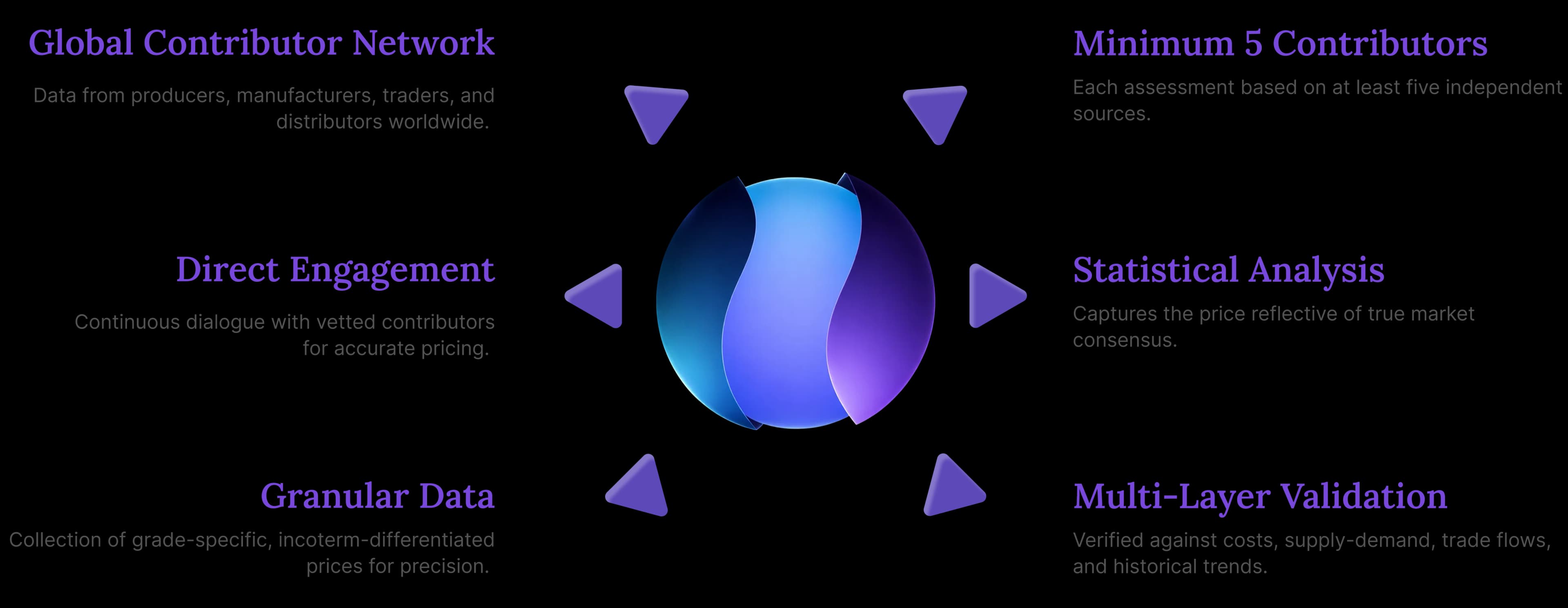
Our Price Analysis Methodology

Schedule A Demo
Experience how Procurement Resource transforms raw material price data into clear, decision ready intelligence. Optimise your performance with reliable, expert market data and analysis. Schedule your demo today to experience a live walk-through where our experts will showcase interactive price charts, forecasted prices, and insights driving the prices for your key commodities, tailored to your workflows. Contact us now!
Our Team will be happy to assist you
We are just a text away
Still Need Help ?
Other Related Reports
Coal Production from Surface Mining
The study offers a detailed cost analysis of Coal Production from Surface Mining. In addition, the report incorporates the manufacturing process with detailed process and material flow, operating costs along with financial expenses and depreciation charges.
Coal Liquefication Production from Direct Liquefaction
This report provides the cost structure of coal liquefication by direct liquefaction. In this process, coal is exposed to hydrogen at 450°C along with high pressure for one hour in the presence of recycled solvent and iron-based catalyst.
Subscription Plans
Unlock full access to Procurement Resource's price databases, interactive charts, and short-term forecasts for thousands of commodities. Elevate your sourcing decisions by comparing prices across regions, downloading historical data, and layering in analyst-backed insights, all with our flexible plans that scale as your portfolio grows.
Still have any Questions
Contact Us



Price Trend Dashboard - What's Included
Price trends across a diverse portfolio of categories amd products, spanning board to niche chemicas
Coverage extendable to grade-specific chemicals based on procurement requirements
Regular price tracking supported by robust historical datasets
News, policy updates, and key market drivers impacting price movements
Short-term and long-term price outlooks and forecasts
Supply–demand dynamics and capacity-driven market analysis
- Unlimited Users
- Historical Monthly Price
- USA, Europe, APAC Covered
- Monthly Forecast
- 12 Months validity
- News & Events
- 50 Products (Refer Next Page For List)
Related News
View All.webp&w=1080&q=75)


Why Procurement Database

Assistance from Experts
Throughout 2024, the Asian acetoin market experienced fluctuating trends with regional variations. Q1 began with moderate price increases driven by supply constraints from Chang Chun Plastics' maintenance shutdown in Taiwan. Post-S...

Client's Satisfaction
Throughout 2024, the Asian acetoin market experienced fluctuating trends with regional variations. Q1 began with moderate price increases driven by supply constraints from Chang Chun Plastics' maintenance shutdown in Taiwan. Post-S...

Assured Collaboration
Throughout 2024, the Asian acetoin market experienced fluctuating trends with regional variations. Q1 began with moderate price increases driven by supply constraints from Chang Chun Plastics' maintenance shutdown in Taiwan. Post-S...
Global Insights
Throughout 2024, the Asian acetoin market experienced fluctuating trends with regional variations. Q1 began with moderate price increases driven by supply constraints from Chang Chun Plastics' maintenance shutdown in Taiwan. Post-S...
1/4