Antimony Price Trend Analysis 2026: Historical Prices, Price Drivers, Latest News, Market Insights & Supply Demand Analysis
Antimony Price Trend Q1 2026
| Product | Region | Incoterm Basis | Price | Last Updated Month |
|---|---|---|---|---|
| Antimony | China | FOB | USD 23,906.53/MT | April 2026 |
| Antimony | India | CIF | USD 23,956.53/MT | April 2026 |
| Antimony | USA | CIF | USD 23,993.53/MT | April 2026 |
| Antimony | Brazil | CIF | USD 24,027.53/MT | April 2026 |
| Antimony | Canada | CIF | USD 23,996.53/MT | April 2026 |
| Antimony | China | FOB | USD 24,554.35/MT | March 2026 |
| Antimony | India | CIF | USD 24,609.35/MT | March 2026 |
| Antimony | USA | CIF | USD 24,641.35/MT | March 2026 |
| Antimony | Brazil | CIF | USD 24,652.35/MT | March 2026 |
| Antimony | Canada | CIF | USD 24,699.35/MT | March 2026 |
Stay updated with the latest Antimony prices, historical data, and tailored regional analysis
- Antimony prices in China showed a controlled upward movement in Q1 2026, supported by tight global supply and steady domestic demand conditions.
- Feedstock availability remained constrained due to limited ore supply and declining grades, increasing production costs and supporting price levels.
- Downstream demand from flame retardants and photovoltaic glass remained stable, with essential consumption maintaining consistent market absorption.
In China, antimony prices moved upward through Q1 2026, driven primarily by persistent supply tightness and gradual recovery in downstream demand. The global supply base remained highly concentrated, with total mine production estimated at around 100,000 metric tonnes in 2025, while China accounted for roughly 55–60% of global output, reinforcing its dominant role in controlling availability. Domestic ore supply remained constrained despite increased imports, as annual inflows were insufficient to offset declining mine grades and stricter environmental regulations that limited operating rates. Import volumes of antimony ore and concentrates rose toward the end of the previous year, yet overall supply conditions remained tight.
Supply-side constraints were further reinforced by limited overseas production growth and slow capacity additions, keeping the global supply gap intact. Although inflows from Southeast Asia increased during the quarter, they only partially eased domestic shortages without altering the tight supply structure. On the demand side, flame retardants continued to account for the largest share of consumption, while photovoltaic glass demand provided steady support, though procurement remained largely need-based. Export activity for antimony oxide showed recovery trends, supporting overall demand stability, even as seasonal disruptions temporarily slowed trade flows.
Analyst Insight
According to Procurement Resource, in the near term, antimony prices in China are expected to remain firm with slight fluctuations, supported by continued supply constraints and stable downstream demand, though limited purchasing momentum may cap sharper increases.
Our Clients































Procurement Resource Database
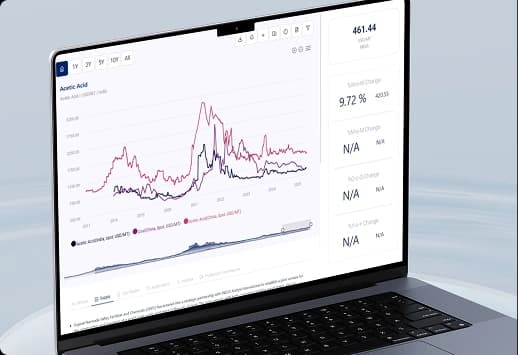
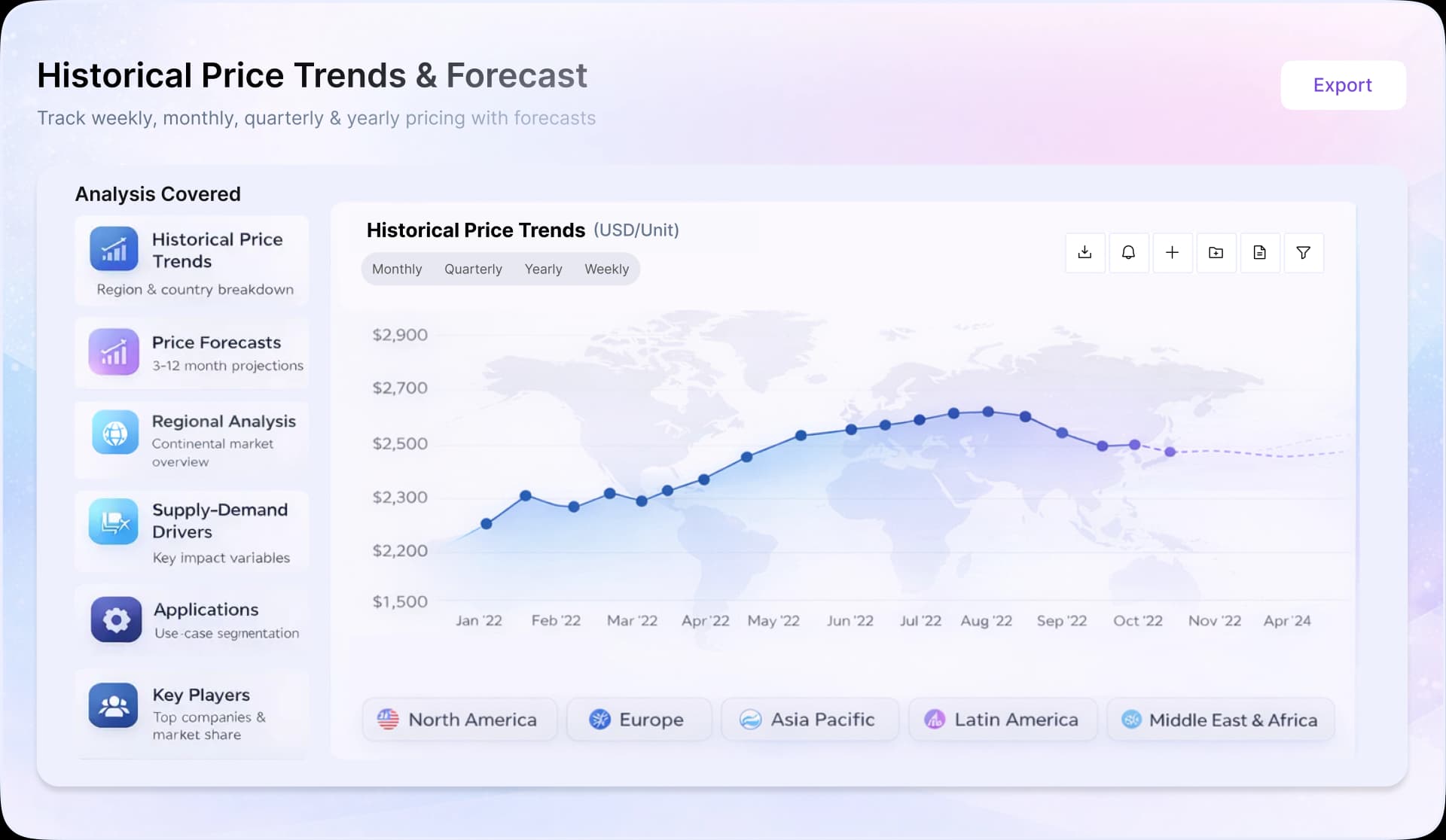
Turn price intelligence into action with the Procurement Resource Database. Log in or subscribe to unlock live price trends, historical charts, supplier databases, cost curves, and analyst-backed insights across chemicals, agriculture, energy, packaging, and more. Use these tools to benchmark your contracts, plan budgets with confidence, and stay ahead of market moves on every product you buy.
Antimony Dashboard Inclusions
0
+Products
0
+Regions
0
+Subscriptions
The antimony market in 2025 followed a pronounced “surge–correction–high fluctuation” pattern, driven by structural supply tightness and evolving demand dynamics. Early in the year, prices surged due to tightening mining quotas in China, reduced imports of antimony concentrates, and simultaneous stockpiling from the photovoltaic sector, where antimony is a critical input for solar glass production. This was further intensified by a widening global supply-demand gap and declining ore availability, as environmental restrictions, mine closures, and resource depletion constrained output, particularly in key producing regions such as Hunan and Guangxi. Imports into China dropped significantly, reinforcing raw material shortages and amplifying volatility. However, from Q2 onward, prices corrected amid a temporary demand slowdown, especially due to destocking in photovoltaic glass and weaker consumption in antimony oxide applications. Regionally, North America maintained a firm tone supported by rising industrial production, defense demand, and renewable energy transition trends, alongside constrained supply from global production declines and export restrictions. In contrast, Europe experienced downward pressure in Q4 as energy costs eased and Chinese export licenses improved supply availability, while construction weakness offset gains from automotive recovery. Across Asia, particularly China, improved manufacturing activity and industrial output toward year-end supported a rebound, although weak consumer sentiment and deflationary pressures limited stronger momentum. Overall, persistent supply constraints, shifting trade flows, and demand variability drove elevated yet volatile market conditions throughout the year.
Due to geopolitical concerns and strategic market factors, antimony saw a sharp price increase in the second half of 2024. A turning point was reached when China restricted the export of vital minerals, severely limiting global supply and causing unheard-of market volatility. The metal's worth was further increased by its strategic significance in military applications, especially for defense technology, infrared missiles, and ammunition.
Due to the supply constraints, investors and mining corporations quickly responded, causing the market to experience a sharp price trajectory. Western nations started actively looking for alternate sources of manufacturing, showing special interest in countries that were rich in antimony, such as Tajikistan, Turkey, and Myanmar. As the metal's strategic importance grew, mining firms like Perpetua Resources saw a sharp increase in their market values.
In addition to the estimated 10,000-ton worldwide supply gap, the price increase was exacerbated by geopolitical tensions between China and the United States. With national security and military readiness playing a major role in market dynamics, the trade war and export limitations produced a perfect storm for antimony pricing.
In the first half of 2024, antimony prices saw a significant upward trend driven by a combination of supply shortages and rising demand across various sectors. The global antimony market experienced tightening supply conditions due to declining ore grades, depleting mines, and disruptions in key producing countries such as Myanmar, Oman, Tajikistan, and Vietnam. Further compounding the supply constraints were Western sanctions on Russia, a major supplier to China, leading to a significant reduction in exports and contributing to market uncertainty.
Meanwhile, demand for antimony surged, particularly from the solar sector, where the metal is used to enhance the performance of photovoltaic cells. Geopolitical tensions and increased military spending also heightened the demand for antimony, which is critical for ammunition and other defence applications. The market saw further strain with China, the world's largest producer, accounting for nearly half of the global supply, announcing export restrictions starting in mid-September, a move expected to exacerbate the supply deficit.
In response to the constrained supply environment and robust demand, European and U.S. buyers began diversifying their sources, increasing imports from alternative suppliers like Tajikistan, Vietnam, and Myanmar. Despite these efforts, the market continued to rely heavily on China, with tight supply conditions persisting and no immediate relief in sight..
Antimony's primary use lies in flame-retardant formulations for plastics, textiles, and electronics, enhancing fire resistance. In the field of semiconductors, antimony plays a crucial role as a dopant, which expands its usability in the automotive market. It's also used in lead-acid batteries as antimony improves their performance and longevity. Moreover, antimony compounds are catalysts in polyester resin production, and along with the above-mentioned factors, it drives its price trend.
According to a year-end report, based on the consumption levels of antimony in the latter two quarters of 2023, the photovoltaic sector is poised to consume about 50,000 tonnes of antimony, constituting nearly one-third of global usage in 2024. Antimony trioxide serves as a pivotal flame retardant in plastics and textiles, with the flame-retardant sector comprising half of its overall consumption.
This statistic was based on the surge in demand from the PV industry in the third and fourth quarters of 2023, which strained antimony supply dynamics and resulted in a remarkable surge in its price trend. Chinese antimony metal prices surpassed those of other countries, fueled by heightened demand from China's dominant PV sector. Global antimony consumption in 2023 was estimated to be at 160,000 tonnes. China remained the primary global antimony producer, but the exceeding demand and expanding applications of the metal caused a scarcity of antimony in various parts of the world.
About Antimony
Antimony is a silvery- bluish- white brittle, and flaky-looking solid metalloid. It occurs naturally as a sulfide mineral stibnite. It is non-reactive towards cold water and cold acids but dissolves in hot acids and aqua regia. It has applications in the manufacture of semiconductors and batteries and as a flame retardant.
Antimony Product Detail
Hs Code
81109000
Chemical Formula
Sb
Cas Number
7440-36-0
Molecular Weight
121.76 g/mol
Industrial Uses
Infrared detectors, diodes, lead hardening, Batteries, bullets and arms, flame retardant
Supplier Database
Hunan Gold, Mandalay Resources, Huachang Antimony Industry, Hsikwangshan Twinkling Star, Guizhou dongfeng antimony, Hechi Nanfang Non-ferrous Metals Group, GeoProMining, China-Tin Group, Anhua Huayu Antimony Industry.
Synonyms
Stibium (Latin name, hence the symbol Sb)
Regional Coverage
Asia Pacific
China, India, Indonesia, Pakistan, Bangladesh, Japan, Philippines, Vietnam, Iran, Thailand, South Korea, Iraq, Saudi Arabia, Malaysia, Nepal, Taiwan, Sri Lanka, UAE, Israel, Hongkong, Singapore, Oman, Kuwait, Qatar, Australia, and New Zealand
Europe
Germany, France, United Kingdom, Italy,Spain, Russia, Turkey, Netherlands, Poland, Sweden, Belgium, Austria, Ireland Switzerland, Norway, Denmark, Romania, Finland, Czech Republic, Portugal and Greece
North America
United States and Canada
Latin America
Brazil, Mexico, Argentina, Columbia, Chile, Ecuador, and Peru
Africa
South Africa, Nigeria, Egypt, Algeria, Morocco
CurrencyUS$ (Data can also be provided in local currency)
Supplier Database AvailabilityYes
Customization ScopeThe report can be customized as per the requirements of the customer
Post-Sale Analyst Support360-degree analyst support after report delivery
Note: Our supplier search experts can assist your procurement teams in compiling and validating a list of suppliers indicating they have products, services, and capabilities that meet your company's needs.
Antimony Production Processes
In the production of antimony, Stibnite is firstly concentrated via grinding, milling, floatation and gravity separation of the ores, followed by volatilization, where Stibnite is oxidized, and the collected fumes are then reduced into the metal antimony.
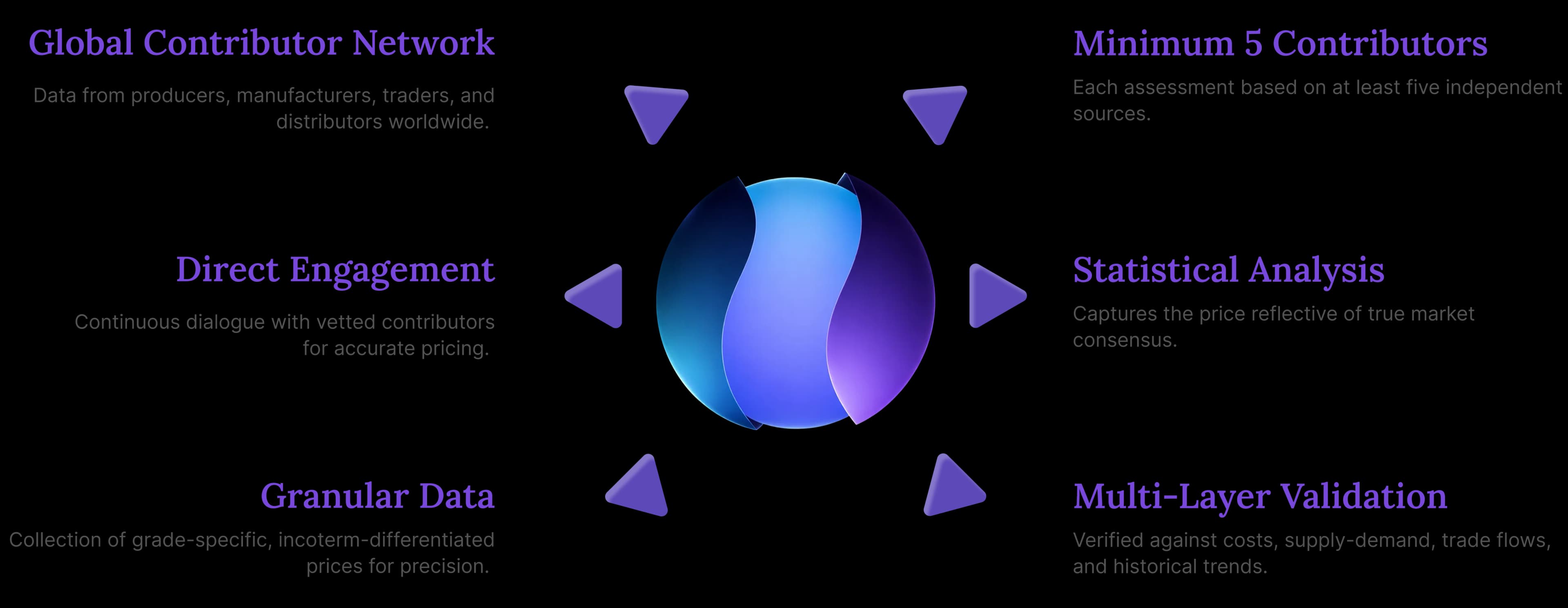
Our Price Analysis Methodology
Schedule A Demo
Experience how Procurement Resource transforms raw material price data into clear, decision ready intelligence. Optimise your performance with reliable, expert market data and analysis. Schedule your demo today to experience a live walk-through where our experts will showcase interactive price charts, forecasted prices, and insights driving the prices for your key commodities, tailored to your workflows. Contact us now!
Our Team will be happy to assist you
We are just a text away
Still Need Help ?
Subscription Plans
Unlock full access to Procurement Resource's price databases, interactive charts, and short-term forecasts for thousands of commodities. Elevate your sourcing decisions by comparing prices across regions, downloading historical data, and layering in analyst-backed insights, all with our flexible plans that scale as your portfolio grows.
Still have any Questions
Contact Us



Price Trend Dashboard - What's Included
Price trends across a diverse portfolio of categories amd products, spanning board to niche chemicas
Coverage extendable to grade-specific chemicals based on procurement requirements
Regular price tracking supported by robust historical datasets
News, policy updates, and key market drivers impacting price movements
Short-term and long-term price outlooks and forecasts
Supply–demand dynamics and capacity-driven market analysis
- Unlimited Users
- Historical Monthly Price
- USA, Europe, APAC Covered
- Monthly Forecast
- 12 Months validity
- News & Events
- 50 Products (Refer Next Page For List)
Why Procurement Database

Assistance from Experts
Throughout 2024, the Asian acetoin market experienced fluctuating trends with regional variations. Q1 began with moderate price increases driven by supply constraints from Chang Chun Plastics' maintenance shutdown in Taiwan. Post-S...

Client's Satisfaction
Throughout 2024, the Asian acetoin market experienced fluctuating trends with regional variations. Q1 began with moderate price increases driven by supply constraints from Chang Chun Plastics' maintenance shutdown in Taiwan. Post-S...

Assured Collaboration
Throughout 2024, the Asian acetoin market experienced fluctuating trends with regional variations. Q1 began with moderate price increases driven by supply constraints from Chang Chun Plastics' maintenance shutdown in Taiwan. Post-S...
Global Insights
Throughout 2024, the Asian acetoin market experienced fluctuating trends with regional variations. Q1 began with moderate price increases driven by supply constraints from Chang Chun Plastics' maintenance shutdown in Taiwan. Post-S...
1/4