Apple Price Trend Analysis 2026: Supply Demand Analysis, Market Insights, Latest News, Price Drivers & Historical Prices
Apple Price Trend Q1 2026
- Global apple markets stayed firm during Q1’26 amid tighter inventories and steady export demand. Supply limitations in major producing countries supported bullish sentiment.
- Higher storage, packaging, fertilizer, and freight costs increased overall supply chain expenses for growers and exporters during the quarter.
- Demand from retailers, wholesalers, and juice processors remained healthy, especially for premium apple varieties across Asia and North America.
Global apple prices strengthened during Q1’26 due to tightening inventories and resilient international demand. In the United States, fresh apple holdings during March 2026 declined year-on-year, while export shipments remained active, tightening domestic availability further. China maintained stable import demand for premium apples as retail consumption improved across urban markets. In Europe, lower carryover inventories and weather-related supply limitations reduced market availability, while elevated cold-storage and logistics costs pressured suppliers. Rising fertilizer and transportation expenses increased upstream production costs globally during the quarter. Demand from supermarkets and beverage processors remained firm, particularly for Gala and Red Delicious varieties, accelerating inventory drawdowns across several exporting nations. Strong import activity from Asian buyers further supported global trade flows and maintained positive pricing momentum throughout Q1’26.
Analyst Insight
According to Procurement Resource, in the near-term, apple prices are expected to remain firm due to constrained inventories and stable retail demand, although seasonal Southern Hemisphere arrivals may slightly improve supply availability.
Related Report
Our Clients































Procurement Resource Database
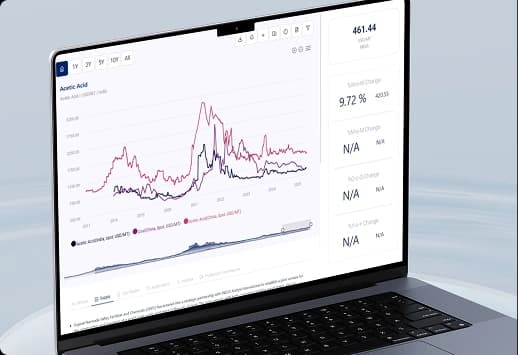
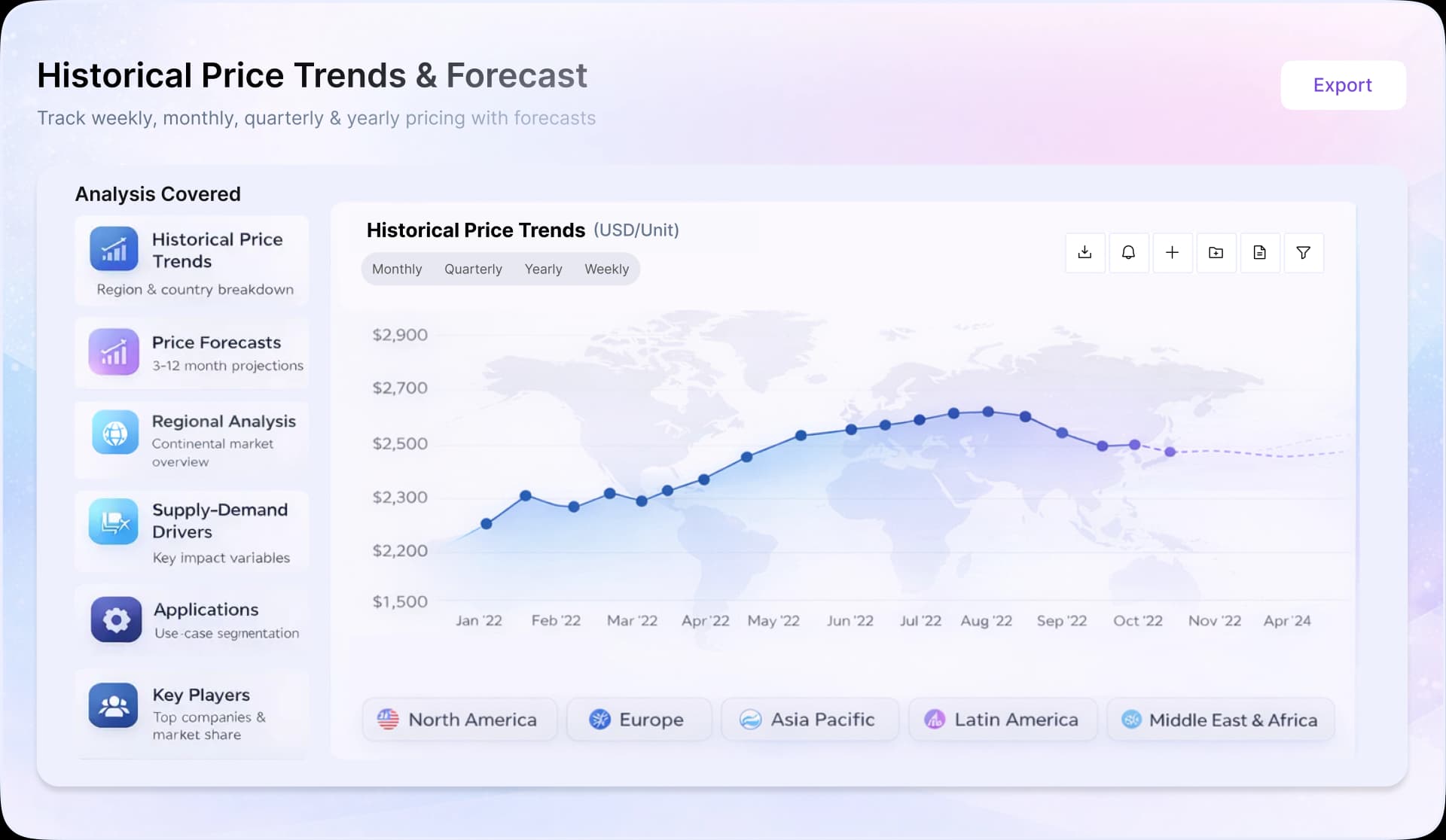
Turn price intelligence into action with the Procurement Resource Database. Log in or subscribe to unlock live price trends, historical charts, supplier databases, cost curves, and analyst-backed insights across chemicals, agriculture, energy, packaging, and more. Use these tools to benchmark your contracts, plan budgets with confidence, and stay ahead of market moves on every product you buy.
Apple Dashboard Inclusions
0
+Products
0
+Regions
0
+Subscriptions
In 2025, the market for apples had a mixed price movement across various regions due to fluctuations in supply and demand. In Ukraine, the prices for apples had fallen during the season for the new harvest as local orchard supplies had increased, along with low demand for summer varieties. Many traders had been selling older imported varieties, which had affected buying interest for fresh apples. As a result, prices had fallen. However, they remained higher than the previous year's prices due to earlier pressures on the market.
In Europe, the market for apples had shown an opposite movement to Ukraine, as prices had remained firm due to lower production. Weather conditions, such as spring frosts and unstable conditions, had affected production levels across various countries. This had created a situation of low availability, which had kept prices firm. On the other hand, the quality of the harvest had been good across regions such as the United Kingdom, which had boosted retail demand. However, higher prices had affected consumption to some extent due to changes in consumer behaviour.
Further, global trade conditions and shifting supply patterns kept the apple market unstable throughout the year, with some regions facing oversupply while others struggled with reduced production. Overall, apple prices in 2025 showed regional differences, with local declines in some markets and firm trends in areas with limited supply.
In H2 2024, apple prices in global markets followed a fluctuating trend. In India, prices varied month-on-month due to weather-related disruptions. Erratic rainfall, heatwaves, and insufficient cold spells affected early-season yields, limiting the supply of domestic apples and driving demand for imported varieties such as New Zealand Galas and Turkish Red Delicious. Despite weather uncertainties, apple production in Himachal Pradesh remained stable, providing growers with consistent pricing.
In contrast, production in other regions was significantly impacted by spring rains followed by dry spells, leading to lower yields. The reduced harvest initially pushed prices upward, benefiting growers. However, as supply levels improved, prices stabilized in the market. The arrival of imported apples further eased supply constraints, ensuring a balanced market.
In the first half of 2024, apple prices in global markets exhibited a mixed trend, influenced by high production levels, fluctuating demand, and international trade dynamics. The U.S. apple industry faced significant supply pressures due to record storage volumes from the previous season, leading to deflationary pricing and squeezing grower margins. Despite lower domestic prices, labor costs surged, further impacting profitability. Increased exports helped alleviate excess supply, with India emerging as a key market after trade barriers eased.
However, competition from other fruit categories and rising input costs limited price recovery. In Europe, unpredictable weather patterns, including early frosts and dry spells, affected yields, creating localized supply shortages that offset the global surplus to some extent. Meanwhile, reduced imports in key consuming regions such as the U.S. and EU further reshaped market dynamics. Overall, the apple market in H1 2024 was characterized by price volatility, supply imbalances, and ongoing cost pressures for growers.
The fruit growers in Kashmir enjoyed a surge in their production returns as traditional apple varieties commanded higher prices in the market in the last two quarters of 2023. Compared to previous years of struggle and minimal profits, growers now witnessed an increased demand and substantial profits, with some reporting double the prices from last year.
In addition to this, government assistance has facilitated smoother transportation, resulting in better returns for farmers as the supply sector was able to meet the requirements of consumer demand without any delay. This upturn was a significant relief for an industry that faced substantial losses in the previous quarters. Although this year's production has decreased, steady and strong demand offers hope for sustained relief in the industry.
In China and other apple-growing Asian countries, the rates of production in the first two quarters of 2023 declined by almost 5%. The major cause of the fall in the produce was unfavorable weather conditions like unseasonal rains, extreme temperatures, and hailstorms, especially in top apple-producing regions in China such as Shaanxi and Shandong. Not only the Asian regions but the US markets were also adversely affected by similar causes as the production slipped to the lowest possible levels since 2012.
As a result of reduced supplies, exports to the United States declined for a third straight year, falling to their lowest level since 2003–04 at alarming levels. In addition to this, Cyclone Gabrielle's effects on New Zealand's export supply also had a negative impact on crops and raised concerns in the industry. The cyclone's overall impact is anticipated to result in a 60,000-ton decrease in production to 453,000 tons and a more than 20% decrease in exports.
Overall, the supply of apples globally remained restricted due to a number of causes, climate change being the most significant of them. However, the demand for apples around the globe only saw an incline, pushing its prices towards a northward trajectory.
About Apple
Apples are one of the most cultivated and consumed fruits around the world, which is available in various colors such as red, green, and yellow. It has a sweet taste, crisp texture, tart flavor and is often eaten as a fresh snack. It is also employed in various culinary applications such as pies, applesauce, juices, etc. They are also a source of essential nutrients and dietary fiber.
Apple Product Detail
Flavoring and extracts, Cider production, Pectin extraction, Fragrances
Washington Fruit & Produce Co , Auvil Fruit Co Inc, Symms Fruit Ranch Inc, Stemilt Growers LLC, Jewel Apple Ltd, Gilbert Orchards
Regional Coverage
Asia Pacific
Europe
North America
Latin America
Africa
CurrencyUS$ (Data can also be provided in local currency)
Supplier Database AvailabilityYes
Customization ScopeThe report can be customized as per the requirements of the customer
Post-Sale Analyst Support360-degree analyst support after report delivery
Note: Our supplier search experts can assist your procurement teams in compiling and validating a list of suppliers indicating they have products, services, and capabilities that meet your company's needs.
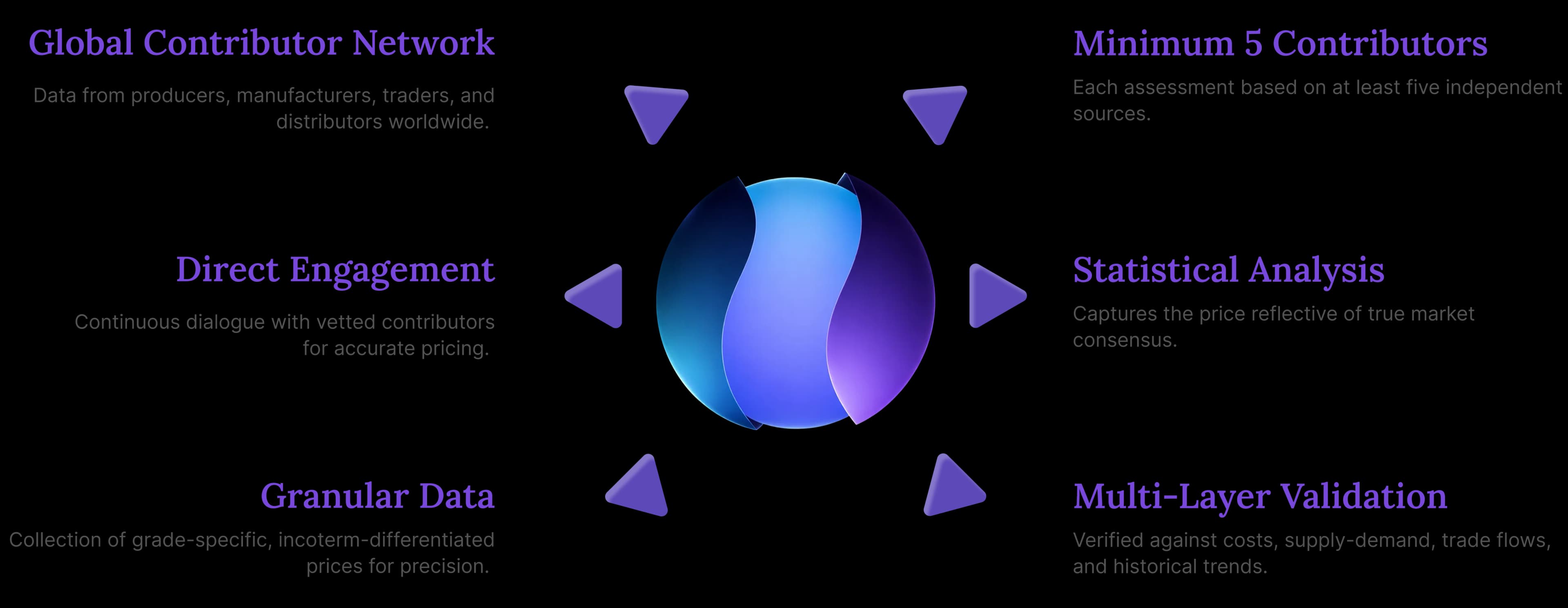
Our Price Analysis Methodology
Schedule A Demo
Experience how Procurement Resource transforms raw material price data into clear, decision ready intelligence. Optimise your performance with reliable, expert market data and analysis. Schedule your demo today to experience a live walk-through where our experts will showcase interactive price charts, forecasted prices, and insights driving the prices for your key commodities, tailored to your workflows. Contact us now!
Our Team will be happy to assist you
We are just a text away
Still Need Help ?
Subscription Plans
Unlock full access to Procurement Resource's price databases, interactive charts, and short-term forecasts for thousands of commodities. Elevate your sourcing decisions by comparing prices across regions, downloading historical data, and layering in analyst-backed insights, all with our flexible plans that scale as your portfolio grows.
Still have any Questions
Contact Us



Price Trend Dashboard - What's Included
Price trends across a diverse portfolio of categories amd products, spanning board to niche chemicas
Coverage extendable to grade-specific chemicals based on procurement requirements
Regular price tracking supported by robust historical datasets
News, policy updates, and key market drivers impacting price movements
Short-term and long-term price outlooks and forecasts
Supply–demand dynamics and capacity-driven market analysis
- Unlimited Users
- Historical Monthly Price
- USA, Europe, APAC Covered
- Monthly Forecast
- 12 Months validity
- News & Events
- 50 Products (Refer Next Page For List)
Why Procurement Database

Assistance from Experts
Throughout 2024, the Asian acetoin market experienced fluctuating trends with regional variations. Q1 began with moderate price increases driven by supply constraints from Chang Chun Plastics' maintenance shutdown in Taiwan. Post-S...

Client's Satisfaction
Throughout 2024, the Asian acetoin market experienced fluctuating trends with regional variations. Q1 began with moderate price increases driven by supply constraints from Chang Chun Plastics' maintenance shutdown in Taiwan. Post-S...

Assured Collaboration
Throughout 2024, the Asian acetoin market experienced fluctuating trends with regional variations. Q1 began with moderate price increases driven by supply constraints from Chang Chun Plastics' maintenance shutdown in Taiwan. Post-S...
Global Insights
Throughout 2024, the Asian acetoin market experienced fluctuating trends with regional variations. Q1 began with moderate price increases driven by supply constraints from Chang Chun Plastics' maintenance shutdown in Taiwan. Post-S...