Banana Price Trend Analysis 2026: Latest News, Historical Prices, Price Drivers, Supply Demand Analysis & Market Insights
Banana Price Trend Q1' 2026
- Global banana prices remained mixed to firm in Q1’26, as higher export availability improved supply but rising freight risks restricted any major downward movement.
- Upstream costs stayed under pressure from fertilizer, fuel, farm logistics, and shipping, with the Iran war and Strait of Hormuz closure raising transport and insurance risks.
- Downstream demand remained steady from retail and foodservice sectors, mainly in Europe and North America, while buyers continued to avoid excessive stocking.
During Q1’26, global banana prices showed a mixed-to-firm trend as higher logistics costs and regional supply disruptions outweighed the pressure from improved exports in some origins. The Iran war and closure of the Strait of Hormuz increased freight, insurance, and vessel-delay risks, which raised landed cost pressure for long-distance banana shipments, especially into import-dependent markets. Upstream conditions were uneven, with weather stress, plantation disruptions, and ripening-related operating costs affecting availability from several producing countries. Brazil exported around 6,000 tons of bananas in January 2026, indicating a steady South American supply at the start of the quarter. In March 2026, Brazil shipped around 7,000 tons, showing improved export movement after February’s slowdown and easing some supply tightness. Downstream demand from supermarkets, foodservice buyers, and fruit distributors remained stable, but high logistics costs reduced bulk procurement.
Analyst Insight
According to Procurement Resource, in the near term, prices are expected to remain steady to firm, with adequate export supply limiting sharp gains, while freight and energy risks continue to support costs.
Related Report
Our Clients































Procurement Resource Database
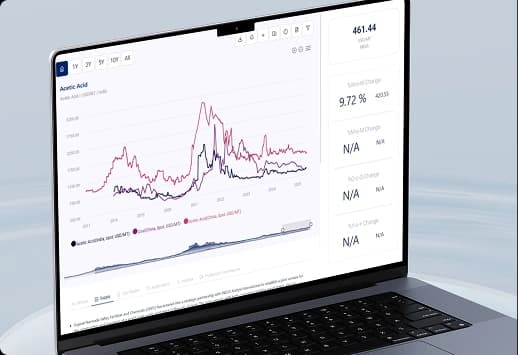
Turn price intelligence into action with the Procurement Resource Database. Log in or subscribe to unlock live price trends, historical charts, supplier databases, cost curves, and analyst-backed insights across chemicals, agriculture, energy, packaging, and more. Use these tools to benchmark your contracts, plan budgets with confidence, and stay ahead of market moves on every product you buy.
Banana Dashboard Inclusions
0
+Products
0
+Regions
0
+Subscriptions
In 2025, banana prices had an overall rising yet volatile trend. This was mainly because of issues relating to supply, climate change, and policies in major producing or consuming countries. In Latin America, banana production was affected by diseases such as Fusarium TR4 and Black Sigatoka. This had a major impact on banana prices. Industry leaders noted that diseases affecting banana production could have a major impact on banana availability, which would eventually influence banana prices.
In Australia, floods affected banana transportation in north Queensland. This had a temporary impact on banana availability, which influenced banana prices. In the United States, the government planned tariff relief on imported bananas to reduce consumer prices and control inflation. This showed that policy decisions also played an important role in shaping banana price movements during the year.
Overall, banana prices in 2025 remained firm and volatile, mainly due to lower production, climate risks, disease pressure, and trade policies affecting supply and demand across global markets.
In the second half of 2024, banana prices showed an overall upward trend due to supply pressure and changing market conditions in key producing regions. In Thailand, prices for Nam Wa bananas increased strongly as extreme heat and climate-related problems reduced production. Farmers faced crop diseases, pest attacks, and slow plant growth, which limited supply and pushed market prices higher. Strong demand from middlemen and limited harvest volumes kept the market tight, and prices remained elevated for several months.
In Ecuador, the government set a higher minimum support price for banana exports for the upcoming 2025 season, reflecting rising production costs and lower output. Producers pushed for higher contract prices to ensure sustainable farming, while exporters showed concern about weak demand in some international markets, especially due to geopolitical tensions and reduced buying in key regions. Lower production levels and uncertainty in global trade supported the overall price increase during the second half of the year.
At the same time, retailers in Europe focused on competitive pricing strategies and marketing efforts to attract consumers, showing that price sensitivity remained high in the market. Overall, banana prices in H2’24 moved upward mainly because of limited supply, climate challenges, and cost pressure in major exporting countries.
In the first half of 2024, the banana industry experienced significant price fluctuations driven by various factors. With the rising food inflation and falling production in India, prices inclined from the beginning of the first quarter. In America, the first quarter was still stable with prices; however, falling yield started to show effects in the second quarter. Climate-related challenges, supply chain disruptions, and the increasing costs of sustainable production contributed to decreased banana output, while the spread of Fusarium Wilt TR4 exacerbated the strain on global banana supplies. The industry also faced higher costs due to the rising prices of fertilizers, energy, and labor, along with a shortage of workers.
As a result, many stakeholders in the industry began advocating for higher prices to ensure the sustainability of banana production. Some retailers in Europe and North America responded by shifting away from traditional price-setting methods and adopting new approaches that reflect the increasing costs of production and the need for long-term commitments to growers. These factors collectively drove an upward trend in banana prices during the first half of 2024, with the industry signaling that the era of super-cheap bananas was coming to an end.
Latin American banana industry representatives noticed that the European supermarkets slashed the prices of bananas in the last two quarters of 2023 by a great margin. The traders noticed that the stronger euro and lower freight rates changed the overall functioning of the market and reduced the overall cost to traders and producers, highlighting minimal currency fluctuations and similar freight costs compared to the previous year. However, the overseas organizations protested over this move as they reported a reduction in their profit margins, which caused fluctuations in the price trend of bananas in the European countries.
Organizations like Corbana from Costa Rica stress the importance of sustaining the banana trade for communities reliant on it amidst challenges like El Niño and Panama Canal restrictions. The Latin American Task Force for Bananas, representing major banana-producing countries, criticized the supermarkets for consistently lowering prices as they ignored the rising costs of production due to inflationary pressure and sustainability concerns.
They advocated for fair pricing reflective of production expenses and sustainability efforts, urging adherence to fairtrade methodologies. Without fair pricing, sustainable production of the commodity became unfruitful for the producers as the supermarkets prioritize profit over agricultural sustainability, undermining the industry's livelihood and environmental efforts.
The prices of bananas soared in the Indian markets in the first and second quarters of 2023. The main cause of this incline in the prices was the limited availability of bananas during this season. The production rates were adversely affected by unfavorable weather conditions and unseasonal rains; further, the surplus cost of transportation and marketing pushed the prices of bananas toward an upward trajectory.
Another cause of this increase in prices was the rising demand due to the onset of the festival season. According to some of the retailers, the day-to-day sales surged almost twice that, widening the gap between supply and demand sectors. In addition to this, some of the producers, especially in Maharashtra, Gujarat, and Andhra Pradesh, lowered their production rates due to the pandemic, which further deprived the market of bananas. The rates of exports also bloomed as the international markets also showcased positive demand, ultimately causing the price trend of bananas to surge.
About Banana
Bananas are tropical fruits which are popularly consumed around the globe as they have a delicious taste and high nutritional profile. They consist high carbohydrate, dietary fiber, vitamins and minerals index, thus providing overall nutrition to consumers. They are often consumed as a snack or in combination with various formulations such as smoothies, desserts, and baked goods.
Banana Product Detail
Alcohol Production, Banana chips, Banana processing, Cosmetics and skincare, Animal feed
Fresh Del Monte, Chiquita Brands International Sarl, Fyffes, Dole Food Company, Reybanpac
Regional Coverage
Asia Pacific
Europe
North America
Latin America
Africa
CurrencyUS$ (Data can also be provided in local currency)
Supplier Database AvailabilityYes
Customization ScopeThe report can be customized as per the requirements of the customer
Post-Sale Analyst Support360-degree analyst support after report delivery
Note: Our supplier search experts can assist your procurement teams in compiling and validating a list of suppliers indicating they have products, services, and capabilities that meet your company's needs.
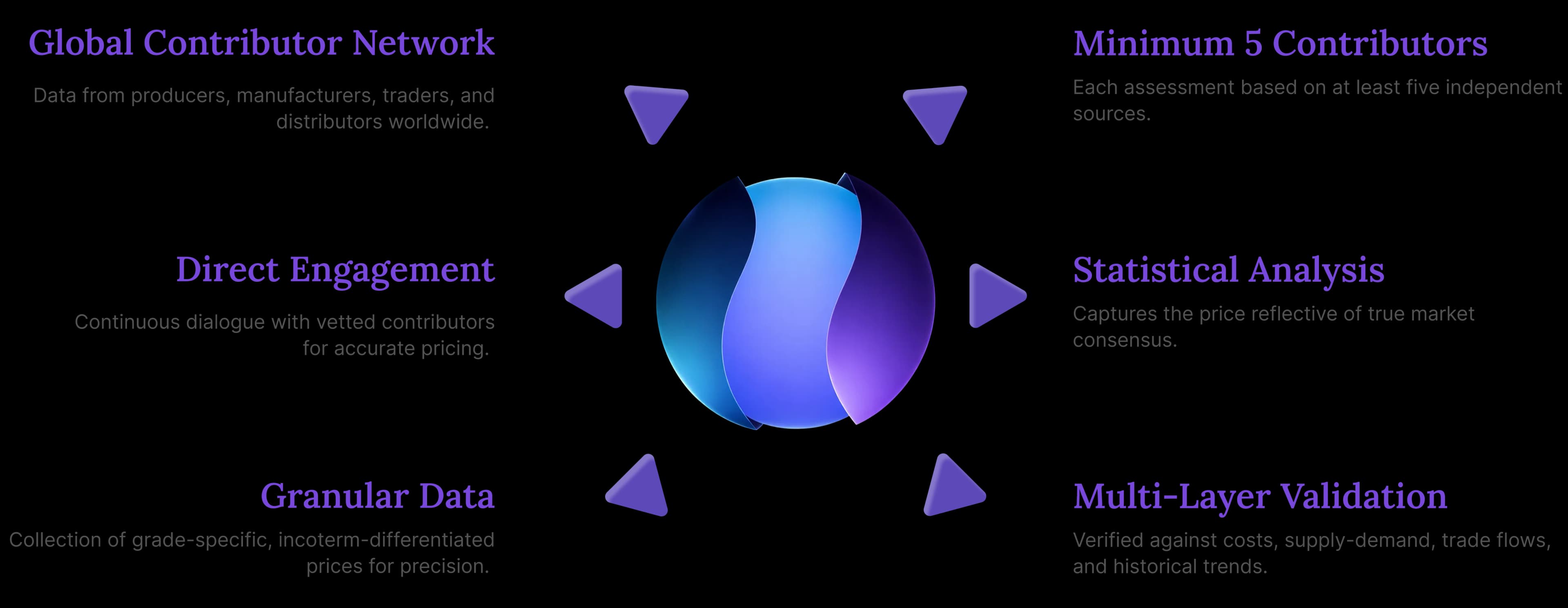
Our Price Analysis Methodology

Schedule A Demo
Experience how Procurement Resource transforms raw material price data into clear, decision ready intelligence. Optimise your performance with reliable, expert market data and analysis. Schedule your demo today to experience a live walk-through where our experts will showcase interactive price charts, forecasted prices, and insights driving the prices for your key commodities, tailored to your workflows. Contact us now!
Our Team will be happy to assist you
We are just a text away
Still Need Help ?
Subscription Plans
Unlock full access to Procurement Resource's price databases, interactive charts, and short-term forecasts for thousands of commodities. Elevate your sourcing decisions by comparing prices across regions, downloading historical data, and layering in analyst-backed insights, all with our flexible plans that scale as your portfolio grows.
Still have any Questions
Contact Us



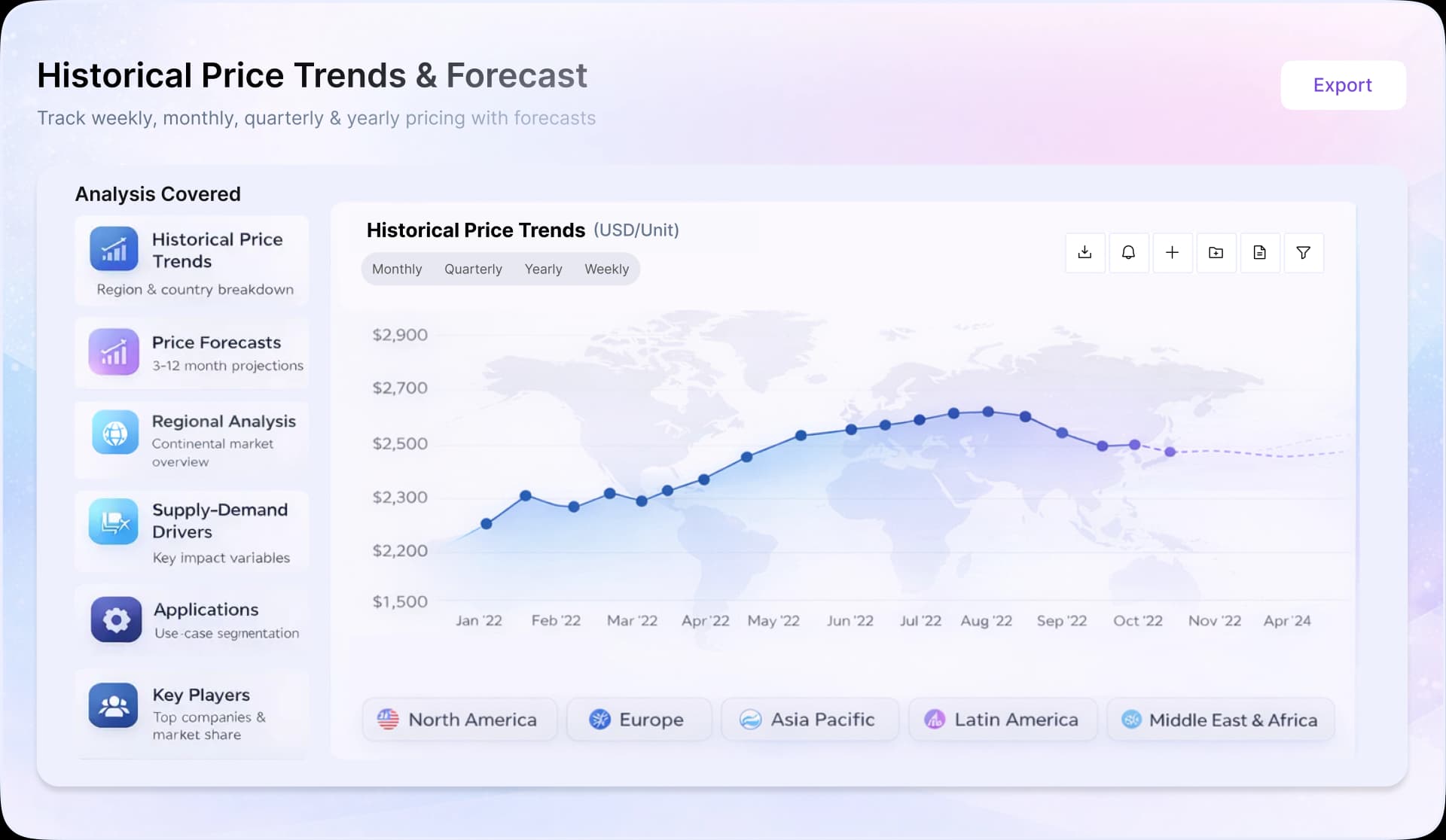
Price Trend Dashboard - What's Included
Price trends across a diverse portfolio of categories amd products, spanning board to niche chemicas
Coverage extendable to grade-specific chemicals based on procurement requirements
Regular price tracking supported by robust historical datasets
News, policy updates, and key market drivers impacting price movements
Short-term and long-term price outlooks and forecasts
Supply–demand dynamics and capacity-driven market analysis
- Unlimited Users
- Historical Monthly Price
- USA, Europe, APAC Covered
- Monthly Forecast
- 12 Months validity
- News & Events
- 50 Products (Refer Next Page For List)
Why Procurement Database

Assistance from Experts
Throughout 2024, the Asian acetoin market experienced fluctuating trends with regional variations. Q1 began with moderate price increases driven by supply constraints from Chang Chun Plastics' maintenance shutdown in Taiwan. Post-S...

Client's Satisfaction
Throughout 2024, the Asian acetoin market experienced fluctuating trends with regional variations. Q1 began with moderate price increases driven by supply constraints from Chang Chun Plastics' maintenance shutdown in Taiwan. Post-S...

Assured Collaboration
Throughout 2024, the Asian acetoin market experienced fluctuating trends with regional variations. Q1 began with moderate price increases driven by supply constraints from Chang Chun Plastics' maintenance shutdown in Taiwan. Post-S...
Global Insights
Throughout 2024, the Asian acetoin market experienced fluctuating trends with regional variations. Q1 began with moderate price increases driven by supply constraints from Chang Chun Plastics' maintenance shutdown in Taiwan. Post-S...