Biotin 2% Price Trend Analysis 2026: Latest News, Market Insights, Price Drivers, Historical Prices & Supply Demand Analysis
Biotin 2% Price Trend 2025
The price of Biotin 2% in the year 2025 showed a stable but fluctuating pattern in the global market. The price in the first quarter showed a mixed trend within a narrow range. This was because the supply in the market was quite high, and buyers were taking a cautious approach. The buyers thought that the availability of the product in the market would not allow the price to rise, and hence, they were only interested in buying in the short term. The entry of new suppliers in the market maintained a balanced price, and there was no rise in the price. The demand for the product from animal feed, supplements, and personal care remained constant.
In the second and third quarters, prices continued to vary slightly with comfortable inventory levels and moderate trading activity. Buyers were making small and timely purchases, while producers continued to maintain production levels to avoid oversupply. In the United States, high inventory levels resulting from earlier stockpiling resulted in low demand. Prices were stable in the fourth quarter, followed by a slight downward movement as global production picked up and demand weakened. Comfortable inventory levels were maintained by the major producing countries, and careful demand from overseas markets put downward pressure on the price.
Analyst Insight
According to Procurement Resource, Biotin 2% prices are expected to remain stable to slightly weak, with strong supply and demand continuing to affect the market.
Our Clients































Procurement Resource Database
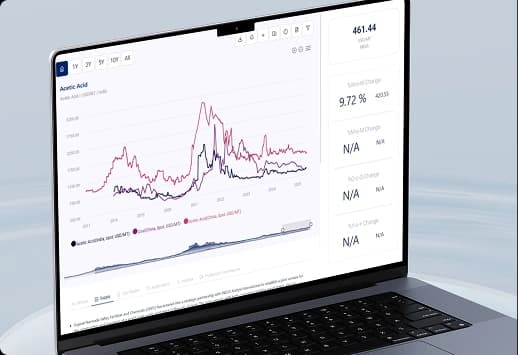
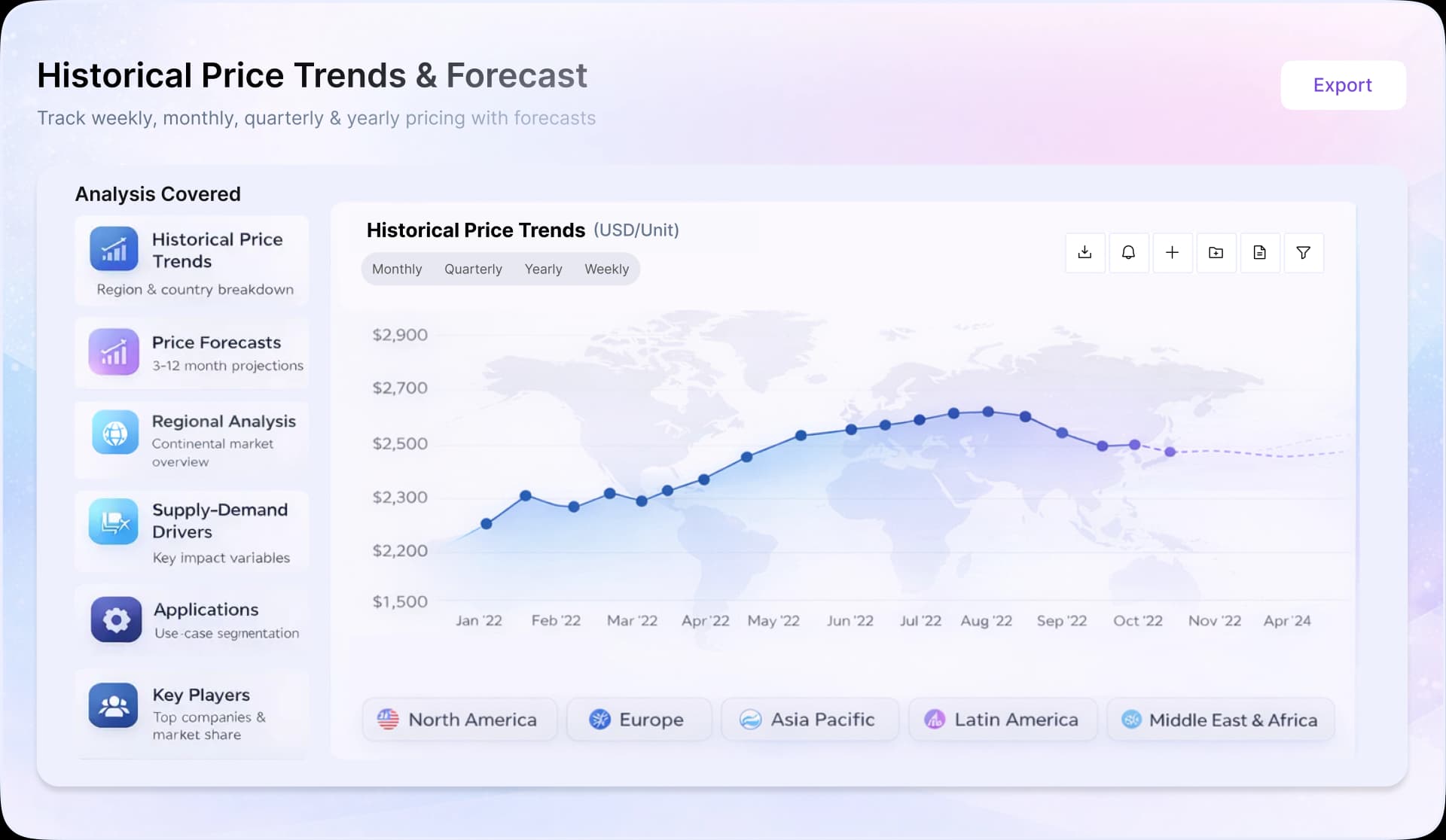
Turn price intelligence into action with the Procurement Resource Database. Log in or subscribe to unlock live price trends, historical charts, supplier databases, cost curves, and analyst-backed insights across chemicals, agriculture, energy, packaging, and more. Use these tools to benchmark your contracts, plan budgets with confidence, and stay ahead of market moves on every product you buy.
Biotin 2% Dashboard Inclusions
0
+Products
0
+Regions
0
+Subscriptions
In the second half of 2024, the prices of Biotin 2% exhibited moderate fluctuations, remaining largely within a stable band. During the third quarter, the market was stable with moderate price fluctuations caused by occasional supply chain disruptions. Purchasing activities were already high during the earlier period when prices were low, which resulted in minimal demand during this time. Demand for the product remained stable in the supplement and skincare industries. Prices were unable to rise rapidly due to weak cost support and stable trading conditions. A temporary incident at one of the German plants resulted in supply chain disruption for a short time, which caused some market instability. However, the incident had little effect on the vitamin market.
In the fourth quarter, prices of Biotin 2% increased as demand increased in key markets such as Europe and North America. This was because of increased consumer confidence and a favorable economic environment, leading to higher buying activity. This resulted in a buildup of stocks before holiday-related shutdowns at factories and ports, thus exerting upward pressure on prices.
The Biotin 2% market in most of the global economies such as the US, experienced a noticeable downward trend, primarily driven by weakened demand across its key downstream sectors such as pharmaceuticals, cosmetics, and nutraceuticals. The combination of economic uncertainty and ample supply weighed heavily on market dynamics. In April, market activity stagnated due to the reduced demand, a reflection of subdued consumer sentiments amid broader economic challenges.
The U.S. economic landscape faced significant headwinds, with a complex interplay of factors contributing to this trend. Anticipation of potential interest rate cuts by the Federal Reserve created an environment of uncertainty, which, coupled with persistent inflationary pressures, caused businesses and consumers to adopt a more cautious approach. The efforts to manage inflation while supporting economic growth also proved difficult, impacting consumer spending patterns and leading to a cautious market outlook.
The broader economic environment added further strain to the Biotin 2% market, as the first quarter of the year saw a more pronounced slowdown than anticipated, with both consumer spending and exports decelerating. This situation resulted in a build-up of unsold goods, which, in turn, exerted additional pressure on Biotin prices. The business activity in the U.S. also showed signs of contraction Consequently, the downstream sectors reliant on Biotin saw a pullback, reinforcing the negative pricing
Biotin, 2% prices, were found following an oscillating trajectory during the second half of the year 2023. The Biotin market had a strong start during the month of July, primarily because of the rise in feedstock sugar and corn prices. However, the trade dynamics became complicated as time progressed, especially over the international waters. Such a long extension of the Russian war trampled the European supply chains, and the Black Sea Deal also terminated in July; on top of that, the drought-like situation in the Panama Canal caused vessel congestion at the ports. This hindered the procurement activities.
These difficulties played with customer sentiments and caused a depreciation in downstream demands, which eventually forced the suppliers to discount the selling prices in order to maintain the stock movements. A decline in industrial activities in the latter Q4 because of the New Year holidays in the key global markets was also responsible for the downfall in market demands. Overall, a varying price trend was witnessed for 2% Biotin in H2’23.
Asia
Biotin 2% observed mixed price patterns in the Asian market in the first half of 2023. The prices started slowly as the Chinese industrial revival was still going slow. The supplies depended on existing inventory stocks which could sufficiently cater to the consistent and stable demands from downstream pharmaceutical and fodder markets. By late Q1, prices started stabilizing as the inventories started depleting.
The second quarter began with inclined price patterns as the supply constraints started affecting market fundamentals. However, towards the end of Q2, production ramped up, and the gap between supply and demand parity continuously decreased. After that, the Biotin 2% prices continued on a declining trajectory.
Europe
The European Biotin, 2% market, exhibited fluctuating price trend throughout the said period. Europe is dependent on Chinese imports for its Biotin 2% requirements. But as the inflation deprecated European currencies, imports were relatively expensive and kept the markets anchored for most of the first quarter.
Stable demands kept driving the market sentiments, and prices stayed inclined; it was only in the middle of Q2, around May, that the end user inquiries started subsiding, and supplies dominated the market dynamics. Prices were set on a declining trajectory for the rest of the second quarter.
North America
American Biotin's 2% market behaved no differently than other global markets in the first two quarters of 2023. Quarter one witnessed declined prices as the supply chains were restored with an improved freight situation. Existing inventories were able to support the stable demands from the downstream industries.
At the onset of the second quarter, prices inclined with the rise in demand for about a month. Given the newfound momentum, the traders over-ordered the product, which soon led to the saturation of the market as the demand subsided in the coming months. Hence, the price trend for Biotin 2% declined for the rest of the said period.
About Biotin 2%
In general, Biotin is a B group vitamin that plays a crucial role in the formation of keratin in the hoof. Biotin 2%, a free-flowing Biotin powder, is widely used as a supplemental source of biotin in the preparation of livestock feeds. As deficiency of Biotin in the diet may result in hair loss and low fertility in animals, for instance, in poultry it leads to poor feathering, inflammation of beak, legs and toes, fatty liver and kidney syndrome (FLKS), its proper intake is extremely necessary. Thus, it helps in maintaining good animal health.
Biotin 2% Product Detail
C10H16N2O3S
Medication, Animal Premix, Feed Use, Other
(3aS,4S,6aR)-hexahydro-2-oxo-1H-thieno[3,4-d]imidazole-4-pentanoic acid, Bios, Coenzyme R, D(+)-Biotin; D-Biotin, Meribin
Zhejiang Shengda Bio-pharm Co., Ltd., Koninklijke DSM N.V., Uckele Health & Nutrition Inc., Zagro Asia Limited, SynQuest Laboratories, Inc. (Central Glass Co., LTD.)
Regional Coverage
Asia Pacific
Europe
North America
Latin America
Africa
CurrencyUS$ (Data can also be provided in local currency)
Supplier Database AvailabilityYes
Customization ScopeThe report can be customized as per the requirements of the customer
Post-Sale Analyst Support360-degree analyst support after report delivery
Note: Our supplier search experts can assist your procurement teams in compiling and validating a list of suppliers indicating they have products, services, and capabilities that meet your company's needs.
Biotin 2% Production Process
- Production of Biotin 2% via Biosynthesis
Biotin is prepared from two precursors, namely, alanine and pimeloyl-CoA, that is obtained by a modified fatty acid pathway utilising a malonyl thioester as the starter. These two precursors utilise three enzymes to produce Biotin as the final product.
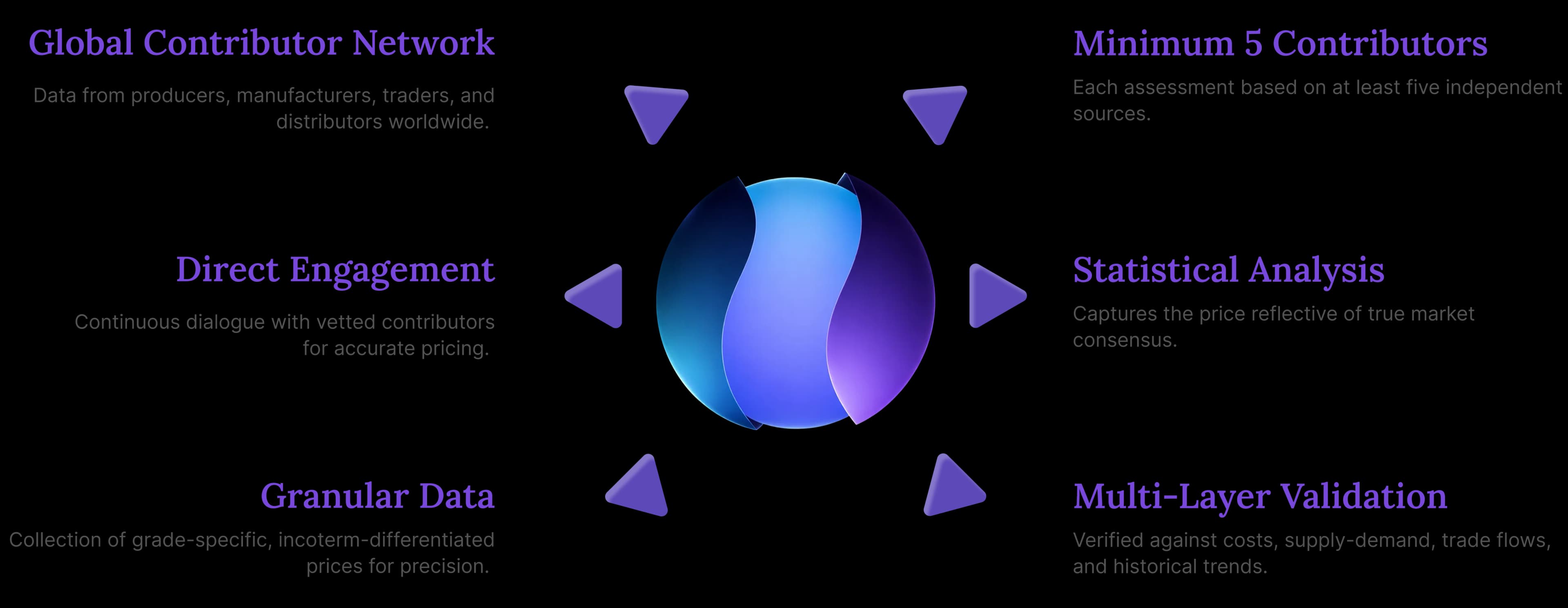
Our Price Analysis Methodology
Schedule A Demo
Experience how Procurement Resource transforms raw material price data into clear, decision ready intelligence. Optimise your performance with reliable, expert market data and analysis. Schedule your demo today to experience a live walk-through where our experts will showcase interactive price charts, forecasted prices, and insights driving the prices for your key commodities, tailored to your workflows. Contact us now!
Our Team will be happy to assist you
We are just a text away
Still Need Help ?
Other Related Reports
Vitamin B2 Production from Glucose
This study presents the production of vitamin B2 from glucose using the process of fermentation.
2- Hydroxypropanoic Acid Production from Carbohydrates (molasses, starch, or whey) via Fermentation
This report presents a detailed cost analysis of 2-hydroxypropanoic acid production from carbohydrates using the fermentation process.
Subscription Plans
Unlock full access to Procurement Resource's price databases, interactive charts, and short-term forecasts for thousands of commodities. Elevate your sourcing decisions by comparing prices across regions, downloading historical data, and layering in analyst-backed insights, all with our flexible plans that scale as your portfolio grows.
Still have any Questions
Contact Us



Price Trend Dashboard - What's Included
Price trends across a diverse portfolio of categories amd products, spanning board to niche chemicas
Coverage extendable to grade-specific chemicals based on procurement requirements
Regular price tracking supported by robust historical datasets
News, policy updates, and key market drivers impacting price movements
Short-term and long-term price outlooks and forecasts
Supply–demand dynamics and capacity-driven market analysis
- Unlimited Users
- Historical Monthly Price
- USA, Europe, APAC Covered
- Monthly Forecast
- 12 Months validity
- News & Events
- 50 Products (Refer Next Page For List)
Related News
View All
Why Procurement Database

Assistance from Experts
Throughout 2024, the Asian acetoin market experienced fluctuating trends with regional variations. Q1 began with moderate price increases driven by supply constraints from Chang Chun Plastics' maintenance shutdown in Taiwan. Post-S...

Client's Satisfaction
Throughout 2024, the Asian acetoin market experienced fluctuating trends with regional variations. Q1 began with moderate price increases driven by supply constraints from Chang Chun Plastics' maintenance shutdown in Taiwan. Post-S...

Assured Collaboration
Throughout 2024, the Asian acetoin market experienced fluctuating trends with regional variations. Q1 began with moderate price increases driven by supply constraints from Chang Chun Plastics' maintenance shutdown in Taiwan. Post-S...
Global Insights
Throughout 2024, the Asian acetoin market experienced fluctuating trends with regional variations. Q1 began with moderate price increases driven by supply constraints from Chang Chun Plastics' maintenance shutdown in Taiwan. Post-S...