Biotin Price Trend Analysis 2026: Latest News, Historical Prices, Price Drivers, Market Insights & Supply Demand Analysis
Biotin Price Trend Q4 2025
During the fourth quarter of 2025, biotin markets experienced initial price stability followed by a slight decline around the quarter’s end. The quarter began with prices holding at existing levels, supported by tariff effects and limited spot activity as most buyers had secured adequate coverage. Supply conditions remained comfortable, with global availability improving as major manufacturing regions increased output capacity. Production from Chinese and Indian facilities returned to full-capacity operations, boosting supply and intensifying competitive pressures. Demand patterns showed weakening momentum, with overseas buyers in Europe, Southeast Asia, and Latin America demonstrating limited purchasing interest and adopting cautious procurement strategies in anticipation of further price easing.
The dietary supplement, food fortification, and pharmaceutical sectors maintained comfortable inventory positions, reducing urgency for immediate restocking. Export market activity from the United States weakened considerably as purchasers postponed shipments. Logistics dynamics provided modest support to the downward trend as ocean freight rates eased slightly, while currency movements constrained purchasing power in emerging markets, contributing to muted buying activity.
Analyst Insight
According to Procurement Resource, biotin prices are expected to remain under pressure in the near term as the market continues experiencing oversupply conditions.
Related Report
Our Clients































Procurement Resource Database
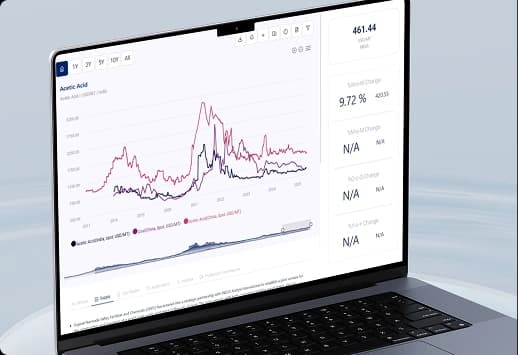
Turn price intelligence into action with the Procurement Resource Database. Log in or subscribe to unlock live price trends, historical charts, supplier databases, cost curves, and analyst-backed insights across chemicals, agriculture, energy, packaging, and more. Use these tools to benchmark your contracts, plan budgets with confidence, and stay ahead of market moves on every product you buy.
Biotin Dashboard Inclusions
0
+Products
0
+Regions
0
+Subscriptions
The third quarter presented a challenging environment for the U.S. Biotin market, marked by constrained trading activity and persistent inventory imbalances that developed from earlier frontloading behaviour. The quarter began with elevated inventory levels as U.S. producers and importers had accelerated purchases in preceding periods to secure material ahead of anticipated tariff implementations. This frontloading activity created an overhang that dampened fresh procurement requirements, with many buyers indicating sufficient coverage for their operational needs. The excess inventory situation weighed on market dynamics and limited transaction urgency.
Price movements reflected these supply-demand imbalances, with quotations experiencing modest fluctuations rather than directional trends. A brief recovery materialized mid-quarter as some restocking activity emerged alongside improved consumer sentiment. However, this uptick proved temporary as cautious purchasing behaviour reasserted itself and buyers focused on working through existing stocks. Trade activity remained subdued throughout the period, with limited spot market engagement. Tariff implementations influenced market structure, providing some pricing support while reinforcing buyer hesitance toward large-scale commitments. Overall sentiment reflected uncertainty about demand trajectories as participants adopted wait-and-see approaches.
Analyst Insight
According to Procurement Resource, looking forward, Biotin prices are likely to remain stable as limited spot activity continues. However, anticipated new production capacity may introduce supply pressure into an already oversupplied U.S. market.
Biotin finds broad application in human health in supplements that aim at hair, skin, and metabolic health. Downstream consumption from these industries kept the market driven for biotin.
During the second quarter of 2025, the demand from the abovementioned sectors still continued to shape buying habits. Producers and traders saw a steady flow of orders from the personal care and wellness industries. However, buyers during the same period remained cautious and preferred only near-term buying, having started the quarter with comfortable inventories carried over from earlier periods this year.
The trend of prices for Biotin was characterized by small, short-term fluctuations instead of a consistent trend. While some buyers started accumulating inventory, small shortages were seen briefly, but the producers soon filled these gaps with new supply.
As new suppliers came into the market, sellers competed harder, and this restricted price fluctuations which remained range bound. Volumes traded remained moderate, and sellers and buyers alike avoided making long-term commitments. The market ended the quarter with Biotin prices having experienced only temporary minor movements with no dramatic surge.
Analyst Insight
According to Procurement Resource, near-term supply is expected to remain comfortable, and there are no clear signals of major shifts ahead for the Biotin market.
Biotin is increasingly used nowadays in animal feeds, human dietary supplements, and cosmetics. It is used because it promotes healthy metabolism, improves hair and nails, and plays a crucial role in growth and productivity in poultry and livestock.
In the first quarter of 2025, the biotin price curve witnessed an oscillating trajectory across the globe. Buying was subdued, as purchasers believed that the huge supply in the market would prevent prices from advancing much. Some traders made effort to build short-run stocks only left limited, temporary gaps in supply, which manufacturers promptly filled. Entry of a new supplier introduced competition and prompted incumbent producers to handle their production cautiously, contributing further to the perception of an equilibrium market.
Prices fluctuated slightly, with no significant rushes of purchases from any sector. Animal feed and supplement sectors held to scheduled patterns of buying, and no region evidenced sudden changes in usage. Any temporary shortage of supply was speedily alleviated, since inventories were well controlled and supplies of new product continued at a steady pace.
In Q4’24, Biotin prices experienced an upward trend due to a combination of increasing demand and tightening supply. This was particularly evident in Europe and the U.S., where various factors contributed to the price surge. In Europe, Biotin prices saw a rise as consumer sentiment improved, spurred by a stable economic outlook and a drop in inflation. This shift in consumer behaviour led to higher demand for products like Biotin, which, in turn, put upward pressure on prices. Additionally, the approach of China’s Golden Week holiday led to businesses rushing shipments before potential delays caused by factory closures and slower port operations, further contributing to the price rise.
In the U.S., the rise in Biotin prices was largely due to heightened consumer confidence, which led to stronger demand across the market. Retailers also took proactive measures in response to the risk of labour strikes on the East and Gulf Coast ports, leading to increased stockpiling of Biotin to ensure supply continuity. This pre-emptive action, coupled with strong demand, created additional strain on the already-constrained supply chains, driving prices higher.
The prices of biotin fluctuated but remained within a defined range during the third quarter of 2024. For most of the three-month period, prices were steady, with occasional fluctuations caused by supply disruptions, and logistical challenges. Biotin prices had been low for an extended period, allowing buyers to secure supplies at lower rates.
Downstream industries such as supplements and skincare had already purchased stock and built inventories, leading to a dip in buying activity, as the market later quieted even more. To counter this sluggish market, some producers tried to raise the prices, which ultimately stabilized.
The hurricane season in North America, which typically affects supply channels, had a limited impact on this sector. Despite steady consumer demand, subdued upstream cost support caused prices to fluctuate in the market. Additionally, a plant explosion at BASF's Ludwigshafen facility in Germany in August temporarily halted operations. While this incident led the company to declare force majeure for vitamin A and E production, However, it is unlikely to have a significant impact on vitamin prices in the long term but affected the supply outputs temporarily. Overall, mixed market sentiments were witnessed.
Biotin's price trajectory in the second quarter of the year 2024 was not much different from its performance in the first quarter of the year 2024. The market was observed to be more consolidated and range-bound this time around since the supply and demand dynamic suggested negligible modification in the upstream and downstream market equations.
The biotin market continued its reliance on the feedstock corn starch and other carbohydrate base materials prices. In Asian markets, particularly India and China, the biotin prices were found to mimic the sluggishness in the corn markets. Since the raw materials were available easily at affordable costs, the manufacturing costs remained muted for the major part.
At the same time, the downstream market demands were also very regular. The domestic market was still somewhat supportive; the export queries had taken a bit hit, especially from the European nations. Various logistical and supply related challenges were the roadblocks in the European trade equations. Overall, the markets there remained dull for the most part.
The US biotin market also didn't exude any desirable enthusiasm. With steady consumer demands and subdued upstream cost support, the biotin prices remained buoyant in the American markets as well. Overall, a tepid price curve was observed for biotin during the concerned time span.
Biotin or Vitamin B7’s production involves a fermentation process with suitable microorganisms and then further downstream steps of purification, condensation, etc. The efficiency and affordability of this process determine the upstream price trajectory for biotin in the international markets. Corn feed and other sugar sources that are used as base materials for fermentation processes also affect the pricing situation for biotin. During the first quarter of 2024, biotin prices mostly observed an upward-wavering trajectory.
Along with a rise in the feedstock costs, the downstream demands have been equally supportive of the rising market trajectory. Especially in the post-Covid era, people have started taking their health seriously. Along with the pharma, the nutraceutical industry has also been flourishing. The nutraceutical sector has emerged as one of the biggest consumers of biotin. With hair and skin issues rising in most populations of the world, biotin consumption has also been included as a supplement. Overall, positive market sentiments were witnessed in Q1’24.
The biotin market experienced some downsizing during the last quarter of the year 2023. The biggest downfall of the demands came from healthcare and the skincare sectors. Biotin, which is also popularly known as Vitamin B7, is produced using cyclic amines and potassium borohydride, and both feedstocks were readily available during the concerned period.
The industrial slump in the USA earlier this year because of weak economic circumstances in the region kept the unused stocks stacked up in inventories, and that further created cost pressure for suppliers. So, in order to vacate inventories and make space for fresh stocks the suppliers chipped down the biotin prices. Overall, dull and falling price trend were observed for biotin throughout the entire three-month span of Q4 of 2023.
Biotin belongs to the family of water-soluble B vitamins with excessive employability in the pharmaceutical and cosmetic industries. It is naturally obtained from food sources such as eggs, nuts, and vegetables and synthetically from the bacteria culture.
Biotin’s price trend, thus, are dictated by its industrial uses and methods of production. The cost of natural raw materials used in its production in India surged due to a variety of factors. The most significant contributor to this rise in prices was uneven rainfall and ill consequences of climate change observed in the agricultural sectors. To curb these rising rates of inflation in the food sector, the government took strict measures, such as an export ban, which helped stabilize the trajectory of the biotin price graph in the third quarter of 2023.
Asia
The price trend of biotin fluctuated throughout the first and second quarters of 2023, as there was a considerable decline in the demand from the downstream industries. In the first quarter, China strengthened its export rates and eased its trade policies that, boosted the international offtakes.
In the second quarter, however, the production activities declined along with the weak demand from the downstream industries and the low number of offtakes from the domestic and international traders. In addition to this, trade was also affected by the slow recovery of the Chinese economy after the pandemic and the ongoing struggling global markets due to the Russia-Ukraine crisis.
Europe
In European countries, the price trend of biotin showcased a mixed signal but majorly remained on the positive end as the imports from Asian countries became expensive due to the strengthening of Asian currency. In addition to this, the surge in demand from the end-user industries caused the level of inventories to decline and thus supported the rising trend of biotin prices. However, the trajectory of the biotin price trend slumped in the last phase of the second quarter.
The main causes of this decline were the reduction in the appetite of buyers, the rise in stockpiles of inventories, and the weak performance of the economy. In addition to this, inflation in food and energy prices also hampered the growth of the biotin price trend.
North America
The first quarter of 2023 proved to be unfavorable for the biotin market as its price trend declined consistently. The biotin market was adversely affected by the restricted trade, high inflation, and uncertainties in the energy production market caused by the Russia-Ukraine crisis.
In April, there was a slight rise in the prices as end-user industries presented large orders and slow supply chains failed to cater to this high demand. However, in the subsequent months, the decline in the prices of biotin was a direct consequence of the poor purchasing potential of buyers and high-interest rates.
About Biotin
Biotin is also known as vitamin B7 which is an essential ingredient in various metabolic processes. It also acts as a coenzyme in the production of fatty acids, amino acids, glucose and also in energy production processes. It helps in the growth of skin cells, hair, and nails. It is also added to food sources and is also naturally obtained from eggs, nuts, and certain vegetables. Its deficiency can lead to skin disorders, hair loss, and other health issues, making it an important micronutrient for overall well-being.
Biotin Product Detail
Hs Code
29362950
Chemical Formula
C10H16N2O3S
Cas Number
58-85-5
Molecular Weight
244.31 g/mol
Industrial Uses
Wastewater treatment, Cosmetics and personal care, Agriculture, Food and beverage industry, Biotechnology
Supplier Database
Church & Dwight Co Inc, Nestle S.A., Nutraceutical Corporation, Life Extension Foundation Buyers Club Inc, The Nature's Bounty Co
Regional Coverage
Asia Pacific
China, India, Indonesia, Pakistan, Bangladesh, Japan, Philippines, Vietnam, Iran, Thailand, South Korea, Iraq, Saudi Arabia, Malaysia, Nepal, Taiwan, Sri Lanka, UAE, Israel, Hongkong, Singapore, Oman, Kuwait, Qatar, Australia, and New Zealand
Europe
Germany, France, United Kingdom, Italy,Spain, Russia, Turkey, Netherlands, Poland, Sweden, Belgium, Austria, Ireland Switzerland, Norway, Denmark, Romania, Finland, Czech Republic, Portugal and Greece
North America
United States and Canada
Latin America
Brazil, Mexico, Argentina, Columbia, Chile, Ecuador, and Peru
Africa
South Africa, Nigeria, Egypt, Algeria, Morocco
CurrencyUS$ (Data can also be provided in local currency)
Supplier Database AvailabilityYes
Customization ScopeThe report can be customized as per the requirements of the customer
Post-Sale Analyst Support360-degree analyst support after report delivery
Note: Our supplier search experts can assist your procurement teams in compiling and validating a list of suppliers indicating they have products, services, and capabilities that meet your company's needs.
Biotin Production Processes
The reaction of cyclic acid with dextroamine produces cyclic amine that on further reaction with potassium borohydride and hydrochloric acid gives a product which is combined with potassium thioacetate to give thioketone. In the next step, thioketone is reacted with formate reagent, and then is subjected to hydrogenation. Finally, via debenzylation, crude biotin is produced and by the help of charcoal, pure biotin is finally produced.
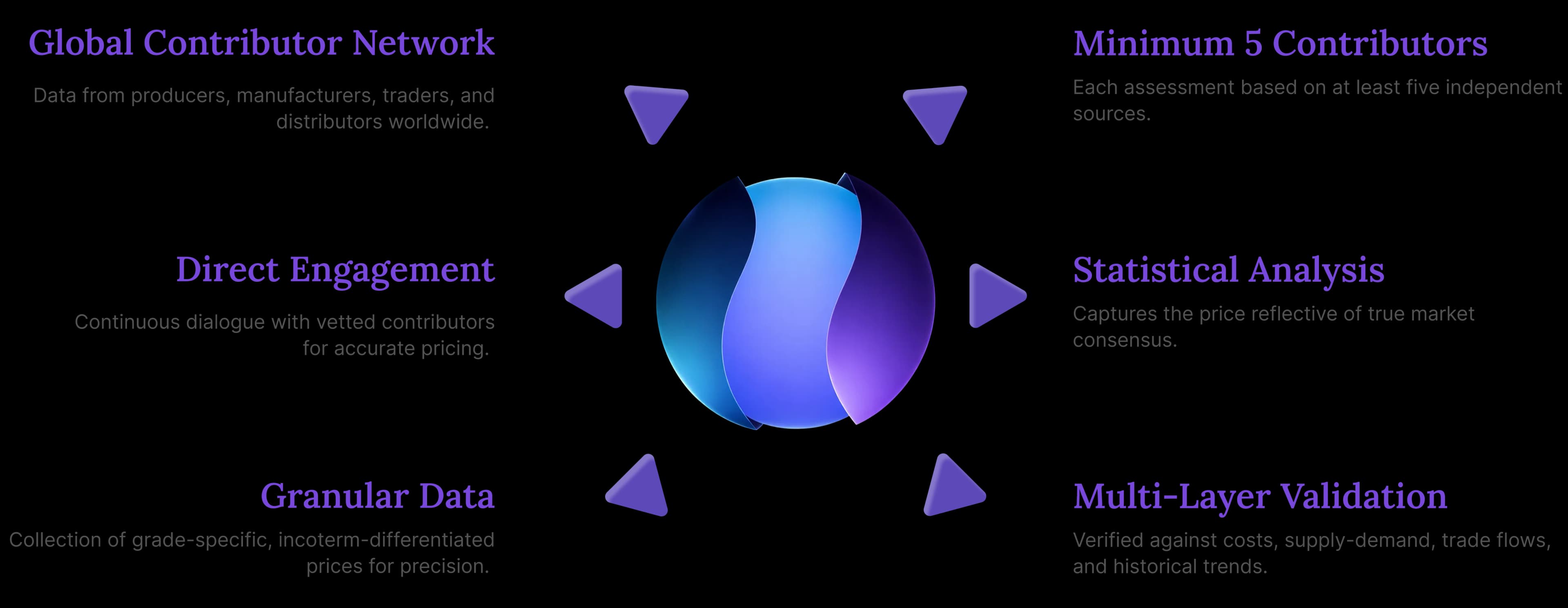
Our Price Analysis Methodology
Schedule A Demo
Experience how Procurement Resource transforms raw material price data into clear, decision ready intelligence. Optimise your performance with reliable, expert market data and analysis. Schedule your demo today to experience a live walk-through where our experts will showcase interactive price charts, forecasted prices, and insights driving the prices for your key commodities, tailored to your workflows. Contact us now!
Our Team will be happy to assist you
We are just a text away
Still Need Help ?
Subscription Plans
Unlock full access to Procurement Resource's price databases, interactive charts, and short-term forecasts for thousands of commodities. Elevate your sourcing decisions by comparing prices across regions, downloading historical data, and layering in analyst-backed insights, all with our flexible plans that scale as your portfolio grows.
Still have any Questions
Contact Us



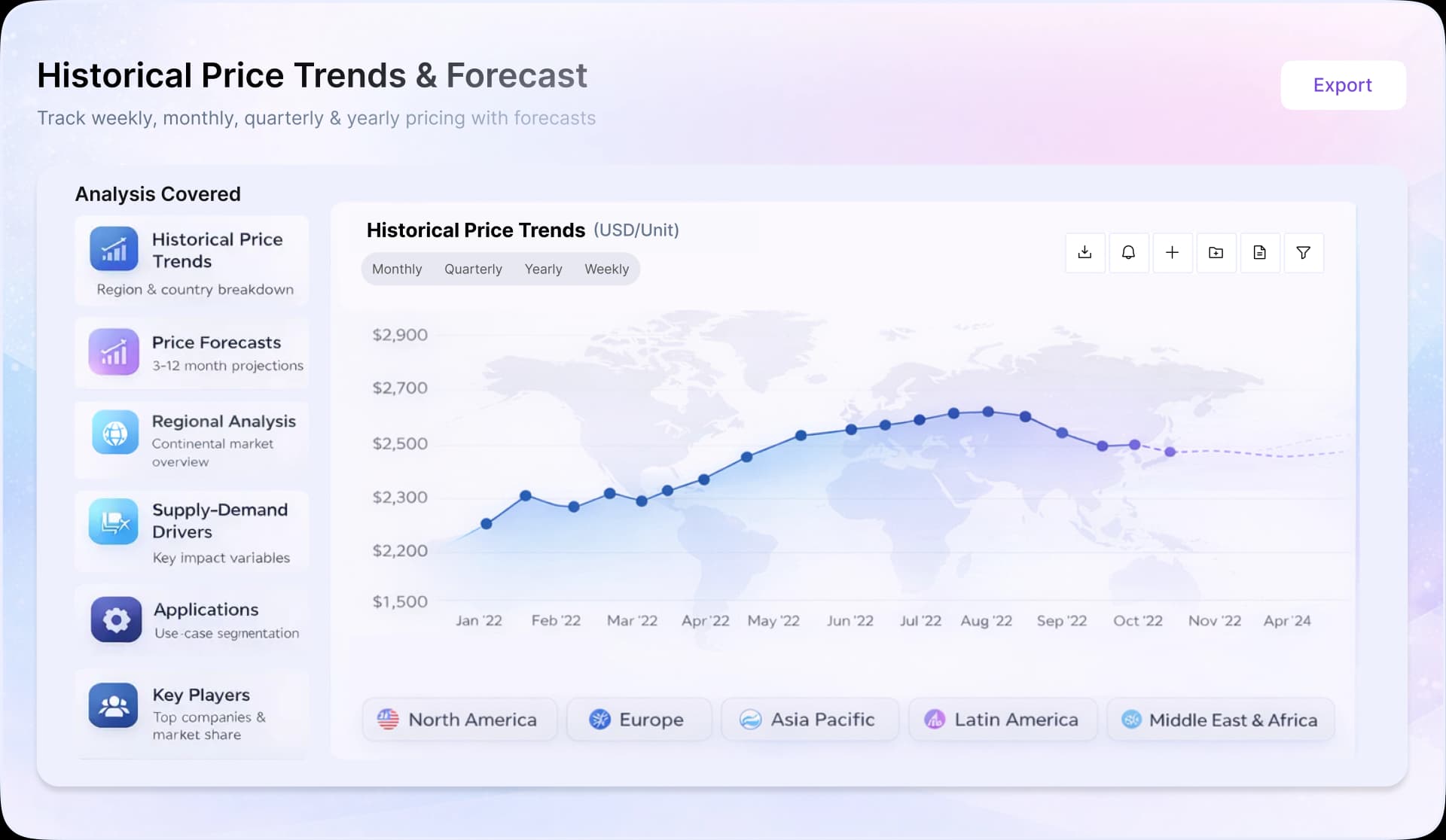
Price Trend Dashboard - What's Included
Price trends across a diverse portfolio of categories amd products, spanning board to niche chemicas
Coverage extendable to grade-specific chemicals based on procurement requirements
Regular price tracking supported by robust historical datasets
News, policy updates, and key market drivers impacting price movements
Short-term and long-term price outlooks and forecasts
Supply–demand dynamics and capacity-driven market analysis
- Unlimited Users
- Historical Monthly Price
- USA, Europe, APAC Covered
- Monthly Forecast
- 12 Months validity
- News & Events
- 50 Products (Refer Next Page For List)
Why Procurement Database

Assistance from Experts
Throughout 2024, the Asian acetoin market experienced fluctuating trends with regional variations. Q1 began with moderate price increases driven by supply constraints from Chang Chun Plastics' maintenance shutdown in Taiwan. Post-S...

Client's Satisfaction
Throughout 2024, the Asian acetoin market experienced fluctuating trends with regional variations. Q1 began with moderate price increases driven by supply constraints from Chang Chun Plastics' maintenance shutdown in Taiwan. Post-S...

Assured Collaboration
Throughout 2024, the Asian acetoin market experienced fluctuating trends with regional variations. Q1 began with moderate price increases driven by supply constraints from Chang Chun Plastics' maintenance shutdown in Taiwan. Post-S...
Global Insights
Throughout 2024, the Asian acetoin market experienced fluctuating trends with regional variations. Q1 began with moderate price increases driven by supply constraints from Chang Chun Plastics' maintenance shutdown in Taiwan. Post-S...
1/4