Black Pepper Oleoresin Price Trend Analysis 2026: Price Drivers, Supply Demand Analysis, Historical Prices, Market Insights & Latest News
Black Pepper Oleoresin Price Trend 2025
In 2025, black pepper oleoresin prices showed a strong upward trend due to tight supply and steady global demand for black pepper. The market was mainly influenced by rising pepper prices in major producing countries such as Vietnam, where production declined because of smaller cultivation areas and unfavourable weather conditions. Strong demand from global buyers and lower export volumes pushed pepper prices to high levels, which directly increased the cost of raw materials used in oleoresin production. Since black pepper oleoresin depends on processed pepper, higher input costs led to firm pricing in the extraction and flavouring industry.
Global pepper production also declined due to climate change, rising farming costs, and farmers shifting to more profitable crops. Limited inventory and supply concerns created pressure across the supply chain, while steady demand from the food processing, seasoning, and pharmaceutical industries supported market growth. Some buyers remained cautious due to high prices, but overall demand stayed stable, keeping the market firm. As a result, black pepper oleoresin prices in 2025 remained high and slightly volatile due to supply shortages, rising production costs, and strong international demand.
Related Report
Our Clients































Procurement Resource Database
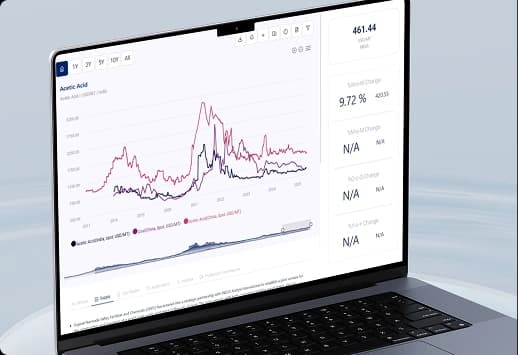
Turn price intelligence into action with the Procurement Resource Database. Log in or subscribe to unlock live price trends, historical charts, supplier databases, cost curves, and analyst-backed insights across chemicals, agriculture, energy, packaging, and more. Use these tools to benchmark your contracts, plan budgets with confidence, and stay ahead of market moves on every product you buy.
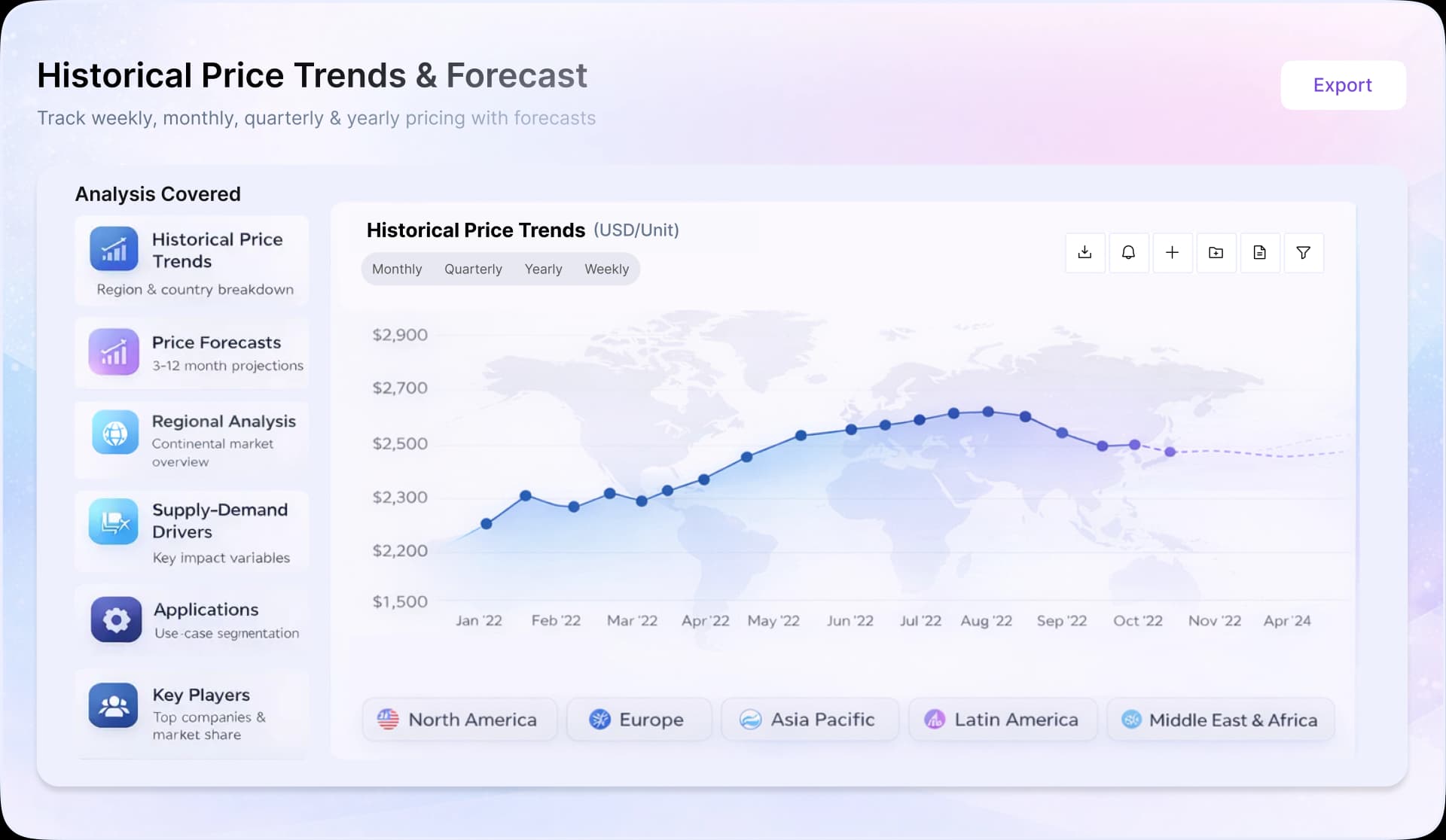
Black Pepper Oleoresin Dashboard Inclusions
0
+Products
0
+Regions
0
+Subscriptions
In the second half of 2024, black pepper oleoresin prices showed a mixed but mostly firm trend due to changing conditions in the global pepper market. The market was influenced by strong demand and limited supply of black pepper, especially from major exporting countries like Vietnam, where lower production and weather-related challenges pushed pepper prices to multi-year highs. This increase in raw pepper costs raised the production cost of black pepper oleoresin, as manufacturers depended heavily on steady pepper supply for extraction and processing. Strong export demand and concerns about future supply shortages also supported the firm pricing trend in the oleoresin market.
At the same time, the Indian pepper market faced downward pressure because of increased imports of low-quality pepper, which created temporary price declines in the domestic market. However, traders expected demand from global buyers to remain steady, which helped stabilize the overall market. Limited production, changing trade flows, and steady demand from the food processing and flavor industry kept black pepper oleoresin prices relatively stable with slight upward pressure during the second half of the year. Overall, the market reflected a balance between supply shortages in some regions and import-driven price adjustments in others.
In the first half of 2024, the price trend for black pepper oleoresin, an essential extract derived from black pepper used in food flavoring, pharmaceuticals, and cosmetics, was closely linked to the fluctuations in black pepper prices. As global black pepper prices surged across all origins, driven by tight availability, shipment delays, and rising demand from the US and European markets, the cost of black pepper oleoresin followed a similar upward trajectory. India's tight domestic supply and increased consumption, along with weather disruptions and high moisture content in Sri Lankan pepper, further amplified the upward pressure on prices.
Meanwhile, the increasing prices in Vietnam, Indonesia, and Brazil, where supply was constrained by unfavorable weather, also contributed to the global upward trend. The rising prices for black pepper directly impacted oleoresin costs, as oleoresin is produced by extracting essential oils and compounds from the pepper itself. Therefore, the limited availability and strong demand for black pepper led to higher oleoresin prices in the first half of 2024, reflecting the broader market dynamics and challenges in global pepper supply.
In the second half of 2023, the price trend for black pepper oleoresin, an essential extract derived from black pepper, closely followed the fluctuations in black pepper prices. Black pepper oleoresin prices remained stable to slightly downward due to the overall stagnant global pepper market. The sideways movement in black pepper prices, as observed in key markets like Vietnam, Indonesia, and Brazil, directly impacted the price trajectory of its oleoresin, reflecting a similar pattern of limited volatility. The subdued demand for black pepper in major consuming regions, such as the US and EU, coupled with increased interest from China and African countries, created a mixed market environment.
Slight declines in black pepper prices in Indonesia, where domestic and export markets were under pressure, also influenced oleoresin prices. Despite stable prices in other countries like Malaysia and Brazil, the overall demand remained weak. This, combined with reduced import and export activities in Vietnam, where pepper exports decreased by around 28% in July 2023, contributed to the relatively steady but cautious pricing environment for black pepper oleoresin in the latter half of the year. Overall, the price trend for black pepper oleoresin in H2 2023 mirrored the broader market dynamics for black pepper, with a generally stable to slightly declining pattern influenced by subdued demand, cautious market sentiment, and minimal changes in global pepper prices.
| Product | Category | Region | Price | Last Updated Month |
| Black Pepper Oleoresin | Flavours and Fragrances | India | 7300 USD/MT | Q2'2023 |
| Black Pepper Oleoresin | Flavours and Fragrances | Brazil | 3500 USD/MT | Q2'2023 |
| Black Pepper Oleoresin | Flavours and Fragrances | Vietnam | 3600 USD/MT | Q2'2023 |
| Black Pepper Oleoresin | Flavours and Fragrances | Indonesia | 2800 USD/MT | Q2'2023 |
Stay Updated with the Latest Black Pepper Oleoresin Prices, Historical Data, and Tailored Regional Analysis
The price trend for black pepper oleoresin directly depend on the black pepper market. Prices mostly remained inclined in the Asian region, especially in India (the biggest spice exporter) in the discussed first two quarters of 2023.
Indian pepper witnessed rising demands from global markets because of its quality and was traded at the highest prices among all varieties. Prices remained high because of regular inquiries from the downstream markets and low production as the unseasonal weather changes restricted the production yield. Further, the producers actively hoarded the product in hopes of price gains in the coming months.
By the end of the second quarter, Indian pepper was trading at about 7300 USD/MT, while Brazilian pepper averaged around 3500 USD/MT. Average export prices from Vietnamese and Indonesian markets stood at about 3600 USD/MT and 2800 USD/MT, respectively. Hence, such high prices of feedstocks and equally high demands caused the price trend for black pepper oleoresin to incline substantially in H1’23.
The later quarters of 2022 did not prove to be beneficial in terms of black pepper prices which significantly affected the price trend for black pepper oleoresin. The prices saw a bearish trend as the demand from the end-user industries declined. The rising interest rates to curb high inflation seen in most of the countries along with some significant ups and downs in the natural gas market led to uncertainties in the energy production costs, especially in the European region.
Further, adding to the decline the prices, the zero covid policy adopted by China to control the spread of Covid virus aided the downward trajectory of the prices. This trend forced the manufacturers and producers to hold their supply as they were reluctant to sell their produce at a compromised rate and thus, the level of inventories rose. These factors combinedly kept the prices of black pepper oleoresin in the negative region.
About Black Pepper Oleoresin
Black Pepper Oleoresin is basically a natural food additive that is derived by solvent extraction of the berries of black pepper or Piper nigrum L. It is a free-flowing, olive-green liquid at ambient temperatures, and has a characteristic aroma of black pepper with a pungent taste.
Black Pepper Oleoresin Product Detail
Spices, Traditional Medicines, Colouring and Flavouring Agent, Food Preservative
8002-56-0
Synthite Industries Ltd, Akay Group Ltd, Plant Lipids, Universal Oleoresins, BOS Natural Flavours (P) Limited
Regional Coverage
Asia Pacific
Europe
North America
Latin America
Africa
CurrencyUS$ (Data can also be provided in local currency)
Supplier Database AvailabilityYes
Customization ScopeThe report can be customized as per the requirements of the customer
Post-Sale Analyst Support360-degree analyst support after report delivery
Note: Our supplier search experts can assist your procurement teams in compiling and validating a list of suppliers indicating they have products, services, and capabilities that meet your company's needs.
Black Pepper Oleoresin Production Process
- Production of Black Pepper Oleoresin via Solvent Extraction process.
The oleoresins are produced by what is known as solvent extraction process. It undergoes the industrial process before its commercial use.
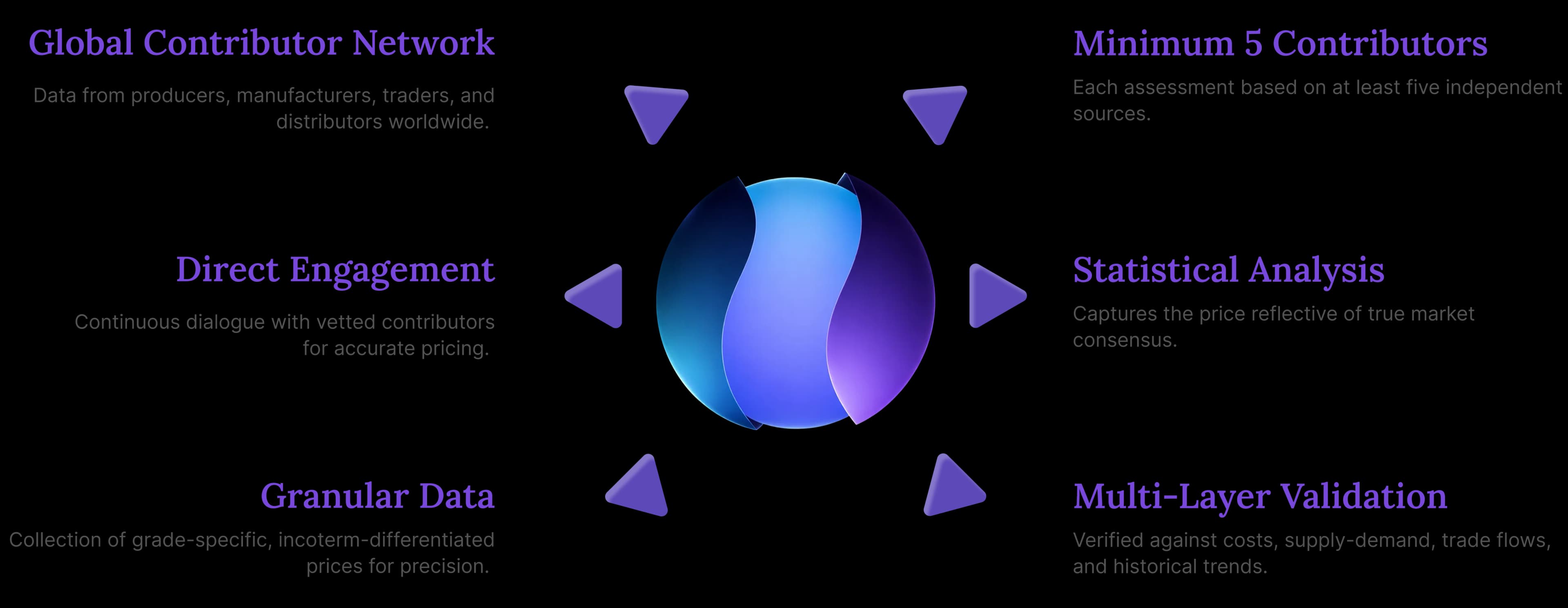
Our Price Analysis Methodology
Schedule A Demo
Experience how Procurement Resource transforms raw material price data into clear, decision ready intelligence. Optimise your performance with reliable, expert market data and analysis. Schedule your demo today to experience a live walk-through where our experts will showcase interactive price charts, forecasted prices, and insights driving the prices for your key commodities, tailored to your workflows. Contact us now!
Our Team will be happy to assist you
We are just a text away
Still Need Help ?
Other Related Reports
Red Pepper Oleoresin Production from solvent extraction
This report provides the cost structure of red pepper oleoresin production by the solvent extraction method. This process involves the solvent extraction from dried red pepper with organic solvent such as acetone and ethanol.
Black Pepper Oleoresin Production from Solvent Extraction
In this process, the oleoresin is obtained by the solvent extraction of dried berries of Piper nigrum linn with a volatile solvent such as acetone and ethanol.
Subscription Plans
Unlock full access to Procurement Resource's price databases, interactive charts, and short-term forecasts for thousands of commodities. Elevate your sourcing decisions by comparing prices across regions, downloading historical data, and layering in analyst-backed insights, all with our flexible plans that scale as your portfolio grows.
Still have any Questions
Contact Us



Price Trend Dashboard - What's Included
Price trends across a diverse portfolio of categories amd products, spanning board to niche chemicas
Coverage extendable to grade-specific chemicals based on procurement requirements
Regular price tracking supported by robust historical datasets
News, policy updates, and key market drivers impacting price movements
Short-term and long-term price outlooks and forecasts
Supply–demand dynamics and capacity-driven market analysis
- Unlimited Users
- Historical Monthly Price
- USA, Europe, APAC Covered
- Monthly Forecast
- 12 Months validity
- News & Events
- 50 Products (Refer Next Page For List)
Related News
View All


Why Procurement Database

Assistance from Experts
Throughout 2024, the Asian acetoin market experienced fluctuating trends with regional variations. Q1 began with moderate price increases driven by supply constraints from Chang Chun Plastics' maintenance shutdown in Taiwan. Post-S...

Client's Satisfaction
Throughout 2024, the Asian acetoin market experienced fluctuating trends with regional variations. Q1 began with moderate price increases driven by supply constraints from Chang Chun Plastics' maintenance shutdown in Taiwan. Post-S...

Assured Collaboration
Throughout 2024, the Asian acetoin market experienced fluctuating trends with regional variations. Q1 began with moderate price increases driven by supply constraints from Chang Chun Plastics' maintenance shutdown in Taiwan. Post-S...
Global Insights
Throughout 2024, the Asian acetoin market experienced fluctuating trends with regional variations. Q1 began with moderate price increases driven by supply constraints from Chang Chun Plastics' maintenance shutdown in Taiwan. Post-S...