Butter Price Trend Analysis 2026: Market Insights, Latest News, Price Drivers, Supply Demand Analysis & Historical Prices
Butter Price Trend Q1 2026
| Product | Region | Incoterm Basis | Price | Last Updated Month |
| Butter | Germany | FOB | USD 4911/MT | April 2026 |
| Butter | India | FOB | USD 376/MT | April 2026 |
| Butter | USA | FOB | USD 3,821/MT | April 2026 |
| Butter | Brazil | FOB | USD 3,421/MT | April 2026 |
| Butter | New Zealand | FOB | USD 6,431/MT | April 2026 |
| Butter | Germany | FOB | USD 5,288.00/MT | March 2026 |
| Butter | India | FOB | USD 413.18/MT | March 2026 |
| Butter | USA | FOB | USD 4124.00/MT | March 2026 |
| Butter | Brazil | FOB | USD 3497.48/MT | March 2026 |
| Butter | New Zealand | FOB | USD 6838.00/MT | March 2026 |
Stay updated with the latest butter prices, historical data, and tailored regional analysis
- Global butter prices showed mixed movement in Q1’26, with early firmness from strong Asian buying and later pressure from ample milk supply in Europe and stable production in North America.
- Feedstock influence remained high as milk output and cream availability dictated supply, with strong milk flows increasing butter production in some regions.
- Downstream demand stayed steady from bakery, retail, and foodservice, while export demand from Asia continued to shape global trade flows.
Asia
Butter prices in Asia remained firm in Q1’26, supported by strong import demand and limited regional production. At the start of the quarter, North Asia accounted for 64% of butter purchases at a major global auction, showing strong buying interest and forward coverage for upcoming months. China continued to rely on imports due to limited domestic butter production relative to consumption, while India remained largely self-sufficient but influenced regional sentiment through milk fat availability. Stable demand from bakery and foodservice sectors supported consumption, while supply tightness from Oceania exports maintained firm market conditions.
Europe
Butter prices in Europe showed mixed trends in Q1’26 as strong milk production increased cream availability and pressured the market. Ample milk volumes during the spring flush raised butter output, while softer domestic demand limited upward movement. Butter price analysis also indicated a decline in Western Europe butter values during the period, reflecting oversupply conditions and weaker farmgate milk prices. Export competitiveness remained moderate, with supply-side pressure outweighing demand support from foodservice and retail segments. However, by the end of the quarter, the butter prices recovered as the inventories declined.
North America
Butter prices in North America followed a steady to firm trend in Q1’26, supported by stable domestic demand and controlled supply conditions. Strong butter stocks increased availability, while steady consumption from retail, processed food, and bakery sectors maintained market balance. Domestic production limited exposure to global disruptions, though international demand and trade flows influenced overall sentiment.
Analyst Insight
According to Procurement Resource, butter prices are expected to remain stable to slightly firm, with supply from milk output and demand from Asia continuing to determine market direction.
Related Report
Our Clients































Procurement Resource Database
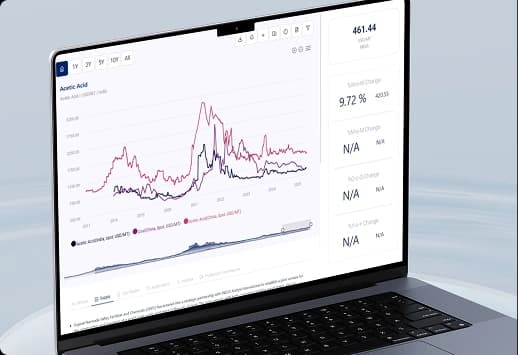
Turn price intelligence into action with the Procurement Resource Database. Log in or subscribe to unlock live price trends, historical charts, supplier databases, cost curves, and analyst-backed insights across chemicals, agriculture, energy, packaging, and more. Use these tools to benchmark your contracts, plan budgets with confidence, and stay ahead of market moves on every product you buy.
Butter Dashboard Inclusions

0
+Products
0
+Regions
0
+Subscriptions
| Product | Category | Region | Price | Time Period |
| Butter | Chemicals | Germany | 7684 USD/MT | January 2025 |
| Butter | Chemicals | Germany | 4300 USD/MT | December 2025 |
| Butter | Chemicals | North America | 5576 USD/MT | January 2025 |
| Butter | Chemicals | North America | 3183 USD/MT | December 2025 |
| Butter | Chemicals | Europe | 7991 USD/MT | January 2025 |
| Butter | Chemicals | Europe | 4899 USD/MT | December 2025 |
Stay Updated with the Latest Butter Prices, Historical Data, and Tailored Regional Analysis
Asia
Butter prices across Asian markets followed a trajectory broadly consistent with global dairy trends during 2025. Prices entered the year at elevated levels, supported by tight international supply and sustained demand for dairy fat across food manufacturing and retail channels. As global milk production remained constrained in the first half of the year, import-dependent Asian economies continued to face upward pricing pressure. A gradual peak was observed around mid-year, after which prices eased progressively as supply conditions improved in key exporting regions. The latter part of 2025 saw a notable correction, with prices declining from their highs as global cream availability increased and demand softened at the margin. Food manufacturers in the region showed growing interest in plant-based butter alternatives as a cost-management response to the elevated pricing environment seen earlier in the year.
Europe
European butter prices opened 2025 at notably high levels and held firm through the first half of the year, with spot and contract prices across major markets remaining elevated. Germany, a key reference market, saw prices climb further to reach a peak around mid-year before a pronounced and decline set in during the latter half of the year. The prices were about 7684 USD/MT (Contract FD) in January and around 4300 USD/MT in December. The correction was driven by a sharp increase in milk production, falling cream input costs, and the accumulation of significant butter stocks across the European Union. By year-end, prices had declined steeply from their peak, reflecting a well-supplied market and subdued buying interest as trade participants had largely covered forward requirements. The average prices were about 7991 USD/MT (Spot FD) in January and around 4899 USD/MT in December in the European region.
North America
In North America, the butter price graph displayed a similar trajectory throughout 2025. The prices were about 5576 USD/MT (Contract FD) in January and around 3183 USD/MT in December. Prices were firm in early months and climbed modestly to reach a mid-year peak before reversing sharply through the second half. Stronger domestic milk production, driven by herd expansion and improved per-cow output, resulted in ample cream availability for churning. This supply growth, combined with softer domestic consumption and waning foodservice demand, pushed prices to multi-year lows by year-end. Export competitiveness improved as U.S. prices fell well below those of European and Oceanian origins, though elevated export volumes were insufficient to fully offset domestic supply growth.
Asia
In Asia, the butter prices varied by region, with import-dependent countries feeling the strongest effects. Australia, despite its significant dairy industry, faced challenges as a net butter importer.
The region saw increased competition for available butter supplies, particularly from New Zealand, one of the world's largest exporters. This led to higher prices across Asian markets, affecting both consumers and food manufacturers.
Europe
In Europe, butter prices reached unprecedented levels, with many countries struggling to maintain affordable consumer access. Poland took the extraordinary step of releasing strategic butter reserves to stabilize domestic prices. Western European nations, particularly France and Germany, saw significant price increases that affected both retail consumers and commercial bakeries. The situation was less severe in Southern European countries where olive oil remained the primary fat of choice.
North America
The North American butter market experienced sustained price pressure throughout the latter half of 2024. Domestic demand remained strong despite elevated prices, with buyers showing willingness to secure supplies even at premium rates. This behaviour was partly influenced by memories of previous holiday season shortages, leading to more aggressive purchasing patterns. The US market saw particularly strong demand in the food service sector as post-pandemic dining habits continued to normalize.
Asia
In the Indian market, the price of butter has been trending upward, closely reflecting the broader dynamics of the dairy industry. As India remains the world’s leading milk producer, a surge in milk production from previous years has not prevented rising costs in related dairy products like butter. The price increases were driven by several interconnected factors: escalating input costs for dairy farming, significant hikes in cattle feed prices, and health issues affecting livestock, such as lumpy skin disease. Additionally, higher fuel and packaging expenses contributed to the rising costs of butter production.
Since butter is a derivative of milk, fluctuations in milk prices directly impacted butter prices, exacerbating the financial strain on consumers. The perishable nature of milk, coupled with growing demand and regional consumption variations, further complicated the pricing landscape. Thus, the rise in butter prices directly reflected the underlying pressures in the milk supply chain, highlighting the delicate balance between production costs and market demands.
Europe
The prices of butter fluctuated in the European market depending upon the price of its feedstock cream. The prices of butter showed upward movement amid strong consumer demand. Extreme weather conditions in the form of heavy rainfall resulting in flooding across many European countries did not limit the supply of milk, and the rise in prices depended on demand for dairy products. The high demand for butter drove prices amid the limited supply.
North America
The prices of butter showed an upward trend as the demand for the product went up. Other dairy products such as cheese and yogurt also saw increased demand. Milk production in the United States also depreciated due to record-high summer temperatures, tight profit margins, sustainability, and regulatory issues. Dairy herd size and milk per cow also saw a dip. However, this did not affect the production of butter.
The demand for butter was strong in the first half of 2024, which drove the prices higher. Even though the prices were high, some sellers chose to retain some supply and did not completely flood the market amid the strong buyer interest. The exports were relatively lower than in the past two years, but the domestic consumption was able to moderately support the dairy market during the said period. Overall, the current environment of rising prices is favorable for dairy producers.
| Product | Category | Region | Price | Time Period |
| Butter | Chemicals | Europe | 4953 USD/MT | July'23 |
| Butter | Chemicals | Europe | 5668 USD/MT | Dec'23 |
| Butter | Chemicals | North America | 5673 USD/MT | Oct'23 |
| Butter | Chemicals | North America | 5741 USD/MT | Dec'23 |
Stay Updated with the Latest Butter Prices, Historical Data, and Tailored Regional Analysis
Asia
The third quarter started with a marginal price movement in the Indian butter market, but the prices picked up again as the fourth quarter began. This unlikely price fluctuation was largely attributed to the increased consumption of butter in the population and a consistent rise in feedstock milk prices. Some research also suggested that the milk yield per cattle has been on a decline in the highest milk-producing country in the world. Overall, a rising price trend was witnessed in the Indian butter market during the said period of the last two quarters of 2023.
Europe
Butter prices observed a very mixed trajectory throughout the second half of the year 2023. The third quarter was relatively more muted than the fourth quarter. Due to the summer season, butter consumption in the European markets was still low at the beginning of the third quarter in July, which resulted in the wavering of butter prices. However, as the final quarter began, the butter prices started surging, and as the year's end approached, the prices grew even more since the holiday season boosted butter consumption from the cooking and baking industries. The butter prices in the European markets went from approx. 4953 USD/MT in July '23 to about 5668 USD/MT in December '23, registering a growth of about 14%, and these prices are expected to rise further in the coming times.
North America
The North American butter market fluctuated greatly during the given period of H2'23. The prices started on a rising trajectory as the butter prices rose by an astounding 30%(approx.) by October after averaging around 5673 USD/MT in July '23. However, since the prices shot up so much, it was directly reflected in the decline of end-user consumption of butter, and this dip in demand balanced out the butter prices slightly in the last two months as the butter closed the year averaging at around 5741 USD/MT in December '23.
Asia
Asian Butter market exhibited mixed price patterns in H1 2023. Milk yield increased compared to the year 2022, but consumption increased even more as the market moved towards normalization after the lifting of Covid 19 restrictions by the Chinese Government.
So, butter prices were mostly inclined in the Chinese domestic market. A similar trend was seen in the Indian domestic market, where milk and dairy prices rose substantially. The rising labor and energy costs further affected the price trend for Butter in the said period.
Europe
After attaining unsustainable highs in 2022, butter prices started stabilizing and eventually declined in H1’23. As the supply chains and trade normalized, ample product was available with the manufacturers.
However, the demand did not recover in line with the production, thereby leading to the stocking of products in the market. Hence, the price trend almost kept flat (wavering downwards) during the first half, and the supply-demand dynamics strived for equilibrium. The spot prices went from around 5613 USD/MT in January’23 to about 5066 USD/MT in June’23.
North America
The North American butter market showcased mixed price sentiments in the first half of 2023. The market normalized compared to the previous year as the upstream costs decreased. The price trend started inclining gradually in the second quarter as the demand stabilized. The contract prices of Butter averaged around 5305 USD/MT in June’23.
Asia
Butter prices remained on an overall inclined trajectory during the second half of 2023. As the butter and ghee exports rose multifold and the festive season in India (in Q2) increased domestic consumption substantially. So, the prices rose throughout the period under discussion as dairy prices, in general, rose with high demands from the end users.
Europe
The butter prices skyrocketed during the third quarter, given the disruptions in supply chains owing to the current Russia-Ukraine conflict. Many dairy farmers had to thin down their herds after financially struggling; hence the milk required for producing Butter was reduced. Further, most of the available supplies were diverted for cheese production, so butter production was squeezed compared to its demand.
However, the butter price trend soon stabilized and eventually started declining towards the end of the fourth quarter. As the supply chains cleared and trade/ports opened, the factories churned products as much faster; however, the demand was not able to catch up with the newfound momentum, and thus, the prices declined.
North America
Butter prices remained fluctuated in the second half of the year 2022 in the North American market. Because of the freight difficulties and supply chain issues, prices mostly remained inclined as the high inflation and interest rates increased costs for commodities in general. Prices rose in the last month of Q3 after an almost flat curve in the first two months.
A sudden jump in prices was observed at the quarter shift, but the prices were set on a declining trajectory in the middle of Q4 and continued declining for the rest of 2022.
Asia
Recently, a forward trend in butter prices has been seen in the Asian market. Originally butter was associated with western cuisine; however, it is being promoted aggressively by Fonterra Co-operative Group in the Asian market. The butter processing plants are expanding to keep up with the increasing demands, keeping butter prices steady.
Europe
Due to the declining milk consumption amidst the already constrained milk supply, the commodity’s prices are falling in the European market. Currently, the price for German, Dutch and Irish butter averages 7000 USD/MT for this quarter. The reason behind this falling demand is the recent weather issues like heat waves across the EU hampering butter production.
The high feed costs due to the ongoing Russia-Ukraine confrontation and the new sustainability-related measures have offset the domestic demand for the commodity. The EU is importing from the United States to meet its requirement, thereby affecting the already tight supplies of the US and driving the prices of the global market further.
North America
Amidst the rising inflation and constant supply disruptions in the dairy and allied sectors, the commodity’s price in the USA reached a multi-year high in June 2022. The US dairy farmers and butter processors are struggling to maintain a stable supply due to the high feed cost, raw materials, and labor shortage. Hence, due to subdued production and tight inventories, the prices averaged a whopping 6008 USD/MT for the April-June quarter.
US butter has a better competitive advantage in the global market and often influences its price trend worldwide. The US exported more butter than any other butter-producing nation, which strained the already constricted domestic supply, toppling the US butter ledger.
Owing to the higher butter prices, domestic consumers are switching to readily available substitutes like margarine and vegetable oils as inflation has already muted their spending power. As a result, there is high speculation that a downward trend will be seen in the prices of the commodity for the upcoming quarter 3.
Europe
Free-on-board (FOB) butter prices in the European Union increased by EUR 300/MT in the three weeks to January 19th, reaching EUR 5,927/MT. However, butter futures prices are in backwardation (lower than spot prices), indicating that those markets anticipate a minor price correction. Butter prices are expected to remain stable over the next six months.
This high butter price has not been seen since 2018, when premium prices encouraged milk processors to increase butter output, putting downward pressure on prices and resulting in significant drops in butter prices in 2019. However, now, farm expenses are skyrocketing, squeezing farmers' margins, and labour is scarce.
North America
After reaching multi-year highs in January 2022, US butter prices remained firm in Q1 2022. The average price of US butter in the January-March '22 quarter increased by 79 percent quarter on quarter, owing to lower butter production and tight inventories, as well as increased demand from the foodservice sector. Because cheese production capacity is increasing, milk processors are channelling more milk to cheese vats at the expense of butter production.
Rising vegetable fat prices also discourage product substitution while increasing butter demand. Butter inventories in the United States increased by 20% month on month in February '22, to 263 million pounds, but were 26% lower year on year. Inventory levels, according to market participants, are comfortable but not excessive. Some plant managers are working to increase butter inventories if labour shortages and tight cream supplies do not occur, while others believe current butter inventories are adequate.
Europe
In the fourth quarter of 2021, the average European butter price increased by 28%. A large portion of this increase occurred between October and November, when prices increased by 10.7 percent and 10.7 percent, respectively, while prices increased marginally by 1.8 percent in December compared to the previous month.
This means that buyers planned to buy ahead of the holiday season due to a decrease in butter output and uncertainty about butter inventories. Furthermore, butter demand remained stable, according to market participants, who reported that butter sales fared well against the Omicron COVID-19 variant. Thus, butter sales in the foodservice sector increased in December compared to the same period the previous year, offsetting a year-on-year decline in retail sales.
North America
Butter prices in the United States remained stable in October. The October average price fell by 0.5 percent month on month to USD 3,886/MT. Overall, US butter prices have increased by 5.2 percent since last August due to a combination of lower butter supplies and higher domestic and international demand.
About Butter
Butter is a well-known dairy product that is made from the fat and protein components of milk or cream. It appears as a semi-solid emulsion at room temperature, comprised of almost 80% butterfat. It is utilised as a spread (at room temperature) and can also be used as a condiment in melted form. It is utilised as an ingredient in areas like baking, sauce making, pan frying, and other cooking procedures.
Butter Product Detail
Baking, Spread, Sauces, Condiment, Cooking
Fonterra Co-operative Group, Arla Foods Amba, Lactalis Group, Unilever PLC, Kerrygold USA
Regional Coverage
Asia Pacific
Europe
North America
Latin America
Africa
CurrencyUS$ (Data can also be provided in local currency)
Supplier Database AvailabilityYes
Customization ScopeThe report can be customized as per the requirements of the customer
Post-Sale Analyst Support360-degree analyst support after report delivery
Note: Our supplier search experts can assist your procurement teams in compiling and validating a list of suppliers indicating they have products, services, and capabilities that meet your company's needs.
Butter Production process
- Production of Butter via Churning.
Butter is generally derived by churning milk or cream to separate fats from the liquid (buttermilk), which finally produces Butter in a semi-solid state. Commercially, buttermaking involves steps like bacterial acidifying and heat treatment, and the use of advanced machinery like mechanical churn.
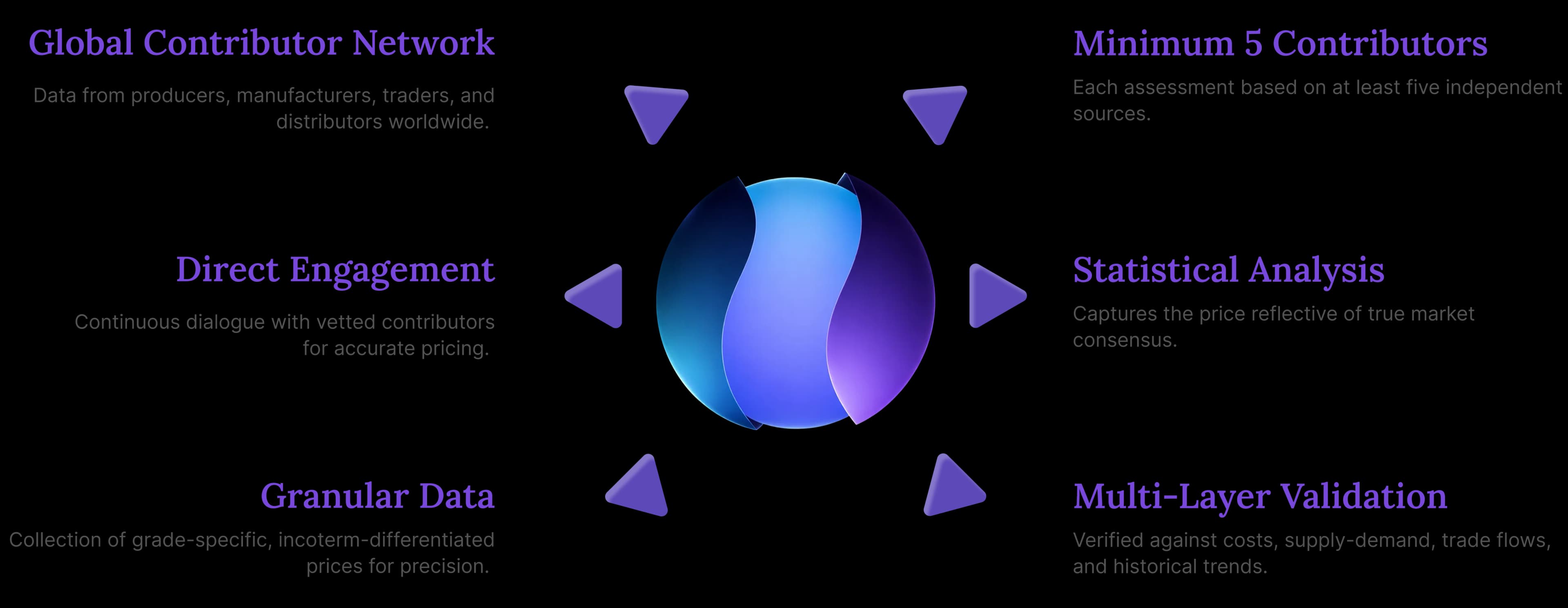
Our Price Analysis Methodology

Schedule A Demo
Experience how Procurement Resource transforms raw material price data into clear, decision ready intelligence. Optimise your performance with reliable, expert market data and analysis. Schedule your demo today to experience a live walk-through where our experts will showcase interactive price charts, forecasted prices, and insights driving the prices for your key commodities, tailored to your workflows. Contact us now!
Our Team will be happy to assist you
We are just a text away
Still Need Help ?
Other Related Reports
Butter Production from Churning Process
Butter is industrially manufactured by churning whole milk into cream first, which is then further pasteurized to form butter.
Cocoa Butter Production from Grinding and Pressing Method
This report provides the cost structure of cocoa butter production from the grinding and pressing methods. When the nibs extracted from cocoa beans are grounded, it produces chocolate liquor.
White Chocolate Production from Cocoa Butter
This report provides the cost structure of white chocolate production from cocoa butter. Cocoa butter is separated from the whole cocoa mass to make a press cake of cocoa beans.
Subscription Plans
Unlock full access to Procurement Resource's price databases, interactive charts, and short-term forecasts for thousands of commodities. Elevate your sourcing decisions by comparing prices across regions, downloading historical data, and layering in analyst-backed insights, all with our flexible plans that scale as your portfolio grows.
Still have any Questions
Contact Us



Price Trend Dashboard - What's Included
Price trends across a diverse portfolio of categories amd products, spanning board to niche chemicas
Coverage extendable to grade-specific chemicals based on procurement requirements
Regular price tracking supported by robust historical datasets
News, policy updates, and key market drivers impacting price movements
Short-term and long-term price outlooks and forecasts
Supply–demand dynamics and capacity-driven market analysis
- Unlimited Users
- Historical Monthly Price
- USA, Europe, APAC Covered
- Monthly Forecast
- 12 Months validity
- News & Events
- 50 Products (Refer Next Page For List)
Related News
View All

Why Procurement Database

Assistance from Experts
Throughout 2024, the Asian acetoin market experienced fluctuating trends with regional variations. Q1 began with moderate price increases driven by supply constraints from Chang Chun Plastics' maintenance shutdown in Taiwan. Post-S...

Client's Satisfaction
Throughout 2024, the Asian acetoin market experienced fluctuating trends with regional variations. Q1 began with moderate price increases driven by supply constraints from Chang Chun Plastics' maintenance shutdown in Taiwan. Post-S...

Assured Collaboration
Throughout 2024, the Asian acetoin market experienced fluctuating trends with regional variations. Q1 began with moderate price increases driven by supply constraints from Chang Chun Plastics' maintenance shutdown in Taiwan. Post-S...
Global Insights
Throughout 2024, the Asian acetoin market experienced fluctuating trends with regional variations. Q1 began with moderate price increases driven by supply constraints from Chang Chun Plastics' maintenance shutdown in Taiwan. Post-S...