Carrageenan Price Trend Analysis 2026: Supply Demand Analysis, Historical Prices, Price Drivers, Market Insights & Latest News
Carrageenan Price Trend Q1 2026
- Carrageenan prices in Q1’26 moved upward globally as the tightening seaweed supply and strong export demand supported the market.
- Feedstock pressure remained firm due to poor seaweed harvests linked to rising sea temperatures and biological damage, raising raw material costs.
- Downstream demand stayed strong across food processing sectors, supported by global consumption trends and export-driven demand.
The carrageenan prices in Q1’26 experienced an uptrend due to the scarcity of red seaweeds and high demand for processed seaweed in the global market. Feedstock conditions remained constrained as rising sea temperatures delayed cultivation cycles and reduced yields, while increased fish activity damaged crops. This led to a low harvest, pushing prices of seaweeds higher. Processors in major production areas had to resort to importing red seaweeds from different sources, hence raising the cost of supply. Trade levels were high since South Korea continued exporting large quantities of dried seaweed. Increased international demand for processed seaweed in markets such as Asia, North America, and Europe was also evident through high exports. At the same time, growing international consumption linked to the rising popularity of seaweed-based foods increased pressure on supply chains, while higher processing and distribution costs added to the overall price rise.
Analyst Insight
According to Procurement Resource, carrageenan prices are expected to remain firm due to limited seaweed supply and continued export demand, though volatility may persist if harvest conditions improve.
Related Report
Our Clients































Procurement Resource Database
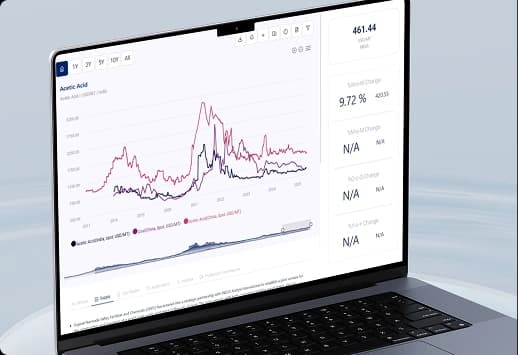
Turn price intelligence into action with the Procurement Resource Database. Log in or subscribe to unlock live price trends, historical charts, supplier databases, cost curves, and analyst-backed insights across chemicals, agriculture, energy, packaging, and more. Use these tools to benchmark your contracts, plan budgets with confidence, and stay ahead of market moves on every product you buy.
Carrageenan Dashboard Inclusions

0
+Products
0
+Regions
0
+Subscriptions
The trend of Carrageenan prices was mixed and slightly volatile in 2025, as the market was primarily affected by fluctuations in seaweed supply and processing conditions. In the early part of 2025, the supply of raw seaweed was higher because of favorable harvesting conditions, which reduced raw seaweed supply costs, thereby exerting a cost squeeze on Carrageenan supply. However, processing constraints and low rates of conversion of raw seaweed to Carrageenan kept supply tight, thus preventing a sharper fall in Carrageenan prices. Demand for Carrageenan remained firm, particularly from food, pharmaceutical, and personal care industries, thus maintaining a balance in the market.
As the year went by, the market continued to trade within its narrow band. Increasing demand for seaweed-based solutions in the fields of aquaculture, food, and industrial applications helped sustain the demand for derivatives like carrageenan. At the same time, the increase in production and the availability of tools to reduce the cost of seaweed farming contributed to the supply pressures, which posed a challenge to the producers of carrageenan.
Analyst Insight
According to Procurement Resource, prices of Carrageenan are expected to remain stable. Seaweed supply growth and improvements in processing capacity are expected to sustain the market in the near term.
The second half of 2024 was a period of turmoil for the pricing of carrageenan, with complex challenges at play in the market and pressures from the environment. The ingredient derived from seaweed showed significant volatility in price due to fundamental changes in marine ecosystems and agricultural sustainability.
Emerging environmental constraints hit seaweed production regions very seriously, especially in East Asian markets. Ocean temperatures were rising, and marine ecosystems were disrupted, which faced seaweed farmers with unprecedented challenges. This was exacerbated by the aging demographic of fishing communities, and many traditional harvesting regions were hit by severe workforce constraints.
Global demand for carrageenan remained high, mainly in food processing and industrial uses. However, supply chain disruptions and environmental limitations create a tense market environment. Strategic responses emerged, including government initiatives to expand seaweed cultivation areas and develop climate-resilient farming techniques.
The complicated dynamics were reflected by price fluctuations. With the rise in the cost of production, manufacturers had to make several strategic changes in pricing as well as sourcing. Because of limited availability of raw material and increased challenges in productions, prices continued to increase.
In the first half of 2024, the price of carrageenan, a hydrocolloid derived from red seaweed, experienced significant upward pressure due to the ongoing challenges in seaweed harvests, particularly in Japan, where seaweed production has hit near-record lows. The decline in seaweed availability, driven by rising sea temperatures and adverse weather conditions, has impacted not only local markets but also the global supply chain for carrageenan, which is widely used as a thickening, gelling, and stabilizing agent in the food industry.
As the supply of the raw material becomes constrained, carrageenan prices have surged, mirroring the trend seen with other seaweed-based products like wakame and kombu. The interconnectedness of these markets is due to their shared reliance on seaweed, whose cultivation is increasingly challenged by environmental changes. As a result, the industrial significance of carrageenan, particularly in the food, cosmetics, and pharmaceutical sectors, has led to heightened market volatility, reflecting broader concerns about the sustainability and future availability of seaweed-derived products.
Carrageenan prices showcased a fluctuating trajectory in accordance with variations in the market of its feedstock seaweed. Carrageenan is a naturally occurring polysaccharide that is used as a plant-base substitute for gelatine. Since gelatine cannot be used in vegan and vegetarian diets because of its animal source, carrageenan is used instead. As veganism is on the rise, the demands were more or less firm throughout the said period.
Tanzania, the biggest seaweed producer, registered a record 52% year-on-year growth in the seaweed yield in the third quarter. This, however, brought the upstream costs under control and balanced out the prices in markets. Since healthy upstream and downstream outlooks were witnessed, a steady and average market performance was registered.
Carrageenans are flexible, naturally sulfated molecules used for various purposes. But famously, it is a good phyto-based gelatin replacement for vegan people. It is used as a thickening and gelling agent for foods and beverages.
Carrageenan prices are driven by its feedstock seaweed prices. Seaweed prices are directly dependent on the yield collected by the seaweed farmers, which ensures market supply. During the discussed period, seasonal and climatic disruptions affected the seaweed crop immensely. Unseasonal and uneven rainfalls created situations of floods in some places and conditions of drought in some, which considerably reduced the seaweed yield.
With curtailed supplies amidst low yields, the upstream costs rose, increasing the overall prices. However, as the demands from the consumption sectors were moderate, a swinging price trend was observed.
About Carrageenan
Carrageenans are natural sulfated polysaccharides, highly flexible molecules that form curling helical structures. Carrageenan is extracted from a red seaweed commonly known as Irish Moss. This edible seaweed is native to the British Isles and has been used in cooking for hundreds of years, and it's also widely used in the food industry as a thickener and gelling agent. Unlike gelatin, which is made from animal products, Carrageenan is appropriate for vegans.
Carrageenan Product Detail
Hs Code
13023290
Chemical Formula
C23H23FN4O7Zn
Cas Number
9000-07-1
Molecular Weight
551.83 g/mol
Industrial Uses
Thickener, Gelling Agent, Processed Foods, Biotechnology, Lubricants, Beverages
Synonyms
Condrus crispus, Irish Moss
Supplier Database
MCPI Corp (Philippines), Marcel Carrageenan (Philippines), PT Fortuna Cahaya Cemerlang (Indonesia)., Ina Food Industry Co. Ltd (Japan), Caldic BV (Netherlands)
Regional Coverage
Asia Pacific
China, India, Indonesia, Pakistan, Bangladesh, Japan, Philippines, Vietnam, Iran, Thailand, South Korea, Iraq, Saudi Arabia, Malaysia, Nepal, Taiwan, Sri Lanka, UAE, Israel, Hongkong, Singapore, Oman, Kuwait, Qatar, Australia, and New Zealand
Europe
Germany, France, United Kingdom, Italy,Spain, Russia, Turkey, Netherlands, Poland, Sweden, Belgium, Austria, Ireland Switzerland, Norway, Denmark, Romania, Finland, Czech Republic, Portugal and Greece
North America
United States and Canada
Latin America
Brazil, Mexico, Argentina, Columbia, Chile, Ecuador, and Peru
Africa
South Africa, Nigeria, Egypt, Algeria, Morocco
CurrencyUS$ (Data can also be provided in local currency)
Supplier Database AvailabilityYes
Customization ScopeThe report can be customized as per the requirements of the customer
Post-Sale Analyst Support360-degree analyst support after report delivery
Note: Our supplier search experts can assist your procurement teams in compiling and validating a list of suppliers indicating they have products, services, and capabilities that meet your company's needs.
Carrageenan Production Process
- Production of Carrageenan via Extraction
The seaweed is harvested and dried, then sent to the industrial manufacturer. The seaweed is grounded into powder, sifted to remove impurities like sand and dirt, and then washed thoroughly. This intermediate product is then treated with a hot alkali solution, and the cellulose is removed via filtration and centrifugation. The resulting solution is evaporated to obtain the desired outcome.
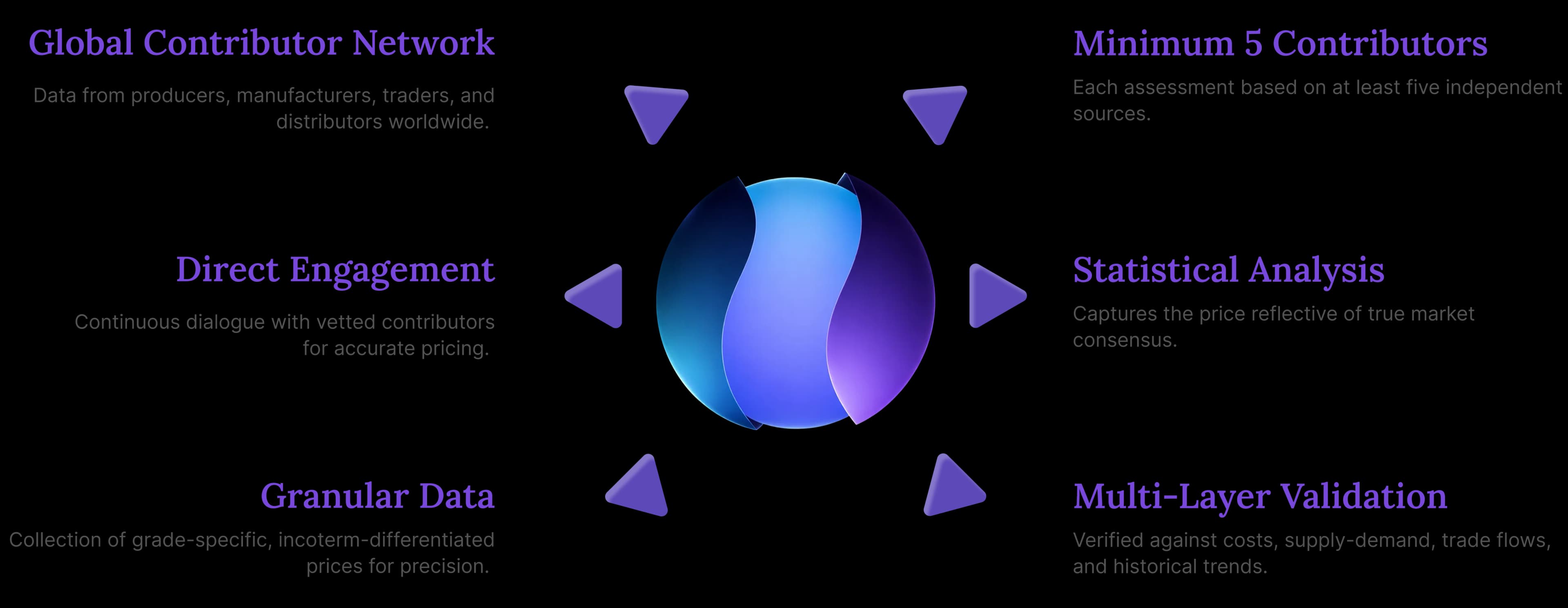
Our Price Analysis Methodology

Schedule A Demo
Experience how Procurement Resource transforms raw material price data into clear, decision ready intelligence. Optimise your performance with reliable, expert market data and analysis. Schedule your demo today to experience a live walk-through where our experts will showcase interactive price charts, forecasted prices, and insights driving the prices for your key commodities, tailored to your workflows. Contact us now!
Our Team will be happy to assist you
We are just a text away
Still Need Help ?
Subscription Plans
Unlock full access to Procurement Resource's price databases, interactive charts, and short-term forecasts for thousands of commodities. Elevate your sourcing decisions by comparing prices across regions, downloading historical data, and layering in analyst-backed insights, all with our flexible plans that scale as your portfolio grows.
Still have any Questions
Contact Us



Price Trend Dashboard - What's Included
Price trends across a diverse portfolio of categories amd products, spanning board to niche chemicas
Coverage extendable to grade-specific chemicals based on procurement requirements
Regular price tracking supported by robust historical datasets
News, policy updates, and key market drivers impacting price movements
Short-term and long-term price outlooks and forecasts
Supply–demand dynamics and capacity-driven market analysis
- Unlimited Users
- Historical Monthly Price
- USA, Europe, APAC Covered
- Monthly Forecast
- 12 Months validity
- News & Events
- 50 Products (Refer Next Page For List)
Why Procurement Database

Assistance from Experts
Throughout 2024, the Asian acetoin market experienced fluctuating trends with regional variations. Q1 began with moderate price increases driven by supply constraints from Chang Chun Plastics' maintenance shutdown in Taiwan. Post-S...

Client's Satisfaction
Throughout 2024, the Asian acetoin market experienced fluctuating trends with regional variations. Q1 began with moderate price increases driven by supply constraints from Chang Chun Plastics' maintenance shutdown in Taiwan. Post-S...

Assured Collaboration
Throughout 2024, the Asian acetoin market experienced fluctuating trends with regional variations. Q1 began with moderate price increases driven by supply constraints from Chang Chun Plastics' maintenance shutdown in Taiwan. Post-S...
Global Insights
Throughout 2024, the Asian acetoin market experienced fluctuating trends with regional variations. Q1 began with moderate price increases driven by supply constraints from Chang Chun Plastics' maintenance shutdown in Taiwan. Post-S...
1/4