Casein Price Trend Analysis 2026: Market Insights, Latest News, Price Drivers, Historical Prices & Supply Demand Analysis
Casein Price Trend Q4 2025
| Product | Category | Region | Price | Last Updated Month |
| Casein | Food and Beverages | New Zealand | 8596 USD/MT | October 2025 |
| Casein | Food and Beverages | New Zealand | 8510 USD/MT | December 2025 |
Stay updated with the latest Casein prices, historical data, and tailored regional analysis
The New Zealand casein market experienced slight downward movement during the fourth quarter, with pricing easing from early-quarter levels before stabilizing. The prices were about 8596 USD/MT (FOB) in October and around 8510 USD/MT in December. The opening period witnessed progressive softening as prices declined steadily, reflecting adequate supply availability from the spring flush production cycle. New Zealand dairy processors maintained consistent casein output as milk collections remained at elevated levels, with palm kernel imports supporting higher production volumes across the broader dairy sector.
The latter period of the quarter witnessed stabilization as prices consolidated at these adjusted levels and remained steady through year-end. Market fundamentals remained balanced, with adequate casein availability matching steady global consumption requirements. Export demand from traditional markets maintained routine procurement schedules, supporting the stable price environment. Downstream sectors in food processing and nutritional applications continued standard buying patterns as the quarter concluded, with market participants adjusting to the new equilibrium that emerged during the stabilization phase.
Analyst Insight
According to Procurement Resource, casein prices are likely to maintain relative stability in the coming months, continuing at current levels supported by adequate New Zealand production and steady global demand.
Related Report
Our Clients































Procurement Resource Database
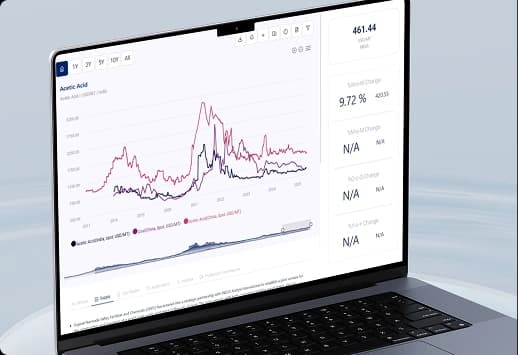
Turn price intelligence into action with the Procurement Resource Database. Log in or subscribe to unlock live price trends, historical charts, supplier databases, cost curves, and analyst-backed insights across chemicals, agriculture, energy, packaging, and more. Use these tools to benchmark your contracts, plan budgets with confidence, and stay ahead of market moves on every product you buy.
Casein Dashboard Inclusions

0
+Products
0
+Regions
0
+Subscriptions
| Product | Category | Region | Price | Last Updated Month |
| Casein | Food and Beverages | New Zealand | 8642 USD/MT | July 2025 |
| Casein | Food and Beverages | New Zealand | 8683 USD/MT | October 2025 |
Stay updated with the latest Casein prices, historical data, and tailored regional analysis
During the third quarter of 2025, Casein prices in New Zealand followed a mild upward trajectory early in the period before softening toward the end of the quarter, resulting in overall range-bound movements. The overall trend reflected a balanced market shaped by elevated milk production levels and mixed demand signals across global dairy sectors. Prices stood at about 8642 USD/MT (FOB) in July and were forecast to reach around 8683 USD/MT in October.
The market initially experienced firming sentiment as producers adjusted to higher production costs, including increases in energy and feed prices. Concurrently, steady domestic demand from the food and nutraceutical industries provided additional support. Export activity remained active, though competitive pressures in key markets limited broader gains. As the quarter progressed, Casein values began to ease in response to heightened milk availability. New Zealand recorded a new high in seasonal milk collections, with output growth led by the Waikato and Taranaki regions. The surge in milk supply expanded Casein production capacity, contributing to moderate downward pressure on prices toward the close of the quarter.
Internationally, global dairy trade sentiment weakened amid increased whole milk powder and skim milk powder exports from major producers, which diverted some purchasing focus away from Casein. Buyers in Asia and Europe displayed cautious procurement behaviour as inventories remained adequate. Despite this, stable farm margins and favourable milk payouts sustained steady production momentum across the sector.
During the first half of 2025, the New Zealand casein market went through a series of mild changes, with prices first slipping downwards before mounting a significant mid-period recovery and then correcting once more by June-end. At the start of the year, market sentiment was dampened by consistent supply and normal purchasing from domestic and export sources. Food and nutrition industry buyers kept contract volumes in line, with little incentive to stock up. The blend of plenty on hand and tempered demand helped bring prices slowly down over the first quarter.
During the second quarter, the market experienced renewed activity as stronger orders were received from primary export markets and spot demand briefly picked up. A few buyers stepped up purchases to cover forward supply as they reacted to seasonal changes in production and uncertainty regarding high-grade product availability. This surge in procurement supported prices sharply, as evidenced by the definitive spike in the trend of prices. The rally, though, was fleeting. With supply holding steady and no noteworthy production problems emerging, the market took up the added demand with ease. By the close of the half, as inventories were being replaced and export shipments settled down, prices shifted downward once more, reversing back toward the levels reached earlier in the year. Overall, trade activity showed typical contract renewals, and market participants were attentive to finding a balance between supply, demand, and inventory management.
| Product | Category | Region | Price | Last Updated Month |
| Casein | Food and Beverages | USA | 7750 USD/MT | September 2025 |
| Casein | Food and Beverages | China | 8508 USD/MT | September 2025 |
Stay updated with the latest Casein prices, historical data, and tailored regional analysis
| Product | Category | Region | Price | Last Updated Month |
| Casein | Food and Beverages | New Zealand | 8734 USD/MT | October'24 |
| Casein | Food and Beverages | New Zealand | 8664 USD/MT | December'24 |
Stay updated with the latest Casein prices, historical data, and tailored regional analysis
Asia
Casein prices in Asia experienced a period of moderate volatility during Q4 2024. Increased milk production in China, which was largely directed towards milk powders, exerted downward pressure on casein prices. However, the strong regional demand for high-protein foods, especially in developing economies, counteracted some of this pressure. Dairy processors navigated the quarter by adjusting their product mixes, balancing cheese and whey production for export markets with the local demand for casein-containing products.
Ultimately, casein prices in Asia saw minor fluctuations, heavily influenced by the interplay between domestic production dynamics in China and broader international trade flows. Import policies continued to play a critical role in determining casein availability and price levels in key Asian markets throughout the quarter.
Europe
The European casein market maintained relative stability throughout Q4 2024, although regional nuances existed. Despite an overall increase in milk production across the EU, particularly in major producing countries like Germany, Denmark, Poland, France, Spain, and Italy, the potential impact of regulatory uncertainties, such as the nitrates derogation in Ireland, loomed. While this did not have an immediate effect in Q4, it reflected the cautious sentiments.
As processors increasingly favored cheese and whey production over milk powders due to changing global demand, the casein supply became somewhat constrained, which put a modest upward pressure on prices. Intense competition among numerous dairy brands further complicated pricing strategies, necessitating careful market observation by industry stakeholders. However, some markets like New Zealand also saw stagnation with buoyant downstream demands. The monthly average FOB prices in New Zealand went from about 8734 USD/MT to 8664 USD/MT in December of 2024.
North America
North America's casein market witnessed a steady upward price trend in Q4 2024. Consumer appetite for high-protein diets remained strong, bolstering demand for casein as a key ingredient in protein-enriched products. The dairy industry responded proactively, innovating with new high-protein milk, yogurt, and cheese snacks, which met with considerable consumer acceptance. Since high-protein foods commanded a premium, casein prices were supported by this market dynamic.
The transition of high-protein diets from niche segments to mainstream health consciousness further solidified casein's demand and price resilience. The protein craze of 2024, far from being a fad, firmly established itself as a nutritional priority, directly impacting the casein market in North America.
The prices of casein showed an oscillating trajectory trend globally in the third quarter of 2024. The prices showed regional variations influenced by multiple attributes within the dairy sector. The primary feedstock for casein manufacturing, milk, played an important role in these fluctuations. In New Zealand, a leading producer, the prices showed an inclining trajectory, which went from around 8608 USD/MT (FOB) in July to around 8676 USD/MT in September.
The incline represented positive market sentiments due to relatively high demand. In Q3 2024, New Zealand's casein prices increased despite a rise in milk production. This price trend occurred due to relatively limited global milk supply from other key exporting regions, robust demand for dairy products, particularly from markets like China and rising global dairy prices.
Apart from this, supply was disrupted due to bad weather conditions. The monsoon season was marked by heavy rains in Asian countries, and hurricanes caused significant disruptions in North America. These events further hampered milk supply, affecting the casein market in the short term.
Throughout the second quarter of the year 2024, the casein market experienced considerable variations influenced by multiple attributes within the dairy industry. The primary raw material for casein production, milk, played a pivotal role in these fluctuations. Global dynamics, such as freight disruptions and challenges in international markets, contributed to the fluctuations observed. Global milk demand continued to stabilize from April to June, contributing to the normalization of raw material costs.
This borderline stagnancy was attributed to various factors, including a slight dip in downstream demands after the peak winter season was over. However, as the quarter progressed, pressure increased from the supply side. Suppliers had increased inventories in anticipation of further demand. However, the demands took a downturn; this led to a slight degradation of prices in the latter half of the quarter. In the New Zealand casein markets, the monthly average prices (FOB) were seen going from about 8592 USD/MT in April’24 to around 8457 USD/MT in June’24. Overall, dull market sentiments were witnessed.
| Product | Category | Region | Price | Last Updated Month |
| Casein | Food and Beverages | New Zealand | 8590 USD/MT (FOB) | January 2024 |
| Casein | Food and Beverages | New Zealand | 8675 USD/MT | March 2024 |
| Casein | Food and Beverages | USA | 8267 USD/MT | January 2024 |
| Casein | Food and Beverages | USA | 8322 USD/MT | March 2024 |
Stay Updated with the Latest Casein Prices, Historical Data, and Tailored Regional Analysis
Casein price trends were observed to be fluctuating throughout the said period of Q1’24. The casein market was subjected to the oscillations in the dairy industry in the international markets as milk is the primary feedstock material to produce casein.
Influenced by the freight disturbances and the challenges in the international markets, the casein prices surged from January to February since the demands were also higher during the peak winter months. However, as the pressure started rising from the supply side, suppliers started flooding the inventories, expecting even higher demands.
The latter half of the said quarter witnessed markets normalizing a little by cutting down the prices. Still, the overall market sentiments were largely positive. In the New Zealand market, the casein prices went from about 8590 USD/MT (FOB) in January to about 8675 USD/MT in March’24. Similarly, in the US market, the average monthly prices for Casein went from about 8267 USD/MT in January’24 to around 8322 USD/MT in March.
Casein prices were observed following a downward trajectory during the given span of H2’23. According to USDA (US Department of Agriculture), a significant growth in the rate of milk production per farm was noticed during this time. This directly translated into the rise of supply stocks for casein as well since casein is directly sourced from milk. Thus, the price trend took a downward journey throughout the entire period of Q3 and Q4 of 2023.
In the USA the monthly average prices of rennet casein went from about 9921 USD/MT in July’23 to around 7782 USD/MT in December’23. This showed an approximate 21% reduction in the monthly average prices. Similarly, with an estimated 22% fall the acid casein prices went from about 10403 USD/MT in July to around 8047 USD/MT in December. Overall, a tepid price trajectory was witnessed with dull market sentiments.
Casein prices fluctuated throughout the said period. As the casein protein is sourced from milk, the prices followed the milk price trend and the end user consumption. Casein prices almost remained constant in the first quarter in the USA market and plunged later in the second quarter. The average price of rennet casein in the US domestic market averaged around 13161 USD/MT in January’23 and closed the H1 with an average price of about 10086 USD/MT in June 2023, registering an overall decline of about 23%.
Meanwhile, prices had even more tribulations in the Asian market. The market had a slow start; however, some inclinations were seen. But consumption did not rise much compared to rising prices, eventually causing the price trend for Casein to decline. Rennet casein prices averaged about 2275 USD/MT in January in the Japanese domestic market, whereas in May, the average prices came down to about 2170 USD/MT. Overall, prices mostly swung low for Casein as the consumption and production both had taken a hit in recent years.
About Casein
Casein is the chief protein found in milk and the essential ingredient of cheese. It belongs to a family of related phosphoproteins. While pure casein is an amorphous white solid and is tasteless and odourless, commercial casein is slightly yellow in colour, having a pleasant odour.
Casein Product Detail
Pharmaceutical (slow-digesting dairy protein), Cheese-making, Polymers, Adhesives, Paint and plastics, Paper industry, Leather industry, Textile industry, Beverage, Cosmetics, Animal feed
Nestlé S.A, Danone, Arla Foods Ingredients Group, Fonterra Co-operative Group, Westland Milk Products
Regional Coverage
Asia Pacific
Europe
North America
Latin America
Africa
CurrencyUS$ (Data can also be provided in local currency)
Supplier Database AvailabilityYes
Customization ScopeThe report can be customized as per the requirements of the customer
Post-Sale Analyst Support360-degree analyst support after report delivery
Note: Our supplier search experts can assist your procurement teams in compiling and validating a list of suppliers indicating they have products, services, and capabilities that meet your company's needs.
Casein Production Processes
- Production of Casein via Rennet Process; via Fermentation; via Precipitation (using acid)
Casein is made from skim milk by one of two general methods – precipitation by acid or coagulation by rennet. In the rennet process, pasteurised skimmed milk is heated and set with rennet extract, which results in the formation of gel. This gel is further cut and processed to separate whey and Casein.
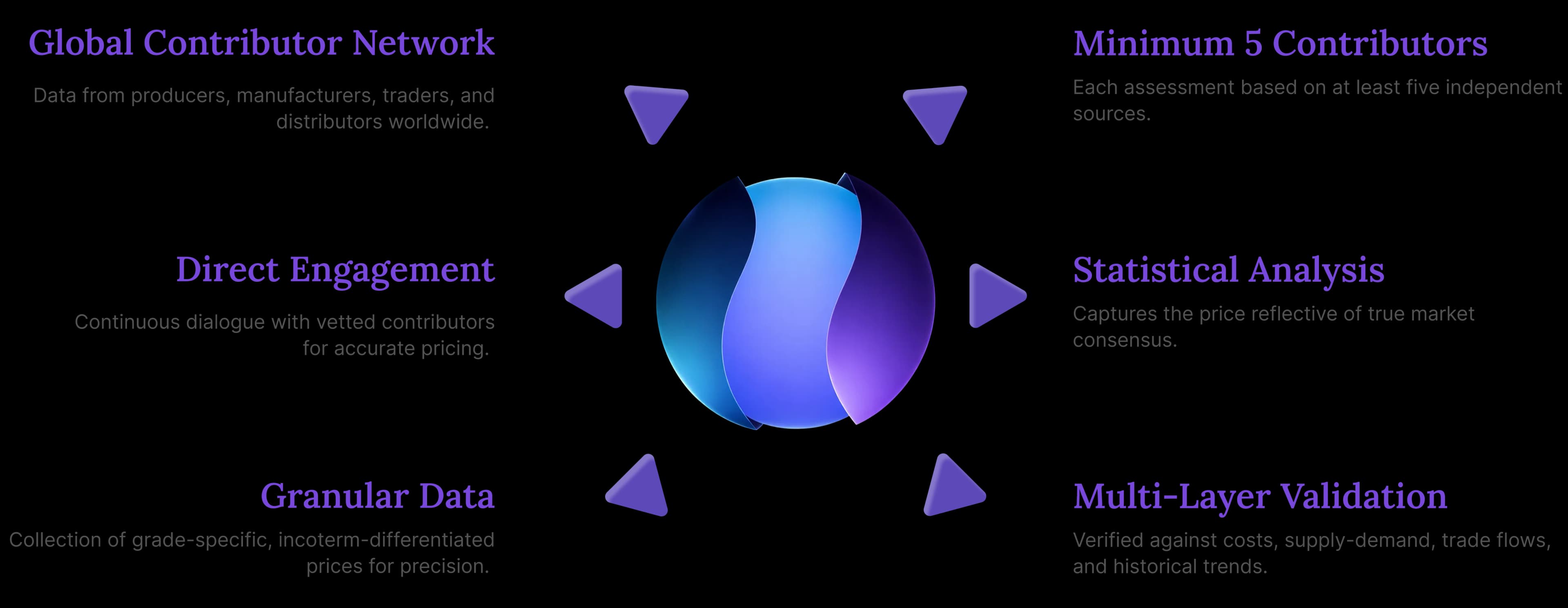
Our Price Analysis Methodology

Schedule A Demo
Experience how Procurement Resource transforms raw material price data into clear, decision ready intelligence. Optimise your performance with reliable, expert market data and analysis. Schedule your demo today to experience a live walk-through where our experts will showcase interactive price charts, forecasted prices, and insights driving the prices for your key commodities, tailored to your workflows. Contact us now!
Our Team will be happy to assist you
We are just a text away
Still Need Help ?
Other Related Reports
Casein Production From Skimmed and Pasteurized Milk
This report presents the cost structure of rennet casein. Rennet casein is made using skimmed and pasteurized milk using enzymes including chymosin.
Casein Production From Precipitation
Milk is acidified using acids like dilute hydrochloric acid or sulfuric acid, until the isoelectric point of casein is achieved.
Casein Production From Fermentation
This report provides the cost structure of casein production from fermentation. Milk is fermented with the help of the bacterium Streptococcus lactis.
Subscription Plans
Unlock full access to Procurement Resource's price databases, interactive charts, and short-term forecasts for thousands of commodities. Elevate your sourcing decisions by comparing prices across regions, downloading historical data, and layering in analyst-backed insights, all with our flexible plans that scale as your portfolio grows.
Still have any Questions
Contact Us



Price Trend Dashboard - What's Included
Price trends across a diverse portfolio of categories amd products, spanning board to niche chemicas
Coverage extendable to grade-specific chemicals based on procurement requirements
Regular price tracking supported by robust historical datasets
News, policy updates, and key market drivers impacting price movements
Short-term and long-term price outlooks and forecasts
Supply–demand dynamics and capacity-driven market analysis
- Unlimited Users
- Historical Monthly Price
- USA, Europe, APAC Covered
- Monthly Forecast
- 12 Months validity
- News & Events
- 50 Products (Refer Next Page For List)
Related News
View All

Why Procurement Database

Assistance from Experts
Throughout 2024, the Asian acetoin market experienced fluctuating trends with regional variations. Q1 began with moderate price increases driven by supply constraints from Chang Chun Plastics' maintenance shutdown in Taiwan. Post-S...

Client's Satisfaction
Throughout 2024, the Asian acetoin market experienced fluctuating trends with regional variations. Q1 began with moderate price increases driven by supply constraints from Chang Chun Plastics' maintenance shutdown in Taiwan. Post-S...

Assured Collaboration
Throughout 2024, the Asian acetoin market experienced fluctuating trends with regional variations. Q1 began with moderate price increases driven by supply constraints from Chang Chun Plastics' maintenance shutdown in Taiwan. Post-S...
Global Insights
Throughout 2024, the Asian acetoin market experienced fluctuating trends with regional variations. Q1 began with moderate price increases driven by supply constraints from Chang Chun Plastics' maintenance shutdown in Taiwan. Post-S...