Cement Price Trend Analysis 2026: Latest News, Supply Demand Analysis, Price Drivers, Market Insights & Historical Prices
Cement Price Trend Q1 2026
| Product | Region | Incoterm Basis | Price | Last Updated Month |
|---|---|---|---|---|
| Cement | China | FOB | USD 48.52/MT | April 2026 |
| Cement | India | FOB | USD 55.00/MT | April 2026 |
| Cement | USA | CIF | USD 135.52/MT | April 2026 |
| Cement | Turkey | FOB | USD 56.00/MT | April 2026 |
| Cement | Australia | CIF | USD 86.52/MT | April 2026 |
| Cement | China | FOB | USD 118.73/MT | March 2026 |
| Cement | India | CIF | USD 63.73/MT | March 2026 |
| Cement | USA | CIF | USD 154.00/MT | March 2026 |
| Cement | Turkey | FOB | USD 54.50/MT | March 2026 |
| Cement | Australia | CIF | USD 95.73/MT | March 2026 |
Stay updated with the latest cement prices, historical data, and tailored regional analysis
- Global cement prices showed a firm to rising trend in Q1 2026, supported by cost-side pressures despite mixed demand conditions across regions.
- Feedstock costs increased sharply, with higher coal, pet coke, and packaging inputs driven by geopolitical tensions and supply disruptions.
- Downstream demand from infrastructure and construction remained stable, though real estate weakness in some regions limited stronger price gains.
Asia
In Asia, cement prices remained stable initially and moved upward toward the end of Q1 2026 due to rising input costs. In India, fuel costs surged following the Iran war, which disrupted shipments through the Strait of Hormuz and affected supply of imported pet coke and coal, the largest cost component for cement producers. Fuel accounts for a major share of production costs, and rising seaborne prices forced producers to reassess procurement strategies. Domestic coal usage increased to reduce reliance on imports, while coke imports declined sharply due to supply disruptions and higher costs. At the same time, packaging costs rose significantly due to polypropylene supply constraints, adding further pressure. Demand from infrastructure remained supportive, though real estate slowdown limited stronger price increases.
Europe
In Europe, cement prices trended upward due to rising energy and regulatory costs. The implementation of carbon border adjustment mechanisms and emissions trading requirements increased clinker and production costs, prompting producers to raise prices. Imported cement and clinker costs also increased due to carbon-related charges, reducing the competitiveness of imports and supporting domestic pricing. Demand remained moderate, with cost pressures being the primary driver of price increases rather than strong consumption growth.
North America
In North America, cement prices remained firm, supported by higher fuel and transportation costs. Rising crude-linked input costs increased production expenses, while stable construction demand maintained steady consumption levels. Producers focused on passing through cost increases, though competitive pressures limited the extent of price hikes.
Analyst Insight
According to Procurement Resource, in the near term, cement prices are expected to remain firm, supported by elevated fuel and input costs, while demand conditions will determine the extent of further increases.
Related Report
Our Clients































Procurement Resource Database
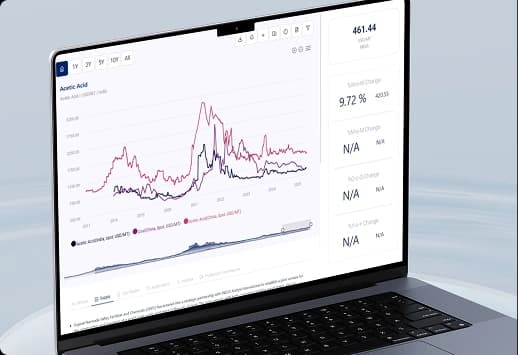
Turn price intelligence into action with the Procurement Resource Database. Log in or subscribe to unlock live price trends, historical charts, supplier databases, cost curves, and analyst-backed insights across chemicals, agriculture, energy, packaging, and more. Use these tools to benchmark your contracts, plan budgets with confidence, and stay ahead of market moves on every product you buy.
Cement Dashboard Inclusions

0
+Products
0
+Regions
0
+Subscriptions
| Product | Category | Region | Price | Last Updated Month |
| Cement | Energy, Metals and Minerals | North America | 138 USD/MT | October 2025 |
Stay updated with the latest cement prices, historical data, and tailored regional analysis
Asia
The cement market in Asia displayed a broadly softening trajectory through the fourth quarter of 2025, shaped by a combination of accelerating capacity additions and uneven demand recovery. In India, prices declined across most regions as a significant volume of new production capacity entered the market, intensifying competitive pressure and limiting producers' ability to sustain earlier price levels. The sharpest corrections were recorded in eastern markets, while western and northern regions showed comparatively greater stability. Demand picked up modestly following the festive season, but a high base from the prior year period tempered the pace of volume growth. Rising fuel costs, particularly for petroleum coke, added to margin pressure even as selling prices softened. While the near-term pricing environment remained challenging, the medium-term demand outlook stayed supported by infrastructure spending commitments and ongoing urbanisation.
Europe
European cement market conditions were shaped by a mix of demand-side softness and regulatory complexity during the fourth quarter. Industrial activity remained subdued, and construction sector demand stayed measured as broader economic conditions limited project momentum. A significant source of market uncertainty emerged from the approaching implementation of the Carbon Border Adjustment Mechanism, which left importers and smaller market participants navigating considerable ambiguity around cost implications and compliance requirements. Producers began incorporating environmental cost adjustments into their pricing frameworks in anticipation of the new regime. Supply from within Europe remained constrained, limiting the ability of buyers to pivot away from imports, and the overall market tone reflected a cautious balance between regulatory transition pressures and steady but unspectacular underlying demand.
North America
In Q4’25, the North American cement market continued to face demand headwinds, with consumption declining amid policy uncertainty and a subdued residential construction demand. The prices were about 138 USD/MT in October. Import capacity continued to expand even as demand conditions weakened, adding to competitive pressure on domestic producers. Tariff-related cost increases weighed on importers, while domestic capacity utilisation remained below levels considered commercially optimal. Overall, market participants adopted a cautious outlook throughout the fourth quarter.
Asia
In Asia, cement prices remained volatile during the quarter as market participants balanced tax reform expectations with elevated production costs. In India, the proposed reduction in Goods and Services Tax (GST) from 28% to 18% became the key factor influencing sentiment. Producers cautiously adjusted pricing, anticipating lower taxation while managing the impact of volatile fuel and raw material costs. Although the GST cut aimed to make cement more affordable and stimulate construction demand, companies faced a delicate balance between maintaining margins and passing on benefits to consumers.
Early in the quarter, demand was subdued due to seasonal monsoon effects, with muted offtake across key regional markets. Midway through the period, optimism returned as expectations of a lower GST rate encouraged restocking and supported retail-level price adjustments. However, volatility persisted since the same reform also proposed a higher tax rate on coal and lignite, primary fuels for cement production, adding to cost pressures. Petroleum coke prices remained unstable, influenced by currency fluctuations and import dependence, keeping overall cost intensity high. By quarter-end, prices eased slightly, reflecting cautious pricing strategies and anticipation of post-monsoon construction recovery.
Europe
Cement prices in Europe moved within a narrow range throughout the quarter. Demand from the construction and real estate sectors remained stable, supported by a gradual recovery in housing, infrastructure, and industrial activity. Supply discipline among producers prevented oversupply, while energy and input costs stayed under control. Although economic growth in leading economies like Germany and France remained modest, fiscal stimulus programs in several nations provided steady project pipelines. Price stability was also maintained through controlled output, even as manufacturers navigated softer demand in office and industrial construction segments. With construction sentiment improving and project activity holding steady, European markets closed the quarter with stable pricing conditions.
North America
In North America, the cement price curve displayed an oscillating trend amid changing trade policies. The U.S. government’s decision to raise import tariffs on Vietnamese cement to 20% led to higher import costs, which importers began passing on to end users. Vietnam, one of the largest cement suppliers to the U.S., struggled to redirect its volumes elsewhere, maintaining limited trade flow despite higher costs. Domestic producers continued to operate at stable output levels, supported by sustained demand from housing, infrastructure, and public projects. However, import-reliant regions faced moderate cost inflation due to tariff-related adjustments. The market remained adequately supplied, and demand consistency across sectors kept price movements within a controlled range.
Asia
Asian cement prices traced a volatile path in Q2 2025, characterized by changes in momentum of demand and region-specific factors. As the period unfolded, heightened government capital spending rekindled infrastructure activity, generating a more positive market tone. Producers in some areas implemented selective price increases to capture increased demand and higher operating expenses.
Southern markets experienced generally more stable upward pricing, backed by new project announcements, while western and central areas observed near-term corrections amidst mixed trade activity. Dealer reports suggested that although the rate of price movements accelerated mid-quarter, real realization was divergent with buyer conservatism and reluctance to sign long-term contracts. The market remained dynamic, with immediate transaction cycles preferred over extended agreements.
Europe
In Europe, cement prices had a varied trend as the quarter progressed. Sustained weakness in residential construction, supplemented by expensive financing and rising material costs, subdued demand in various regions. Public infrastructure activity, supported by EU stimulus funds, was able to sustain some base activity, but this was insufficient to generate widely based pricing gains. Producers made modest price hikes in response to high input costs, albeit competitive conditions and risk-averse customers restrained their impact.
Procurement cycles were frequently lengthened, and purchasing remained selective, helping to create a generally even pricing trend. Labor shortages and regulatory barriers caused additional difficulties, maintaining construction schedules tight and new start activity constrained. Overall, the market skewed in favor of stability with marginal adjustments necessitated by regional demand imbalances and cost recoveries.
North America
North American cement prices demonstrated a fluctuating pattern in Q2, influenced mostly by recently introduced tariff arrangements and their effect on imports. The additional cost pressure on many overseas suppliers changed the pricing scenario, benefiting indigenous producers comparatively. This change permitted localized adjustment of prices, especially in areas relying on imported quantities.
Yet, price gains were uneven, as some customers postponed orders amid economic volatility and changing project pipelines. Domestic manufacturers reacted cautiously, tweaking offers where demand allowed. Infrastructure work furnished a base for volumes, while inflation fears and trade uncertainty held back more widespread pricing movements.
| Product | Category | Region | Price | Last Updated Month |
| Cement | Energy, Metals and Minerals | China | 47 USD/MT | January 2025 |
Stay updated with the latest Cement prices, historical data, and tailored regional analysis
Asia
Throughout Q1 2025, Asia's cement markets were characterized by weak demand and downward pressures in China and India. Prices moved steadily down throughout the quarter in China, an indication of weak construction activity and seasonal weakness that normally keeps demand in check. There were no wild swings, indicating a subdued price environment more influenced by cautious market fundamentals than cost volatility. The prices were about 47 USD/MT (Spot FD) during January in the Chinese markets.
Domestic Indian manufacturers first tried to raise prices but soon rolled back as demand proved slower than anticipated. Increasing fuel prices particularly for petcoke and lower utilization rates also negatively affected margins. Cement producers that were dependent on imported petcoke were affected more because logistics costs were higher, whereas domestic coal availability helped those with access to it partly cushion the impact. Regionally, the southern part of India witnessed significant weakness in particular, whereas the east was relatively stable; nevertheless, overall pricing direction was still underwhelming.
Europe
The cement industry in Europe witnessed a comparatively more stable pricing scenario, but in the context of more general macroeconomic uncertainty. Building activity continued to be weak in early 2025, particularly in the residential sector, due to continuously elevated interest rates and poor private investment. Yet, some areas profited from stepped-up public infrastructure expenditure and initial indications of stabilization in the macroeconomies. Germany, for instance, reflected wary optimism as deployments of infrastructure funds started to manifest themselves. These funds benefited construction demand, but only to a limited extent.
Other areas like the Netherlands, Spain, and some parts of Scandinavia saw similar patterns of marginal recovery. Even as underlying issues like shortages of labor and higher input prices continued, cement prices in most European markets remained stable or saw small upticks. The relative stability implies the worst of the contraction may be behind it, with hopes of sustained support from government-sponsored construction and renovation programs.
North America
The North American cement market also reflected the ambiguity of other regional cement markets. The tariff uncertainties on cement and other building material supplies disrupted market sentiment and brought about large-scale procurement uncertainty. Both the United States and Canada, being reliant on bilateral building material trade, stood at risk of cost inflation and project delay.
Such regulatory overhang in addition to already increasing raw material costs resulted in weakening demand from contractors and developers. Consequently, most construction works were either delayed or rescheduled, especially in the infrastructure sector. There was moderate price volatility, but generally, sentiment was bearish, based on risk-averse contracting methods, tighter budgets, and caution in material procurement.
Asia
Cement prices saw a notable rise, primarily due to strong demand from both residential and infrastructure sectors. In countries like India and Pakistan, the construction boom was fuelled by post-pandemic recovery and a surge in government-funded projects. With labour shortages easing and more materials becoming available, demand from the real estate sector pushed prices higher.
Southeast Asia, particularly Vietnam and Thailand, experienced moderate price increases due to stable demand for cement, spurred by ongoing urban development and infrastructure work. Despite challenges like inflationary pressures, cement producers in China managed to maintain relatively stable prices, thanks to a large-scale production capacity and state-controlled pricing mechanisms.
Europe
Cement prices rose steadily throughout the year, driven by increasing production costs, energy price hikes, and a demand surge for residential and infrastructure projects. Western European countries such as Germany, France, and the UK saw significant price hikes due to challenges in raw material sourcing and labour shortages, as well as heightened energy costs linked to the Ukraine crisis. This led to higher overall production costs, which were passed on to consumers. In Central and Eastern Europe, however, price hikes were more moderate but still noticeable, as countries like Poland and Romania benefited from strong EU-driven infrastructure initiatives. These projects kept cement demand steady, leading to moderate price increases in these regions.
North America
Cement prices also followed an upward trajectory, particularly in the U.S. and Canada. Strong demand from the housing sector and major infrastructure projects, boosted by government spending, played a significant role in driving prices up. The U.S. saw substantial price increases in the South and West due to high construction activity and a growing demand for residential and commercial buildings. Raw material costs and energy expenses also pushed prices higher. In Canada, although the price increase was not as sharp as in the U.S., the cement market still saw gradual rises due to a continued need for housing and infrastructure development.
Asia
The price trend for cement gradually decreased throughout Asia in the third and fourth quarters of 2023. The fall in the cement price trend was gradual during the third quarter but much steeper in the fourth quarter, mainly due to lower raw material costs and inefficiencies in the manufacturing sector.
The consumer demand remained reasonable, but the destocking and oversupply practices taken up by the traders and the slow growth of the construction and industrial sectors of the Asian countries raised doubts about price increases.
Europe
The decline in cement prices across European countries wasn't as sharp as in Asia; the trajectory of the prices still faced challenges, majorly due to the fall in the cost of feedstock materials. Throughout the quarters, prices struggled due to sluggish momentum in end-user industries and pressure from increasing inventories, interest rates, and inflation. In view of limited support from the economic front and rising uncertainties in the industrial outlook of the countries amid the ongoing Israel-Hamas crisis, the consumer sector became skeptical of the future trends of the market, which was evident in the declining price trend of cement.
North America
In the early phase of the third quarter, cement prices in North America treaded downward due to subdued trading and significant drops in export rates. Along with this, decreased production costs influenced by lower crude oil and natural gas prices also impacted the market. However, towards the end of the quarter and throughout the fourth quarter, there was a slight positive shift in price trends, possibly due to renewed consumer confidence in the sector.
Asia
Cement is the primary building material used in constructing infrastructure, houses, and other civil engineering projects. Produced in a multistep process using limestone, the prices depend on the feedstock prices and primarily the demands from the construction sector. During H1’23, the construction sector saw improvements in the Asian region, particularly China, as the lockdown aftereffects started subsiding. Hence, the spot prices rose by around 8% till the middle of the second quarter. However, the constant supply led to stocks piling up, which led to decreased cement prices in the latter half of Q2.
Europe
In the European Cement market, the prices showed an upward trend for most of the discussed period of H1’23. Italy observed a 4% YOY rise in cement production in June 2023 and an impressive 11% YOY rise in cement prices within the same time. Imports also dropped as domestic production improved. All these factors were majorly attributed to the stabilization in energy and crude oil prices after a long time since the onset of the Russia and Ukraine conflict. Restored supply chains also aided improved exports. Even though the month of May had experienced an even better performance as the prices tumbled marginally in the second quarter, the overall market performance was still promising.
North America
The North American Cement market also witnessed an upsurge in prices, but market fundamentals were disturbed as the demands were high amidst a product shortage. As the energy and pollution compliance became costlier with rigid parameters, and European imports also got expensive, causing the prices to rise throughout the H1’23.
Asia
The price trend for cement recorded an oscillating price trend in the said quarter. Initially, the prices in the Indian domestic market declined as the construction market halted due to the heavy monsoon season and the upcoming festive season. The Indian domestic market recorded a decline of 3% Q-O-Q basis. Cement prices were reduced by 10-50 INR/kg averaging 384 INR/50 Kg bag in August 2022.
However, the price revived in mid-September as construction activities resumed. As the prices of pet coke decreased it increased the profitability of manufacturers. Also, the cement quotations were hiked by 15-20 kg/bag in the eastern and western regions. Similar trend were seen in the Chinese market, where the cement prices averaged 55.95 USD/MT (Spot FD China) (approx..) towards the end of December 22.
Asia
As the input cost pressure is intensifying, the Indian manufacturers are now starting to pass down the rising costs, one of the key factors leading to cement price increase in the market. Russia's invasion of Ukraine resulted in an increase in the price of pet coke. The price in the Indian domestic market averaged between 415-450 INR/bag.
Around 60% of the global cement is provided by China. However, during this forecast period, its price trend struggled due to rising coal prices and covid-19 restrictions.
Weather challenges in the Australian mining sector, the Russia-Ukraine conflict, and the Indonesian ban on coal exports to meet domestic demands increased coal prices. The price of Ordinary Portland Cement (Bulk) averaged 475.3 RMB/MT, and Ordinary Portland Cement (Bag) averaged 516.9 RMB/MT in the Chinese domestic market.
Europe
Due to the ongoing political and economic meltdown, cement prices have reached a new maximum in the European markets. The ex-works price in the Mediterranean Basin was the most inflated. Similarly, price trend in Poland rose by 11%, and the Russian prices saw an increase of 25% compared to the previous quarter due to the retaliatory sanctions by the west.
North America
Amidst the rising natural gas prices and the strong market sentiment, the price in the US market remained consolidated since the start of this forecast period, averaging 289.33 USD/MT.
Asia
Cement prices in India increased in Q1 2022, with the rise in demand as well as an increase in the price of key raw materials like pet-coke. The average cement prices across India observed a 10% rise to 395 INR/kg from February to March and a year-on-year increase of 11%. The rise in price came as construction activities witness a seasonal high with increased road projects announced by the government.
Europe
According to the Turkish Cement Manufacturers' Association's head, the war in Ukraine affecting the cement producers in Turkey, leading to the sudden increase in the price of Newcastle Coal, causing a serious threat to the business. In early March 2022, the price increased by about 100 USD/MT in a single day. According to the association, the cost of cement produced by a plant that uses imported coal would increase by around 15 USD/MT.
Asia
In 2021, the cement sector, which was harmed by a decline in construction activity, started recovering. India had declared that it will meet infrastructure cement demand with several important projects, increasing the capacity of 14 to 15 million MT. With this global backdrop and China's cement industry capacity in oversupply, foreign investment witnessed significant growth in the region.
Coal prices jumped dramatically at the end of 2021, as did thermal coal long-coordinate pricing. Owing to this, the manufacturing costs grew dramatically in the fourth quarter. The region witnessed an increase of 19% in prices from the previous year. The average cement prices in quarter four stood at 80 USD/MT.
North America
As a result of Hurricane Ida, several US energy plants were offline in October, causing cement production to delay. The export price in North America on an average, declined by about 4% in the fourth quarter of 2021, compared to the previous quarter. Average cement prices stood at 126 USD/MT in the fourth quarter of 2021.
Despite unfavorable year-over-year comparisons and winter weather in California, cement output and price remained steady moving towards the fourth quarter. To alleviate price pressure, the region is transitioning to blended cement, with companies such as Argos USA currently producing PLC at their US locations in Newberry, Florida, Harleyville, South Carolina, and Martinsburg, West Virginia.
Prices in the region had a brief resurgence with a growth of 4% compared to the beginning of the year. According to the cement organization, the recent announcement of a USD 1.5 trillion infrastructure plan in the United States is projected to affect cement prices and production.
Europe
Although infrastructure spending continued to support cement consumption, European economies saw a dip in their once-booming housing markets.
EU subsidies, substantial wage increases, and a pre-election housing boost in Hungary are all key drivers of the industry. With rising interest rates and labor shortages, Poland faced a significant hurdle in transitioning away from coal-fired power facilities.
The French cement sector benefited from a robust resurgence in commercial construction. In the United Kingdom, moderate growth was observed as rising interest rates impacted property demand. The German cement market remained generally stable, with supply chain bottlenecks and lower immigration affecting overall demand. The price in Europe fell by 10% in the fourth quarter of 2021, with average cement prices being 89 USD/MT.
Latin America
The construction industry was the main sector in Latin America that stabilized economies in the final quarter of 2021. According to SNIC, Brazilian cement sales totaled 4.8 million MT in 2021, up by 1.6 % compared to the same period previous year.
The region’s market's growth had been attributed to the continuation of construction and refurbishment through construction, real estate projects, and a tentative resumption of infrastructure projects. In comparison to the previous year, the industry grew by 6.6%. Cement prices were around 100 USD/MT during the fourth quarter of 2021.
Asia
In 2021, the demand struggled to maintain a high plateau, but gradually descended into a medium trend of fluctuation and decline. Due to the risk of loss induced by new increased production capacity, the prices have remained flat for the previous two years. The prices on the Chinese market increased gradually.
In 2021, 29 production lines with a combined capacity of 48.79 million MT were put in operation, primarily in China.
The resurgence in the construction industries, real estate, and development activities helped elevate the demand in the region. The main stimulus for the cement industry in China, according to China Resources Cement (CRC), were the expanding real estate restrictions.
The Ministry of Industry and Information Technology (MIIT) in China had proposed stricter criteria for cement manufacturers to follow when decommissioning current capacity before establishing new capacity. These policies raised the general cost as producers struggled to absorb increased costs. Because China is the world's largest cement producer, this trend impacted its overall cost.
The rise in pricing was exacerbated by the fact that energy prices in China reached a decade high. There was a 19% growth in cement prices compared to 2020 and the average prices were around 60 USD/MT in 2021.
North America
Cement prices continued to decline in 2021 with the pattern continuing owing to the region also experiencing interruptions as a result of low construction activity and rising fuel and freight expenses.
Additionally, some planned industrial and residential expansion projects have been delayed, decreasing the demand even further. The prices improved in 2021 compared to 2020. The industry witnessed a 3% growth in cement prices from the previous year. The imports increased significantly as a result of supply chain constraints affecting domestic output.
The production declined owing to technical and environmental issues. The availability of relatively non-expensive cement also led to a decrease in the domestically produced cement in the region in 2021. Even when the overall price declined in the region, the average price in 2021 was around 128 USD/MT, an improvement of 9% compared to the previous year.
Europe
Cement production is governed by the EU's increasingly strict emissions trading system in the European Union. Energy prices were a major concern, since the sector's production costs had risen by 25%, and the region's energy prices had been volatile over the past six months in 2021.
Prices rose during the initial quarters of 2021 due to competition from cement importers outside the European Union and the need for a Border Carbon Adjustment Mechanism (CBAM) to compensate for carbon pricing for manufacturers within Europe.
Cembureau, the European cement organization, presented an estimate indicating that if the EU ETS Carbon dioxide cost increased further, it would account for 12 to 15% of cement manufacturers' production costs. The average price in 2021 was around 92 USD/MT, an increase of 7% year on year from 2020. In early 2021, cement prices were around 99 USD/MT, which declined to 89 US/MT by December 2021.
In Europe, the industry walks on a tightrope between remaining financially sustainable and moving towards net-zero emissions.
South America
In South America, sales increased significantly during the coronavirus pandemic, owing to a broad recovery that began in 2020 and relatively lax lockdown measures in comparison to other nations. Companies such as Holcim, CSN Cimentos, Cimentos Mizu, Cimento Apodi, InterCement, and Votorantim all contributed significantly to the region's pricing and demand growth.
Demand nearly quadrupled to 6.42 million MT in the first half of 2021 from 3.33 million MT in the same period of 2020 and was much higher than the 4.94 million MT reported in the first half of 2020. Argentina had the highest prices, followed by Nicaragua, Uruguay, Guatemala, and Paraguay, where prices reached about 100 USD/MT. Despite high demand, cement prices in Brazil were lower than in other South American countries.
Asia
The global pandemic affected the product’s prices in an unprecedented manner. The prices fell sharply during the first two quarters. Towards the end of the year, the prices recovered and stabilized. In China, bad weather also hampered the growth of the industry. Despite the adverse conditions, the production in China grew by 2%, according to the Global Cement Organization. CNMB and Anhui Conch were some of the largest producers who had an increased revenue with an increase in their domestic sales. In 2020, the prices in Asia fluctuated between 50-60 USD/MT
The prices increased by 8% in the third quarter and 3% in the fourth quarter of 2020 and continued to increase after the sudden drop in prices in the first two quarters.
The strict regulations imposed by the Chinese government caused some old factories to reduce or close their units to comply with the new standards. This ultimately had an impact on the prices in the region. Due to strong market control, China's cement industry improved as a result of the elimination of backward production capacity and the improvement of industry concentration, and the overall price also increased.
India also faced similar tribulations during 2020. The production in the country declined along with demand in the first two quarters of 2020. Prices increased by more than 10% towards the end of the year. The price elevation was exacerbated by factors such as power outages and rising coal prices in 2020.
Countries like Vietnam underwent a poor first half reduced prices of the product in 2020 owing to oversupply and decline in their sales volume. The situation improved majorly due to close market tie-ups with China and the Chinese public investment plans.
North America
Hurricanes and tropical storms prompted turnarounds at many cement plants in 2020. The pandemic had a negative impact on the manufacturing industry's price. The pandemic accelerated an already-declining value of residential and non-residential development, lowering demand for industrial commodities in 2020.
This affected the cement industry as well. Prices fell 10% in the second quarter of 2020 compared to the first half of the year. In most regions, the production remained below capacity. In 2020, there was a 14% year on year decline in prices compared to the previous and the average prices were recorded around 118 USD/MT, fluctuating between 132 USD to 110 USD/MT.
In April, some cement factories in the United States were shut down due to reduced demand caused by pandemic restrictions. Despite its ongoing infrastructure projects, Canada also saw a drop in demand. The prices were under tremendous pressure due to stringent covid restrictions and demand volatility.
Europe
With the cement industry hit severely by the Covid-19 Pandemic in 2020, the region’s prices were disturbed by strict lockdowns in Italy, France, Spain, and the UK. Prices fell initially in the second half of 2020. Owing to stable demand in Eastern Europe and Northern Europe, the prices began to recover.
The prices increased by the second half of 2020 in several regions. Government benefits initiatives were coming to an end as a result of rising debt levels. Due to the high cost of emissions, the prices increased. Prices in Europe were around 87 USD/MT in 2020.
Latin America
Demand for this product in South America was robust in 2020. The consumption in the major countries of Brazil, Colombia, Peru, Argentina, and Chile had been boosted in the first half of the year by building, solid property sales, and the reactivation of public works.
Additionally, consumption increased significantly year over year in 2020 as a result of corporations having relaxed COVID-19 restrictions in the region.
In June, in Chile, bagged cement sales climbed by over 67% year over year and increased by more than 20% since early 2020.
While the demand in Brazil had been rising since 2020, COVID-19 caused a sharp decline in demand in Argentina and Peru in the first half of 2020, which then improved due to a recovery in the construction sector, fueled by both private and state activity.
The demand climbed by more than 31% month over month and 18% year over year in 2020, increasing by more than 34% from 2019. Price improvements in Brazil and Colombia resulted in a price increase of more than 76 USD/MT in South America in 2020.
About Cement
Cement is a binding material used in building and civil engineering construction that sets, hardens, and adheres to other materials. Hydraulic cements set to a hard mass when combined with water owing to hydration, that is, a chemical combination of the compounds in cement with water. Among different cement types, Portland cement is most widely used across the world. Portland cement is essentially made up of compounds of lime, mixed with silica and alumina.
Cement Product Detail
Industrial Uses
Mortar and concrete, Manufacture of bricks, tiles, and shingles, Pipes, beams and railroad ties, Extruded products
Supplier Database
CEMEX S.A.B. de C.V, HeidelbergCement AG, CNBM International Corporation, InterCement Participações SA, Anhui Conch Cement Company Limited, Cementir Holding N.V, Cementos Molins, S.A., Buzzi Unicem SpAUltratech Cement Ltd.
Regional Coverage
Asia Pacific
China, India, Indonesia, Pakistan, Bangladesh, Japan, Philippines, Vietnam, Iran, Thailand, South Korea, Iraq, Saudi Arabia, Malaysia, Nepal, Taiwan, Sri Lanka, UAE, Israel, Hongkong, Singapore, Oman, Kuwait, Qatar, Australia, and New Zealand
Europe
Germany, France, United Kingdom, Italy,Spain, Russia, Turkey, Netherlands, Poland, Sweden, Belgium, Austria, Ireland Switzerland, Norway, Denmark, Romania, Finland, Czech Republic, Portugal and Greece
North America
United States and Canada
Latin America
Brazil, Mexico, Argentina, Columbia, Chile, Ecuador, and Peru
Africa
South Africa, Nigeria, Egypt, Algeria, Morocco
CurrencyUS$ (Data can also be provided in local currency)
Supplier Database AvailabilityYes
Customization ScopeThe report can be customized as per the requirements of the customer
Post-Sale Analyst Support360-degree analyst support after report delivery
Note: Our supplier search experts can assist your procurement teams in compiling and validating a list of suppliers indicating they have products, services, and capabilities that meet your company's needs.
Cement Production Processes
- Production of Cement via Industrial Process
Cement manufacturing process involves various steps, which starts with mining, crushing and grinding of raw materials like limestone and clay, to a fine powder, called raw meal. The obtained product is then heated in a cement kiln at a temperature as high as 1450 °C. This is followed by clinkerization, cement grinding and storing of the finished product.
Our Price Analysis Methodology
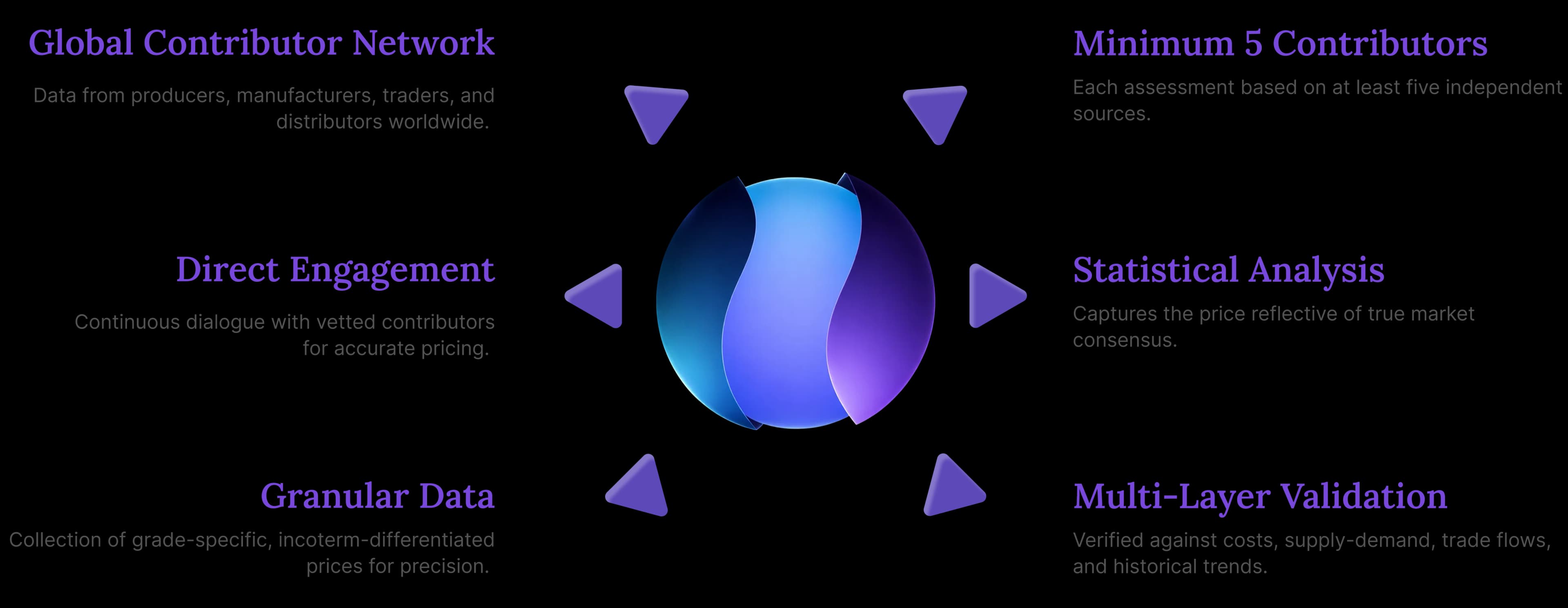

Schedule A Demo
Experience how Procurement Resource transforms raw material price data into clear, decision ready intelligence. Optimise your performance with reliable, expert market data and analysis. Schedule your demo today to experience a live walk-through where our experts will showcase interactive price charts, forecasted prices, and insights driving the prices for your key commodities, tailored to your workflows. Contact us now!
Our Team will be happy to assist you
We are just a text away
Still Need Help ?
Other Related Reports
Cement Production Process From Limestone, Sand, Clay, and Bauxite
The Study Offers a Detailed Cost Analysis of Cement Production Process From Limestone, Sand, Clay, and Bauxite. In Addition, the Report Incorporates the Manufacturing Process With Detailed Process and Material Flow, Operating Costs Along With Financial Expenses and Depreciation Charges.
Subscription Plans
Unlock full access to Procurement Resource's price databases, interactive charts, and short-term forecasts for thousands of commodities. Elevate your sourcing decisions by comparing prices across regions, downloading historical data, and layering in analyst-backed insights, all with our flexible plans that scale as your portfolio grows.
Still have any Questions
Contact Us



Price Trend Dashboard - What's Included
Price trends across a diverse portfolio of categories amd products, spanning board to niche chemicas
Coverage extendable to grade-specific chemicals based on procurement requirements
Regular price tracking supported by robust historical datasets
News, policy updates, and key market drivers impacting price movements
Short-term and long-term price outlooks and forecasts
Supply–demand dynamics and capacity-driven market analysis
- Unlimited Users
- Historical Monthly Price
- USA, Europe, APAC Covered
- Monthly Forecast
- 12 Months validity
- News & Events
- 50 Products (Refer Next Page For List)
Related News
View All


Why Procurement Database

Assistance from Experts
Throughout 2024, the Asian acetoin market experienced fluctuating trends with regional variations. Q1 began with moderate price increases driven by supply constraints from Chang Chun Plastics' maintenance shutdown in Taiwan. Post-S...

Client's Satisfaction
Throughout 2024, the Asian acetoin market experienced fluctuating trends with regional variations. Q1 began with moderate price increases driven by supply constraints from Chang Chun Plastics' maintenance shutdown in Taiwan. Post-S...

Assured Collaboration
Throughout 2024, the Asian acetoin market experienced fluctuating trends with regional variations. Q1 began with moderate price increases driven by supply constraints from Chang Chun Plastics' maintenance shutdown in Taiwan. Post-S...
Global Insights
Throughout 2024, the Asian acetoin market experienced fluctuating trends with regional variations. Q1 began with moderate price increases driven by supply constraints from Chang Chun Plastics' maintenance shutdown in Taiwan. Post-S...
1/4