Chloroprene Rubber Price Trend Analysis 2026: Price Drivers, Latest News, Supply Demand Analysis, Market Insights & Historical Prices
Chloroprene Rubber Price Trend Q1 2026
| Product | Region | Incoterm Basis | Price | Time Period |
|---|---|---|---|---|
| Chloroprene Rubber | Japan | CIF | USD 5,600.87/MT | April 2026 |
| Chloroprene Rubber | USA | CIF | USD 5,645.87/MT | April 2026 |
| Chloroprene Rubber | Germany | CIF | USD 5,684.87/MT | April 2026 |
| Chloroprene Rubber | India | CIF | USD 5,608.87/MT | April 2026 |
| Chloroprene Rubber | China | FOB | USD 5,558.87/MT | April 2026 |
| Chloroprene Rubber | Japan | CIF | USD 5,308.00/MT | March 2026 |
| Chloroprene Rubber | USA | CIF | USD 5,359.00/MT | March 2026 |
| Chloroprene Rubber | Germany | CIF | USD 5,354.00/MT | March 2026 |
| Chloroprene Rubber | India | CIF | USD 5,327.00/MT | March 2026 |
| Chloroprene Rubber | China | FOB | USD 5,272.00/MT | March 2026 |
Stay updated with the latest Chloroprene Rubber prices, historical data, and tailored regional analysis
Related Report
Our Clients































Procurement Resource Database
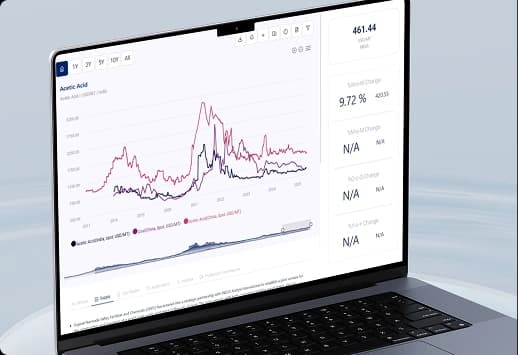
Turn price intelligence into action with the Procurement Resource Database. Log in or subscribe to unlock live price trends, historical charts, supplier databases, cost curves, and analyst-backed insights across chemicals, agriculture, energy, packaging, and more. Use these tools to benchmark your contracts, plan budgets with confidence, and stay ahead of market moves on every product you buy.
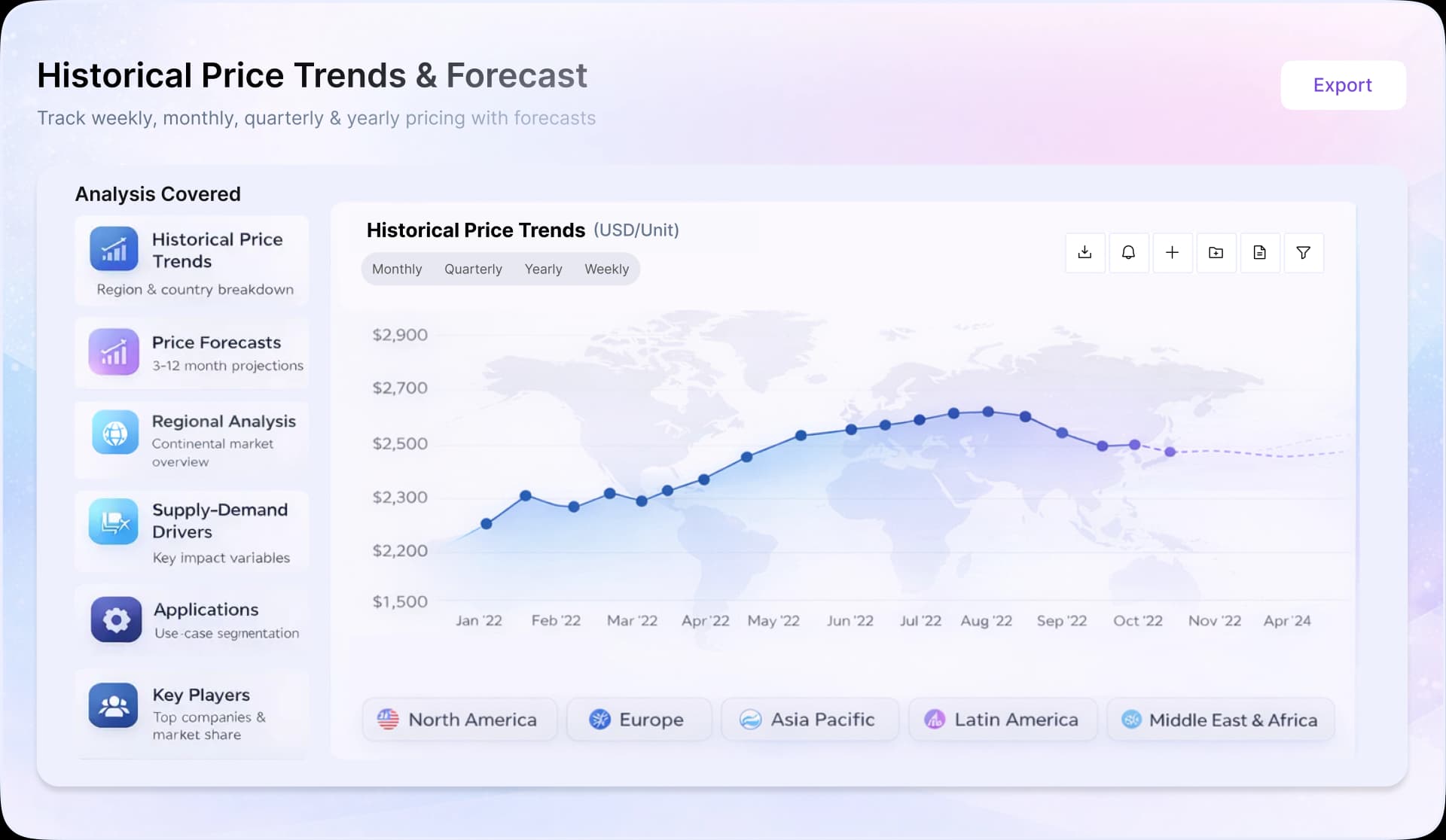
Chloroprene Rubber Dashboard Inclusions
0
+Products
0
+Regions
0
+Subscriptions
Asia
In Asia, chloroprene rubber prices exhibited a predominantly downward trend through 2025, driven by high inventories, stable-to-elevated operating rates, and fluctuating feedstock butadiene dynamics. Q1 saw initial firmness due to higher butadiene costs and supply disruptions, including a seismic impact in Japan, alongside producer-led price hikes; however, prices corrected by March as feedstock costs declined and export volatility persisted. Q2 recorded a sharp decline amid falling butadiene prices, improved logistics, and weak downstream demand from construction, footwear, and automotive sectors, despite steady exports to Western markets. Although July saw a brief rebound supported by tightening supply, rising butadiene costs, and improved buying sentiment, Q3 prices again softened due to weak construction activity, cautious procurement, and export slowdown. By Q4, surplus supply and restrained domestic demand continued to weigh on pricing, even as disciplined shipment management, inventory drawdowns, and rising butadiene costs provided intermittent support and limited sharper declines.
Europe
In Europe, chloroprene rubber prices declined across most of 2025 under sustained pressure from weak construction activity, inconsistent automotive demand, and elevated import competition. Q1 witnessed early gains due to tight butadiene availability and port disruptions, but prices reversed by March amid declining demand and easing feedstock costs. Q2 saw a steeper downturn as rising imports and subdued industrial activity outweighed logistical bottlenecks, prompting producers to adjust operating rates to manage oversupply. Although temporary support emerged in Q3 from port congestion and grade-specific supply tightness, overall sentiment remained weak due to inventory overhang and reduced export orders. In Q4, prices remained under pressure despite selective supplier withholding and stable logistics, as adequate inventories and mixed demand, stronger automotive offset by weak construction, continued to cap recovery, while feedstock fluctuations and allocation strategies shaped short-term price movements.
North America
In North America, chloroprene rubber prices followed a declining trajectory in 2025, influenced by stable import flows, elevated inventories, and cautious downstream demand. Q1 declines were driven by easing butadiene costs and improved freight conditions, despite support from strong automotive and aerospace demand. Q2 recorded sharper corrections as falling feedstock prices and steady shipments from major exporters ensured ample supply, while weak construction and industrial demand limited offtake. A modest rebound in July was supported by restocking activity and stabilized feedstock costs; however, Q3 prices weakened again due to tariff uncertainties, delayed procurement, and inventory build-up. In Q4, continued import pressure, balanced supply, and cautious buying behavior kept prices subdued, even as rising butadiene costs, firm aerospace demand, and tighter prompt availability provided intermittent support and prevented steeper declines.
Asia
In Asia, chloroprene rubber prices followed a fluctuating trajectory through 2024, primarily tracking volatility in upstream 1,3-butadiene costs and supply dynamics. Early-year price increases were supported by tight feedstock availability and elevated freight costs linked to Red Sea disruptions, which raised import costs and constrained supply chains. Despite cautious procurement, steady demand from the automotive and polymer industries provided baseline support. However, sentiment weakened in Q3 amid softer downstream demand and inventory adjustments. By Q4, prices rebounded as port availability tightened in China and automotive sector recovery improved elastomer consumption, with Southeast Asian markets largely mirroring Chinese pricing trends and maintaining regional alignment.
Europe
In Europe, chloroprene rubber prices remained under pressure for most of 2024 due to sluggish demand from key end-use sectors such as automotive and construction. Broader macroeconomic uncertainty and weak industrial output limited procurement activity, while competitive material availability and easing supply chain disruptions kept inventories comfortable. Feedstock volatility and high energy costs earlier in the year created intermittent cost pressure, but this was insufficient to drive sustained price recovery amid weak consumption trends. Additionally, regulatory and environmental compliance requirements for chlorinated compounds added operational complexity, while increasing substitution risk from alternative elastomers further capped pricing power across the region.
North America
In North America, chloroprene rubber prices showed a relatively soft-to-stable trend in 2024, reflecting balanced supply conditions but inconsistent downstream demand. Early-year price declines were linked to weaker consumption across automotive and industrial segments, although construction and marine applications provided partial support. Improved production efficiencies and steady operating rates maintained sufficient supply levels, preventing sharp volatility. At the same time, rising environmental scrutiny around chloroprene emissions and gradual shifts toward alternative materials influenced market sentiment, while demand recovery in automotive production later in the year offered some stabilization to elastomer consumption patterns.
Asia
The trajectory of chloroprene prices in the H2 of 2023 majorly demonstrated the consequences of the rise in import activity and the downturn in the demand forecast for chloroprene rubber. Comparatively, the Asian market, particularly in China, performed better than the worldwide market.
The Japanese and Indonesian markets displayed marginal improvements in their market dynamics, but the chloroprene rubber market in India remained weak. The latest quarter saw India reach a new low, which alarmed traders and caused them to lower their chloroprene rubber pricing. The decline in the tire industry exacerbated the fluctuations in the price trends of chloroprene rubber.
Europe
The adverse cost of natural gas caused a significant fall in the price of chloroprene rubber in Germany in Q3 and Q4 of 2023. The automobile industry also had to deal with a double-digit percentage decline in new car registrations, among other difficulties. The European countries continued to face rising inflation, which caused the German economy to contract by 0.3% in the final quarter of 2023. Similar to this, the unpredictability of the market, high loan rates, and declining demand caused German building activity to continue to decline in 2023, which in turn contributed to the general downward trend in chloroprene rubber prices.
North America
After faltering during both the third and fourth quarters of 2023 in global markets, chloroprene rubber prices in the U.S. markets saw a decline, primarily because of lower pricing from major exporting nations in Asia and Europe. A positive trend in U.S. auto sales did not prevent the emergence of economic challenges. The steep fall in new orders from other downstream industries suggested issues with both local and overseas demand. Thus, the continuing pace of automobile sales alone was unable to drive up the price of chloroprene rubber.
Asia
Chloroprene Rubber observed positive market behavior in the Asian region during the first half of the year 2023, with high swinging trend. As the market opened after a long lockdown in 2022, the recovery was still slow, but it picked up pace in 2023, and the downstream sectors like fire protection accessories, aerospace materials, food-grade rubber materials, pharma, and others started posing high demands, so the prices increased.
But as the Chinese Lunar New Year holidays arrived, the prices slumped instantly as the manufacturing activities were halted. However, the market recovered quickly in the second quarter as the prices rose with high demands throughout the remaining period of the second quarter.
Europe
The European Chloroprene Rubber markets observed mixed price trend throughout the said period. The prices were high as the energy prices surged following the Russia- Ukraine conflict, which pushed the production costs to unsustainable heights. But as the energy price started stabilizing with restored supply chains and newer trade routes, the automotive sectors also picked up. As a result, the Chloroprene Rubber prices rose all through the first quarter. The companies made bulk purchases, estimating more sales in the coming months. However, the prices declined in the second quarter as the demand didn’t rise in the same proportion. But overall, market performance was still impressive.
North America
In North America, downstream demands majorly drove the Chloroprene Rubber’s market sentiments. After steadily rising in the first quarter, the month of March witnessed some depreciation in prices, which continued till the middle of the second quarter as the demands fluctuated. Chloroprene Rubber price trend rose again in the latter half of Q2, following the global rising trend.
Asia
Chloroprene rubber aka Neoprene showed very oscillating price trend throughout the second half of 2022. As the upstream processes smoothened and the glut of supplies reached the market, prices went down for a brief period. The feedstock costs again soared the prices. A similar mixed-price trend of chloroprene rubber was observed later too. A rising trend was mostly attributed to upstream costs while price dips were attributed to dips in demand.
Europe
The price trend of chloroprene rubber showed a very arbitrary, capricious pattern initially in the second half of 2022 in the European market. Some peaks pertained to convulsions in supply chains while plunges related to the downturn of automobiles and manufacturing sectors. The later second half witnessed a very stinging drop in the price trend as supply chains were restored and upstreaming costs plunged, but the very low demand in the market never supported the excess supply.
North America
The price trend of chloroprene rubber vacillating throughout the second half of 2022 in the North American market. A very rapid rising and falling behaviour kept the overall price trend uncertain. Universal poor performance in the automobile manufacturing sector did no good for market strength.
Asia
The price trend for chloroprene rubber, commonly known as neoprene, remained strong throughout the first half of 2022. The inflated costs of feedstock butadiene and the soaring transport costs due to the resurgence of covid cases in China kept the rubber prices high. The prices of butadiene averaged around 11000 RMB/MT in North China. In June, the price of neoprene-Guangdong CR121 averaged 43250 RMB/MT.
Europe
The crude oil prices soared to an unprecedented level due to the Russia-Ukraine confrontation, triggering an economic backlash in Europe and giving rise to double-digit inflation. The price of feedstock Butadiene averaged around 1350 USD/MT FD Hamburg. With the high feedstock prices and strong pricing globally, the prices of chloroprene rubber increased by 7.3%.
North America
The prices of chloroprene rubber soared throughout the first half of the said year owing to the inflated prices, supply shortages, lack of skilled labour and robust demand from rubber and automotive industries. The price trend of chloroprene rubber recorded a hike of 4.5% ( approx.) during the said period.
About Chloroprene Rubber
Chloroprene Rubber (CR) is a synthetic rubber that is also known as Neoprene. The properties of CR are well-balanced and include good chemical stability and utility over a broad temperature range. It exhibits good resistance to ozone cracking, heat ageing, and chemical attack because of its low reactivity. For instance, it has only moderate or poor resistance to acids, solvents, and fuels, but good resistance to many chlorofluorocarbons, aliphatic hydrocarbons, mineral oils, greases, and ozone.
Chloroprene Rubber Product Detail
Hs Code
40024900
Chemical Formula
C4H5Cl
Cas Number
9010-98-4
Molecular Weight
88.53 g/mol
Industrial Uses
Fire protection accessories, Aerospace, Mobile technology, Food Equipment (FDA-approved rubber), Stainless Steel, Medical and Healthcare
Synonyms
Neoprene
Supplier Database
Denka Group, DuPont Performance Elastomers, Dow Chemical Company, Showa Denko K.K., Lanxess AG
Regional Coverage
Asia Pacific
China, India, Indonesia, Pakistan, Bangladesh, Japan, Philippines, Vietnam, Iran, Thailand, South Korea, Iraq, Saudi Arabia, Malaysia, Nepal, Taiwan, Sri Lanka, UAE, Israel, Hongkong, Singapore, Oman, Kuwait, Qatar, Australia, and New Zealand
Europe
Germany, France, United Kingdom, Italy,Spain, Russia, Turkey, Netherlands, Poland, Sweden, Belgium, Austria, Ireland Switzerland, Norway, Denmark, Romania, Finland, Czech Republic, Portugal and Greece
North America
United States and Canada
Latin America
Brazil, Mexico, Argentina, Columbia, Chile, Ecuador, and Peru
Africa
South Africa, Nigeria, Egypt, Algeria, Morocco
CurrencyUS$ (Data can also be provided in local currency)
Supplier Database AvailabilityYes
Customization ScopeThe report can be customized as per the requirements of the customer
Post-Sale Analyst Support360-degree analyst support after report delivery
Note: Our supplier search experts can assist your procurement teams in compiling and validating a list of suppliers indicating they have products, services, and capabilities that meet your company's needs.
Chloroprene Rubber Production Processes
- Production of Chloroprene Rubber from Butadiene and Chlorine; from Chloroprene, Water and Sulphur
A butadiene chlorination in the vapour phase is followed by the polymerization of a free-radical emulsion in the integrated process. First, 1,4-dichloro-2-butene and 3,4-dichloro-1-butene are formed by chlorinating butadiene. After that, 3,4-dichloro-1-butene isomers are produced from the 1,4-dichloro-2-butene isomers, which are then further dehydrochlorinated. Caustic soda facilitates the dehydrochlorination, which results in the production of sodium chloride and chloroprene. Chloroprene rubber is the end result of the polymerization process that the produced chloroprene goes through.
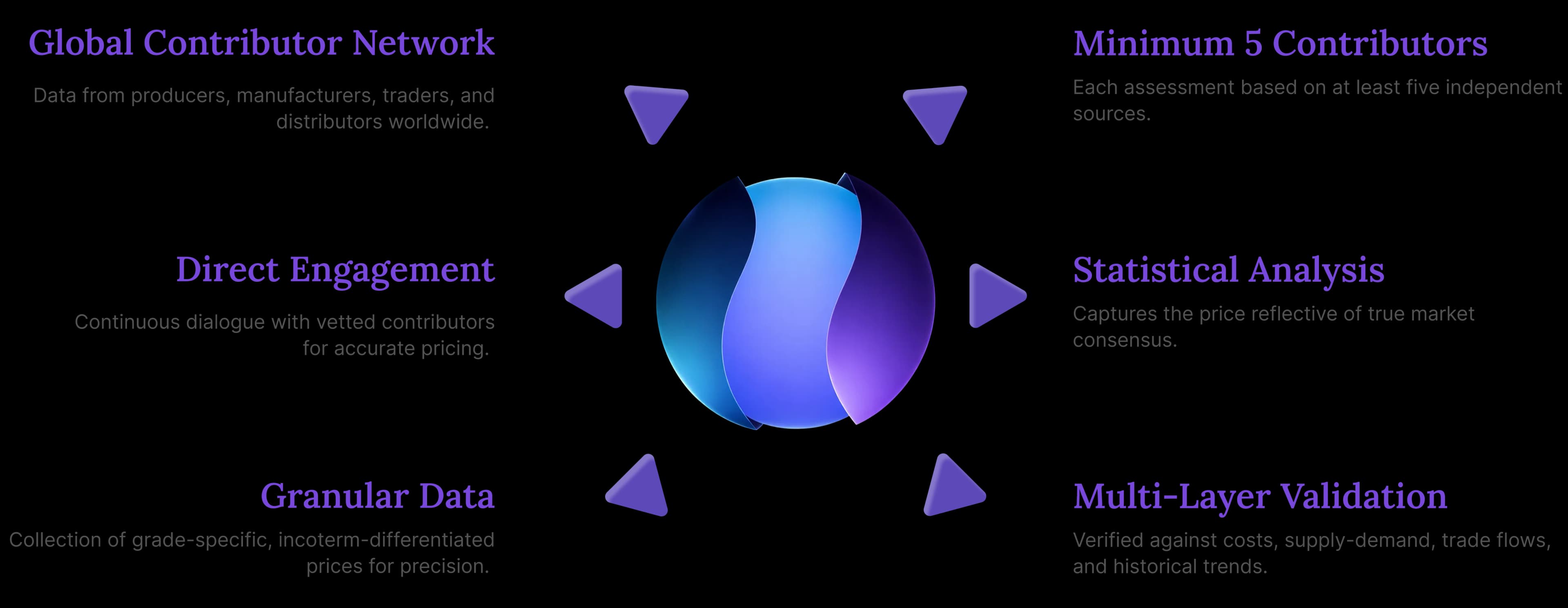
Our Price Analysis Methodology
Schedule A Demo
Experience how Procurement Resource transforms raw material price data into clear, decision ready intelligence. Optimise your performance with reliable, expert market data and analysis. Schedule your demo today to experience a live walk-through where our experts will showcase interactive price charts, forecasted prices, and insights driving the prices for your key commodities, tailored to your workflows. Contact us now!
Our Team will be happy to assist you
We are just a text away
Still Need Help ?
Other Related Reports
Chloroprene Production from Acetylene
The report is the cost analysis of production method of chloroprene from acetylene.
Chloroprene Production from Butadiene
The report is a detailed study of economics of production of chloroprene from butadiene using a two step process.
Subscription Plans
Unlock full access to Procurement Resource's price databases, interactive charts, and short-term forecasts for thousands of commodities. Elevate your sourcing decisions by comparing prices across regions, downloading historical data, and layering in analyst-backed insights, all with our flexible plans that scale as your portfolio grows.
Still have any Questions
Contact Us



Price Trend Dashboard - What's Included
Price trends across a diverse portfolio of categories amd products, spanning board to niche chemicas
Coverage extendable to grade-specific chemicals based on procurement requirements
Regular price tracking supported by robust historical datasets
News, policy updates, and key market drivers impacting price movements
Short-term and long-term price outlooks and forecasts
Supply–demand dynamics and capacity-driven market analysis
- Unlimited Users
- Historical Monthly Price
- USA, Europe, APAC Covered
- Monthly Forecast
- 12 Months validity
- News & Events
- 50 Products (Refer Next Page For List)
Related News
View All.webp&w=1080&q=75)
--sml.webp&w=1080&q=75)

Why Procurement Database

Assistance from Experts
Throughout 2024, the Asian acetoin market experienced fluctuating trends with regional variations. Q1 began with moderate price increases driven by supply constraints from Chang Chun Plastics' maintenance shutdown in Taiwan. Post-S...

Client's Satisfaction
Throughout 2024, the Asian acetoin market experienced fluctuating trends with regional variations. Q1 began with moderate price increases driven by supply constraints from Chang Chun Plastics' maintenance shutdown in Taiwan. Post-S...

Assured Collaboration
Throughout 2024, the Asian acetoin market experienced fluctuating trends with regional variations. Q1 began with moderate price increases driven by supply constraints from Chang Chun Plastics' maintenance shutdown in Taiwan. Post-S...
Global Insights
Throughout 2024, the Asian acetoin market experienced fluctuating trends with regional variations. Q1 began with moderate price increases driven by supply constraints from Chang Chun Plastics' maintenance shutdown in Taiwan. Post-S...
1/4