Coal Liquefication Price Trend Analysis 2026: Supply Demand Analysis, Historical Prices, Price Drivers, Latest News & Market Insights
Coal Liquefaction Price Trend Q4 2025
During Q4’25, coal liquefaction prices generally trended higher amid tight supply conditions and increased demand for alternative fuels. In the United States, natural gas prices surged in early December due to cold winter weather and strong LNG exports. This pushed utilities to rely more on coal for power generation, supporting higher demand for coal-based fuels, including liquefaction products. U.S. coal inventories declined, and higher consumption by power plants provided additional upward pressure on prices.
In China, coal prices rebounded sharply due to heavy rainfall, production inspections, and supply restrictions. Tight domestic supply and seasonal restocking by industrial users lifted demand for coal liquefaction feedstock. However, slower steel production slightly tempered price gains as overall industrial consumption softened.
In Europe, coal liquefaction prices were supported by stable demand from power and industrial sectors, while geopolitical tensions and LNG supply considerations made coal a more attractive option. Limited disruptions in transportation and steady import activity helped maintain price stability, though spikes were seen in response to temporary shortages.
Overall, Q4’25 saw coal liquefaction prices rise modestly across major markets, driven by tighter supply, stronger winter fuel demand, and strategic stockpiling by industrial consumers.
Analyst Insight
According to Procurement Resource, Coal Liquefaction prices are expected to stay firm in the near term as winter demand continues and global coal supply faces structural constraints.
Related Report
Our Clients































Procurement Resource Database
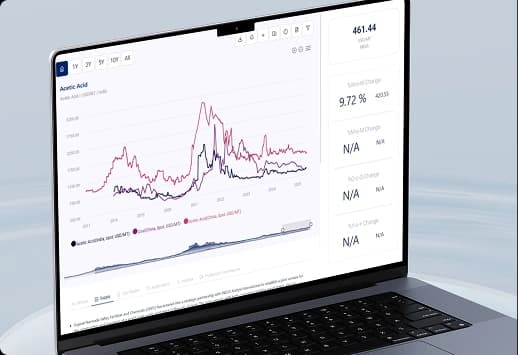
Turn price intelligence into action with the Procurement Resource Database. Log in or subscribe to unlock live price trends, historical charts, supplier databases, cost curves, and analyst-backed insights across chemicals, agriculture, energy, packaging, and more. Use these tools to benchmark your contracts, plan budgets with confidence, and stay ahead of market moves on every product you buy.
Coal Liquefication Dashboard Inclusions
0
+Products
0
+Regions
0
+Subscriptions
In the third quarter of 2025, coal liquefaction prices remained largely subdued due to weaker coal prices globally and reduced demand for coal-based fuels. In India, where coal is still widely used, imported LNG continued to struggle to replace coal, but even there, coal liquefaction remained a small, less competitive option.
With gas and renewable energy expanding their roles, the economic case for coal-to-liquid (CTL) projects weakened further. India’s underused gas infrastructure and low uptake of LNG meant no major shift toward CTL for power or industry, keeping demand and pricing soft.
Meanwhile, in China, coal prices declined significantly during the quarter due to stable domestic production and growing renewable capacity. This added further pressure on coal liquefaction economics, as the cost advantage of CTL narrowed against other fuels.
Despite short-term spikes during peak summer, overall coal demand was met easily through local production and imports. As a result, CTL producers had little pricing power and faced challenges staying competitive, especially with increasing availability of cleaner energy options.
In the first half of 2025, Coal Liquefication projects across Asia faced rising costs and financial uncertainty, causing overall price pressures to move upward. Countries like China, India, and Indonesia continued pushing coal gasification as a solution for energy security and reducing dependence on imported LPG and natural gas. However, the technology remained expensive, particularly as global construction and debt costs climbed.
China, on the other hand, expanded its coal-to-chemicals sector, particularly in coal-rich provinces, leading to increased domestic demand and strain on coal resources, further adding to cost pressures. Meanwhile, Japan’s attempt to retrofit old coal plants with gasification units, along with carbon capture and hydrogen components, made the economics even more challenging due to complex and capital-heavy requirements. These developments signaled that Coal Liquefication was far from cost-competitive, especially when compared to renewables or conventional fossil fuels.
The withdrawal of international investors from key gasification projects, including in the U.S. and Indonesia, suggested that the cost of producing synthetic fuels from coal remained too high without strong policy backing or state support. Additionally, the environmental footprint and policy contradictions added further risk premiums to the process.
The Coal Liquefication market in the second half of 2024 experienced complex pricing dynamics driven by global energy transitions. The market witnessed cautious technological investments, with pricing influenced by regional energy strategies and environmental considerations. Industrial players approached coal liquefaction with strategic restraint, balancing economic feasibility against increasing sustainability demands.
Technological developments remained selective, with key markets like China and India showing measured interest in advanced conversion processes. Pricing was characterized by volatility, reflecting broader coal market uncertainties and the ongoing global shift towards cleaner energy alternatives. Production costs continued to challenge widespread commercial adoption, creating a nuanced market environment.
Major industrial regions demonstrated varying commitment levels, with some markets maintaining research investments while others gradually repositioned their energy conversion strategies. The pricing was particularly sensitive to geopolitical tensions, renewable energy advancements, and changing industrial demand patterns.
In the first half of 2024, the coal liquefaction market faced a dynamic environment shaped by various factors influencing its price trends. Coal liquefaction, a process that converts coal into liquid fuels like synthetic crude oil, plays a vital role in providing an alternative to conventional petroleum products, especially in regions heavily dependent on oil imports. With crude oil prices rising in the first quarter due to geopolitical tensions, such as Israel's conflict with Hamas and supply disruptions caused by attacks in the Red Sea, there was a heightened interest in alternative fuel sources like liquefied coal. However, while crude oil prices surged, coal prices in Asian markets showed a declining trend in the first quarter of 2024, driven by surplus inventories and reduced demand. The large stockpiles, especially in India and China, resulted from increased domestic production, creating downward pressure on coal prices.
Despite these low coal prices, the focus on enhancing coal liquefaction capacity, as announced by India's Finance Minister, highlighted the strategic importance of coal-derived fuels for sectors like steel. India plans to develop a 100 MT coal gasification and liquefaction capacity by 2030, aiming to reduce reliance on natural gas imports and curb emissions. Consequently, while the first half of 2024 saw mixed signals with declining coal prices, the push towards coal liquefaction underscored its significance as a sustainable energy source, driven by fluctuating crude oil markets and the need for energy security in key regions like Asia.
After the depreciating run of the H1’23, the coal liquefication prices finally started to rise at the beginning of the third quarter in July. This market situation arrived mainly because of an increased global fuel demand. Since the OPEC+ decided to control the crude oil markets and raised the prices, the demand for coal derived fuels rose, pressurizing the facilities.
The uneven and unseasonal weather changes were also challenging the miners by worsening the mining conditions. So, since the demand rose amidst a supply constraint, the prices rose too. This continued till the fourth quarter as well. The shipping disturbances during this time constricted the supply chains even further. Overall, a reliable market performance was witnessed.
The market for coal liquefication suffered from a significant low demand and diminishing requirement of fuel worldwide. The decline was much more significant in the second quarter, especially in the month of June. The extreme weather conditions halted the mining activities. Additionally, the declining cost of energy and fluctuating prices of crude oil due to sanctions on imports from Russia are a problem for the coal liquefication market. Further, the transition of consumers from conventional methods of energy production to renewable resources and weak demand affected the market for coal liquefication.
About Coal Liquefication
Coal is transformed into liquid hydrocarbons, such as fuel and petrochemicals, through the process of coal liquefaction. The "indirect route" and the "direct route" are the two most popular methods for completing this task, though there are other methods as well. This conversion is advantageous for nations with abundant coal resources (like the US and China), as it can lessen reliance on imported liquid fuels. It also has the potential to generate hydrogen economically.
Coal Liquefication Product Detail
Industrial Uses
Production of gasoline, Production of hydrogen
Supplier Database
Chevron Corporation, Pall Corporation, Shenhua Group, Yankuang Company, Jincheng Anthracite Mining Group
Regional Coverage
Asia Pacific
China, India, Indonesia, Pakistan, Bangladesh, Japan, Philippines, Vietnam, Iran, Thailand, South Korea, Iraq, Saudi Arabia, Malaysia, Nepal, Taiwan, Sri Lanka, UAE, Israel, Hongkong, Singapore, Oman, Kuwait, Qatar, Australia, and New Zealand
Europe
Germany, France, United Kingdom, Italy,Spain, Russia, Turkey, Netherlands, Poland, Sweden, Belgium, Austria, Ireland Switzerland, Norway, Denmark, Romania, Finland, Czech Republic, Portugal and Greece
North America
United States and Canada
Latin America
Brazil, Mexico, Argentina, Columbia, Chile, Ecuador, and Peru
Africa
South Africa, Nigeria, Egypt, Algeria, Morocco
CurrencyUS$ (Data can also be provided in local currency)
Supplier Database AvailabilityYes
Customization ScopeThe report can be customized as per the requirements of the customer
Post-Sale Analyst Support360-degree analyst support after report delivery
Note: Our supplier search experts can assist your procurement teams in compiling and validating a list of suppliers indicating they have products, services, and capabilities that meet your company's needs.
Coal Liquefication Production Processes
- Coal Liquefication Production from Direct Liquefaction; from Indirect Liquefaction
In this procedure, iron-based catalyst and recycled solvent are present while coal is exposed to hydrogen at 450°C and high pressure for one hour. As a result, the solid to liquid transformation of coal's hydrocarbon structure occurs. In order to produce consumable oil, it goes through extensive upgrading.
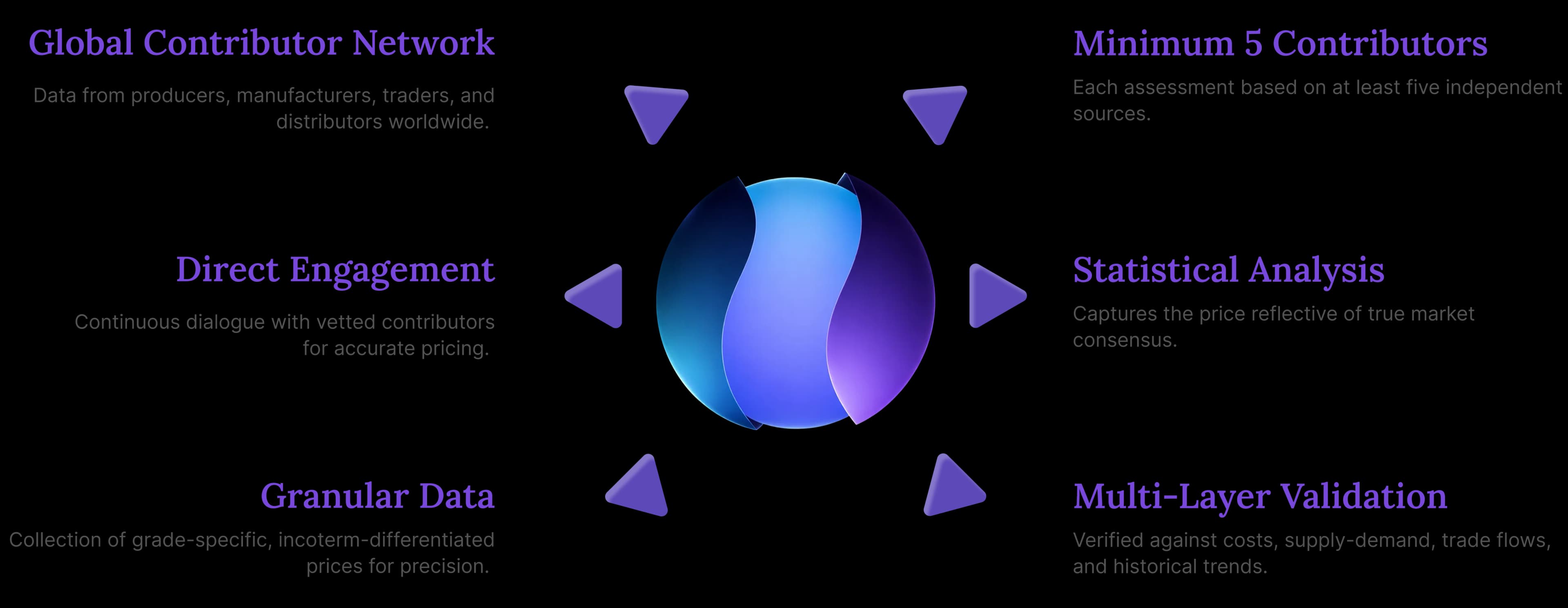
Our Price Analysis Methodology

Schedule A Demo
Experience how Procurement Resource transforms raw material price data into clear, decision ready intelligence. Optimise your performance with reliable, expert market data and analysis. Schedule your demo today to experience a live walk-through where our experts will showcase interactive price charts, forecasted prices, and insights driving the prices for your key commodities, tailored to your workflows. Contact us now!
Our Team will be happy to assist you
We are just a text away
Still Need Help ?
Subscription Plans
Unlock full access to Procurement Resource's price databases, interactive charts, and short-term forecasts for thousands of commodities. Elevate your sourcing decisions by comparing prices across regions, downloading historical data, and layering in analyst-backed insights, all with our flexible plans that scale as your portfolio grows.
Still have any Questions
Contact Us



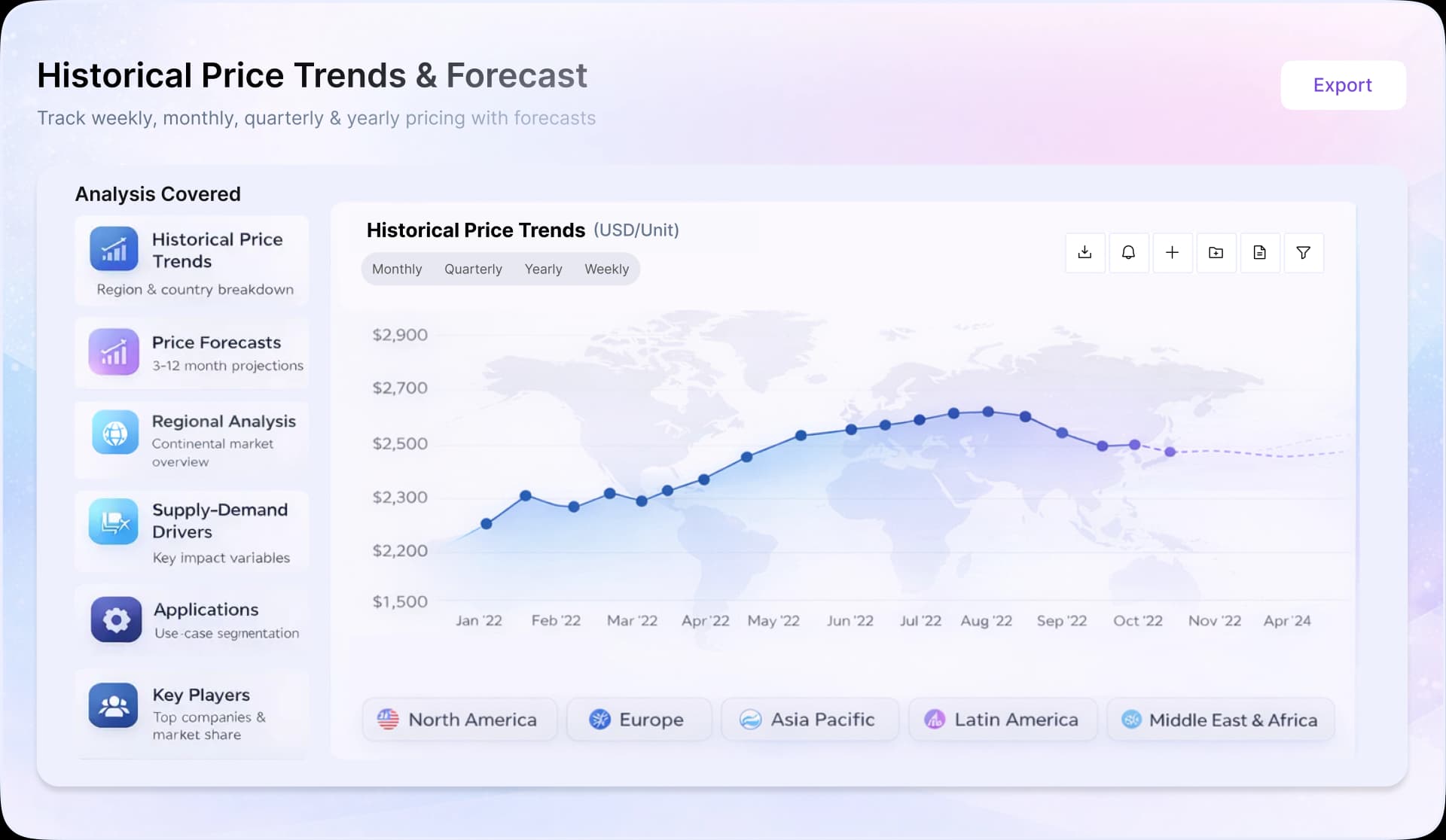
Price Trend Dashboard - What's Included
Price trends across a diverse portfolio of categories amd products, spanning board to niche chemicas
Coverage extendable to grade-specific chemicals based on procurement requirements
Regular price tracking supported by robust historical datasets
News, policy updates, and key market drivers impacting price movements
Short-term and long-term price outlooks and forecasts
Supply–demand dynamics and capacity-driven market analysis
- Unlimited Users
- Historical Monthly Price
- USA, Europe, APAC Covered
- Monthly Forecast
- 12 Months validity
- News & Events
- 50 Products (Refer Next Page For List)
Why Procurement Database

Assistance from Experts
Throughout 2024, the Asian acetoin market experienced fluctuating trends with regional variations. Q1 began with moderate price increases driven by supply constraints from Chang Chun Plastics' maintenance shutdown in Taiwan. Post-S...

Client's Satisfaction
Throughout 2024, the Asian acetoin market experienced fluctuating trends with regional variations. Q1 began with moderate price increases driven by supply constraints from Chang Chun Plastics' maintenance shutdown in Taiwan. Post-S...

Assured Collaboration
Throughout 2024, the Asian acetoin market experienced fluctuating trends with regional variations. Q1 began with moderate price increases driven by supply constraints from Chang Chun Plastics' maintenance shutdown in Taiwan. Post-S...
Global Insights
Throughout 2024, the Asian acetoin market experienced fluctuating trends with regional variations. Q1 began with moderate price increases driven by supply constraints from Chang Chun Plastics' maintenance shutdown in Taiwan. Post-S...
1/4