Coal Price Trend Analysis 2026: Historical Prices, Market Insights, Supply Demand Analysis, Price Drivers & Latest News
Coal Price Trend Q1 2026
| Product | Region | Incoterm Basis | Price | Last Updated Month |
| Coal | Indonesia | FOB | USD 92.88/MT | April 2026 |
| Coal | India | FOB | USD 99.00/MT | April 2026 |
| Coal | South Africa | FOB | USD 117.77/MT | April 2026 |
| Coal | China | FOB | USD 114.06/MT | April 2026 |
| Coal | Australia | FOB | USD 141.00/MT | April 2026 |
| Coal | Indonesia | FOB | USD 88.84/MT | March 2026 |
| Coal | India | FOB | USD 110.70/MT | March 2026 |
| Coal | South Africa | FOB | USD 109.84/MT | March 2026 |
| Coal | China | FOB | USD 100.53/MT | March 2026 |
| Coal | Australia | FOB | USD 86.11/MT | March 2026 |
Stay updated with the latest Coal prices, historical data, and tailored regional analysis
- Global coal prices stayed firm to volatile in Q1 2026, with supply-side disruptions and freight pressure supporting the market despite uneven industrial demand.
- Cost pressure rose as the Iran war disrupted energy routes and shipping, especially around the Strait of Hormuz, lifting freight, insurance, and replacement fuel costs.
- Downstream demand from coke producers and steel mills remained cautious, but restocking interest and energy-security concerns kept market sentiment supported.
Asia
In Asia, coal prices moved unevenly but ended higher in January 2026, the average price in China was 99.87 USD/MT, which increased to 104.19 USD/MT and 108.49 USD/MT in the subsequent months, respectively, up 8.63% over the period. Early-quarter support came from pre-holiday mine shutdown expectations and tighter near-term supply. After the Spring Festival, supply recovered faster than demand, which briefly pressured the market. By late March, the Iran war became the main driver.Disruptions to shipping and energy flows through the Strait of Hormuz raised freight costs and increased concern over fuel availability, which lifted coal sentiment across the region. Higher transport costs also made buyers more cautious and strengthened the cost floor for seaborne cargoes.
Europe
In Europe, the Iran war and the Strait of Hormuz disruption had a stronger effect than local industrial demand. The conflict tightened gas market sentiment, raised concern over LNG flows, and pushed utilities to reconsider coal as a backup fuel. Buyers in Northwest Europe turned more active in spot restocking as gas-to-coal switching improved coal competitiveness. The market was supported mainly by war-related freight escalation, higher gas prices, and the need to protect fuel security rather than by a clear recovery in end-use demand.
North America
In North America, coal prices remained relatively stable to firm, supported by stronger global seaborne sentiment. The Iran war and uncertainty around the Strait of Hormuz lifted international freight and energy costs, which tightened global pricing direction. Even without strong domestic demand acceleration, higher export-market risk and firmer seaborne values helped prevent downside pressure.
Analyst Insight
According to Procurement Resource, coal prices are likely to remain firm but volatile. Supply recovery in producing regions may cap gains, while freight disruption and steel-sector restocking can continue to support the market.
Related Report
Our Clients































Procurement Resource Database
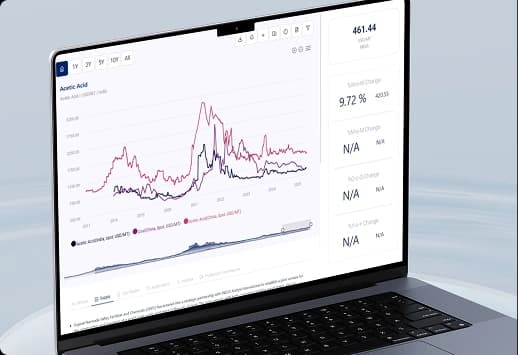
Turn price intelligence into action with the Procurement Resource Database. Log in or subscribe to unlock live price trends, historical charts, supplier databases, cost curves, and analyst-backed insights across chemicals, agriculture, energy, packaging, and more. Use these tools to benchmark your contracts, plan budgets with confidence, and stay ahead of market moves on every product you buy.
Coal Dashboard Inclusions

0
+Products
0
+Regions
0
+Subscriptions
Asia
Coal prices in Asia during 2025 followed a mixed trajectory, shaped by alternating supply constraints and demand adjustments. In 2025, prices fell from about 101 USD in Q1 to lower levels in Q2, before gradually recovering in the later quarters and ending slightly higher overall, reflecting moderate fluctuations of around 7% during the year. Early in the fourth quarter, prices moved upward as safety inspections, adverse weather conditions, and logistical disruptions tightened mine output and limited spot availability, particularly in key producing regions of China and Indonesia. Seasonal factors, including colder weather, supported demand from power utilities, prompting restocking and pushing spot prices higher. However, as the quarter progressed, supply conditions improved with the resumption of mining operations and increased seaborne inflows, easing earlier tightness. At the same time, downstream buyers adopted cautious procurement strategies, shifting toward need-based purchasing amid sufficient inventories. By the latter part of the quarter, the market moved toward balance, with weakening demand and improved supply resulting in price stabilization to slight softening. Overall, the Asian coal market reflected short-term bullish triggers followed by normalization as supply-demand fundamentals rebalanced.
Europe
In Europe, coal prices exhibited moderate volatility but remained relatively firm during Q4 2025, supported by energy market dynamics and seasonal demand. The onset of the winter heating season, coupled with reduced renewable energy generation and elevated natural gas prices, increased reliance on coal-fired power generation, providing upward pressure on prices. Additionally, policy discussions around delaying gas infrastructure expansion and maintaining coal capacity in the energy mix reinforced consumption expectations. Inventory levels at key terminals remained stable, while steady inflows ensured supply adequacy. Despite these supportive factors, price gains were limited by subdued industrial demand and cautious procurement behavior among buyers. Market sentiment remained sensitive to fluctuations in gas markets and broader energy transition policies, resulting in a fluctuating yet supported pricing environment throughout the quarter.
North America
North American coal prices followed a stable-to-soft trend in Q4 2025, reflecting balanced supply and moderate demand conditions. While higher natural gas prices and policy support slowed coal plant retirements, offering some demand stability, broader structural shifts toward cleaner energy sources capped upside potential. Production levels remained steady, and sufficient domestic inventories reduced urgency in procurement. In line with global trends, improved international supply and softer steel sector demand, particularly impacting metallurgical coal, further pressured prices toward the latter part of the quarter. Overall, the region mirrored the global pattern of early support followed by an easing momentum.
| Product | Category | Region | Price | Last Updated Month |
| Coal | Operating Costs, Logistics and Utilities | China | 89 USD/MT | July 2025 |
| Coal | Operating Costs, Logistics and Utilities | China | 95 USD/MT | August 2025 |
Asia
Coal markets in Asia went through a period of variability during the third quarter of 2025. Early in the quarter, supply disruptions at mines and logistical bottlenecks in cross-border transports restricted the availability of certain grades. This led to temporary firmness as steelmakers maintained elevated production levels and sought to secure feedstock to support operations. Procurement activity was active in the first phase, reflecting confidence in demand. The average monthly prices in China were about 89 USD/MT (Spot) in July and around 95 USD/MT in August.
As the quarter advanced, more mines resumed operations, easing earlier concerns over availability. Inventories at consumer plants improved, and procurement strategies turned more cautious. Even though steel production stayed at a high level, narrowing margins reduced the willingness of buyers to secure additional stocks. This resulted in a gradual softening of prices after the initial upward movement. Towards the close of the quarter the prices stabilised amid the moderate buying interest from the downstream sector.
Europe
In Europe, the coal market displayed steadier conditions relative to Asia. Supply channels from key producing regions functioned without major interruptions, ensuring consistent inflows of high-quality blends. Market participants adopted conservative procurement strategies, often limiting purchases to immediate requirements.
Steel sector demand provided only modest support, as high energy costs and uneven order volumes weighed on mill operating rates. Maintenance outages at several facilities further limited demand for fresh cargoes. With both supply and demand showing little variation, trading volumes stayed controlled. Prices moved within a relatively narrow range, highlighting the region’s preference for stability rather than exposure to larger swings. Europe thus reflected a market environment shaped by steady availability and restrained consumption needs.
| Product | Category | Region | Price | Last Updated Month |
| Coal | Operating Costs, Logistics and Utilities | China | 92 USD/MT | April 2025 |
| Coal | Operating Costs, Logistics and Utilities | China | 87 USD/MT | May 2025 |
Stay updated with the latest Coal prices, historical data, and tailored regional analysis
Asia
The Asian coal market, especially the Chinese market, displayed a downward bias during the second quarter of 2025. The prices were about 92 USD/MT (Spot) in April and around 87 USD/MT in May. Coal prices across Asia witnessed a sustained decline, driven primarily by falling demand and oversupply in key markets, especially China.
Thermal coal prices reached four-year lows as China reduced imports amid record-high domestic production and a drop in coal-fired power generation, which was partially offset by gains in renewables and hydropower.
The softened Chinese demand, alongside weakened appetite in Japan and uneven trends in India, weighed heavily on seaborne prices. Meanwhile, coking coal in China also saw a notable downturn, attributed to sluggish steel sector activity, high inventories, and cautious procurement by coke producers. The market overall remained subdued.
Europe
Coal trajectory was not very different in the European market too as the prices showcased a largely falling trend here as well. Greater supply availability from export nations, combined with lower industrial production in some parts of the continent, eased demand for thermal and metallurgical coal.
Industrial sectors using large amounts of energy saw lower levels of activity as a result of subdued power consumption and seasonally less severe weather, cutting pressure on utilities to purchase extra coal supplies. Though sporadic port limitations and occasional logistic bottlenecks briefly hindered deliveries, these were insufficient to uphold prices. Buyers were not eager to take in large amounts, indicative of a wait-and-see attitude and cost-saving motives strategies in an environment of decelerating economic momentum.
North America
In North America, the coal prices resembled the trends of the global market, driven mostly by local demand trends and evolving regulatory pattern. Power providers kept pushing toward gas and renewables, cutting down their consumption of coal. Although some sectors like steel, maintained baseline consumption, the overall demand was insufficient to balance supply.
Export levels to foreign markets remained relatively steady but not enough to offset pressure from domestic excess. Also, mining production stayed consistent in most of the regions, and with minimal downstream pull, inventories started to build up. This persistent oversupply situation, coupled with soft procurement cycles, led to coal prices slipping lower during the quarter.
| Product | Category | Region | Price | Last Updated Month |
| Coal | Operating Costs, Logistics and Utilities | Asia | 105 USD/MT | Jan-Feb 2025 |
Stay updated with the latest Coal prices, historical data, and tailored regional analysis
Asia
The Asian coal market experienced a consistent downtrend during the first quarter of 2025.The monthly average prices were approximately 105 USD/MT (CIF) in January and February. Initially, prices remained stable, but weak downstream demand and oversupply exerted continuous pressure on the market. Although coal mines operated at regular levels, inventory buildup prevented any significant recovery. Most importers and traders were hesitant to take major purchasing decisions, reinforcing the weak trend.
As the quarter progressed, demand saw a slight increase, particularly from steel mills. However, this rise was not substantial enough to drive a market recovery. External factors, including geopolitical tensions and uncertain trade policies, further contributed to a cautious market outlook. By the end of the quarter, prices remained low, leaving coal producers struggling to maintain profitability.
Europe
In Europe, coal prices followed a similar trajectory throughout the first quarter of 2024. Industrial production remained subdued, and steel production declined, reducing coal demand. Most steel mills operated below capacity, limiting their coal consumption. Additionally, stricter environmental policies and the region’s transition toward alternative energy sources further weakened coal’s position in the market.
The arrival of lower-priced coal imports, particularly from Russia, added to the oversupply issue. Economic uncertainty and sluggish construction activity further worsened market conditions. Although prices fluctuated periodically, the overall trend remained negative. The persistent oversupply kept prices low, with no strong factors driving a market rebound.
North America
North America experienced a similar situation in the first quarter of 2025. Domestic steel mills reduced output, lowering their coal demand. Supply chains were also disrupted due to tariffs on imported steel and retaliatory trade measures, further impacting the market. Export opportunities were limited, contributing to the overall decline in coal prices.
Despite continuous mining activities, the oversupply issue persisted, weighing on the industry. Buyers remained cautious, avoiding major purchases amid economic uncertainty. Temporary supply bottlenecks and speculative buying led to brief price increases, but these were short-lived. By the end of the quarter, coal prices struggled to gain upward momentum, hindered by weak demand and excess supply. Market sentiment remained bearish, with few signs of recovery.
| Product | Category | Region | Price | Last Updated Month |
| Coal | Operating Costs, Logistics and Utilities | China | 122 USD/MT | October 2024 |
| Coal | Operating Costs, Logistics and Utilities | China | 109 USD/MT | December 2024 |
| Coal | Operating Costs, Logistics and Utilities | India | 65 USD/MT | October’24 |
| Coal | Operating Costs, Logistics and Utilities | India | 63 USD/MT | November’24 |
Stay updated with the latest Coal prices, historical data, and tailored regional analysis
Asia
The coal market in Asia experienced a notable downward trend in the fourth quarter of 2024. Prices were approximately 122 USD/MT in October and around 109 USD/MT in December in the Chinese markets. Weak downstream demand and a supply surplus put downward pressure on coal prices. Steady output from large-scale mining areas led to the accumulation of stockpiles, while importers and traders adopted a cautious approach, refraining from bulk purchases due to unfavorable market sentiment. Additionally, weak demand from steel mills, compounded by seasonal slumps in industrial activity, further contributed to the price decline.
Coal imports from Mongolia and Russia added to the regional supply surplus. Even temporary supply chain disruptions were unable to offset the excess supply. By the end of the quarter, prices dropped significantly, with little chance of recovery. A similar trend was observed in the Indian market as well, where prices were around 65 USD/MT in October’24 and fell to approximately 63 USD/MT within a month by November’24.
Europe
In Europe, coal prices trended downward during Q4 2024, reflecting the global trend. Industrial demand remained sluggish, as most steel mills operated below capacity, limiting their coal consumption. The energy sector’s growing reliance on renewable fuels and gas continued to diminish coal’s share in the region’s energy mix. Furthermore, economic uncertainty and weak construction activity kept demand from the steel industry subdued. With no significant improvement in industrial activity, coal prices remained under pressure. Market participants adopted a cautious stance, resulting in minimal trading activity and further stagnation in prices.
North America
In North America, coal prices also saw a downward trend in Q4 2024, similar to the global market. Domestic steel mills reduced production, further contributing to the decline in coal demand. Weak market sentiment, driven by reduced steel utilization and volatility in international trade, negatively impacted coal prices. Export opportunities were limited, as other producing regions offered lower-cost alternatives.
The imposition of trade tariffs and countermeasures disrupted cross-border coal trade. Coal mining activities remained steady, producing a surplus supply. Despite occasional attempts by traders to boost prices with short-term purchases, these efforts were largely ineffective in reversing the overall downtrend. By the end of the quarter, North American coal prices remained subdued, with market participants expecting continued weakness in the near term.
Asia
The Asian coal market in Q3’24 was characterized by nuanced dynamics and cautious market sentiment. China's coal imports remained robust, with the country already having imported 222 million metric tons of thermal coal in 2024, potentially matching its 2023 volume of 329.5 million tons. However, end-users are maintaining ultra-low inventory levels and purchasing strategically.
Indian markets show signs of gradual recovery, with coal procurement rising in late August and September, ahead of the festive season demand in October-November. Russian thermal coal exports have been pivotal, with prices experiencing significant volatility. The May-July period saw exports increase to 37.3 million metric tons, driven by reduced export tariffs and heightened demand during heatwave conditions. However, logistical constraints and international sanctions continue to impact pricing and supply reliability.
Europe
European coal markets remain subdued, with increasing pressure from renewable energy transitions. The ongoing geopolitical tensions and decarbonization efforts are constraining traditional coal consumption. Pricing remains under pressure, with utilities increasingly looking towards alternative energy sources. The European Union's stringent carbon pricing mechanisms and aggressive green energy targets continue to erode coal's market position, pushing utilities towards wind, solar, and advanced nuclear technologies.
North America
The US coal market is experiencing structural transformations. Coal's electricity generation share is projected to shrink to an all-time low of 16.1% in 2024. Domestic coal prices have been mixed, with western coal showing slight increases while eastern coal prices declined. The market is significantly influenced by competitive natural gas prices and the accelerating renewable energy sector. The Inflation Reduction Act continues to drive massive renewable capacity expansion, with projections indicating 718.9 GW of renewable capacity coming online, directly challenging coal's market share and economics.
| Product | Category | Region | Price | Last Updated Month |
| Coal | Operating Costs, Logistics and Utilities | India | USD 114/MT to USD 120/MT | May 2024 |
Stay updated with the latest Coal prices, historical data, and tailored regional analysis
Asia
In the second quarter of 2024, coal prices in the Asia-Pacific (APAC) region saw a significant incline due to a combination of heightened consumption and low production levels. A decrease in output from exporting countries further contributed to the price escalation. In China, coal prices rose notably by 5.3% from USD 114/MT to USD 120/MT in May, reflecting a positive trend in the coal market.
Despite stable coal production, active inventory replenishment by downstream enterprises and a generally optimistic market atmosphere supported this increase. In the shipping sector, heightened demand and equipment challenges led to rising spot rates and surcharges, propelling the Shanghai Containerized Freight Index to its highest level.
Australian coal prices also surged due to strong demand from several Asian countries experiencing record heatwaves, boosting energy consumption. Japan's increased power generation forecasts further elevated demand. In South Africa, coal prices rose modestly by 1%, driven by low stockpiles and steady demand from India and the Asia-Pacific region. Looking ahead, coal prices are expected to continue rising due to robust demand, particularly from downstream iron and cement producers, coupled with reduced production and high summer season utilization.
Europe
Similarly, Europe has seen a persistent decline in coal prices amid efforts to phase out coal-fired power plants and increase reliance on renewable energy sources. The European Union's ambitious climate goals have accelerated the closure of coal plants and reduced demand for coal across the region.
Regulatory frameworks and carbon pricing mechanisms have also played a crucial role in shaping market dynamics and discouraging investments in coal infrastructure. In addition to policy-driven shifts, economic factors such as lower gas prices and the competitive advantage of renewable energy have further eroded coal's market share in Europe. Countries like Germany and Poland, traditionally reliant on coal, have been actively transitioning towards cleaner energy alternatives, impacting both demand and pricing dynamics for coal in the region.
North America
Coal prices in the US have been under pressure primarily due to structural shifts in energy generation throughout Q2'24. The country has witnessed a continued decline in coal demand, driven by ongoing transitions towards cleaner energy sources such as natural gas and renewables.
The regulatory pressures aimed at reducing greenhouse gas emissions further dampened the outlook for coal-fired power plants. Additionally, economic factors, including lower natural gas prices, also contributed to reduced competitiveness for coal in the energy mix. Despite these challenges, coal production in the US has stabilized somewhat, supported by domestic mining operations catering to reduced but stable demand from remaining coal-fired power plants and industrial sectors.
| Product | Category | Region | Price | Last Updated Month |
| Coal | Operating Costs, Logistics and Utilities | USA | USD 50/MT | March 2024 |
| Coal | Operating Costs, Logistics and Utilities | MEA | USD 100/MT | March 2024 |
| Coal | Operating Costs, Logistics and Utilities | China | 129 USD/MT | March 2024 |
Stay updated with the latest Coal prices, historical data, and tailored regional analysis
Asia
The coal prices in the Asian markets were witnessed to be declining throughout the said period of the first quarter of the year 2024. The Indian coal market was constantly weighed down by the surplus inventory stocks. A rapid increase in coal production, especially by Coal India, the world’s largest miner, has resulted in the stockpiles surpassing 43 million metric tonnes. This resulted in the coal imports dropping substantially for the country.
As the global coal demands weakened, coal prices fell to a three-year low in the country. A similar situation was seen in the Chinese coal market as well, prices here averaged at around 129 USD/MT throughout the said quarter. Bulked-up inventories created a downward pressure on the price trajectory here as well since the demands were bearish. Overall, a tepid price graph was witnessed in Q1’24.
Europe
In the European coal market, the price trend was observed to be strictly following the steadiness of the global markets. The demands were feeble, and whatever demands arrived, the existing inventories were more than capable of catering to them. As the climate has been changing, the weather has become hotter, which has reduced heating requirements in several regions, further curtailing the consumption requirements.
The domestic stockpiles were already in bulk amounts, and the international market was also flooded with excess coal as the offtakes dwindled globally. Weakened gas prices and easy utilization made people switch from coal to gas in Germany, which increased the unused coal quantities in the region even more. Conclusively, muted market performance was experienced in Q1’24.
North America
Influenced by the overburdened global inventories coal prices underwent a rocky downhill trail in the American market also. Feeble demands and massive availability forced coal prices down in the American markets. As the geopolitical uncertainties with two open war fronts keep mounting up, the trade situation keeps getting complicated for the region. Freight disturbances in the Red Sea and Indian Ocean are adding to the misery of coal traders. A generally underwhelming market performance was experienced during the said period.
| Product | Category | Region | Price | Last Updated Month |
| Coal | Operating Costs, Logistics and Utilities | USA | 135 USD/MT | Dec-23 |
| Coal | Operating Costs, Logistics and Utilities | China | 132 USD/MT | Dec-23 |
| Coal | Operating Costs, Logistics and Utilities | China | 123 USD/MT | Oct’23 |
Stay updated with the latest Coal prices, historical data, and tailored regional analysis
Asia
In the last month of the fourth quarter, Asia coal imports surged to a record 83.69 million metric tons, with China leading the rise at 32.08 million tons. This rise in import levels is a direct consequence of strong demand in China; however, the coal prices showed only minimal changes from around 123 USD/MT (Spot) to 132 USD/MT during the entire quarter. This could be attributed to the substantial gains in coal exports from Indonesia and Australia, which flooded the Asian markets. On the other hand, India reduced its coal purchases, opting for diversified suppliers like South Africa and Japan.
Europe
The European countries did not show a favorable trend, as the coal price trends seemed to have struggled throughout the quarter. The energy sector of Europe has been quite volatile in the past few quarters as the countries navigate a plan to deal with its sliding economic conditions.
The consumers contracted their purchasing activities, and the coal prices fell southwards. Additionally, the ports also experienced the arrival of excessive vessels while the domestic inventories themselves were in bloom, and on top of that, the tepid demand kept the coal price trends on the negative side of the price graph.
North America
US coal prices experienced a subdued demand from both domestic and overseas downstream industries as it was influenced by milder weather forecasts in the US and Europe. Additionally, the oversupply in the market and the reluctance of manufacturers to cut production rates are weighted on the negative side of the spectra.
The competition from South African coal and declining pet coke prices affecting the global market of coal also played a significant role in dictating the coal price trends. The coal prices in the US domestic market averaged around 135 USD/MT in December’23.
Asia
The escalation in the prices of coal during the third quarter of 2023 was much more prominent in Australia as compared to China. Moreover, the overall rise in the prices was due to the exponential rise in demand from the industries.
On the other hand, the operation of coal mines was adversely affected by adverse weather conditions and increased sanctions due to environmental concerns, which depleted the level of inventories. The spot prices of coal averaged around 120 USD/MT (Spot, FD) in September’23 in the Chinese domestic market.
Europe
The interest of overseas industries inclined significantly in the European coal sector, which supported the rise in the coal price trend. In addition to this, the demand for the domestic electricity sector also witnessed a surge that further supported the rise in the price of coal. The supply chains also remained stressed throughout this quarter due to the adverse weather conditions, depleting inventory levels, and increasing logistical challenges in the region, thus supporting the rise in the prices of coal.
North America
In North America, the surge in procurement rates from the electricity sector and overseas industries resulted in a rise in the prices of coal. The market momentum and coal price graph were also driven by the positive outlook of the Asia Pacific and European countries, which helped in increasing the export rates of coal and thus escalating its prices.
Asia
In the Asia-Pacific region, the coal market contracted significantly due to low demand and the high pressure of rising currency rates amid the feebly performing economic conditions. In the first and second quarters, the mining activities gained pace, which increased the availability of coal in the markets. However, the demand from downstream industries was not enough to consume this high supply. The Asian markets were also hit by the opening of several mines that further escalated the oversupply problem, and thus, the price trend of coal in the region declined.
Europe
The fluctuating purchasing habits of consumers and the increased supply of coal in European nations hampered the growth of the coal price trend. The decreasing rates of energy and shortage of labor also supported the falling prices of coal in the first quarter.
In the second quarter, there was a significant constriction in the prices in the month of May. The European countries adapted towards more sustainable and eco-friendly substitutes of coal, which resulted in a reduction in the new number of orders, and as a result, the price trend of coal declined widely in the second quarter of 2023.
North America
The price trend of coal declined as surplus availability of the product continued to be a problem for the coal market in both the first and second quarters of 2023. However, amid slow demand, the mining and extraction activities did not lose their momentum and continued to incline, which further contributed to the problem of oversupply.
The downstream market activities, especially of the steel and power production industries, supported the coal market towards the end of the second quarter. And with the peak in demand for electricity, the price trend of coal stabilized at the end phase of the second quarter.
Asia
In the Chinese domestic market, the prices of coal fell initially and stabilized towards the end of the third quarter. The price decrease was due to weakened demand. The wait-and-see attitude of the power plants coupled with the decreased output from mines further retracted the prices. However, the prices began to stabilize and consolidated steadily as the market became enthusiastic about purchasing coal.
The same inclining trend continued in the fourth quarter as the demand for conventional coal-powered plants increased. Given the unprecedented rise in heatwaves, the water bodies dried up, shifting the dependence on hydropower to thermal plants, causing the coal prices to rise in the domestic market.
Europe
The energy crisis unleashed by the Russian invasion of Ukraine was further exacerbated by the European embargo and Western sanctions on Russian exports. Many countries in the EU have coal dependency exceeding 50% on Russian imports.
The price trends for coal in the third quarter showed a fluctuating pattern. However, with substitute shipments from the African and Latin American nations, the prices stabilized to a certain extent measuring in September 2022. The price trends declined in the fourth quarter as Australian and American coal found their way to Europe. As the supply was able to meet the immediate demands, the coal prices stabilized to a larger extent.
North America
The price trends for coal recorded a mixed pattern in the US domestic market. The prices witnessed intervals of incline and decline throughout the third quarter. However, with the removal of port congestions and the availability of suitable alternatives the overall price of coal fell in the market.
US coal consumption decreased by around 8% in the last quarter as a good domestic production of natural gas took care of the energy requirements in the USA. Overall, the coal prices didn’t rise too much as a healthy supply-demand dynamic was maintained, moreover, the prices hovered around lower values.
Asia
In the forecast period, the Indian coal imports reached a new maximum despite the rising international prices. Despite Russia offering coal to India at a discounted price, its price trends remained strong in the Indian domestic market. Coal price increase was attributed to the higher demands from the power sectors and the depleting inventories. Consequently, pushing the spot power tariffs further.
A similar trend in the Chinese domestic market was seen due to supply chain disruptions and shortages. The price of anthracite went from 1675 RMB/MT (April 2022) to 1990 RMB/MT in June 2022.
Europe
The European embargo on Russian coal exports surged its futures in the European market. Due to sanctions, all the EU member states were forced to suspend or terminate the existing contracts with Russia. Since Europe depends on Russia for its energy needs, these sanctions triggered an acute energy crisis in Europe, giving way to runaway inflation.
North America
The prices of coal remained strong in the US. Along with the supply disruptions and inflated freight prices, other necessary factors like rising operating costs and carbon neutrality contributed to the higher costs. The price averaged 308 USD/MT in the domestic arena.
Asia
Russia continued to be a significant supplier of coal to the seaborne market, accounting for 17% and 10% of global traffic in thermal and coking coal, respectively. Buyers were unable to transact with Russian coal suppliers due to SWIFT sanctions against some Russian banks and worries about counterparty credit risks.
Additionally, an increasing number of Western power utilities were considering a voluntary embargo on Russian coal supply, causing problems in the routine coal trade. As a result, on March 3, 2022, eight days after the Russia-Ukraine war began, seaborne thermal coal prices soared to an all-time high of 430 USD/MT as Western countries began imposing sanctions on Russia.
Europe
In Q1 2022, coal's share of energy generation in Germany increased to around 30%, up from little over 20% in January-March 2020 despite the fact that the country's installed coal-fired capacity has been decreased by about a fifth in the last three years. With gas prices being stubbornly high since late 2021, other Western European nations with a major coal power plant fleet, like Italy and the Netherlands, followed suit. The difference between the former and the latter was around 60 EUR/MWh.
North America
Domestic coal consumption was expected to grow 14.2 million tons year over year, with Henry Hub spot price rising to 5.43 USD/MMBtu in 2022, up from 4.06 USD/MMBtu in 2021. The EIA projected coal consumption would reach 560.1 million short tons in 2022, up 2.6% from 2021, while electric power consumption to reach 517 million short tons, up 3.1% from 2021.
Latin America
The average realized steelmaking coal price in the first quarter was 357 USD/MT, underpinned by record steelmaking FOB coal prices. The sequential increase in steelmaking coal prices from 351 USD/MT in the fourth quarter of 2021 resulted to favorable pricing adjustments of nearly USD 88 million.
Asia
China had a dominant role to play in the rise of coal prices in 2021. When China refused to continue coal trade with Australia, it added to the rise in demand due to a shortage of supply. In October 2021, the price in China was the highest recorded ever at 223 USD/MT. The cost of production increased significantly due to the increased prices of steel. This was also due to the continued higher prices of gas. The Chinese government intervened to control the price rise and was able to lower it by mid-November 2021. In Europe, the price stabilised to 150 USD/MT.
In Australia, coal prices rose to 224.51 USD/MT in October 2021, following a decline to 157.48 USD/MT in November and then again, a price rise to 169.65 USD/MT in December 2021. In Indonesia, the price peaked at 269.50 USD/MT in October 2021 and declined to 140 USD/MT in November 2021 and rose gradually by the end of December to 170 USD/MT. In India, the price peaked at 129.27 USD/MT in November 2021, followed by a fall in coal prices to 123.24 USD/MT in December 2021.
Europe
Early in October 2021, the prices hit all-time highs, with imported thermal coal in Europe reaching 298 USD/MT. The Chinese government's quick policy action to balance the market had a rapid impact on prices. European coal prices were around 150 USD/MT as of mid-November.
North America
In 2021, the total coal production in North America was 584 MT while consumption was 541 MT.
Asia
In 2021, prices in China almost doubled from around 82 USD in Q1 to about 162 USD by Q3, reflecting a rise of nearly 98% over the period. This sudden and immense rise in coal prices could be attributed to its rising demand and not enough supply and production to keep up with it. The reduced imports from India and Australia also added to the supply constraints. Domestic production in China was also limited since most coal came from mines that were already established or had been abandoned in the past due to low prices.
China and India took pledges to reduce their emissions, which could affect their coal demand and supply. However, it seemed unlikely that these pledges would be implemented in the near future with the increase in demand to 4% in India in 2021, which was supported by the increased power generation demands from Indian households and due to the re-opening of the economy after the pandemic, raising the consumption levels to more than those in 2019.
Policies were therefore implemented to prevent power outages. The price in India in the first quarter of 2021 was about 91.07 USD/MT which remained stagnant until the end of second quarter when the price dropped to 87.05 USD/MT in June 2021. Eventually there was sharp rise in the third quarter to 95.08 USD/MT in August 2021.
Production in Australia was affected by the shutting down of mines, namely Moranbah North mine, which was closed due to high gas readings. Certain other hindrances owing to bad weather, explosions at ports and immigration policies that affected large numbers of workers also slowed down production in Australia.
China also reduced the import of Australian coal, which forced the country to adapt to new and challenging export routes, driving up the price. Australia, however, will still be one of the largest producers of met coal in 2021. The mean price in Australia in the 2020 was 142.58 USD/MT in 2020 with highest price of 224.51 USD/MT in October and the lowest price of 86.74 USD/MT in February.
Even Indonesia was not able to keep up with the demands of China with its exports due to bad weather conditions (such as heavy rainfall and flooding of factories) and also due to the limited availability of heavy equipment. The price of 75 USD/MT continued for the first quarter of 2021 which was followed by a steep rise in prices at the end of the second quarter at the soaring levels of 149 USD/MT. By the end of the third quarter, the prices were around 175 USD/MT.
North America
In the United States, the demand had decreased to 20% up until the year 2020. Interestingly, in 2021 the coal power generation in US was forecasted to increase by 2021, followed by a steep decline in upcoming years. The demand in US rose by 17% (nearly 75 metric tonnes). This increase in demand was attributed to the rising prices for natural gas due to its limited supply. In 2021, US increased its exports due to the rising demand in Europe Union. Coal prices in US raised to 230 USD/MT.
Europe
The consumption in Europe increased in 2021, as the global economy rebounded after the pandemic. The thermal coal consumption levels in Europe and US together were as much as the numbers in China in spite of Europe’s plans to abandon the use of coal to reduce emissions. In Europe, coal prices in 2021 were as high as 298 USD/MT.
Asia
In 2020, the Asia-Pacific region dominated global coal production, with China alone accounting for 50% of production in the world, followed by India and Australia. The electricity supply requirements dropped due to the shutting down of factories and companies. The drop in prices was also supported by the collapse of global steel production, especially in countries like India where imports were affected due to falling steel production.
Even before the pandemic, the industry was facing major setbacks due to the emergence of cheaper renewable energy sources and also due to the low prices of natural gas. Global demand was reduced by 4.4% in 2020, the highest decline in decades. However, this decline was lower than what was anticipated, the reasons for which could be attributed to a growing Chinese economy and the rise in global electricity demand.
The average price in China in the year 2020 was 71.33 USD/MT. The first quarter witnessed an average price of 76.66 USD with the highest price of 82 USD recorded in January, which gradually decreased in the following quarters to 73.33 USD in quarter 2 and 67.33 USD in quarter 3, with the lowest price of 64 USD in July 2020. However, in the final quarter of 2020, the average price increased slightly to 68 USD, which was followed by a significant increase in the upcoming year of 2021.
In 2020, the demand in China plummeted owing to the global pandemic of COVID-19. China and India, along with being the largest producers of this product, are also the major consumers of it. Backed by the continual efforts of the Chinese government to increase the profits from coal, the Coal Trading Centre was set up in Beijing in 2020, and two new companies were opened with the aim of producing at least 1 billion tonnes of coal annually.
In India, the government had formed plans to increase coal efficiency through the introduction of commercial mining techniques. In November 2020, an annual capacity of 50 million tonnes was allocated. However, this amount fails to keep up with the volume of coal generated annually, which is about 800 million tonnes. The demand in India was expected to increase along with the expansion of the economy and to fuel the rising demand for electricity, steel and cement to aid infrastructural development.
Australia is also a major producer and exporter of metallurgical coal and has continued its dominance in the market. In the first half of 2020, Australia was the major exporter of coking coal to China, which decreased in the latter half due to the increased restrictions on imports by the Chinese government. Australia emerged as the second largest exporter of this product in 2020 after Indonesia. The average price in Australia in the 2020 was 60.8 USD/MT in 2020 with highest price of 83.03 USD/MT in December and the lowest price of 50.14 USD/MT in August.
The demand in Indonesia was also affected due to the pandemic. Although production dropped in 2020, the government of Indonesia planned to broaden the scope of increased production in the following year due to an increased demand for exports. The prices in Indonesia dropped from an average price of 68 USD/MT in the first quarter to approximately 53 USD in the second quarter and remained mostly stagnant till a small and gradual rise to 59 USD/MT by end of December 2020.
North America
The global pandemic led to shutting down of factories, which in turn affected the power consumption levels and reduced the demand by as low as 20% in United States in 2020. More than 500 mines were shut down owing to the low consumption levels. The US exports also decreased due to the global drop in demand. Coal prices in US were 46.5 USD/MT in August 2020.
Europe
The demand in Europe Union also decreased in the same manner as in US close to a 19% drop. Europe, in the past had made strong decisions to reduce the emissions from coal consumption and switched to more greener alternatives up until 2020. The average price in Europe in 2020 was about 50.28 USD/MT.
About Coal
Coal is known as a combustible black or brownish-black sedimentary rock, which is made as rock strata called coal seams. Coal is composed of mostly carbon with variable amounts of other elements, chiefly hydrogen, sulphur, oxygen, and nitrogen. Coal is made when dead plant matter is decayed into peat and gets converted into coal by the action of heat and pressure of deep burial over thousands of years. Coal serves as a primary source of energy at several industries, including iron and steel.
Coal Product Detail
Electricity Generation, Fossil Fuel, Steel Production, Cement Production, Liquid Fuel
BHP Group Limited, China Shenhua Energy Co. Ltd, Anglo American Plc, China Coal Energy Co. Ltd., Arch Coal Inc., Coal India Ltd., Glencore Plc, JSC Siberian Coal Energy Co.
Regional Coverage
Asia Pacific
Europe
North America
Latin America
Africa
CurrencyUS$ (Data can also be provided in local currency)
Supplier Database AvailabilityYes
Customization ScopeThe report can be customized as per the requirements of the customer
Post-Sale Analyst Support360-degree analyst support after report delivery
Note: Our supplier search experts can assist your procurement teams in compiling and validating a list of suppliers indicating they have products, services, and capabilities that meet your company's needs.
Coal Production Processes
- Production of Coal via Mining
Coal is obtained via mining and extraction. Most coal mined is thermal coal, also known as steam coal, which is used in the electricity generation, while metallurgical coal, also known as "metcoal" or "coking coal", is used to make coke to make iron.
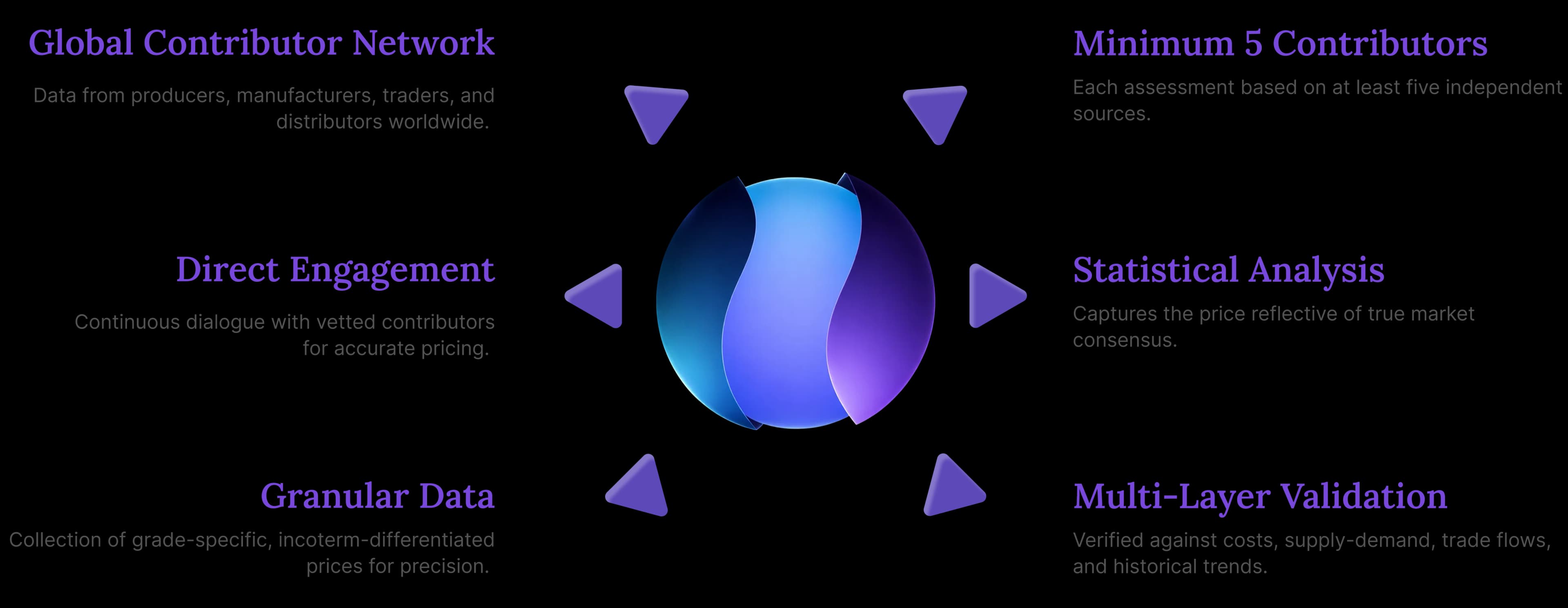
Our Price Analysis Methodology

Schedule A Demo
Experience how Procurement Resource transforms raw material price data into clear, decision ready intelligence. Optimise your performance with reliable, expert market data and analysis. Schedule your demo today to experience a live walk-through where our experts will showcase interactive price charts, forecasted prices, and insights driving the prices for your key commodities, tailored to your workflows. Contact us now!
Our Team will be happy to assist you
We are just a text away
Still Need Help ?
Other Related Reports
Syngas Production from Coal
This study shows the cost structure of syngas production through a coal gasification process.
Coal Liquefication Production from Indirect Liquefaction
This report provides the cost structure of coal liquefication by the indirect liquefaction process. In this process, coal is converted into synthesis gas or syngas, a mixture of CO and H2 gas.
Coal Liquefication Production from Direct Liquefaction
This report provides the cost structure of coal liquefication by direct liquefaction. In this process, coal is exposed to hydrogen at 450°C along with high pressure for one hour in the presence of recycled solvent and iron-based catalyst.
Activated Carbon Production from Coal
The report revolves around the economics of production of activated carbon from coal.
Subscription Plans
Unlock full access to Procurement Resource's price databases, interactive charts, and short-term forecasts for thousands of commodities. Elevate your sourcing decisions by comparing prices across regions, downloading historical data, and layering in analyst-backed insights, all with our flexible plans that scale as your portfolio grows.
Still have any Questions
Contact Us



Price Trend Dashboard - What's Included
Price trends across a diverse portfolio of categories amd products, spanning board to niche chemicas
Coverage extendable to grade-specific chemicals based on procurement requirements
Regular price tracking supported by robust historical datasets
News, policy updates, and key market drivers impacting price movements
Short-term and long-term price outlooks and forecasts
Supply–demand dynamics and capacity-driven market analysis
- Unlimited Users
- Historical Monthly Price
- USA, Europe, APAC Covered
- Monthly Forecast
- 12 Months validity
- News & Events
- 50 Products (Refer Next Page For List)
Related News
View All
Coal Production for May’24 witnessed a growth of 10% Y-O-Y in May’24

Epsilon Advanced Materials plans to allocate $650 million to establish synthetic graphite anodes manufacturing facility in the United States

Due to an oversupply and weakened demand from China, coal prices have dropped to their lowest point since June 2021
Why Procurement Database

Assistance from Experts
Throughout 2024, the Asian acetoin market experienced fluctuating trends with regional variations. Q1 began with moderate price increases driven by supply constraints from Chang Chun Plastics' maintenance shutdown in Taiwan. Post-S...

Client's Satisfaction
Throughout 2024, the Asian acetoin market experienced fluctuating trends with regional variations. Q1 began with moderate price increases driven by supply constraints from Chang Chun Plastics' maintenance shutdown in Taiwan. Post-S...

Assured Collaboration
Throughout 2024, the Asian acetoin market experienced fluctuating trends with regional variations. Q1 began with moderate price increases driven by supply constraints from Chang Chun Plastics' maintenance shutdown in Taiwan. Post-S...
Global Insights
Throughout 2024, the Asian acetoin market experienced fluctuating trends with regional variations. Q1 began with moderate price increases driven by supply constraints from Chang Chun Plastics' maintenance shutdown in Taiwan. Post-S...