Coal Tar Price Trend Analysis 2026: Latest News, Market Insights, Supply Demand Analysis, Price Drivers & Historical Prices
Coal Tar Price Trend Q1 2026
| Product | Region | Incoterm Basis | Price | Time Period |
| Coal Tar | USA | CIF | USD 880.44/MT | April 2026 |
| Coal Tar | Saudi Arabia | CIF | USD 848.44/MT | April 2026 |
| Coal Tar | Germany | CIF | USD 919.44/MT | April 2026 |
| Coal Tar | China | FOB | USD 793.44/MT | April 2026 |
| Coal Tar | Canada | CIF | USD 880.44/MT | April 2026 |
| Coal Tar | USA | CIF | USD 822.30/MT | March 2026 |
| Coal Tar | Saudi Arabia | CIF | USD 800.30/MT | March 2026 |
| Coal Tar | Germany | CIF | USD 817.30/MT | March 2026 |
| Coal Tar | China | FOB | USD 735.30/MT | March 2026 |
| Coal Tar | Canada | CIF | USD 822.30/MT | March 2026 |
Stay updated with the latest coal tar prices, historical data, and tailored regional analysis
- Global coal tar prices showed a soft-to-stable trend in Q1’26 as weak downstream demand offset cost pressure from energy and logistics disruptions linked to the Iran war.
- Feedstock dynamics remained volatile as coal and coke production dictated supply, while energy risks increased after the Strait of Hormuz disruption.
- Downstream demand stayed subdued, with weak performance in carbon black and coal tar derivatives limiting procurement.
Asia
Coal tar prices in Asia followed a soft-to-stable trend in Q1’26, initially declining due to weak demand from deep-processing sectors and stabilizing later with steady feedstock supply. China’s raw coal production reached 1.203 billion tons in Q1’26, ensuring sufficient upstream availability and supporting coal tar output. Coke-linked supply remained stable, but downstream products such as industrial naphthalene and anthracene oil showed weak demand, limiting recovery. The Iran war affected sentiment indirectly through energy and freight volatility rather than direct coal tar trade disruption.
Europe
Coal tar prices in Europe remained under pressure in Q1’26 due to weak steel production and reduced coke oven activity. Supply was constrained by lower coke output, while downstream demand from carbon black and aluminum anodes remained cautious. The Strait of Hormuz disruption added cost pressure, as the route carries about one-quarter of global seaborne oil trade, increasing energy and logistics costs for processing industries. This raised operating expenses but did not translate into stronger demand, keeping the market subdued.
North America
Coal tar prices in North America remained steady to slightly soft in Q1’26 due to balanced domestic supply and moderate downstream demand. Structural shifts in steel production limited coke output, with U.S. coke production at around 10 million short tons annually, restricting coal tar generation. Domestic supply reduced exposure to global disruptions, but higher fuel and freight costs after the Hormuz closure added indirect pressure.
Analyst Insight
According to Procurement Resource, coal tar prices are expected to remain range bound as stable supply balances weak downstream demand, while energy and freight volatility may continue to influence short-term movement.
Related Report
Our Clients































Procurement Resource Database
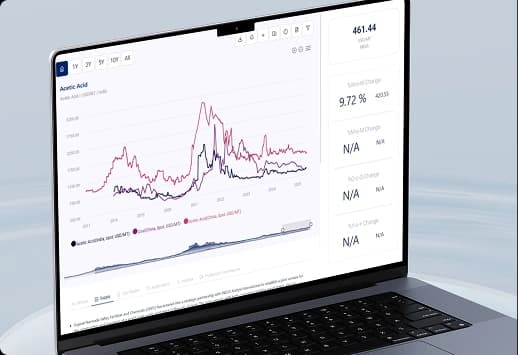
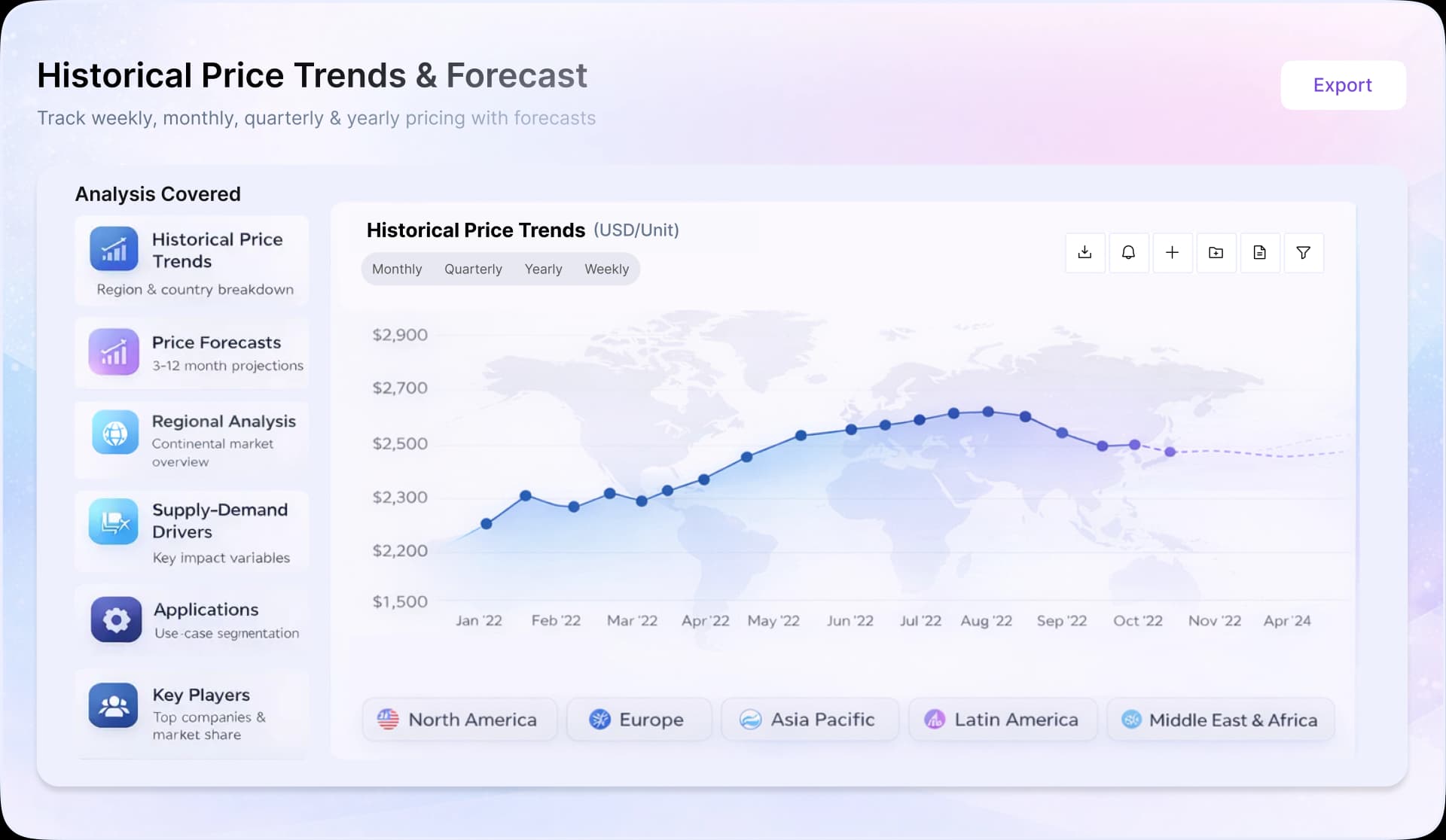
Turn price intelligence into action with the Procurement Resource Database. Log in or subscribe to unlock live price trends, historical charts, supplier databases, cost curves, and analyst-backed insights across chemicals, agriculture, energy, packaging, and more. Use these tools to benchmark your contracts, plan budgets with confidence, and stay ahead of market moves on every product you buy.
Coal Tar Dashboard Inclusions
0
+Products
0
+Regions
0
+Subscriptions
Coal tar prices in 2025 moved in line with feedstock coal trends. Early in the year, coal supply stayed steady, and downstream demand for coal tar from chemical and industrial users held at routine levels. Trading activity remained moderate, and producers operated without major cost pressure. Market sentiment stayed stable, supported by consistent availability and regular procurement patterns.
Through the middle of the year, feedstock coal values weakened. Comfortable inventories and steady mining activity encouraged cautious buying across the coal tar market. Demand from domestic and export buyers stayed measured, and most participants focused on maintaining balanced stock levels. Production ran normally, and logistics flowed without major interruptions. The market stayed quiet, with limited fluctuations in sentiment.
Later in the year, the trend shifted as coal prices strengthened. Tighter availability in some producing regions and firmer requirements from power and industrial users raised upstream costs. This change lifted buying interest in coal tar, and procurement activity increased. Downstream manufacturers stepped up inquiries, and trade volumes improved. Export demand also picked up, supported by better buying sentiment in select regions. The year closed with a more active market, shaped by higher feedstock costs and improved demand signals.
The coal tar market in H2’24 experienced significant volatility driven by shifting industrial dynamics and energy transitions. Chemical and industrial sectors remained key consumers, though demand showed signs of moderation. The market was heavily influenced by steel production trends in major economies like China and India, which saw slight declines in production during this period.
Regional petrochemical and manufacturing sectors continued to utilize coal tar in various applications, including road construction, chemical synthesis, and specialized industrial processes. The market faced pressure from environmental regulations and increasing shifts towards more sustainable alternatives. Steel industry fluctuations directly impacted coal tar production, as it is a byproduct of metallurgical processes.
Asian markets, particularly China and India, remained crucial in determining global coal tar dynamics. The market saw intermittent price fluctuations, with manufacturers adapting to changing industrial demands and environmental constraints. Downstream industries like carbon black production and chemical manufacturing continued to be primary consumers.
Coal tar is a thick, dark liquid that is a byproduct of the carbonization of coal, a process used to produce coke and coal gas from coal. It is composed of a complex mixture of hydrocarbons, phenols, and other organic compounds. Coal tar is produced when coal is heated in the absence of air via pyrolysis. Coal tar prices fell during the first half of 2024 primarily due to the decline in global coal demand and the resultant drop in thermal coal prices. As major coal-consuming countries like China and India significantly increased their domestic coal production, the reliance on imports diminished, leading to an oversupply in the global market.
This oversupply, coupled with weakening demand, particularly in Europe, where the shift towards alternative energy sources and increased gas storage reduced coal usage, exerted downward pressure on coal prices. Since coal tar is a byproduct of the coal industry, its prices are closely tied to coal market dynamics. The decline in coal prices, driven by these global supply-demand imbalances and reduced industrial activity, naturally led to a corresponding decrease in coal tar prices during this period.
Since coal tar is a resultant material of the pyrolysis of coal, coal tar prices closely follow the price trajectory of its feedstock material, coal. The market began on a humble note at the beginning of the third quarter, as the inventories were still able to support the downstream demands subtly. However, as the fuel prices started rising and along rose the coal prices, the coal tar prices also started to incline.
Along with the raw material costs the production prices also surged because of the increase in process charges. The downstream demands were also largely supportive of these market prices. Overall, a rising price trend was witnessed in H2’23.
Coal Tar is obtained by pyrolysis of coal, so the price trend of Coal Tar are closely dependent on the feedstock coal prices. Coal Tar is a product used in downstream processes in various industries, like in road construction for binding, in dyes, paints, pharma, pesticide, and cosmetic sectors.
In the first half of the year 2023, the market felt a little constricted, and consumer sentiments were also observed to be muted. Coal mining practices have always faced ethical questions, but the availability was still in surplus. It was the feeble demands from downstream sectors that affected the Coal Tar market as the industries were trying to switch to greener and sustainable ways. Overall, the Coal Tar market was observed to be bearish.
About Coal Tar
Coal tar is a thick black liquid formed due to heating the coal in the absence of air. It is a mixture of hydrocarbon compounds used in medications, road paving, rubber production, coking and smelting etc.
Coal Tar Product Detail
C14H18ClN5O4
Paints, perfumes, synthetic dyes, photographic material, drugs, explosives, insecticides, pesticides, cosmetics, ointments
JFE, Koppers Industries, etc., RuTGERS, Baoshun
Pitchtar, Fluxol ST, Pyrolized pitch
Regional Coverage
Asia Pacific
Europe
North America
Latin America
Africa
CurrencyUS$ (Data can also be provided in local currency)
Supplier Database AvailabilityYes
Customization ScopeThe report can be customized as per the requirements of the customer
Post-Sale Analyst Support360-degree analyst support after report delivery
Note: Our supplier search experts can assist your procurement teams in compiling and validating a list of suppliers indicating they have products, services, and capabilities that meet your company's needs.
Coal Tar Production Processes
Coal tar is produced as a byproduct of the carbonization or pyrolysis of coal in which the coal is heated in the absence of air. Coal tar is obtained while cooling the gas formed during the destructive distillation of coal.
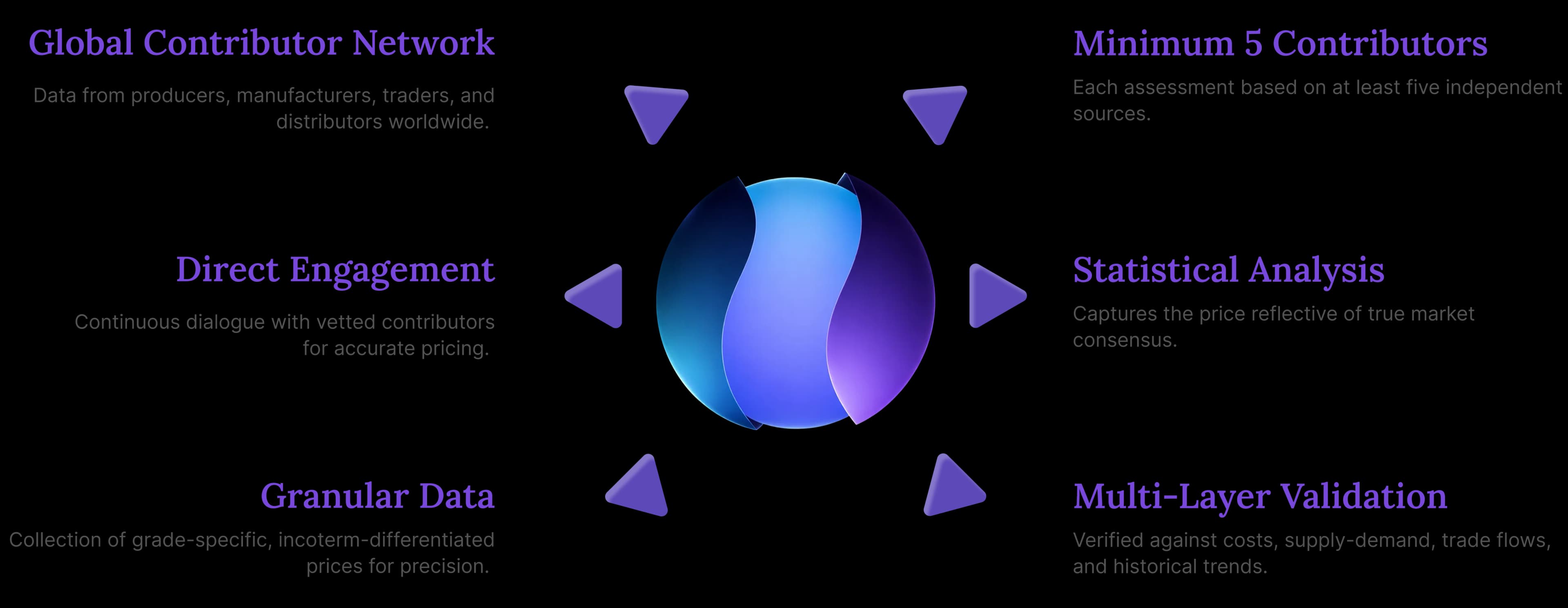
Our Price Analysis Methodology

Schedule A Demo
Experience how Procurement Resource transforms raw material price data into clear, decision ready intelligence. Optimise your performance with reliable, expert market data and analysis. Schedule your demo today to experience a live walk-through where our experts will showcase interactive price charts, forecasted prices, and insights driving the prices for your key commodities, tailored to your workflows. Contact us now!
Our Team will be happy to assist you
We are just a text away
Still Need Help ?
Subscription Plans
Unlock full access to Procurement Resource's price databases, interactive charts, and short-term forecasts for thousands of commodities. Elevate your sourcing decisions by comparing prices across regions, downloading historical data, and layering in analyst-backed insights, all with our flexible plans that scale as your portfolio grows.
Still have any Questions
Contact Us



Price Trend Dashboard - What's Included
Price trends across a diverse portfolio of categories amd products, spanning board to niche chemicas
Coverage extendable to grade-specific chemicals based on procurement requirements
Regular price tracking supported by robust historical datasets
News, policy updates, and key market drivers impacting price movements
Short-term and long-term price outlooks and forecasts
Supply–demand dynamics and capacity-driven market analysis
- Unlimited Users
- Historical Monthly Price
- USA, Europe, APAC Covered
- Monthly Forecast
- 12 Months validity
- News & Events
- 50 Products (Refer Next Page For List)
Related News
View All.webp&w=1080&q=75)

Why Procurement Database

Assistance from Experts
Throughout 2024, the Asian acetoin market experienced fluctuating trends with regional variations. Q1 began with moderate price increases driven by supply constraints from Chang Chun Plastics' maintenance shutdown in Taiwan. Post-S...

Client's Satisfaction
Throughout 2024, the Asian acetoin market experienced fluctuating trends with regional variations. Q1 began with moderate price increases driven by supply constraints from Chang Chun Plastics' maintenance shutdown in Taiwan. Post-S...

Assured Collaboration
Throughout 2024, the Asian acetoin market experienced fluctuating trends with regional variations. Q1 began with moderate price increases driven by supply constraints from Chang Chun Plastics' maintenance shutdown in Taiwan. Post-S...
Global Insights
Throughout 2024, the Asian acetoin market experienced fluctuating trends with regional variations. Q1 began with moderate price increases driven by supply constraints from Chang Chun Plastics' maintenance shutdown in Taiwan. Post-S...