Depreciation Rates Price Trend Analysis 2026: Supply Demand Analysis, Historical Prices, Market Insights, Latest News & Price Drivers
Depreciation Rates Trend 2025
In 2025, depreciation rates showed mixed trends across different countries, reflecting changes in tax policies and investment incentives. In many OECD countries, the overall capital cost recovery slightly decreased due to the phasing out of temporary accelerated depreciation measures introduced during the pandemic. Businesses faced continued pressure from inflation and higher interest rates, which reduced the real value of deductions for long-term investments. Machinery and equipment generally received higher depreciation allowances compared to industrial buildings, which remained less favorable.
Several countries introduced new policies to boost investment. Germany implemented accelerated depreciation for machinery and equipment, allowing companies to write off a significant portion of asset costs each year. Special incentives were provided for electric vehicles and research investments, further increasing the effective depreciation rates for qualifying assets. The United States extended 100% bonus depreciation and offered new rules for domestic factories, making it easier for businesses to recover capital costs quickly.
Analyst Insight
According to Procurement Resource, Depreciation Rates are expected to remain an important tool for promoting investment, with countries likely to continue using targeted incentives to support economic growth and business environment .
Our Clients































Procurement Resource Database
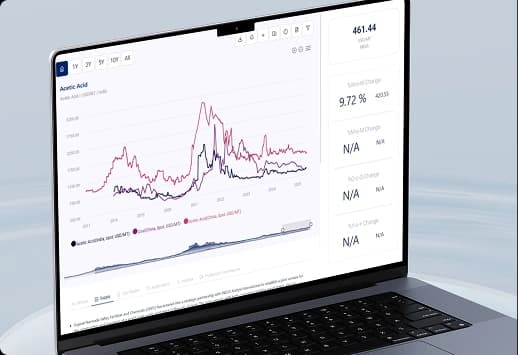
Turn price intelligence into action with the Procurement Resource Database. Log in or subscribe to unlock live price trends, historical charts, supplier databases, cost curves, and analyst-backed insights across chemicals, agriculture, energy, packaging, and more. Use these tools to benchmark your contracts, plan budgets with confidence, and stay ahead of market moves on every product you buy.
Depreciation Rates Dashboard Inclusions
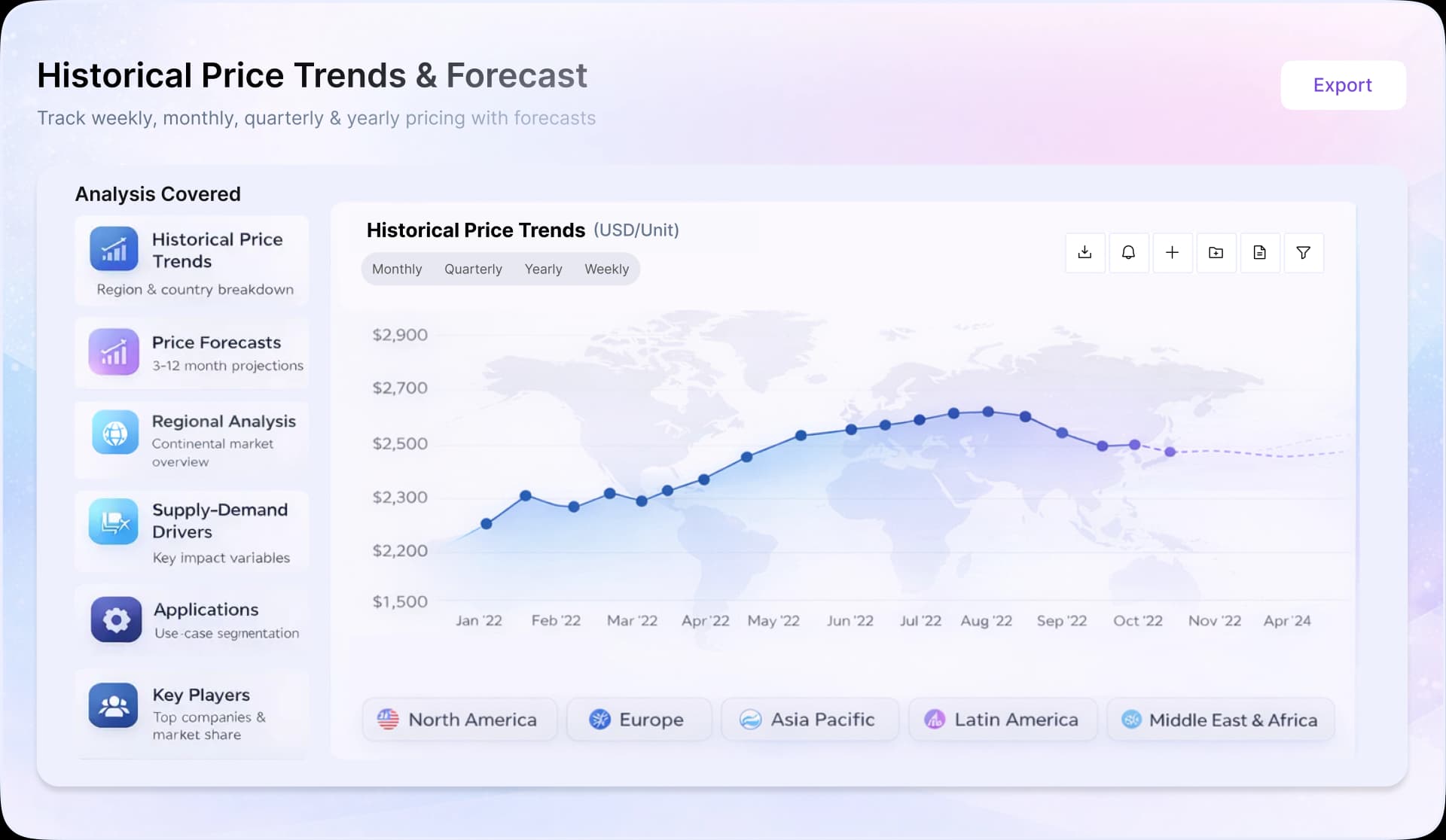
0
+Products
0
+Regions
0
+Subscriptions
In 2024, depreciation rates across countries showed significant variations due to changes in tax policies and economic conditions. In many OECD countries, the overall capital cost recovery slightly declined after the temporary accelerated depreciation measures introduced during the pandemic started phasing out. Businesses faced pressure from higher inflation and interest rates, which reduced the real value of capital allowances. Machinery and equipment generally received better treatment, with higher effective depreciation rates compared to industrial buildings, which remained lower.
Meanwhile, several countries introduced new or extended accelerated depreciation policies to encourage investment. China continued its one-off deduction policy for fixed assets under a certain value, allowing businesses to deduct the entire cost of eligible equipment in a single year. Brazil implemented accelerated depreciation for specific industrial machinery, allowing companies to claim a large portion of the asset’s value immediately and the rest the following year. These measures helped companies improve cash flow and make capital investments more attractive despite the broader economic uncertainty.
Depreciation is used to waver the costs of an asset past its useful life. It is a compulsory reduction in the profit and loss statement of the owner of these depreciable assets. Various tangible (building, machinery, plant, or furniture) and intangible (patents, copyrights, trademarks, etc.) assets have been grouped under the depreciable block. For residential buildings, not including boarding houses and hotels, a 5% depreciation rate is assigned, while for hotels and boarding houses, a 10%, and for temporary constructions like wooden buildings, a 40% depreciation rate is assigned.
For furniture, a 10%; for plants and machinery, excluding motor vehicles, 15-30% depreciation, while for motor vehicles, a 30–45% depreciation depending on their purchase and age is assigned. For computers, proposal software, and other software, 40%, while for books in annual publications, a 100% depreciation is allowed. For intangible assets, a depreciation of up to 25% is allowed.
Depreciation is defined as the reduction in the value of assets over time due wear and tear. As per the Income Tax Act for AY 2022-23, no depreciation will be allowed if an asset is acquired in cash more than 10,000 INR in a day. However, a depreciation claim can be filed if the amount is up to 10,000 INR a day. The government came out with the list of commodities and the depreciation allowance as the percentage of the written down cost.
The building used for residential purposes other than hotels incurs a total of 5% depreciation allowance, whereas machinery and production plants, if not specified otherwise, incur an allowance of 15%. Similarly, moulds used in the rubber and polymer industry incur a depreciation allowance of 30%, while the machinery required in garment processing industries incurs a depreciation allowance of 40%.
Depreciation rates have been significant all through a wide range of products as in temporary constructions (wood structures, furniture, aesthetic designs, etc.). The depreciation incurrence on this class of products have witnessed a significant 40 %. Along the similar lines, electrical fixtures along with fittings and different furniture saw a depreciation dip of around 10 %.
Aeroplanes and Aeroengines incurred a depreciation of 40 %. Moreover, equipment catering to air pollution control such as Felt filtering system, scrubbers, dust collection, etc. incurred a depreciation of 40 %.
About Depreciation Rates
A depreciation rate refers to the percent rate at which an asset is depreciated or deflated across its estimated life. It may also be known as the percentage of a long-term investment done in an asset by a company, which the company can claim as tax-deductible expense across the useful life of the asset.
Depreciation Rates Product Detail
Regional Coverage
Asia Pacific
Europe
North America
Latin America
Africa
CurrencyUS$ (Data can also be provided in local currency)
Supplier Database AvailabilityYes
Customization ScopeThe report can be customized as per the requirements of the customer
Post-Sale Analyst Support360-degree analyst support after report delivery
Note: Our supplier search experts can assist your procurement teams in compiling and validating a list of suppliers indicating they have products, services, and capabilities that meet your company's needs.
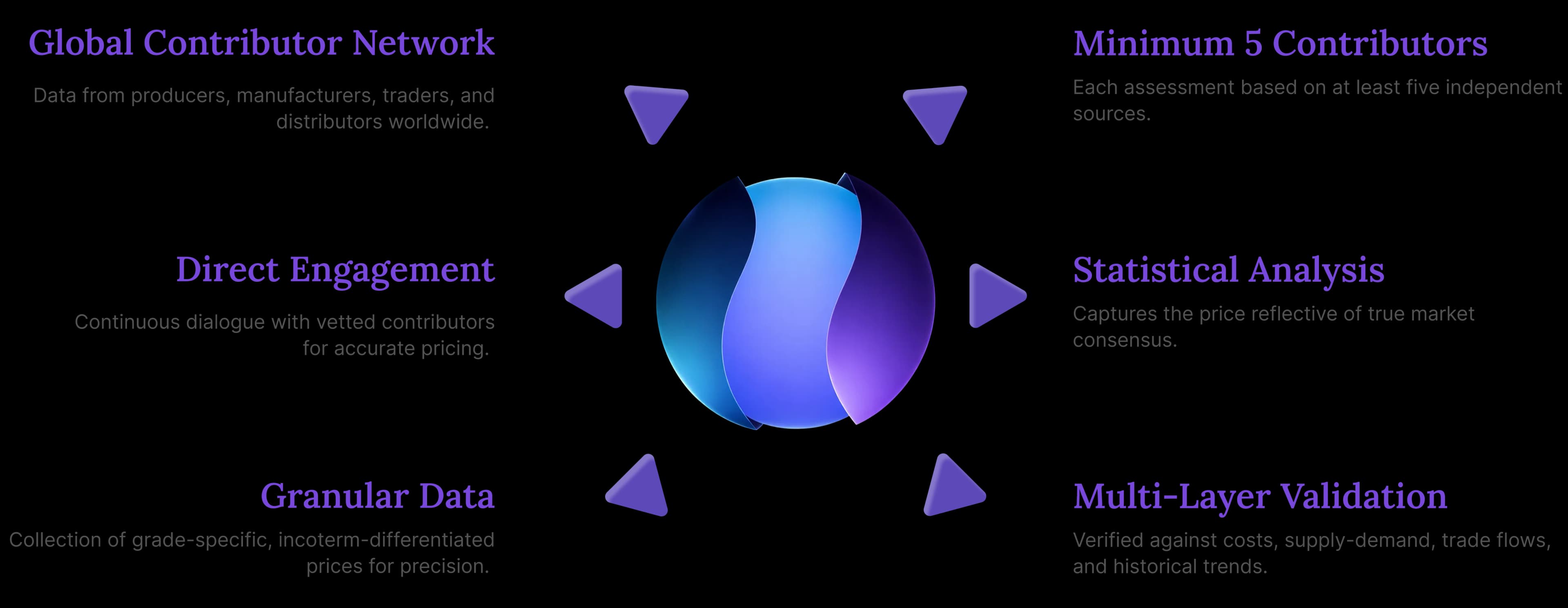
Our Price Analysis Methodology
Schedule A Demo
Experience how Procurement Resource transforms raw material price data into clear, decision ready intelligence. Optimise your performance with reliable, expert market data and analysis. Schedule your demo today to experience a live walk-through where our experts will showcase interactive price charts, forecasted prices, and insights driving the prices for your key commodities, tailored to your workflows. Contact us now!
Our Team will be happy to assist you
We are just a text away
Still Need Help ?
Subscription Plans
Unlock full access to Procurement Resource's price databases, interactive charts, and short-term forecasts for thousands of commodities. Elevate your sourcing decisions by comparing prices across regions, downloading historical data, and layering in analyst-backed insights, all with our flexible plans that scale as your portfolio grows.
Still have any Questions
Contact Us



Price Trend Dashboard - What's Included
Price trends across a diverse portfolio of categories amd products, spanning board to niche chemicas
Coverage extendable to grade-specific chemicals based on procurement requirements
Regular price tracking supported by robust historical datasets
News, policy updates, and key market drivers impacting price movements
Short-term and long-term price outlooks and forecasts
Supply–demand dynamics and capacity-driven market analysis
- Unlimited Users
- Historical Monthly Price
- USA, Europe, APAC Covered
- Monthly Forecast
- 12 Months validity
- News & Events
- 50 Products (Refer Next Page For List)
Why Procurement Database

Assistance from Experts
Throughout 2024, the Asian acetoin market experienced fluctuating trends with regional variations. Q1 began with moderate price increases driven by supply constraints from Chang Chun Plastics' maintenance shutdown in Taiwan. Post-S...

Client's Satisfaction
Throughout 2024, the Asian acetoin market experienced fluctuating trends with regional variations. Q1 began with moderate price increases driven by supply constraints from Chang Chun Plastics' maintenance shutdown in Taiwan. Post-S...

Assured Collaboration
Throughout 2024, the Asian acetoin market experienced fluctuating trends with regional variations. Q1 began with moderate price increases driven by supply constraints from Chang Chun Plastics' maintenance shutdown in Taiwan. Post-S...
Global Insights
Throughout 2024, the Asian acetoin market experienced fluctuating trends with regional variations. Q1 began with moderate price increases driven by supply constraints from Chang Chun Plastics' maintenance shutdown in Taiwan. Post-S...