Diesel Price Trend Analysis 2026: Price Drivers, Historical Prices, Market Insights, Latest News & Supply Demand Analysis
Diesel Price Trend Q1 2026
| Product | Region | Incoterm Basis | Price | Last Updated Month |
| Diesel | USA | FOB | USD 1.43/Liter | April 2026 |
| Diesel | Saudi Arabia | FOB | USD 0.48/Liter | April 2026 |
| Diesel | Russia | FOB | USD 1.10/Liter | April 2026 |
| Diesel | China | FOB | USD 1.25/Liter | April 2026 |
| Diesel | India | FOB | USD 0.97/Liter | April 2026 |
| Diesel | USA | FOB | USD 5.72/Gallon | March 2026 |
| Diesel | Saudi Arabia | FOB | USD 1.91/Gallon | March 2026 |
| Diesel | Russia | FOB | USD 3.77/Gallon | March 2026 |
| Diesel | China | FOB | USD 5.04/Gallon | March 2026 |
| Diesel | India | FOB | USD 3.87/Gallon | March 2026 |
Stay updated with the latest Diesel prices, historical data, and tailored regional analysis
- U.S.–Israeli strikes on Iran effectively closed the Strait of Hormuz, a corridor handling around 20% of global oil and LNG trade, triggering the sharpest geopolitical shock to diesel supply chains since the Gulf War.
- The feedstock impact was immediate and severe: both Brent and WTI benchmarks rose approximately 60% from pre-conflict levels, while OPEC+ output is projected to contract by up to 11 million bpd in Q2 2026, far exceeding the IEA's emergency release of 400 million barrels, equivalent to only around 20 days of normal Hormuz flows.
- Downstream demand recovery, spanning spring agricultural activity in Asia, logistics restarts, and sustained industrial consumption in the West, has collided with a supply deficit expected to persist below pre-crisis levels through the end of 2026.
Asia
China saw the most acute price movement in the region. Diesel prices were about 5.99 RMB/kg (Spot FD) in January and around 7.27 RMB/kg in March, with the February-to-March leg alone representing a rise of 22.8%. The surge was driven by refinery production cuts as crude supply routes were disrupted, seasonally low domestic product inventories, and a wave of pre-adjustment hoarding by traders, gas stations, and end-users ahead of government price revisions.
Spring plowing and post-holiday logistics resumption added genuine demand pressure on top of speculative restocking. India faced indirect but significant pressure as Qatar's LNG exports were disrupted by attacks on the Ras Laffan facility. Industrial gas rationing followed, curtailing output in ceramics, fertilizer, and other energy-intensive sectors, with knock-on effects on diesel consumption in logistics and backup power generation.
Europe
Europe entered the crisis with its weakest energy inventory position in three years, amplifying the pass-through from global crude price increases to domestic diesel costs. Although the region's direct crude exposure to Gulf supply routes is lower than Asia's, the global nature of oil pricing meant that the sharp upward revision to Brent forecasts fed directly into refining input costs and wholesale diesel benchmarks.
Surging natural gas prices, driven by the Qatar LNG disruption and broader Hormuz shipping risk, elevated power generation costs and squeezed industrial margins. The EU's move to pressure Ukraine to reopen the Russian "Friendship" pipeline signals the depth of supply anxiety, effectively relaxing energy sanctions under market duress. Analysts flagged rising inflationary pressure on the euro zone economy as a further drag on diesel demand recovery.
North America
U.S. diesel markets reacted swiftly to the geopolitical shock, with futures surging and retail prices reaching their highest level in over three months. The primary driver was supply risk, with the Strait of Hormuz effectively closed and OPEC+ output facing a sharp contraction, the market priced in a structural supply shortfall that the IEA's strategic reserve release was widely seen as insufficient to offset. Upward revisions to WTI (West Texas Intermediate) crude forecasts directly lifted refining input costs and underpinned diesel price strength across the supply chain.
Analyst Insight
According to Procurement Resource, With global supply projected to remain in deficit through 2026 and the IEA release covering only a fraction of displaced Hormuz volumes, diesel prices are unlikely to retrace significantly unless the conflict de-escalates or OPEC+ reverses its output cuts, both of which remain uncertain in the near term.
Related Report
Our Clients































Procurement Resource Database
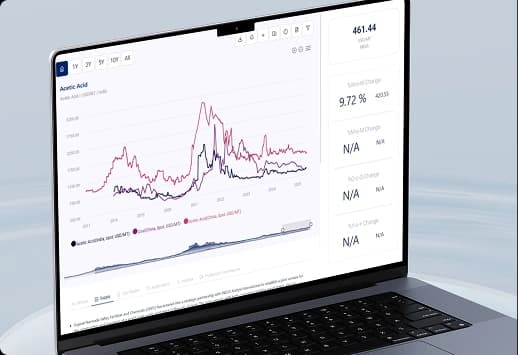
Turn price intelligence into action with the Procurement Resource Database. Log in or subscribe to unlock live price trends, historical charts, supplier databases, cost curves, and analyst-backed insights across chemicals, agriculture, energy, packaging, and more. Use these tools to benchmark your contracts, plan budgets with confidence, and stay ahead of market moves on every product you buy.
Diesel Dashboard Inclusions

0
+Products
0
+Regions
0
+Subscriptions
| Product | Category | Region | Price | Last Updated Month |
| Diesel | Operating Costs, Logistics and Utilities | China | 905 USD/MT | October 2025 |
| Diesel | Operating Costs, Logistics and Utilities | China | 879 USD/MT | December 2025 |
Stay updated with the latest Diesel prices, historical data, and tailored regional analysis
Asia
The Asian diesel market during the fourth quarter demonstrated volatile price movements. The prices were about 905 USD/MT (Spot FD) in October and around 879 USD/MT in December in Chinese markets. The period opened with prices declining through early autumn as global oversupply concerns and OPEC+ production increases weighed on sentiment. This downward pressure proved temporary as prices recovered through mid-quarter, advancing amid improved domestic demand from agricultural activities and logistics requirements.
The late-quarter period witnessed a reversal as fundamental weaknesses reasserted dominance, with prices declining. Crude oil market fluctuations directly influenced refined product dynamics, with cost support weakening as international benchmark prices retreated. Supply conditions remained stable with refinery operating rates maintaining consistent levels, though output adequacy limited upward potential.
Demand showed differentiation across sectors, with traditional diesel consumption experiencing competition from new energy alternatives and liquefied natural gas heavy-duty vehicles. Gasoline market weakness from accelerating new energy vehicle adoption created spillover effects on refined product sentiment, constraining price advancement despite periodic support from seasonal agricultural consumption and year-end logistics activity.
Europe
European diesel markets experienced a fluctuating trajectory during the fourth quarter driven by supply disruptions and geopolitical developments. Refinery margins widened to twelve-month highs as multiple supply constraints tightened available product volumes. New sanctions targeting Russian crude oil processing in countries like Turkey and India, combined with existing import restrictions, reduced accessible supply sources.
Ukrainian military operations targeting Russian refining and petroleum export infrastructure further curtailed fuel availability, forcing consumers to compete for alternative supplies. A major refinery outage at Kuwait's facility compounded supply tightness during an active Middle Eastern maintenance season, while operational uncertainties at a large Nigerian refining complex added Atlantic Basin pressure. Diesel crack spreads increased, with pricing at major European trading hubs advancing as markets sought replacement sources.
North America
North American diesel markets demonstrated an oscillating trend during the fourth quarter. Geopolitical developments related to Eastern European conflicts drove upward momentum as refinery and export infrastructure disruptions affected global supply balances. Domestic retail prices advanced from earlier quarterly levels, while futures markets exhibited heightened volatility.
Refinery profit margins improved as crack spreads expanded. Strong export demand supported domestic price levels as refiners maintained shipment volumes to international markets, balancing consistent refinery utilization against tightening global availability and seasonal demand considerations. However, by the last month of the quarter the prices started to normalise as the demand form the downstream sectors softened.
Analyst Insight
According to Procurement Resource, diesel prices face mixed directional pressures as supply disruptions from geopolitical events and refinery outages provide upward support, though anticipated seasonal demand weakness and potential resolution of supply constraints may limit price advancement.
| Product | Category | Region | Price | Last Updated Month |
| Diesel | Operating Costs, Logistics and Utilities | China | 955 USD/MT | July 2025 |
| Diesel | Operating Costs, Logistics and Utilities | China | 906 USD/MT | September 2025 |
Stay updated with the latest Diesel prices, historical data, and tailored regional analysis
Asia
In Asia, diesel prices followed a downward trajectory over the third quarter. The period began with relatively stable levels supported by regional demand from transportation and industrial sectors. However, as crude oil values softened due to increased global supply, diesel prices gradually declined. In China, the fall in prices was more evident as domestic refiners maintained steady output while consumption did not expand in line with earlier expectations. The prices were about 955 USD/MT (Spot FD) in July and around 906 USD/MT in September. Seasonal refinery maintenance also limited procurement activity in parts of the region, keeping spot trading subdued. By the latter part of the quarter, persistent oversupply and reduced buying interest from key downstream users shaped the overall weaker tone in the Asian market.
Europe
Diesel prices in Europe reflected similar patterns, with the quarter marked by gradual declines. The market faced continued pressure from elevated refinery production and steady inflows of imports, which outweighed moderate consumption levels. Economic conditions across several European economies remained subdued, limiting diesel demand from industrial and transport sectors. The availability of crude oil at lower values also contributed to easing diesel prices, as refiners passed through the cost impact. Geopolitical developments in Eastern Europe added intermittent volatility, but these factors provided only short-lived support. As the quarter progressed, diesel inventories in the region remained comfortable, further reinforcing the downward adjustment in market sentiment.
North America
In North America, diesel markets moved in line with global patterns and resembled the trends seen in Asia. Prices recorded a steady fall through the quarter, weighed down by a combination of higher refinery runs and muted demand growth. Distillate stockpiles built up as refiners maintained output, while agricultural and industrial consumption did not expand significantly. Occasional disruptions in supply chains provided temporary price support, but overall, the balance between supply and demand leaned toward surplus. Refinery maintenance schedules toward the end of the quarter reduced throughput in some areas, yet the impact was insufficient to shift the overall trend. Market participants noted that declining crude oil values added further pressure, reinforcing the downward course of diesel prices across the region
Analyst Insight
According to Procurement Resource, diesel prices are expected to remain under pressure in the coming weeks, guided by continued supply strength. Any firming will likely depend on a pickup in seasonal demand and adjustments in refinery operations.
| Product | Category | Region | Price | Last Updated Month |
| Diesel | Operating Costs, Logistics and Utilities | China | 916 USD/MT | April 2025 |
| Diesel | Operating Costs, Logistics and Utilities | China | 953 USD/MT | June 2025 |
Stay updated with the latest Diesel prices, historical data, and tailored regional analysis
Asia
In Q2 of 2025, in Asia, the diesel market trend continued on an unstable pricing path. The prices were about 916 USD/MT (Spot FD) in April and around 953 USD/MT in June in the Chinese markets. At the beginning of the year's second quarter, diesel prices in Asia doubled down, mainly influenced by the large fall in global crude prices. The early plunge was associated with worries about weakening world demand for oil, particularly amid heavy tensions in trade and US tariffs imposition by Washington. The soft demand scenario in international markets weighed on diesel prices. But by the second half of the quarter, the market witnessed a sharp revival with fuelled increases in geopolitical tensions, especially from the Middle East. This weighed on concerns about possible disruption in international oil supply, which translated into firming diesel prices. The price increase was brief, as geopolitical issues faded and the market settled, recording the general global patterns of crude oil prices.
Europe
In Europe, also, diesel prices trended similarly erratically during Q2 of 2025. Similar to Asia, the initial half of the quarter experienced a price decline due to a poor economic outlook and uncertainty in global trade, mainly driven by the U.S. tariff dynamics. The deteriorating demand for crude and the consequent lower price directly affected diesel pricing. Nevertheless, the market registered a substantial price hike due to geopolitical events, particularly the increased tensions between Iran and the U.S. The threat of oil supply disruptions in the region caused a short-term price increase in diesel, which was a response of the global oil market. This boost, however, proved to be transient since the market caught up towards the end of the quarter, after reactions from major world oil producers such as OPEC+ and changes in market mood around supply stability.
North America
The North American diesel market experienced diverse price movements in Q2 of 2025. The beginning of the quarter registered a dip in diesel prices, as with global patterns, with soft economic signals and slow oil demand recovery being the key drivers. Tariffs further added to the uncertainty that rattled market confidence. However, during the course of the quarter, prices started to rise, particularly after the escalation of tensions in the Middle East. The U.S. military strike on Iranian nuclear installations caused prices to jump temporarily, as markets were expecting possible disruptions in oil supply. In addition, strong domestic production levels in the United States and more constrictive refining margins added to the price instability. Diesel prices surged further, although the rise was not sustained, as global market conditions adjusted to the geopolitical situation.
| Product | Category | Region | Price | Last Updated Month |
| Diesel | Operating Costs, Logistics and Utilities | China | USD 953 /MT | January 2025 |
| Diesel | Operating Costs, Logistics and Utilities | China | USD 945 /MT | March 2025 |
Stay updated with the latest Diesel prices, historical data, and tailored regional analysis
Asia
The Chinese diesel market witnessed sharp fluctuations in Q1 of 2025. The prices were about 953 USD/MT (Spot FD) in January and around 945 USD/MT in March. The trend began with an obvious rise in diesel prices, based on positive international oil price movements, fueled by various forces like geopolitical tensions and surging winter demand. Later in the quarter, though, crude oil prices took a downturn influenced by higher US crude oil inventories and geopolitical tensions. The market experienced a decline in diesel prices due to decreasing domestic refinery operating rates and weak export demand that stalled any price increases. Across the quarter, cold weather conditions weighed on diesel demand in the northern part of the country, while logistical and industrial segments witnessed slowing activity, which put additional downward pressure on prices. Despite these setbacks, the reduced crude oil market costs helped to provide a cushion, leading to moderate price movements in this quarter. The arrival of spring saw some diesel demand improvement being expected, thus creating cautious optimism for the subsequent months.
Europe
Diesel prices in Europe also trended the same way as in Asia, seeing an initial increase in consonance with the increase in crude prices at the beginning of the quarter. Geopolitical tensions and cold weather increased fuel consumption, particularly in colder climates, placing upward pressure on diesel prices. But as the quarter progressed, crude oil prices started to weaken, and refinery production tapered off due to a combination of reasons, such as the instability of the global supply chain and higher tariffs levied by the US. This resulted in diesel prices falling, and the prices decreased on a downward basis during the latter part of the quarter. Additionally, as the winter season concluded, normal seasonal demand for transportation fuel and heating oil started to decline. Although the geopolitical considerations still influenced market sentiment, the near-term prospects for diesel in Europe were unclear on account of the offsetting influences of reduced demand and volatile crude oil prices.
North America
North American diesel markets conformed to patterns in other markets, with prices initially ranging upward on account of the combined influences of mounting crude oil costs and enhanced winter demand. The OPEC+ production cuts and sanctions on Russia contributed to the strength of the crude oil market, which in turn provided upward pressure on diesel prices in early 2025. However, the latter part of the quarter saw a reversal in this trend, with crude oil prices falling, driven by factors such as high US crude oil inventories and trade policies. This trend resulted in a fall in diesel prices, which were also influenced by reduced diesel demand from the industrial and transportation sectors as a result of cold weather and operational slowdown. At the end of the quarter, the market indicated a sign of recovery as warmer temperatures and a revival in industrial activity presented a balanced picture for diesel demand.
| Product | Category | Region | Price | Last Updated Month |
| Diesel | Operating Costs, Logistics and Utilities | China | USD 956.12 /MT | September 2024 |
Stay updated with the latest Diesel prices, historical data, and tailored regional analysis
Asia
In Asia, particularly in China, the diesel market grappled with persistent demand challenges. A notable shift towards alternative fuel sources, particularly liquefied natural gas (LNG), has altered the landscape for diesel consumption. The Chinese economy faced headwinds from a slowdown in key sectors, which has historically driven diesel demand for logistics and transportation. This decline has prompted a significant reevaluation of diesel consumption patterns.
The introduction of LNG-powered vehicles has further displaced diesel demand, as evidenced by rising sales figures for LNG trucks. Consequently, Chinese refineries have responded to the decreased demand by adjusting output levels. The overall sentiment in the Asian diesel market indicated a cautious outlook, with prices under pressure as market participants sought to navigate the implications of changing fuel consumption trends and economic uncertainties.
Europe
In Europe, diesel prices experienced a complex interplay of factors that contributed to fluctuating price movements. The region saw an increase in petroleum product exports, providing some support to diesel pricing. However, the market was also characterized by regional oversupply, driven by high refinery outputs that often exceeded local demand. European refineries maintained robust production levels, which exerted downward pressure on prices.
Additionally, maintenance activities at select refineries influenced local supply dynamics, with some areas experiencing temporary reductions in availability. The net effect of these competing influences created a mixed price environment across European countries. While some markets saw brief upticks in prices due to supply adjustments, the overarching trend indicated a cautious stabilization as industry players monitored global oil market fluctuations and regional consumption patterns.
North America
In North America, the diesel market displayed a trend of relative stability, albeit with underlying volatility influenced by crude oil price fluctuations. The U.S. market saw a consistent decline in diesel prices, supported by returning refinery premiums to pre-pandemic levels. As summer transitioned to fall, the market faced shifts in demand associated with seasonal patterns.
Lower crude oil prices played a pivotal role in shaping diesel pricing dynamics, allowing for a degree of price moderation in many areas. However, regional disparities remained pronounced, with some states experiencing higher prices due to localized market conditions. This regional variance was further compounded by refinery operations and maintenance schedules, affecting supply availability in certain markets. The North American outlook remained cautious as industry stakeholders kept a close eye on crude oil trends and refining capacity, which would ultimately determine the direction of diesel prices in the coming months.
Asia
The price trend of diesel in Asian countries was shaped primarily by the changing reforms and crude oil market. In Malaysia, after remaining almost stagnant in the early phase of the second quarter, diesel prices inclined by a noticeable margin towards the end. This surge was the direct consequence of the restructuring of the government’s fuel subsidiary system. This was initiated in response to combat fuel smuggling issues and reduce the fiscal burden on the economic sector.
In China, on the other hand, the prices of diesel remained on the lower end of the pricing spectrum. The market initially struggled with the weak cost support from the crude oil sector and reduction in risk premiums as the tensions in the Middle East started to ease out.
Although it was expected that the May Day holiday season might spur the demand for the commodity, the market moved in the totally opposite direction. Therefore, under these situations, the production units lowered their load in order to prevent overstocking, which bore fruitful results towards the end of the quarter. The Dragon Boat Festival also brought some positive changes in the demand for the commodity, suggesting some improvements in the pricing quotations in adjacent quarters.
Europe
The European diesel market is one the biggest consumers of diesel in the world and relies majorly on imports from the US, APAC, and Middle East. With the advent of the second quarter of 2024, the traders of the commodity witnessed a slow demand and rising flows into the region, particularly from Asia Pacific and the US.
The sluggish behavior of the market was further influenced by the additions in global refining capacities, adding onto a substantial number of stockpiles and suppressing the overall momentum of the market. However, as the end phase of the quarter approached, the demand for diesel picked up, supported by increased transportation activities, raising the trader’s expectation for the second half of the year.
North America
In the second quarter of 2024, U.S. diesel prices were pressurized by weak demand, influenced by stagnant manufacturing output, mild overseas inquiries, and a warmer winter, reducing heating oil usage. Diesel demand in the U.S. plummeted to its lowest seasonal level in 26 years in the first quarter only, and the trend continued in the second quarter as well, reflecting a significant economic slowdown.
The Energy Information Administration (EIA) reported a notable drop in distillate fuel supply, with consumption down about 5% during the first five months of the year compared to 2023. Despite some recovery in manufacturing output in May, overall industrial activity remained mixed and below the expectations of the traders. Additionally, the rise of renewable diesel has substituted larger volumes of petroleum-derived distillates, further impacting the demand for the commodity.
| Product | Category | Region | Price | Last Updated Month |
| Diesel | Operating Costs, Logistics and Utilities | USA | USD 4.00/Gal | March’24 |
| Diesel | Operating Costs, Logistics and Utilities | Asia | 1005 USD/MT | January'23 |
| Diesel | Operating Costs, Logistics and Utilities | Asia | 1025 USD/MT | March’24 |
Stay updated with the latest Diesel prices, historical data, and tailored regional analysis
Asia
In the APAC region, diesel prices were observed to be oscillating throughout the said period of Q1’24. In China, diesel prices first dipped in the initial half of the quarter owing to the deteriorating consumption; however, they picked up again in the latter half of the quarter. In the Chinese market, the average monthly prices went from about 1005 USD/MT to around 1025 USD/MT in March’24.
In India however, the fuel prices have taken a little political turn this time. Amidst the ongoing central election season, the prices remained confined and even dropped by a few numbers in some states despite the rise in crude oil prices. Diesel and petrol are the most commonly used automobile fuels in India, especially for powering heavy vehicles diesel is used capaciously. Thus, the prices remained confined and wavered within narrow limits in the Indian markets during the first quarter of 2024.
Europe
The diesel price trend in the European markets was not much different from the Chinese market, as the prices were observed to be surging here as well. Amidst the ongoing Russia and Ukraine war, which entered its third year this year, Ukraine launched drone attacks on Russian oil refineries, mainly Lukoil Nizhny, Rosneft Ryazan, and Surgut Kirshi. It caused partial operational shutdowns. Consequently, the oil output from the OPEC+ nation tumbled by around 7%. The European Commission has proposed a carbon border tax on imports, which could impact diesel prices further. Overall, an inclining price graph was witnessed in Q1’24.
North America
The oil market situation was not much different in the American market than in the other major global markets. In the U.S. market, however, the diesel prices were tugged between conflicting market drivers. Traders expect both the U.S. Federal Reserve and the European Central Bank will cut interest rates this year which would stimulate the rapid upsurge in costs.
As a result, the inventories will likely fall below the average levels, which will further tighten the supply situation. Furthermore, the closure of LyondellBasell’s Houston refinery and the conversion of Phillips 66’s Rodeo refinery to renewable diesel production also influenced the market dynamics. However, other supply additions are likely to alleviate these supply issues in the regional market in the long term.
| Product | Category | Region | Price | Last Updated Month |
| Diesel | Operating Costs, Logistics and Utilities | USA | 125 USD/MT | Nov-2023 |
| Diesel | Operating Costs, Logistics and Utilities | China | 1043 USD/MT | Dec-2023 |
| Diesel | Operating Costs, Logistics and Utilities | China | 1080 USD/MT | October’23 |
Stay updated with the latest Diesel prices, historical data, and tailored regional analysis
Asia
Diesel prices saw swift variations throughout the fourth quarter of 2023 in the Asian markets. Initially, at the beginning of the quarter in October, the diesel prices built upon the downfall in the previous month and as a result, the Chinese market saw a fall of about 3% in the monthly average spot prices from October to November. However, by the year-end, the suppliers hinted at a swift price rise since the feedstock crude oil also witnessed shifts around this time. Other than the momentary fluctuations, an overall fall in diesel prices was observed in the fourth quarter. In the Chinese market, the average diesel prices went from around 1080 USD/MT in October’23 to about 1043 USD/MT in December’23. Overall, mixed market sentiments were observed.
Europe
The quarter began on a weaker note as the prices observed slight downfalls in the first half of the said quarter. However, as the energy consumption increased in the peak winter months and holiday season primarily for heating purposes, the prices shifted gears and slowly started moving upwards. Conclusively an uneven price graph was observed for diesel in the European market.
North America
The North American market trends for diesel prices remained wavering at the lower side since the feedstock crude oil prices weakened throughout the discussed span. A reduction in offshore offtakes created a supply glut for the American domestic market, causing the prices to remain southwards; the diesel prices averaged around 125 USD/MT in November’23.
Asia
The Asian diesel industry witnessed a period of rapid surges during the third quarter of the year 2023. The most important factor driving these growing price trend was the feedstock crude oil costs. Since the concessions offered by Russia to the major Asian economies like India and China in regard to crude oil was over, the prices of crude oil inclined thereby, causing the diesel prices to rise. Further, the industrial revival in China post pandemic also boosted diesel consumption for various production purposes.
In the Chinese domestic market, the average monthly spot prices for diesel went from around 991 USD/MT to about 1104 USD/MT in September’23, exhibiting an approximate quarterly rise of about 11%. Overall, an elevated price graph was observed for diesel during the said time period of Q3’23 in the Asian diesel markets.
Europe
The European diesel market experienced a moderate run during the concerned time period. Since the economic consequences of the Russia and Ukraine conflict started subsiding in the region, diesel prices also started normalizing. However, the inflation in America was influencing the European oil market, so the diesel prices fluctuated, tilting upwards for the span of July to September’2023.
North America
The American market experienced fluctuations in the diesel price graph. With the tribulations in the banking sector, the industries were struggling. The diesel market followed the global trend as the monthly average prices rose from around 110 USD/barrel in July ’23 to about 130 USD/barrel in September’23, showcasing an approximate inclination of about 18%.
Asia
Diesel experienced mixed price trend during the first half of the year 2023, but prices mostly wavered on the lower side of the price curve. In the Chinese domestic market, the prices surged in the first month of the first quarter, from January’23 to February’23, as the markets were busy preparing for the Chinese Lunar New Year. But as the holidays arrived and the economic activities shut down, the prices started depreciating and continued in the same manner till the end of the second quarter, with falling lowest in June’23. An overall decline of about 8% was observed as the average diesel prices (Spot FD) stood at around 987 USD/MT in June.
Europe
After a wild run in 2022, the diesel prices stabilized a little in 2023; prices oscillated in a very narrow range, tilting towards the lower side. Per barrel prices averaged at around 1.85 USD during the first quarter. Price normalization was majorly attributed to the lowered crude oil prices, facilitated some economic recovery, and helped combat the high inflation levels.
North America
Following the global price trend, diesel prices declined in America, too, with prices falling from about 130 USD/MT in January’23 to about 108 USD/MT in June’23, witnessing a decline of about 16%. Prices declined because of the oversupply at the beginning of the year owing to the high anticipated demands in the winter season.
Asia
The price trend for diesel showed an oscillating trend in the third quarter of 2022. The prices were majorly affected by the rising inventory levels and reduced offtakes during the initial months of the quarter. The reduction in operation costs, reduced demand, and restricted trade activities affected the third quarter negatively. The prices recovered during the mid-phase of the fourth quarter, as the demand from the agriculture sector and supply shortage shifted the trend upwards.
Europe
The price trend of the Asia-Pacific market were mirrored in the European region. In Q3, the diesel prices declined due to the falling crude oil prices, however, they recovered significantly with the crude oil prices stabilized in the middle of the quarter. The end months of this quarter were somehow not favourable as they witnessed a decline in the number of offtakes. The fourth quarter was in favour of surging prices due to the high upstream prices and slightly increased input costs.
North America
The diesel prices fluctuated in the North American region as the rise in inflation, high demand from the global importers, and fall in inventory levels supported the high trend. However, in the mid-months of the fourth quarter, the price trend shifted due to the decrease in demand from the importers and decreased consumption from the logistics and power sectors. The prices inclined in the end months owing to the reduction in refinery rates.
Asia
Owing to the soaring crude oil prices globally, the Indian Finance Minister announced a 6-rupees reduction in diesel prices to stabilize the domestic market. Diesel prices in India vary from state to state depending on freight charges, local taxes, and excise duty levied by the central government. Towards the end of the second quarter, diesel prices stood at 97.28 INR/litre in Mumbai, whereas in Delhi, they stood at 89.62 INR/litre.
The price in the Chinese domestic arena averaged around 8400-8600 RMB/MT. As crude oil supply was affected, price trend of oil products are anticipated to increase in the upcoming period.
Europe
The ongoing Russian invasion of Ukraine has immense effects on the cost of commodities globally. The soaring crude oil prices amidst retaliatory sanctions tightened supply caused the crude oil and allied products prices to explode, triggering an energy crisis in the European domestic arena. In June 2022, the price of diesel in the UK soared the most, averaging around 196.7 pence/litre in Scotland and Wales.
North America
In line with the European counterpart, the price of diesel in the USA reached an all-time high since the 2008 global crisis. Towards the end of the said quarter, the price averaged 5.783 USD/gallon. The US sanctions against Russia and the heightened freight charges are some of the reasons behind this maximum.
Another reason contributing to this high price is the availability of gasoline at comparatively lower prices. This price difference is due to the tax benefits with the purchase of gasoline, making it more competitive domestically.
Asia
In March 2022, fuel prices were raised for the ninth time in the previous ten days. Diesel prices in Delhi were raised by 80 paise per litre, to roughly 93.07 INR/L, up from 92.27 INR/L previously. Diesel prices in Mumbai rose to 100.94 INR/L. India relies on imports for 85% of its oil needs, and domestic petrol and diesel prices are linked to international rates.
Europe
Diesel prices in Europe had been expected to climb for some time due to new EU laws and penalties on carbon emissions, but the Ukraine invasion and supply constraint have already pushed them to record highs in the United Kingdom and the European Union. The EU is now looking for alternative sources of fuel to weather the storm. Europe is coordinating efforts to enhance diesel trade with countries in the Middle East and Asia.
North America
According to the Energy Information Administration, diesel prices increased on average by 74.5 USD/USG in the week ending 7 March to 4.849 USD/USG, marking the ninth consecutive week of increases and breaking the previous high of 4.764 USD/USG set during the week of 14 July 2008.Prices are likely to continue rising, as US has suspend imports of Russian crude and petroleum products as a result of Russia's invasion of Ukraine.
Asia
In Q-4 2021, average diesel prices in the country were 91.80 INR/L. In October 2021, diesel reached an all-time high, with an average cost of 100.18 USD/L. Prices stayed relatively stable in the fourth quarter, from November 2021 to February 2022, but are still at a high of 90.51 USD/L. Despite worldwide oil price swings, prices held steady throughout the months due to oil firms' choice not to adjust tax rates in the country.
India further decreased the GST on ethanol designed for blending with gasoline from 18%to 5% in December 2021. This was done to reduce the country's reliance on imported crude oil. India currently imports roughly 85% of its oil from other countries to meet domestic demand.
North America
In February 2022, diesel prices in the United States reached a seven-year high of 0.986 USD/L, a staggering 36% increase since December 1, 2021. This price increase halted a nearly equal drop that began in late October. This happened because the viral pandemic's ever-changing state wreaked havoc on both supply and demand, the most recent example being the Omicron strain.
It was accompanied by Russia's military presence along the Ukrainian border, which sparked worries of an impending invasion and its influence on world energy supply. Russia exportsd a significant amount of oil and gas to the rest of the world. If tensions rise to the point of invasion, the supply could be shut off. If Russia invades Ukraine, the US and its European allies would almost certainly retaliate with economic penalties. This might result in global oil and gas shortages, as well as, most likely, higher energy prices.
Europe
Crude oil prices rose in the fourth quarter of 2021, and the situation remained tense because of mounting COVID-19 cases in Europe and the potential release of Japanese and Indian oil reserves. It raised concerns about oversupply as well as sluggish demand.
Concerns that tensions in the Middle East and Europe could spill over into energy markets, reducing supplies from key crude producers such as Russia and the United Arab Emirates, were among the causes fuelling the surge. Another cause was the imposition of a CO2 tax as a result of new climate protection rules in Europe. All these factors were responsible for the increase in the price of the fuel.
Latin America
Brazil increased the price of the fuel to 3.61 BRL/L from 3.34 BRL/L due to higher crude oil prices globally. Fuel costs in Brazil are rising rapidly, with a year-on-year increase of about 44% at the pump in 2021. The administration is debating whether or not it is necessary to go electric with vehicles so as to reduce the dependence on fuels.
Asia
Diesel prices in India were increased 35 times between the end of Q-2 (May) and the beginning of Q-3 (July). The price climbed by 7-8 INR/L in absolute terms. The state-run oil marketing companies had increased the rates due to increasing international crude oil rates. In 2021, international crude oil prices soared to a three-year high after the Organization of Petroleum Exporting Countries and their Allies (OPEC+) failed to negotiate an important agreement on global crude oil output levels. As global demand soared during the pandemic, OPEC+ countries were attempting to adopt an oil output policy to alleviate oil production.
The nations, however, were unable to strike an agreement, causing Crude Oil to cross $77 per barrel for the first time since late 2018. While Saudi Arabia and Russia, both members of OPEC+, were in favor of boosting oil production by 4,00,000 barrels per day from August 2021 through the end of the year, the UAE rejected the plan. In the second half of October, prices in China reached 8,023.2 RMB/MT (USD1,254), up 64.4% year on year. Due to rising new demand as an alternate fuel amid China's coal shortage, diesel became more expensive. A key influence was also the rise in global crude oil prices.
North America
Diesel prices in the United States went from 2.64 USD/gal in January to 3.194 USD/gal in March in the first quarter of 2021. Because of growing crude oil costs, it continued to rise steadily throughout the year. In November 2021, the price of diesel in the United States was 3.73 USD/gal. Crude oil prices rose as a result of rising COVID-19 vaccination rates, reducing pandemic-related restrictions, and a booming economy, resulting in worldwide petroleum demand outpacing supply.
The OPEC+ crude oil production cuts that began in late 2020 were mostly to blame for the slower output growth. In 2021, crude oil production in the United States fell by 0.1 million barrels per day (b/d) compared to 2020 and by 1.1 million b/d compared to 2019. This drop was partly due to cold weather in February and hurricanes in August, but it was primarily due to a drop in investment among US oil producers since mid-2020.
Europe
In France, in Oct 2021, the average price of a litre of diesel had risen to EUR 1.66. Even in Italy, prices reached an all-time high. The high diesel and petrol prices in France and Italy were influenced by the changing footprint of the international market, such as China's greater usage of these fuels to generate electricity, reducing the country's reliance on foreign resources. The lifting of lockdown in countries throughout the world had also put a strain on supply and demand alignment which led to such expensive results.
Latin America
As global oil prices rose in response to the deployment of COVID-19 vaccinations, Brazil's state-owned oil corporation Petrobras raised local diesel prices at the refinery gate in an attempt to preserve import parity. In March 2021, Petrobras increased the wholesale diesel price by 5.5%, bringing it to an average of 50 cents a litre.
It was done to bring domestic fuel prices in line with international markets, ensuring that the Brazilian market is never short of fuel. The price reached an all-time high in July 2021, despite Brazil's greatest consumer price inflation rate in nearly five years. It increased by 3.7% to 2.81 BRL/L. This was in response to the surge in international oil and oil product prices. In October 2021, the diesel price increased by 9.15%, rising to 3.34 BRL/L from 3.06 BRL/L in the previous month.
Asia
In India, diesel prices saw a declining trend in the first two quarters, from Jan 2020 to June 2020. The cost abated from 68 INR/L to 62 INR/L. However, from July lockdowns eased and the price rose almost dramatically. It was costing Indians a whooping 80.73 INR/L in July. It was remarkable since, the same year, global crude oil prices fell to an 18-year low as oil demand fell precipitously owing to the Covid-19 outbreak in 2020. The advantages of low crude oil costs, however, were not passed on to Indian citizens. Due to hefty taxes imposed by the central government and states, Indians paid more for fuel despite low international crude oil prices.
The government justified the high excise rate on diesel by claiming that it needed to make up for lost revenue during the pandemic. China also raised its domestic prices by 110 RMB/MT in June 2020, for the first time that year, after decreasing it three times to maintain prices in line with falling world oil costs. It was done to assist state-owned refineries in increasing their utilization rates and recouping their losses. The argument behind this decision was that state-owned refineries had been running at lower rates than their independent peers over the previous three months, and a greater run rate would enable them to earn more profits from the oil demand rebound.
North America
Due to the continued tensions between Washington and Tehran, fuel prices in the United States spiked in early January 2020. At the start of the year, the average retail price of diesel was roughly 3.069 USD/gallon. The rates declined in the third week of the month as global crude oil prices fell following the outbreak of coronavirus.
A declining trend ensued in the US from January to May 2020, when the price was at an all-time low of 2.386 USD/gal. Prices remained relatively stable throughout the year and only began to climb in November 2020. The world was finally waking up from its state-sanctioned coma and the drive to reclaim the lost time and energy was at its apex. In November, the price of fuel was 2.283 USD a gallon.
Europe
While diesel was cheaper in practically every country of Europe in the early months of 2020, the price of fuel steadily increased by the end of the year. Diesel was the most expensive in Sweden (1.5 GBP/L) and cheapest in Bulgaria (0.5 GBP/L). Germany's price at 1.25 GBP/L, were in the midst of the two. The cheap cost can be attributed to the world economy abruptly grinding to a halt.
Latin America
In 2020, the prices declined by 13% compared to the previous year in Brazil. This decrease took place, as in other countries, because of the pandemic related global decline in the cost of crude oil.
About Diesel
Diesel oil or Diesel fuel is a liquid fuel that is used in diesel engines. It is used as an energy source and is one of the most common and widely used fuel for automobiles such as cars. It is prepared from petroleum and from various other sources, such as biomass, natural gas, animal fat, biogas and others. Diesel fuel quality is assessed from its cetane number, which is simply a measure of the delay of ignition of a diesel fuel.
Diesel Product Detail
Industrial Uses
Generators, Engines, Automobiles, Electrical and electronics, Oil and gas
Supplier Database
Chevron Corporation, Robert Bosch GmbH, Ishtar Company LLC, PJSC Gazprom, Royal Dutch Shell Plc, Exxon Mobil Corporation, PetroChina Company Limited
Regional Coverage
Asia Pacific
China, India, Indonesia, Pakistan, Bangladesh, Japan, Philippines, Vietnam, Iran, Thailand, South Korea, Iraq, Saudi Arabia, Malaysia, Nepal, Taiwan, Sri Lanka, UAE, Israel, Hongkong, Singapore, Oman, Kuwait, Qatar, Australia, and New Zealand
Europe
Germany, France, United Kingdom, Italy,Spain, Russia, Turkey, Netherlands, Poland, Sweden, Belgium, Austria, Ireland Switzerland, Norway, Denmark, Romania, Finland, Czech Republic, Portugal and Greece
North America
United States and Canada
Latin America
Brazil, Mexico, Argentina, Columbia, Chile, Ecuador, and Peru
Africa
South Africa, Nigeria, Egypt, Algeria, Morocco
CurrencyUS$ (Data can also be provided in local currency)
Supplier Database AvailabilityYes
Customization ScopeThe report can be customized as per the requirements of the customer
Post-Sale Analyst Support360-degree analyst support after report delivery
Note: Our supplier search experts can assist your procurement teams in compiling and validating a list of suppliers indicating they have products, services, and capabilities that meet your company's needs.
Diesel Production Processes
- Production of Diesel Fuel from Crude Oil via Fractional Distillation
Diesel fuel is prepared from crude oil. During the refining process of crude oil, the viscous dark thick oil is converted into the much lighter Diesel fuel by heating up the viscous liquid at high temperatures and turning it into a vapour. The obtained vapour is then sent to a fractional distillation tower, where it rises and starts to cool down and the hydrocarbon chains within it return to a liquid state, thus, producing Diesel fuel.
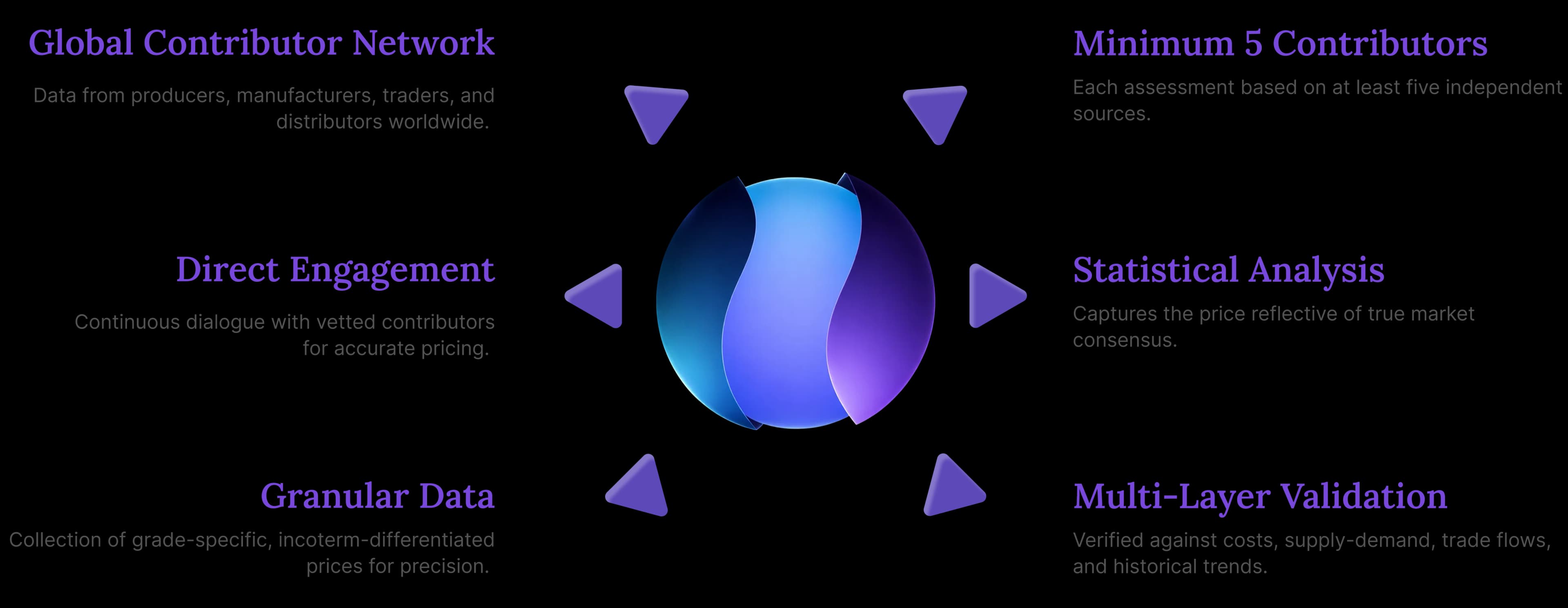
Our Price Analysis Methodology

Schedule A Demo
Experience how Procurement Resource transforms raw material price data into clear, decision ready intelligence. Optimise your performance with reliable, expert market data and analysis. Schedule your demo today to experience a live walk-through where our experts will showcase interactive price charts, forecasted prices, and insights driving the prices for your key commodities, tailored to your workflows. Contact us now!
Our Team will be happy to assist you
We are just a text away
Still Need Help ?
Other Related Reports
Diesel Production via Fractional Distillation
This report presents a detailed cost analysis of diesel production from crude oil using the fractional distillation.
Biodiesel Production from Fat or Vegetable Oil via Transesterification
This report presents a detailed cost analysis of biodiesel production from fat or vegetable oil using transesterification.
Subscription Plans
Unlock full access to Procurement Resource's price databases, interactive charts, and short-term forecasts for thousands of commodities. Elevate your sourcing decisions by comparing prices across regions, downloading historical data, and layering in analyst-backed insights, all with our flexible plans that scale as your portfolio grows.
Still have any Questions
Contact Us



Price Trend Dashboard - What's Included
Price trends across a diverse portfolio of categories amd products, spanning board to niche chemicas
Coverage extendable to grade-specific chemicals based on procurement requirements
Regular price tracking supported by robust historical datasets
News, policy updates, and key market drivers impacting price movements
Short-term and long-term price outlooks and forecasts
Supply–demand dynamics and capacity-driven market analysis
- Unlimited Users
- Historical Monthly Price
- USA, Europe, APAC Covered
- Monthly Forecast
- 12 Months validity
- News & Events
- 50 Products (Refer Next Page For List)
Related News
View All


Why Procurement Database

Assistance from Experts
Throughout 2024, the Asian acetoin market experienced fluctuating trends with regional variations. Q1 began with moderate price increases driven by supply constraints from Chang Chun Plastics' maintenance shutdown in Taiwan. Post-S...

Client's Satisfaction
Throughout 2024, the Asian acetoin market experienced fluctuating trends with regional variations. Q1 began with moderate price increases driven by supply constraints from Chang Chun Plastics' maintenance shutdown in Taiwan. Post-S...

Assured Collaboration
Throughout 2024, the Asian acetoin market experienced fluctuating trends with regional variations. Q1 began with moderate price increases driven by supply constraints from Chang Chun Plastics' maintenance shutdown in Taiwan. Post-S...
Global Insights
Throughout 2024, the Asian acetoin market experienced fluctuating trends with regional variations. Q1 began with moderate price increases driven by supply constraints from Chang Chun Plastics' maintenance shutdown in Taiwan. Post-S...
1/4