Fuel Oil Price Trend Analysis 2026: Historical Prices, Latest News, Price Drivers, Supply Demand Analysis & Market Insights
Fuel Oil Price Trend Q1 2026
| Product | Region | Incoterm Basis | Price | Last Updated Month |
| Fuel Oil | USA | FOB | USD 806.00/MT | April 2026 |
| Fuel Oil | India | FOB | USD 892.25/MT | April 2026 |
| Fuel Oil | Netherlands | FOB | USD 792.50/MT | April 2026 |
| Fuel Oil | China | FOB | USD 835.50/MT | April 2026 |
| Fuel Oil | Canada | FOB | USD 806.00/MT | April 2026 |
| Fuel Oil | USA | FOB | USD 612.50/MT | March 2026 |
| Fuel Oil | India | FOB | USD 931.65/MT | March 2026 |
| Fuel Oil | Netherlands | FOB | USD 669.00/MT | March 2026 |
| Fuel Oil | China | FOB | USD 680.00/MT | March 2026 |
| Fuel Oil | Canada | FOB | USD 612.50/MT | March 2026 |
Stay updated with the latest Fuel Oil prices, historical data, and tailored regional analysis
- Global fuel oil markets surged in early 2026, driven by geopolitical tensions in the Middle East and supply disruptions affecting crude shipments.
- Concerns over navigation risks and potential congestion in the Strait of Hormuz elevated risk premiums, pushing international crude and marine fuel prices higher.
- Tight feedstock availability and shipping demand supported domestic fuel oil markets across major consuming regions.
Asia
In Asia, China’s domestic ship fuel market saw a sharp increase, with prices rising from about 0.76 RMB/kg (Spot) in January and around 0.89 RMB/kg in March. Early-year supply constraints, combined with rising international crude prices, drove market gains. Cold weather and increased coal transportation amplified demand for coastal shipping fuel. Singapore inventory data showed declining residual fuel oil stocks, reinforcing a tight supply environment. However, China’s domestic ship fuel market saw a sharp 15.1 % price increase from February to March. The rise was driven by geopolitical tensions in the Middle East, which disrupted crude flows and increased insurance and shipping costs. In India, marine fuel prices reflected rising crude import costs and seasonal shipping activity, with logistical constraints moderating extreme volatility.
Europe
In Europe, fuel oil prices strengthened as Brent crude rose due to geopolitical tensions and reduced OPEC+ output. Tight refinery margins and planned maintenance limited local supply, while increased imports from the Middle East partially offset shortages. Elevated crude feedstock costs, along with moderate demand from coastal shipping, supported steady upward pricing.
North America
In North America, US marine fuel prices tracked international crude trends, with WTI surging on Middle East risk premiums and disruptions from winter storms. East Coast ports increased fuel imports from Canada and the Caribbean to maintain inventory levels. Refinery utilization near capacity constrained local supply, amplifying sensitivity to international crude volatility. Downstream shipping demand remained stable but influenced by seasonal cargo shifts and inventory replenishment.
Analyst Insight
According to Procurement Resource, fuel oil prices are likely to remain elevated, with high volatility persisting due to ongoing geopolitical risks in the Middle East and potential Strait of Hormuz congestion, while shipping demand continues to underpin market stability.
Related Report
Our Clients































Procurement Resource Database
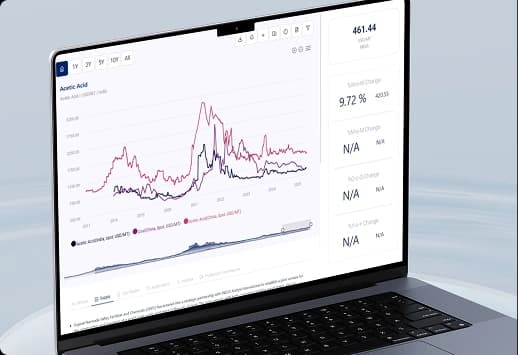
Turn price intelligence into action with the Procurement Resource Database. Log in or subscribe to unlock live price trends, historical charts, supplier databases, cost curves, and analyst-backed insights across chemicals, agriculture, energy, packaging, and more. Use these tools to benchmark your contracts, plan budgets with confidence, and stay ahead of market moves on every product you buy.
Fuel Oil Dashboard Inclusions

0
+Products
0
+Regions
0
+Subscriptions
| Product | Category | Region | Price | Last Updated Month |
| Fuel Oil | Operating Costs, Logistics and Utilities | China | 761 USD/MT | October 2025 |
| Fuel Oil | Operating Costs, Logistics and Utilities | China | 757 USD/MT | December 2025 |
Asia
The Asian fuel oil market during the fourth quarter exhibited fluctuating price patterns characterized by mixed directional movements and range-bound trading. The prices were about 761 USD/MT (Spot) in October and around 757 USD/MT in December in China. The period opened with prices experiencing a modest decline as blending raw material costs softened and terminal shipping market demand remained sluggish. Through mid-quarter, prices demonstrated volatility with alternating periods of weakness and recovery as domestic freight rates provided intermittent support while cost pressures from blending components remained limited.
The market navigated competing influences, including crude oil price fluctuations that increased wait-and-see sentiment among participants, while shipowners maintained predominantly small-order purchasing patterns driven by urgent replenishment needs rather than inventory building. Coastal bulk cargo freight rates showed variable performance throughout the period, with northern port closures due to weather conditions occasionally redirecting refuelling demand southward.
The latter portion of the quarter saw continued mixed price action as rising crude oil quotations provided periodic support, though weak blending raw material markets and subdued downstream coastal shipping demand created offsetting pressures. Regional inventory levels at major storage hubs demonstrated gradual accumulation, reflecting adequate supply availability.
Europe
European fuel oil markets during the fourth quarter demonstrated inconsistent patterns influenced by broader crude oil market volatility and regional supply-demand dynamics. The market absorbed varying signals from international crude price movements, geopolitical developments, and refinery operational considerations. Atlantic Basin supply conditions remained adequate throughout the period, with regional inventory positions supporting market stability. Demand from the marine bunker and industrial sectors showed typical seasonal characteristics, while blending activity adjusted to prevailing economic conditions and feedstock availability. Market participants maintained cautious positioning amid mixed fundamental signals and macroeconomic uncertainties.
North America
North American fuel oil markets experienced variable conditions during the fourth quarter, tracking broader petroleum product market dynamics. Regional supply adequacy from refinery output and import flows supported stable availability, while demand patterns reflected typical seasonal variations across heating oil and industrial consumption segments. Market sentiment responded to crude oil price volatility and evolving fundamental considerations, with participants adjusting positions based on inventory levels and forward demand expectations.
Analyst Insight
According to Procurement Resource, fuel oil prices are expected to maintain range-bound patterns as weak blending raw material costs and modest demand limit upside potential.
| Product | Category | Region | Price | Last Updated Month |
| Fuel Oil | Operating Costs, Logistics and Utilities | China | 747 USD/MT | July 2025 |
| Fuel Oil | Operating Costs, Logistics and Utilities | China | 750 USD/MT | September 2025 |
Stay updated with the latest Fuel Oil prices, historical data, and tailored regional analysis
Asia
Fuel oil prices in Asia displayed a mixed trajectory during the third quarter of 2025. Early in the quarter, values trended downward as inventories in key regions increased, reflecting weaker procurement activity from refiners and power utilities. Trading remained cautious, with limited spot transactions and a preference for contractual volumes. Midway through the quarter, prices stabilized as localized demand from domestic industrial users improved, creating modest support. Toward the latter part of the quarter, sentiment shifted again as regional availability stayed comfortable, and the upstream crude oil market exerted pressure on downstream margins. In China, prices dipped in the middle phase before experiencing a slight recovery, with movements largely tied to refinery operations and consumption trends from the shipping sector. The average prices were about 747 USD/MT (Spot) in July and around 750 USD/MT in September in the Chinese region.
Europe
In Europe, fuel oil markets followed a relatively soft pattern through most of Q3 2025. Ample supplies, combined with modest buying interest from refiners, limited the scope for any significant upward momentum. Refinery maintenance across certain countries further reduced intake volumes, reinforcing the subdued trend. Shipping demand within the Mediterranean and Northern Europe provided intermittent support, though this was not sufficient to alter the overall direction. Political uncertainties in Eastern Europe created occasional price fluctuations, but these were short-lived. By the end of the quarter, European fuel oil prices reflected stable but generally muted conditions, shaped by well-supplied markets and limited downstream pull.
North America
The North American market also resembled the trends seen in Asia, with prices maintaining a soft undertone throughout the quarter. Supply remained steady, supported by consistent refinery operations, while demand signals from utilities and transportation sectors were lacklustre. Inventories accumulated in certain coastal regions, adding to downward sentiment. Brief periods of support emerged when shipping demand improved, particularly along the Gulf Coast, but these gains were not sustained. Market activity was cautious, and buyers largely purchased on a need-only basis, avoiding speculative restocking.
Asia
In Asia, fuel oil prices showed mixed movements in the early months of 2025. The conflict in the Middle East, especially concerns over the Strait of Hormuz, initially pushed energy prices up across the region. Asian economies like China and Japan, which rely heavily on oil imports, felt the pressure as trade disruptions loomed.
As tensions escalated between Iran and the West, supply concerns deepened, driving prices higher. However, prices later moderated as ceasefire agreements and increased production from OPEC+ calmed the markets. China also benefitted from switching between fuels, especially as global LNG prices surged, making fuel oil temporarily more competitive in power generation.
Europe
In Europe, fuel oil prices remained sensitive to both geopolitical tensions and internal economic dynamics. Germany and other EU countries saw only partial reflection of crude price swings due to heavy fuel taxes and regulatory controls. The ongoing energy transition and government efforts to stabilize household bills helped cushion the blow.
However, volatility increased after new sanctions on Russian oil disrupted trade flows. Russia had been a significant fuel supplier for Europe, and the additional restrictions affected diesel and fuel oil availability, particularly during a colder-than-usual winter. While prices did decline later, uncertainty kept markets cautious.
North America
North America experienced sharper price shifts due to both external and domestic policy changes. U.S. tariffs on Canada and Mexico created inflationary concerns, affecting fuel demand projections. Meanwhile, President Trump’s push for increased domestic drilling and the gradual rise in U.S. oil output initially suppressed prices.
But stricter sanctions on Russian oil shipments and colder winter conditions reversed that trend, causing a notable jump in diesel and fuel oil prices. Strong demand for heating and transportation during the cold season further tightened supplies, especially in the Northeast U.S.
Asia
Fuel oil prices in Asia showed significant volatility throughout the second half of 2024. The market initially experienced downward pressure due to China's weakening demand and increased regional refining capacity. The sluggish economic recovery in major Asian economies further dampened consumption.
However, prices saw temporary spikes during periods of heightened Middle East tensions, particularly affecting bunker fuel markets in Singapore and South Korea. The shifting trade routes to avoid conflict zones led to longer shipping distances, which temporarily boosted marine fuel oil demand.
Europe
The European fuel oil market faced a complex landscape during H2'24. Prices remained relatively stable in the early months but gradually declined as industrial demand weakened amid economic uncertainties. The region's push toward cleaner energy alternatives and stricter environmental regulations continued to impact traditional fuel oil consumption. However, the high-sulfur fuel oil segment showed resilience due to sustained demand from vessels equipped with scrubbers. The market also experienced brief periods of tightness due to reduced Russian imports and shifting trade flows.
North America
North American fuel oil markets demonstrated relative stability compared to other regions. Prices maintained a steady trajectory despite global volatility, supported by consistent domestic industrial demand and steady bunker fuel requirements at major ports. The US Gulf Coast market benefited from increased regional refining activity and stable export opportunities to Latin America. However, the market faced some pressure from growing renewable fuel adoption and seasonal demand fluctuations.
Asia
Fuel oil prices in Asia during the first half of 2024 closely followed the trajectory of crude oil, influenced by the significant supply disruptions and geopolitical tensions. The Israeli war and Houthi pirate attacks in the Red Sea led to a constrained supply of crude oil, which in turn impacted fuel oil availability in the region.
With rising crude oil prices and steady demand from industries, particularly in India and China, fuel oil prices escalated throughout the first quarter. However, as the situation stabilized in the second quarter and tensions between Iran and Israel did not escalate as anticipated, fuel oil prices began to stabilize. The increased import of crude oil into India, particularly from Russia, helped reduce the cost pressure, leading to a more balanced fuel oil market during the second quarter.
Europe
Fuel oil prices in Europe also experienced upward pressure in the first quarter of 2024, largely driven by the ongoing conflict between Russia and Ukraine. Drone attacks on Russian oil refineries caused disruptions in production, leading to reduced supply and elevated fuel oil prices.
European markets, reliant on both imported crude and refined fuel oil, were significantly impacted by these supply chain challenges. As the second quarter progressed, however, the influx of cheaper Russian oil, which found key buyers in India and China, helped stabilize fuel oil prices in Europe. Despite the geopolitical instability, the crude oil production cuts announced by OPEC and the availability of discounted Russian crude played a crucial role in preventing further price spikes.
North America
In North America, fuel oil prices showed a sharp rise during the first quarter of 2024, mirroring the upward trend in crude oil prices. Supply issues, including scheduled production cuts by OPEC+ and rising inflationary pressures, contributed to the increase in fuel oil prices. However, in the second quarter, fuel oil prices began to stabilize as US gasoline and distillate stockpiles unexpectedly increased, reflecting lower-than-expected demand from downstream sectors. Additionally, anticipation of delayed interest rate cuts by the US Federal Reserve, which strengthened the US dollar, further moderated fuel oil prices. As a result, the North American fuel oil market exhibited a sluggish performance towards the end of the second quarter, with supply and demand gradually balancing.
| Product | Category | Region | Price | Last Updated Month |
| Fuel Oil | Operating Costs, Logistics and Utilities | China | 684 USD/MT | July'2023 |
| Fuel Oil | Operating Costs, Logistics and Utilities | China | 750 USD/MT | Dec'2023 |
Stay updated with the latest Fuel Oil prices, historical data, and tailored regional analysis
Fuel Oil prices were observed to vary throughout the said period of the second half of 2023. After OPEC+ decided to stabilize the falling costs by holding the stocks, the fuel oil prices started inching up in the third quarter, particularly in the import-dependent markets of Asia and Europe. The discounted Russian oil was also not as cheap anymore. Thus, the fuel oil prices wavered high and continued to incline in the Chinese market in the fourth quarter as well.
In the Chinese fuel oil market, the prices went from about 684 USD/MT in July '23 to about 750 USD/MT in December '23. However, the European fuel oil market declined in the last quarter after inclining in the third quarter of 2023. The last quarter's decline in the European market was primarily attributed to the increased inventory stocks and trade disturbances owing to geopolitical conflicts.
Fuel Oil is a petroleum distillation product used for energy production in various applications. Since it is derived from crude petroleum oil, it closely follows the crude oil market behavior. During the first half of the year 2023, the Fuel Oil market exhibited mixed price trend. In the Asian market, where cheap Russian oil was continuously supplied even during the peak Covid times, the high levels of inventories kept the Fuel Oil prices down, mainly in India and China.
On the other hand, the European Fuel Oil market had also started stabilizing after the economic turmoil inflicted by the Russian war. Further, the steady normalization in supply chains and other trade situations aided the price trend for Fuel Oil. Overall, mixed market sentiments were observed.
About Fuel Oil
Fuel Oil is any liquid fuel, obtained from petroleum distillation, that is burned in a furnace or boiler for generating heat or for use in an engine for power generation. Fuel Oil is obtained from the burnable liquids derived from crude oil. It is used to heat up homes and fuel trucks, light up furnaces, produce steam for industrial uses and for generating electric energy. It is used to run home heating equipment including furnaces and boilers and can be used to power different types of engines, lamps, and stoves.
Fuel Oil Product Detail
Electricity Generation, Machinery, Liquid Fuel
Heavy Oil, Marine Fuel, Furnace Oil
BP plc, Exxon Mobil Corporation, PetroChina Company Limited, SINOPEC Fuel Oil Sales Corporation Limited, Royal Dutch Shell Plc
Regional Coverage
Asia Pacific
Europe
North America
Latin America
Africa
CurrencyUS$ (Data can also be provided in local currency)
Supplier Database AvailabilityYes
Customization ScopeThe report can be customized as per the requirements of the customer
Post-Sale Analyst Support360-degree analyst support after report delivery
Note: Our supplier search experts can assist your procurement teams in compiling and validating a list of suppliers indicating they have products, services, and capabilities that meet your company's needs.
Fuel Oil Production Processes
- Production of Fuel Oil via Petroleum Distillation
In order to produce Fuel Oil, the process of petroleum distillation is utilised. In this process, a fraction is obtained either in a form of a distillate or as a residue, which is further used to produce Fuel Oil.
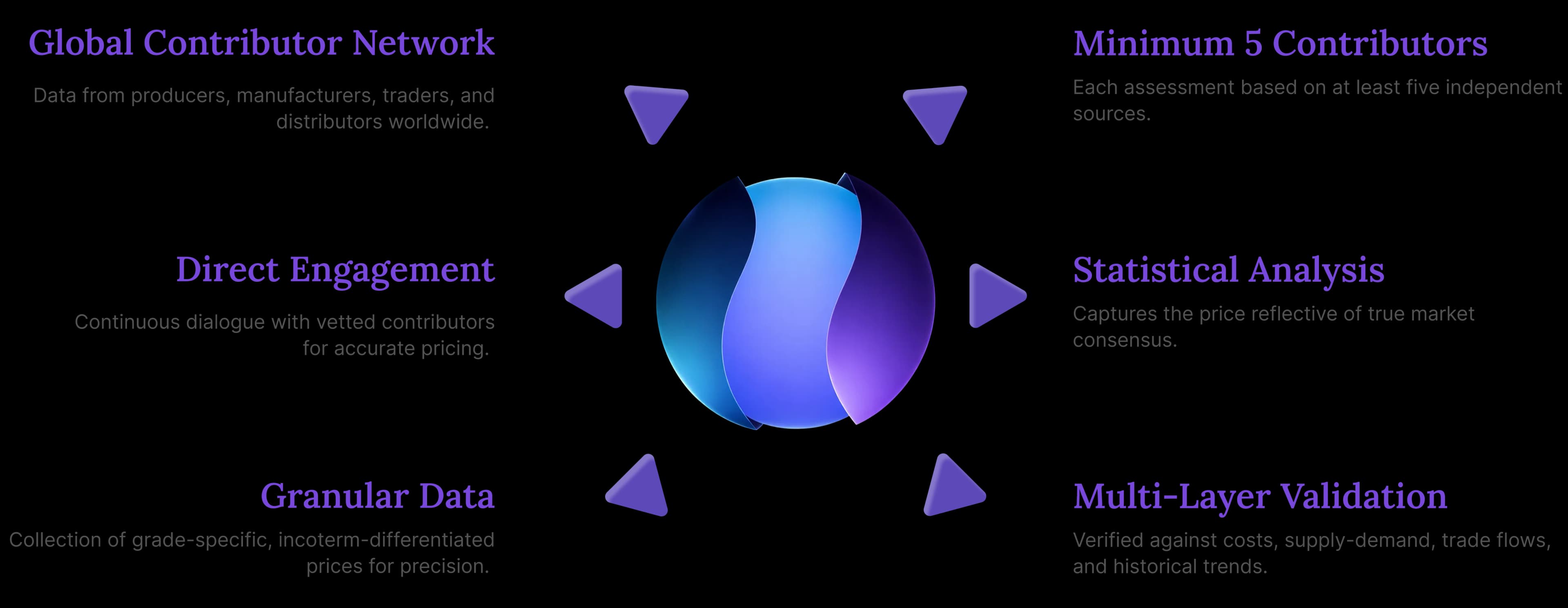
Our Price Analysis Methodology

Schedule A Demo
Experience how Procurement Resource transforms raw material price data into clear, decision ready intelligence. Optimise your performance with reliable, expert market data and analysis. Schedule your demo today to experience a live walk-through where our experts will showcase interactive price charts, forecasted prices, and insights driving the prices for your key commodities, tailored to your workflows. Contact us now!
Our Team will be happy to assist you
We are just a text away
Still Need Help ?
Other Related Reports
Syngas Production from Fuel Oil (heavy hydrocarbons)
This report presents a cost analysis of syngas production from heavy fuel (heavy hydrocarbons)
Methyl Ester Sulphonate Production from Palm Oil
This report presents a detailed cost analysis of methyl ester sulphonate production from palm oil.
Azane Production of Azane from Heavy Oil
This report presents a detailed cost analysis of azane production from heavy oil.
LPG Production from Crude Oil
This report provides the cost structure of LPG production by the petroleum refining process. In this process, the crude oil recovered is separated into oil and wet gas via a gas trap.
Subscription Plans
Unlock full access to Procurement Resource's price databases, interactive charts, and short-term forecasts for thousands of commodities. Elevate your sourcing decisions by comparing prices across regions, downloading historical data, and layering in analyst-backed insights, all with our flexible plans that scale as your portfolio grows.
Still have any Questions
Contact Us



Price Trend Dashboard - What's Included
Price trends across a diverse portfolio of categories amd products, spanning board to niche chemicas
Coverage extendable to grade-specific chemicals based on procurement requirements
Regular price tracking supported by robust historical datasets
News, policy updates, and key market drivers impacting price movements
Short-term and long-term price outlooks and forecasts
Supply–demand dynamics and capacity-driven market analysis
- Unlimited Users
- Historical Monthly Price
- USA, Europe, APAC Covered
- Monthly Forecast
- 12 Months validity
- News & Events
- 50 Products (Refer Next Page For List)
Related News
View All


Why Procurement Database

Assistance from Experts
Throughout 2024, the Asian acetoin market experienced fluctuating trends with regional variations. Q1 began with moderate price increases driven by supply constraints from Chang Chun Plastics' maintenance shutdown in Taiwan. Post-S...

Client's Satisfaction
Throughout 2024, the Asian acetoin market experienced fluctuating trends with regional variations. Q1 began with moderate price increases driven by supply constraints from Chang Chun Plastics' maintenance shutdown in Taiwan. Post-S...

Assured Collaboration
Throughout 2024, the Asian acetoin market experienced fluctuating trends with regional variations. Q1 began with moderate price increases driven by supply constraints from Chang Chun Plastics' maintenance shutdown in Taiwan. Post-S...
Global Insights
Throughout 2024, the Asian acetoin market experienced fluctuating trends with regional variations. Q1 began with moderate price increases driven by supply constraints from Chang Chun Plastics' maintenance shutdown in Taiwan. Post-S...