HVAC and Commercial Refrigeration Price Trend Analysis 2026: Market Insights, Supply Demand Analysis, Historical Prices, Price Drivers & Latest News
HVAC and Commercial Refrigeration Indices Q4 2025
In Q4’25, the HVAC and commercial refrigeration market witnessed varying price movements across the segments. In the commercial HVAC market, prices were stable due to strong demand from data centres, healthcare facilities, and construction projects, which helped maintain the prices of new equipment purchases. Manufacturers reported robust non-residential bookings, which helped maintain the prices despite the overall economic environment.
On the contrary, the residential HVAC market witnessed subdued market conditions. Cooler weather and economic uncertainty led to lower replacement volumes, with many consumers deciding to repair their existing equipment rather than buying new ones. Additionally, the ongoing refrigerant transition led to uncertain buying behaviour.
Residential HVAC prices witnessed mild pressure in Q4’25 due to the subdued market conditions, although prices did not fall sharply due to the controlled production and inventory management of the manufacturers.
In the case of commercial refrigeration, particularly in markets such as Australia, the constraints on the supply of refrigerants resulted in upward cost pressures. Although large-scale buyers benefited from the long-term contracts, the smaller buyers experienced upward cost pressures, which resulted in stronger pricing for refrigeration services.
Overall, the Q4’25 market was characterized by a balanced yet divided market, with commercial markets compensating for the weakness in the residential market, as well as the supply constraints on refrigerants.
Analyst Insight
According to Procurement Resource, HVAC and Commercial Refrigeration trends would remain stable to firm, driven by the project work in the commercial markets, as well as the ongoing adjustments to the supply of refrigerants.
Our Clients































Procurement Resource Database
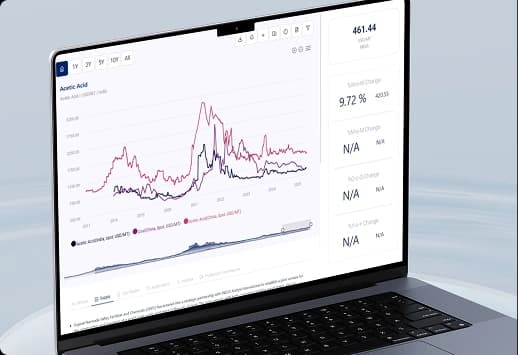
Turn price intelligence into action with the Procurement Resource Database. Log in or subscribe to unlock live price trends, historical charts, supplier databases, cost curves, and analyst-backed insights across chemicals, agriculture, energy, packaging, and more. Use these tools to benchmark your contracts, plan budgets with confidence, and stay ahead of market moves on every product you buy.
HVAC and Commercial Refrigeration Dashboard Inclusions
0
+Products
0
+Regions
0
+Subscriptions
In Q3’25, the HVAC and commercial refrigeration market saw mixed pricing trends, shaped by both global and regional factors. Demand remained strong, especially in Asia and Europe, where heatwaves and stricter energy rules pushed buyers toward efficient cooling solutions. China’s commercial refrigeration market stayed mostly flat in volume but showed signs of recovery in value, driven by higher import prices and ongoing shifts in product mix. However, average export prices fell, likely due to competitive global pressure and currency movements.
In the HVAC sector, major players like Carrier and Bosch gained momentum. Carrier benefitted from rising heat pump demand in Europe and service-based revenues in the U.S., helping stabilize prices despite macro uncertainties. Bosch’s expansion especially after acquiring Johnson Controls’ HVAC assets added scale and strengthened pricing power across key regions. Meanwhile, new energy-efficient technologies, such as CO2-based systems with expanders and booster devices, started gaining interest, although their impact on market prices was still limited due to development and adoption costs.
In hot regions like India and southern Europe, energy-saving upgrades in refrigeration were explored, but high upfront costs delayed large-scale implementation. Even so, these innovations hinted at future cost benefits, which could influence longer-term pricing. Supply chains held up well, and raw material costs stabilized, preventing any sharp cost spikes. The shift toward smarter, greener systems continued to support steady pricing, especially for mid- to high-end products.
In the first half of 2025, the HVAC and commercial refrigeration industry experienced consistent and widespread price increases. These hikes were largely driven by a combination of global supply chain disruptions, new tariffs on key exporting nations, and continued inflation in raw material costs like steel, copper, and aluminium. Manufacturers across the board raised prices, with many implementing multiple rounds of increases starting as early as March.
Contractors faced sharp cost pressures from suppliers. Major brands announced price hikes ranging from modest single-digit adjustments to more significant increases, especially on unitary systems, zoning products, and duct materials. These increases reflected not only raw material inflation but also growing expenses tied to labor, transportation, and regulatory compliance particularly around the transition to newer refrigerants like R-454B. However, even with new product lines, delays in imports and component shortages slowed availability and drove prices higher.
Tariffs introduced by the U.S. government also amplified costs across the HVAC sector. Equipment and parts from major exporters such as China, Mexico, and Taiwan were hit with new duties, limiting supply and pushing contractors to stockpile inventory where possible. Still, despite those efforts, inventory levels fell quickly under rising demand, especially during early-season heat waves.
In 2024, HVAC and commercial refrigeration prices saw significant fluctuations driven by regulatory changes and environmental concerns. The industry experienced price increases as manufacturers prepared for the EPA's new refrigerant regulations set to take effect in January 2025. These regulations aimed to phase out high global warming potential refrigerants in favour of more environmentally friendly alternatives.
The transition to newer refrigerants required manufacturers to redesign their product lines, leading to higher production costs that were passed on to consumers. Equipment using the newer refrigerants typically commanded premium prices, with many businesses and homeowners rushing to purchase existing inventory of traditional systems before the regulatory deadline.
Supply chain issues that plagued the industry in previous years showed improvement, but ongoing labor shortages for installation and maintenance continued to impact overall costs. The Inflation Reduction Act tax incentives helped offset some price increases for energy-efficient systems, particularly heat pumps, which saw growing demand as dual-purpose heating and cooling solutions.
Cold thermal energy storage systems gained traction in commercial refrigeration, especially for supermarkets and food service businesses looking to reduce peak power demand and lower operational costs. While these systems required higher initial investment, their ability to shift energy consumption to off-peak hours made them increasingly attractive.
In the second half of 2023, HVAC and commercial refrigeration prices continued their upward trajectory, driven primarily by increasing cooling demand across the U.S. and globally. As climate data showed, cooling degree days increased in most analysed U.S. locations since 1970, with the highest increases in the Southwest, South, and Southeast regions. This sustained demand put pressure on manufacturers and suppliers, resulting in price increases for standard equipment.
CO2-based refrigeration systems gained popularity as businesses sought more sustainable alternatives. Transcritical CO2 booster systems, especially when combined with cold thermal energy storage, became more attractive despite their higher initial costs. Energy efficiency became a major selling point, with companies willing to pay premium prices for systems that reduced peak power usage.
Supply chain constraints from earlier in the year gradually eased, but labor shortages for installation and maintenance kept overall costs elevated. The Inflation Reduction Act tax incentives for heat pumps partially offset price increases for energy-efficient systems, providing some relief for businesses upgrading their cooling infrastructure.
In the US markets, the price trend of HVAC and commercial refrigeration struggled to maintain its market momentum in the first two quarters of 2023. The US economy faced the consequences of its transition phase as it slowed down after dipping to alarming levels in the COVID era. The government had to adopt several strict monetary policies and had to raise its fed fund rates in order to keep the market conditions afloat.
Rapidly rising loan rates have slowed consumer demand, which was depicted in the decline in new home development, which negatively affected new business construction. In contrast, activity related to servicing, maintaining, and remodeling the established base of homes or businesses has remained strong and has expanded in the first and second quarters since the demand for HVAC and commercial refrigeration from this sector was less susceptible to the weak economic performance and manufacturing sector demand shocks than the new construction activities.
About HVAC and Commercial Refrigeration
HVAC system refers to a system that involves heating, ventilation, and air conditioning of indoor spaces, aiming to provide thermal comfort and improved air quality. HVAC and Commercial Refrigeration projects demand a wide range of inputs, such as ductwork, air handling units (AHU), filtrates, heat pumps, etc. Once the installation is complete, HVAC systems require testing, maintenance and servicing at different intervals for maintaining optimal efficiency and good air quality.
Thus, the cost of the equipment is not the only factor influencing the installation cost of a Commercial HVAC and Refrigeration System, but the choice of brand and system, variation of services from one vendor to another, and labour, material and maintenance cost, among others, are also the key factors. Detailed breakdown of commercial HVAC installation cost helps a customer to choose a correct proposal for himself, thus, achieving maximum value.
HVAC and Commercial Refrigeration Product Detail
Regional Coverage
Asia Pacific
Europe
North America
Latin America
Africa
CurrencyUS$ (Data can also be provided in local currency)
Supplier Database AvailabilityYes
Customization ScopeThe report can be customized as per the requirements of the customer
Post-Sale Analyst Support360-degree analyst support after report delivery
Note: Our supplier search experts can assist your procurement teams in compiling and validating a list of suppliers indicating they have products, services, and capabilities that meet your company's needs.
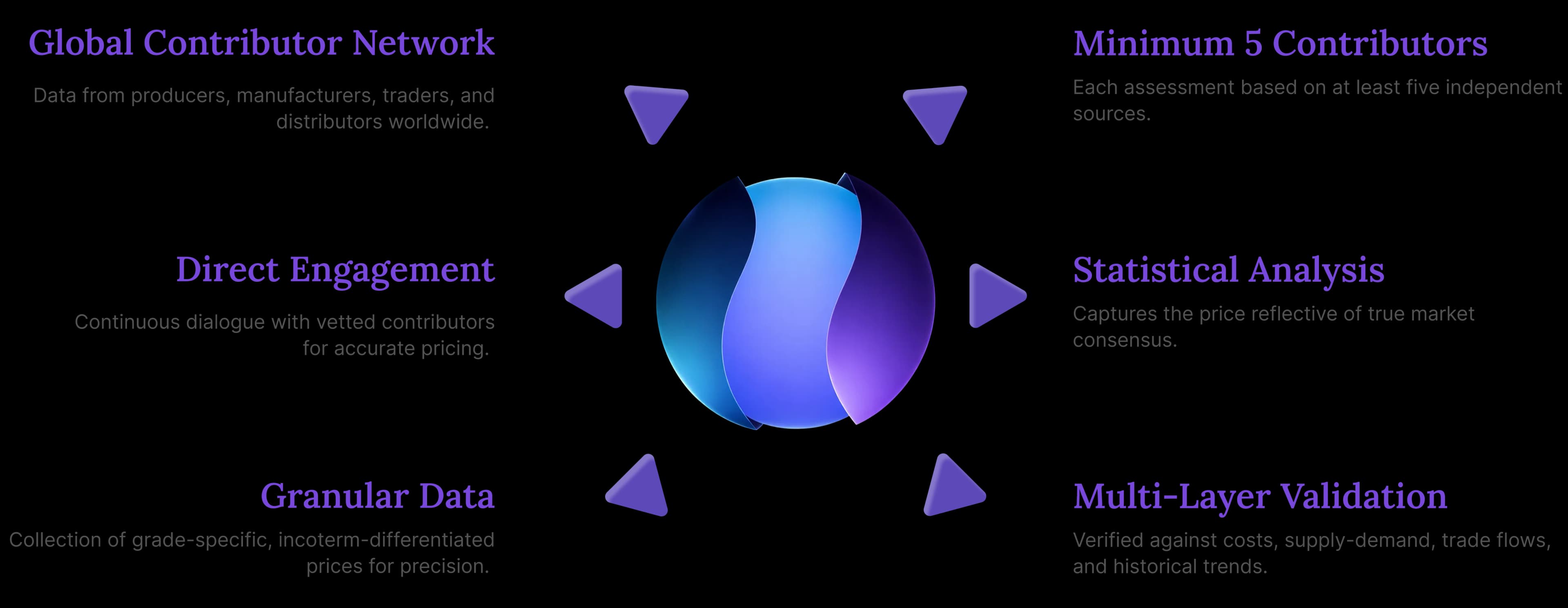
Our Price Analysis Methodology

Schedule A Demo
Experience how Procurement Resource transforms raw material price data into clear, decision ready intelligence. Optimise your performance with reliable, expert market data and analysis. Schedule your demo today to experience a live walk-through where our experts will showcase interactive price charts, forecasted prices, and insights driving the prices for your key commodities, tailored to your workflows. Contact us now!
Our Team will be happy to assist you
We are just a text away
Still Need Help ?
Other Related Reports
Cooling Water Production from Cooling Tower
This report provides the cost structure of cooling water production through the use of cooling tower. In this process, the water is pumped into the cooling tower which flows down through wooden or plastic shells.
Subscription Plans
Unlock full access to Procurement Resource's price databases, interactive charts, and short-term forecasts for thousands of commodities. Elevate your sourcing decisions by comparing prices across regions, downloading historical data, and layering in analyst-backed insights, all with our flexible plans that scale as your portfolio grows.
Still have any Questions
Contact Us



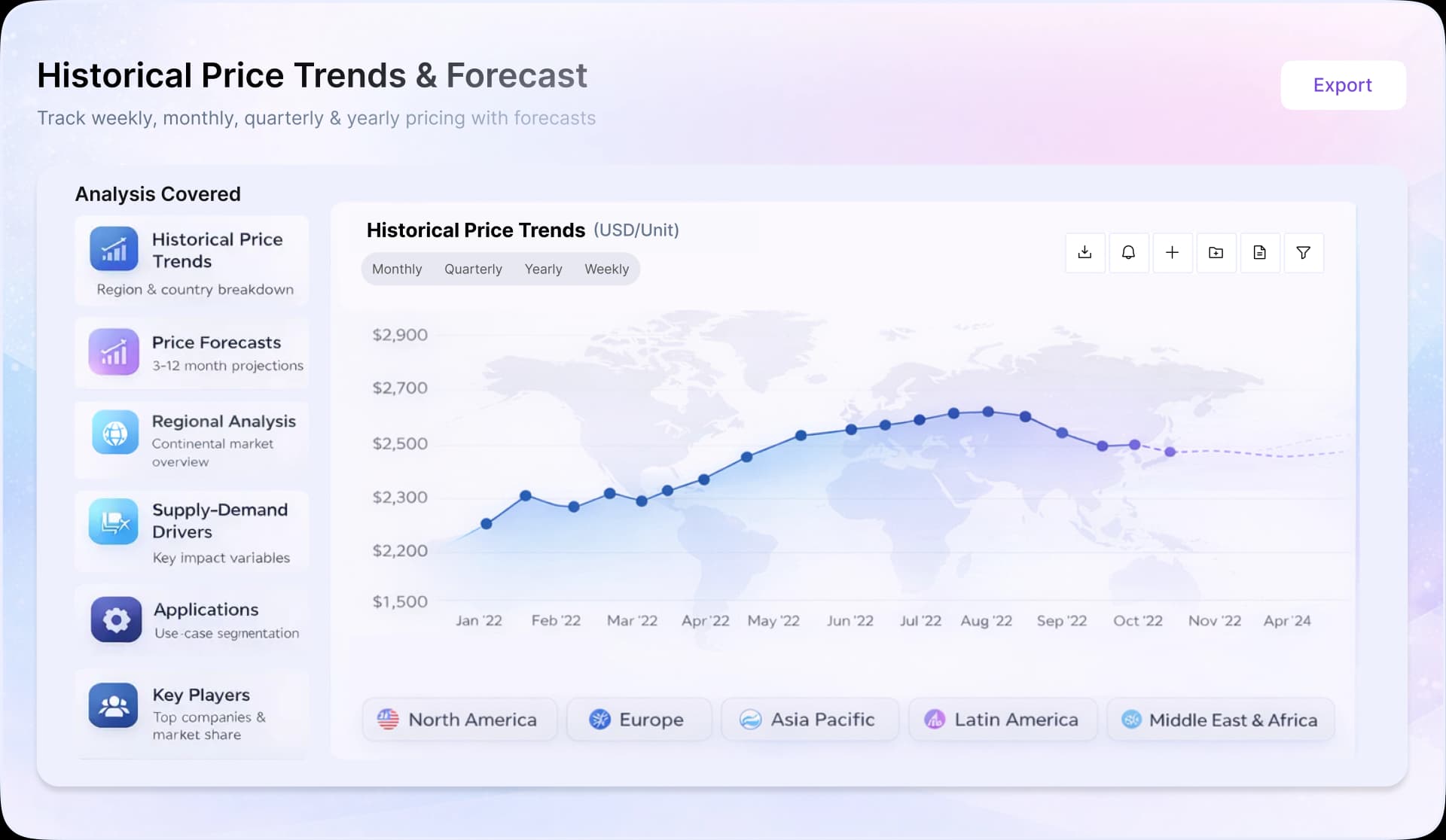
Price Trend Dashboard - What's Included
Price trends across a diverse portfolio of categories amd products, spanning board to niche chemicas
Coverage extendable to grade-specific chemicals based on procurement requirements
Regular price tracking supported by robust historical datasets
News, policy updates, and key market drivers impacting price movements
Short-term and long-term price outlooks and forecasts
Supply–demand dynamics and capacity-driven market analysis
- Unlimited Users
- Historical Monthly Price
- USA, Europe, APAC Covered
- Monthly Forecast
- 12 Months validity
- News & Events
- 50 Products (Refer Next Page For List)
Related News
View All
Why Procurement Database

Assistance from Experts
Throughout 2024, the Asian acetoin market experienced fluctuating trends with regional variations. Q1 began with moderate price increases driven by supply constraints from Chang Chun Plastics' maintenance shutdown in Taiwan. Post-S...

Client's Satisfaction
Throughout 2024, the Asian acetoin market experienced fluctuating trends with regional variations. Q1 began with moderate price increases driven by supply constraints from Chang Chun Plastics' maintenance shutdown in Taiwan. Post-S...

Assured Collaboration
Throughout 2024, the Asian acetoin market experienced fluctuating trends with regional variations. Q1 began with moderate price increases driven by supply constraints from Chang Chun Plastics' maintenance shutdown in Taiwan. Post-S...
Global Insights
Throughout 2024, the Asian acetoin market experienced fluctuating trends with regional variations. Q1 began with moderate price increases driven by supply constraints from Chang Chun Plastics' maintenance shutdown in Taiwan. Post-S...