Hydroquinone Price Trend Analysis 2026: Supply Demand Analysis, Price Drivers, Market Insights, Historical Prices & Latest News
Hydroquinone Price Trend Q4 2025
Asia
In Asia, hydroquinone prices were mostly steady in the said period. Supply from local manufacturers remained stable, and there were no major production issues. Feedstock costs, such as benzene and propane, were soft due to oversupply and weaker crude oil prices, which helped keep production costs low. Demand from the personal care and cosmetic industries was moderate. Export orders were also cautious because of currency fluctuations and concerns about margins. Overall, prices in the region stayed in a narrow range, with sellers offering small discounts to move inventory.
Europe
European hydroquinone prices were stable to slightly higher during the last quarter of 2025. Feedstock availability was good, but crude oil and benzene price softness limited cost pressures. Domestic demand from cosmetic and specialty chemical producers remained steady, supporting prices. Inventory levels were adequate, and manufacturers avoided large discounts. The market sentiment was cautious as buyers waited for changes in feedstock costs and energy prices in early 2026.
North America
In North America, hydroquinone prices trended upward in Q4’25. Domestic supply was slightly tight, while strong demand from cosmetics, polymers, and specialty chemical sectors encouraged buyers to restock before the new year. Feedstock costs, particularly benzene, were lower, but high demand of hydroquinone allowed producers to maintain higher prices. Buyers accepted these levels due to steady consumption and anticipation of continued demand in early 2026.
Analyst Insight
According to Procurement Resource, Hydroquinone prices are expected to remain stable in the near term, with potential for mild increases if demand continues to grow or feedstock costs rise.
Related Report
Our Clients































Procurement Resource Database
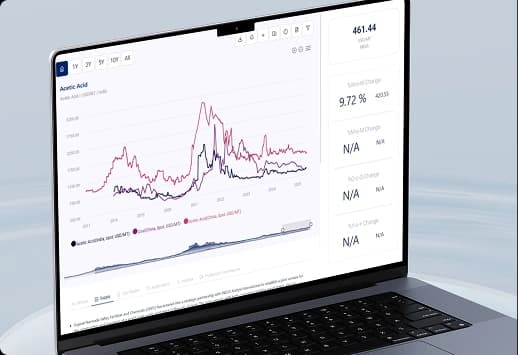
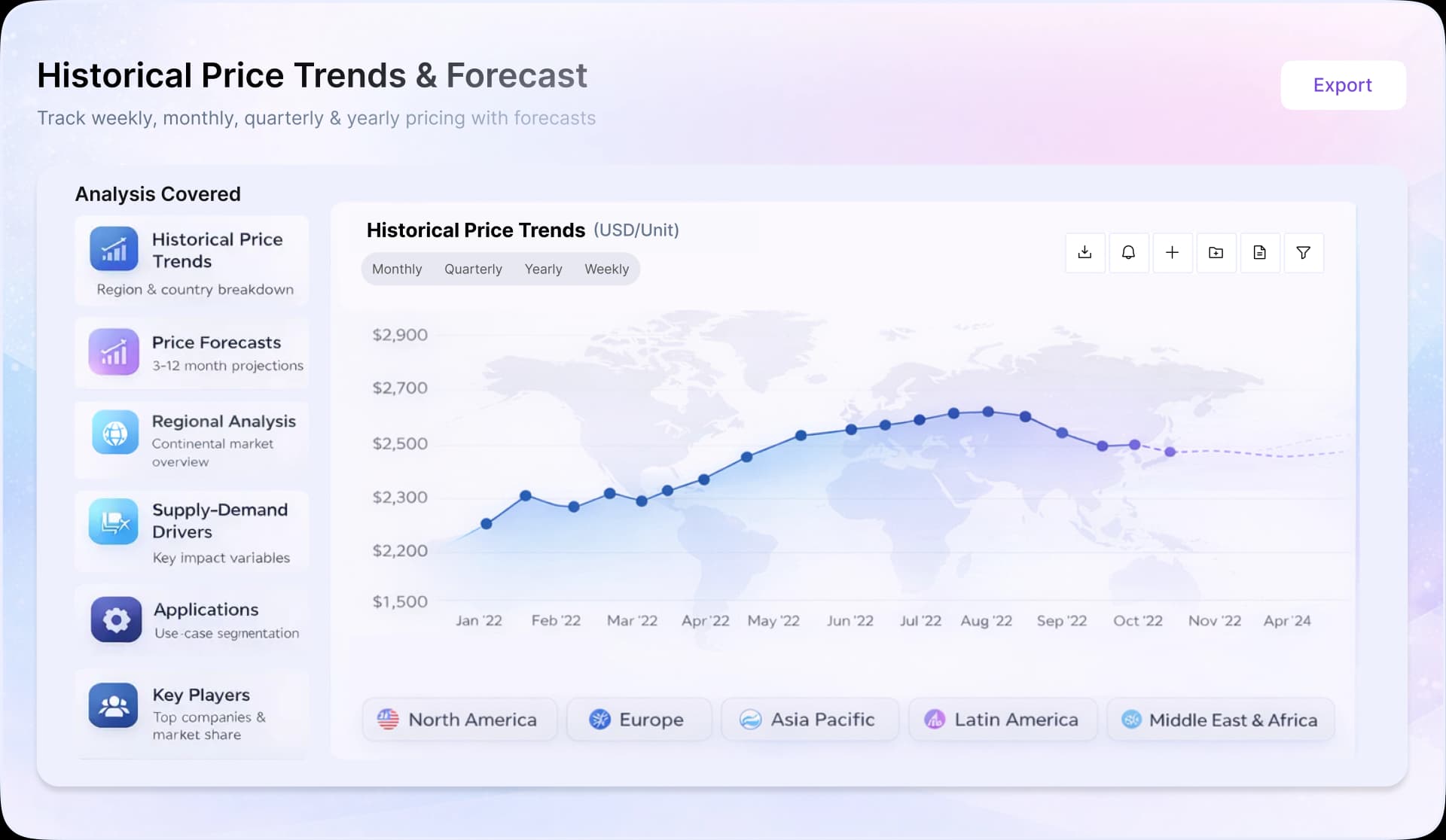
Turn price intelligence into action with the Procurement Resource Database. Log in or subscribe to unlock live price trends, historical charts, supplier databases, cost curves, and analyst-backed insights across chemicals, agriculture, energy, packaging, and more. Use these tools to benchmark your contracts, plan budgets with confidence, and stay ahead of market moves on every product you buy.
Hydroquinone Dashboard Inclusions
0
+Products
0
+Regions
0
+Subscriptions
Asia
In Asia, hydroquinone prices showed a general upward trend during the third quarter. Supply constraints caused by refinery production cuts and maintenance slowed down raw material availability, pushing costs higher. Logistics challenges, including shipping delays and increased transportation costs, added pressure on supply chains.
Although demand from industries like cosmetics and pharmaceuticals remained strong, some buyers became cautious due to uncertainties around supply and pricing. Raw material costs, especially for feedstocks used in hydroquinone production, also influenced price movements. Overall, the market was tight, with buyers adjusting their purchasing patterns to manage potential delays and higher costs.
Europe
In Europe, hydroquinone prices rose during Q3, driven by a combination of factors. Several major production plants underwent scheduled maintenance, reducing output temporarily and tightening supply. Rising energy expenses, partly due to stricter environmental regulations, increased manufacturing costs, which in turn impacted prices.
The weak euro compared to the US dollar added to export cost volatility. Shipping disruptions and labor shortages at key ports further slowed deliveries and raised transportation expenses. Despite these challenges, demand from cosmetic and specialty chemical sectors remained firm, keeping price pressure steady.
North America
In North America, hydroquinone prices climbed steadily over the quarter. Strong demand from the cosmetic industry, supported price increases. Additionally, concerns about tighter regulatory controls encouraged some buyers to stockpile, contributing to higher short-term demand. Although manufacturing activity improved slightly, supply remained constrained by upstream raw material availability and logistical hurdles. Buyers generally preferred shorter-term contracts while waiting for clearer market signals. The balance of steady demand and limited supply kept prices elevated through Q3.
Asia
In the first half of 2025, hydroquinone prices in Asia stayed elevated, especially during the early months. The market faced a strong demand surge from the cosmetic and pharmaceutical sectors, with seasonal production of skincare products picking up. At the same time, supply remained tight as major producers in China and Japan struggled to keep up with both local and international orders.
Shipping delays and port congestion added further strain, making it harder for buyers to secure steady deliveries. Although there was some stabilization towards the end of the period, overall pricing remained on the higher side due to continued market imbalance.
Europe
In Europe, hydroquinone prices also rose sharply in H1’25, particularly in Q1. Supply chain issues, including longer delivery times and increased freight costs, put pressure on availability.
Demand from the personal care and pharmaceutical industries stayed firm, while local production struggled to bridge the gap caused by reduced imports. Even though manufacturers like Solvay ramped up output, it wasn't enough to ease the tight market completely. By the end of the half-year, pricing pressures softened slightly as inventory levels improved, but the overall tone of the market remained firm.
North America
North American hydroquinone markets witnessed a price spike early in the year, driven by strong local demand and challenges in balancing exports with domestic needs. Ongoing supply disruptions at key ports slowed down the movement of goods, while limited stock availability triggered aggressive buying in some sectors.
As producers focused on fulfilling backlogs, new orders were delayed, keeping the market tight. Towards the middle of the year, however, prices began to ease as logistical conditions improved and new shipments arrived.
Asia
In Q4 2024, the hydroquinone market in Asia experienced a consistent downward trend. This was largely due to reduced buying interest from key downstream industries like cosmetics, agrochemicals, and rubber processing. Slower industrial output and weaker regional economic activity led to subdued demand across the board.
Additionally, the lower production costs for upstream raw materials added to the bearish sentiment. In major markets like China and India, export activities were also limited due to trade disruptions and logistical bottlenecks, further restricting price support. Buyers adopted cautious procurement strategies in response to the broader slowdown, which kept hydroquinone prices under continuous pressure throughout the quarter.
Europe
In Europe, hydroquinone prices followed a similar downward path during Q4 2024. With weak demand from the pharmaceutical and polymer sectors, market activity remained slow. The seasonal drop in industrial activity, along with efforts to reduce inventories before year-end, limited purchasing volumes.
Although there were occasional supply hiccups, they were not strong enough to influence pricing significantly. Overall, the region’s hydroquinone market struggled to gain momentum, reflecting the broader weakness in the chemical sector.
North America
Hydroquinone prices in North America also declined during the final quarter of 2024. Sluggish demand from end-use industries, especially in construction and automotive coatings, impacted consumption rates. While there were some short-term disruptions due to logistics and labor issues, they did not substantially affect the supply-demand balance.
The overall market tone stayed weak as competitive imports and soft domestic demand weighed on pricing. Producers faced difficulty maintaining margins amid reduced upstream costs and a cautious buying environment.
Asia
In Asia, the hydroquinone market witnessed a recovery in prices after a prolonged period of depression. The earlier oversupply of phenol, a key raw material for hydroquinone production, had initially driven down costs. However, a gradual stabilization of phenol inventories contributed to rising hydroquinone prices in the region.
The permanent shut down of a few of phenol production unit in Japan also had a significant effect on the regional market. As the oversupply was gradually absorbed, phenol costs began to rise, leading to a corresponding increase in hydroquinone prices. In addition, Japan's rising core inflation signaled heightened economic activity, pushing up demand for essential raw materials like hydroquinone. In the cosmetic sector, the growing consumer interest in the Asian markets further bolstered demand, maintaining upward pressure on prices.
Europe
In Europe, the hydroquinone market followed a similar trajectory as in Asia, largely influenced by the rising cost of raw materials, particularly phenol. The continent, known for its strong industrial sector, faced a combination of supply-side challenges and heightened energy costs, which affected the overall pricing landscape for hydroquinone. A key driver in the European market was the increasing demand from the cosmetic industry, where hydroquinone is extensively used. This sustained demand came at a time when raw material costs were increasing, thereby pushing up the overall production costs for hydroquinone.
The European photographic industry, which relies on hydroquinone as a reducing agent in black-and-white film development, also faced similar challenges. Additionally, many chemical plants in Europe underwent seasonal maintenance shutdowns during the third quarter, reducing overall production and adding further pressure on supply. This combination of rising input costs, seasonal factors, and strong downstream demand contributed to a notable upward trend in Hydroquinone prices across the region.
North America
In North America, the hydroquinone market was similarly impacted by rising phenol prices as increasing demand for phenol from downstream industries like construction had already led to higher domestic prices. The U.S. also saw a rise in energy costs, which further exacerbated the situation for chemical manufacturers.
The impact of rising crude oil prices on energy and logistics costs had a cascading effect on chemical production, including hydroquinone. Additionally, supply disruptions in Canada due to labor strikes in the railroads posed significant logistical challenges for chemical producers. These disruptions affected not only domestic production but also North America's ability to export hydroquinone to other regions.
Asia
Hydroquinone is an aromatic compound that plays a significant role in various industrial applications due to its effective antioxidant properties. The production of hydroquinone typically involves the hydroxylation of phenol using various chemical processes. Therefore, the hydroquinone prices closely mimicked the variations in the feedstock phenol and benzene prices. During the given span of the second quarter of the year 2024, the prices were found to be behaving moderately for the entire period.
Prices began on a positive note, with increased production costs attributed to the rise in raw material prices. With below-average inventory support, the available supplies also stimulated the price growth for Hydroquinone. To complement these upstream dynamics, the downstream outlook was also supportive for the most part. Hydroquinone prices showcased stability and corrections simultaneously in various Asian markets throughout Q2'24.
Europe
The fluctuations in the Asian hydroquinone markets influenced the variations in European markets. Early on, the prices mimicked the positive outlook of global markets in Europe supported by the positive manufacturing costs and limited supply outlooks. The pharma sector posed higher demands for hydroquinone in the early months, which pushed the prices up in the regional markets.
The trade hurdles in Europe were still very present which further tightened the regional supply situation. However, there were some occasional and temporary reverse fluctuations in the hydroquinone market graph because of demand variations. However, largely the market sentiments remained positive for the majority of said time period.
North America
During the second quarter of 2024, the North American hydroquinone market gave a fine performance for the majority part. The global supply constraints were pretty evident in the American markets as well. The availability of feedstock materials was also a concern. Moreover, the downstream demands from the consuming sectors remained elevated, which kept adding to the existing cost pressure for suppliers.
Additionally, environmental factors, including potential disruptions in transportation due to hurricanes in key regions, further added to the market's volatility. Expecting better returns, the stakeholders tried harder to procure more and more products from the international markets; however, because of this, too, the Hydroquinone prices witnessed a push in America. Overall, a positive price trajectory was experienced in Q2'24.
| Product | Category | Region | Price | Last Updated Month |
| Hydroquinone | Chemicals | USA | USD 4400 /MT | March 2024 |
| Hydroquinone | Chemicals | Europe | USD 6100/MT | March 2024 |
Stay updated with the latest Hydroquinone prices, historical data, and tailored regional analysis
Asia
The hydroquinone market acquired a stable price trend in the first quarter of 2024 amid prevailing caution and uncertainty in the feedstock prices. The marginal price increases reflected heightened downstream demand, which resulted in the quick drying up of inventories. However, geopolitical tensions and trade disruptions complicated the market sentiments, leading to increased shipping expenses and delays. Despite these challenges, overall price trends remained afloat, influenced by a slight uptick in phenol prices and the rising interest of overseas players.
The manufacturers, however, moved cautiously and avoided any significant price adjustments of hydroquinone. Additionally, their skepticism rose with the rise in the cost of crude oil and pricing patterns of other raw chemicals after the force majeure announced by prominent industry players, which raised the cost of hydroquinone production significantly.
Europe
The hydroquinone market in the European countries underwent a gradual surge during the first quarter after a phase of significant decline in the starting months, attributed to various factors shaping the pharmaceutical industry. This price hike of hydroquinone was majorly attributed to the rise in demand, supply chain disruptions, and global economic uncertainties.
The trading challenges particularly arose from tensions in the Red Sea and the Suez Canal, increased freight costs, and increased instances of supply chain disruptions. Additionally, the fluctuations in phenol prices and the rise in the cost of raw materials supported a stable hydroquinone price trend by stabilizing production costs amid consistent downstream demand. The strong demand from suppliers and downstream sectors further drove the number of bulk orders for hydroquinone, resulting in the supply-demand imbalance creating excessive pressure on the existent inventories.
North America
In North America, the hydroquinone market experienced a surge in its price trend, partly due to the Federal Reserve's decision to maintain higher interest rates and partially due to the improvement in the industrial growth of the region. The high-interest rates raised the uncertainty of the market, complicating the economic growth of the region and keeping its financial fundamentals under the yellow zone.
The pharmaceutical industries were particularly affected by this move as they changed their production rates and adjusted strategies to navigate global challenges. The producers also undertook the supply chain management issues and looked for alternative routes, considering the impact of geopolitical tensions on operations. Therefore, the convergence of demand shifts, supply chain disruptions, and economic uncertainties, along with the resilience and adaptability in the pharmaceutical sector, sustained the growth of the hydroquinone price trend amid a rapidly changing global landscape.
Asia
Hydroxyquinone price trend were observed to be oscillating toward the lower side of the price curve during the final quarter of the year 2023. All the major Asian markets experienced plummeting trend for hydroquinone during the given period.
A persistent downfall in the production costs because of the tumbling feedstock costs impacted the upstream cost support and forced the hydroquinone market prices down. A slump in the raw materials benzene and phenol prices dictated the regression in the numbers registered at the hydroquinone price index for Q4’23. Overall, dwindling market sentiments were observed in the Asian hydroquinone market.
Europe
The European hydroquinone markets also reflected the sluggishness of the Asian market during the fourth quarter of the year 2023. The feedstock materials phenol and benzene were noticed to be depreciating here as well, which added to the factors pushing the hydroquinone prices downward.
However, the complicated geopolitical and geoeconomic situations due to wars in the European backyard muddled the global trading scenarios. This directly impacted industrial demands and product consumption by hindering the supply chains at multiple levels. So, with decrepit demands, hydroquinone prices encountered swift downward vacillating trend in the European market during Q4’23.
North America
The global trade disruptions because of various convoluted reasons were visible in the hydroquinone price trajectory of the American market. Degraded upstream costs and a tepid demand structure resulted in the southward movement of prices during the period under discussion. The general hydroquinone market sentiments were observed to be weak throughout the given time.
Asia
The hydroquinone market in Asia behaved in a sluggish manner during the span of the third quarter of the year 2023. The quarterly price analysis showed that the numbers recorded fell consistently throughout the quarter. The primary downward push came from the tepid demand trajectories of downstream chemical and cosmetic industries.
The existing inventory stocks were well capable of managing whatever demands were being posed; however, a regular supply burdened the inventories and forced suppliers to soften up the prices in order to promote Hydroquinone offtakes. The only balancing factor in the Hydroquinone market dynamics was the production cost support coming from feedstock benzene and propane. The rising crude oil prices, too, had their influence. However, the lackluster interest from the consumption sector did not leave much room for the Hydroquinone market to grow. Overall, a de-escalating price graph was observed.
Europe
The price trend for hydroquinone registered a sluggish performance in the European market. The existing supply glut remained the dominant market driver throughout the said period. The price trajectory was observed to be downward-facing for the entire period. Overall, muted market sentiments were observed.
North America
The American hydroquinone market closely mimicked its Asian and European counterparts as the price trend observed a consistent decline during the said period of Q3’2023. In the American market, complicated economic situations also had a role to play in poor market performance. The general market sentiments were observed to be negative.
About Hydroquinone
Hydroquinone is a white crystalline solid that acts as an antioxidant in various chemical reactions. In black-and-white photography, it is used as a reducing agent and in cosmetics and dermatological industries it acts as a skin-lightening chemical. In addition to this, it also functions as an essential building block in the synthesis of various organic chemicals.
Hydroquinone Product Detail
Hs Code
290722
Chemical Formula
C6H6O2
Cas Number
123-31-9
Molecular Weight
110.11 g/mol
Regional Coverage
Asia Pacific
China, India, Indonesia, Pakistan, Bangladesh, Japan, Philippines, Vietnam, Iran, Thailand, South Korea, Iraq, Saudi Arabia, Malaysia, Nepal, Taiwan, Sri Lanka, UAE, Israel, Hongkong, Singapore, Oman, Kuwait, Qatar, Australia, and New Zealand
Europe
Germany, France, United Kingdom, Italy,Spain, Russia, Turkey, Netherlands, Poland, Sweden, Belgium, Austria, Ireland Switzerland, Norway, Denmark, Romania, Finland, Czech Republic, Portugal and Greece
North America
United States and Canada
Latin America
Brazil, Mexico, Argentina, Columbia, Chile, Ecuador, and Peru
Africa
South Africa, Nigeria, Egypt, Algeria, Morocco
CurrencyUS$ (Data can also be provided in local currency)
Supplier Database AvailabilityYes
Customization ScopeThe report can be customized as per the requirements of the customer
Post-Sale Analyst Support360-degree analyst support after report delivery
Note: Our supplier search experts can assist your procurement teams in compiling and validating a list of suppliers indicating they have products, services, and capabilities that meet your company's needs.
Hydroquinone Production Processes
In the initial step, benzene and propane are first subjected to dialkylation reaction that gives 1,4-diisopropyl benzene. When this product is exposed to air, it produces bishydroperoxide which in acidic solution rearranges itself into hydroquinone.
Our Price Analysis Methodology
Schedule A Demo
Experience how Procurement Resource transforms raw material price data into clear, decision ready intelligence. Optimise your performance with reliable, expert market data and analysis. Schedule your demo today to experience a live walk-through where our experts will showcase interactive price charts, forecasted prices, and insights driving the prices for your key commodities, tailored to your workflows. Contact us now!
Our Team will be happy to assist you
We are just a text away
Still Need Help ?
Subscription Plans
Unlock full access to Procurement Resource's price databases, interactive charts, and short-term forecasts for thousands of commodities. Elevate your sourcing decisions by comparing prices across regions, downloading historical data, and layering in analyst-backed insights, all with our flexible plans that scale as your portfolio grows.
Still have any Questions
Contact Us



Price Trend Dashboard - What's Included
Price trends across a diverse portfolio of categories amd products, spanning board to niche chemicas
Coverage extendable to grade-specific chemicals based on procurement requirements
Regular price tracking supported by robust historical datasets
News, policy updates, and key market drivers impacting price movements
Short-term and long-term price outlooks and forecasts
Supply–demand dynamics and capacity-driven market analysis
- Unlimited Users
- Historical Monthly Price
- USA, Europe, APAC Covered
- Monthly Forecast
- 12 Months validity
- News & Events
- 50 Products (Refer Next Page For List)
Why Procurement Database

Assistance from Experts
Throughout 2024, the Asian acetoin market experienced fluctuating trends with regional variations. Q1 began with moderate price increases driven by supply constraints from Chang Chun Plastics' maintenance shutdown in Taiwan. Post-S...

Client's Satisfaction
Throughout 2024, the Asian acetoin market experienced fluctuating trends with regional variations. Q1 began with moderate price increases driven by supply constraints from Chang Chun Plastics' maintenance shutdown in Taiwan. Post-S...

Assured Collaboration
Throughout 2024, the Asian acetoin market experienced fluctuating trends with regional variations. Q1 began with moderate price increases driven by supply constraints from Chang Chun Plastics' maintenance shutdown in Taiwan. Post-S...
Global Insights
Throughout 2024, the Asian acetoin market experienced fluctuating trends with regional variations. Q1 began with moderate price increases driven by supply constraints from Chang Chun Plastics' maintenance shutdown in Taiwan. Post-S...
1/4