Tungsten Carbide Price Trend Analysis 2026: Market Insights, Historical Prices, Latest News, Price Drivers & Supply Demand Analysis
Tungsten Carbide Price Trend Q1 2026
| Product | Region | Incoterm Basis | Price (USD/KG) | Last Updated Month |
| Tungsten Carbide | China | FOB | USD 338.76/KG | April 2026 |
| Tungsten Carbide | India | CIF | USD 388.76/KG | April 2026 |
| Tungsten Carbide | USA | CIF | USD 0.43/MT | April 2026 |
| Tungsten Carbide | Brazil | CIF | USD 0.46/MT | April 2026 |
| Tungsten Carbide | Canada | CIF | USD 0.43/MT | April 2026 |
| Tungsten Carbide | China | FOB | USD 169.95/KG | January 2026 |
| Tungsten Carbide | India | CIF | USD 277.95/KG | January 2026 |
Stay updated with the latest tungsten carbide prices, historical data, and tailored regional analysis
- Tungsten carbide prices surged globally in Q1’26, driven by acute supply tightness and export restrictions, with the market remaining highly volatile amid geopolitical disruptions.
- Feedstock costs rose sharply as upstream tungsten concentrate and APT markets tightened due to reduced mining quotas and export controls, significantly inflating production costs.
- Downstream demand remained robust across tooling, aerospace, and defence sectors, with additional pressure from military consumption intensifying competition for limited supply.
In Asia, tungsten carbide prices exhibited a strong upward trajectory throughout Q1’26, primarily supported by severe feedstock constraints and tightening export availability. China, the dominant global supplier, implemented strict export controls that reduced overseas shipments by nearly 40%, significantly disrupting global trade flows and tightening domestic availability. Concurrently, mining quotas were reduced, and environmental regulations tightened, leading to lower raw material output and sustained cost escalation across the tungsten value chain. As a result, tungsten carbide powder prices rose sharply through January and February, reflecting strong cost-push pressure and supply shortages. Demand-side fundamentals remained firm, particularly from cutting tools, mining equipment, and industrial manufacturing, which continued to absorb available supply despite elevated prices. Additionally, heightened defence-related consumption further constrained availability, intensifying competition between industrial and military sectors. Toward the end of the quarter, prices showed slight stabilization as buyers resisted further increases and engaged in cautious procurement, though overall levels remained significantly elevated.
Analyst Insight
According to Procurement Resource, in the near term, prices are expected to remain firm, with limited downside due to persistent supply constraints and strong end-use demand.
Related Report
Our Clients































Procurement Resource Database
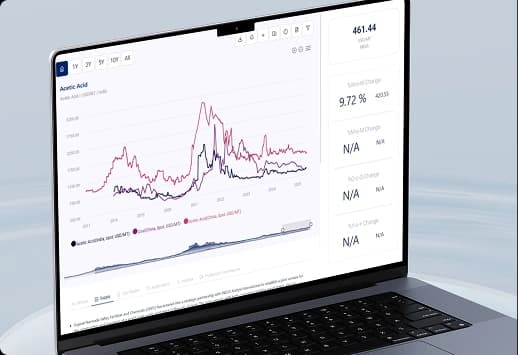
Turn price intelligence into action with the Procurement Resource Database. Log in or subscribe to unlock live price trends, historical charts, supplier databases, cost curves, and analyst-backed insights across chemicals, agriculture, energy, packaging, and more. Use these tools to benchmark your contracts, plan budgets with confidence, and stay ahead of market moves on every product you buy.
Tungsten Carbide Dashboard Inclusions
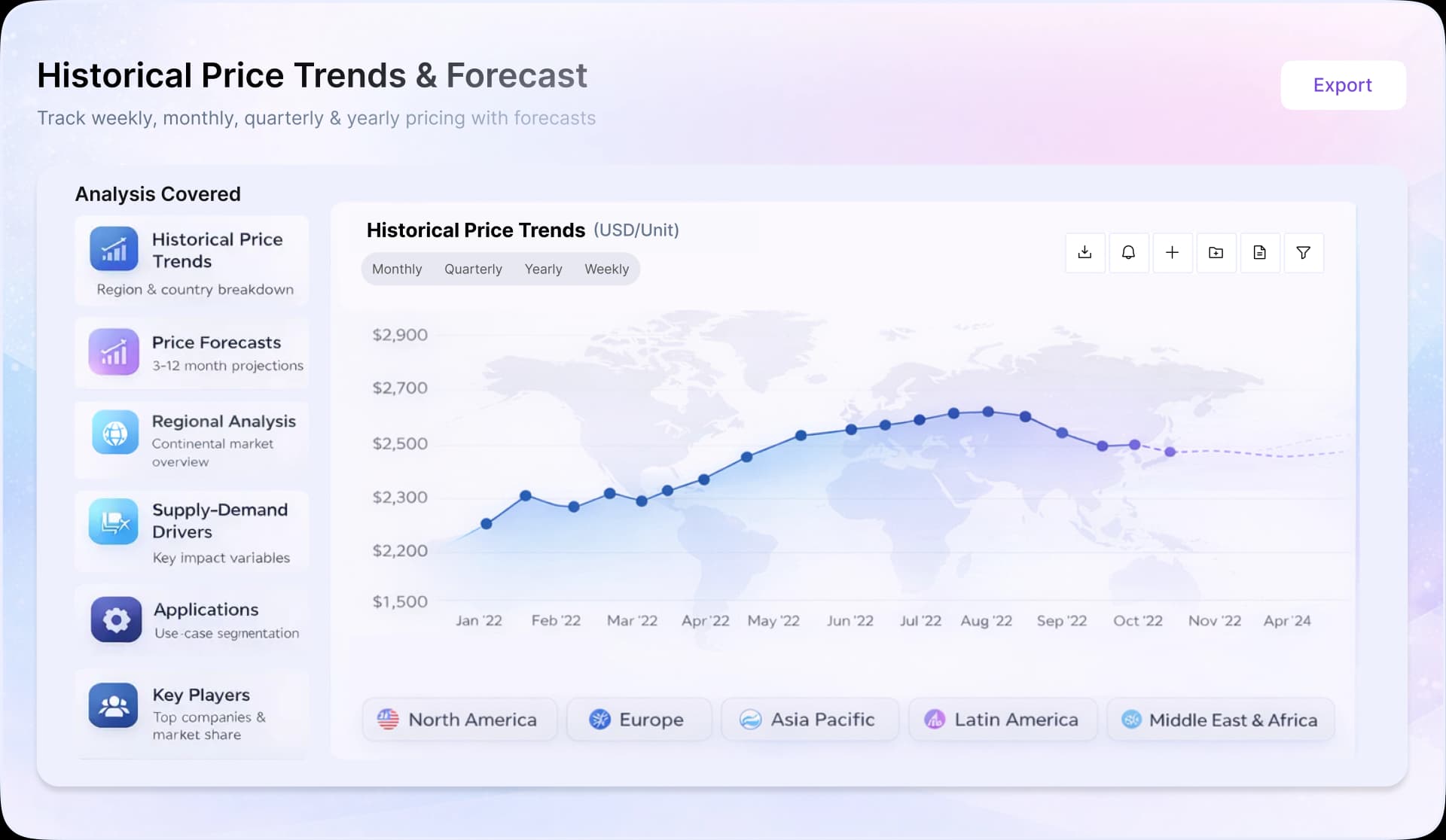
0
+Products
0
+Regions
0
+Subscriptions
The global tungsten carbide market in H2 2025 exhibited a strong upward trajectory, driven primarily by tightening upstream tungsten supply and sustained demand across critical industrial sectors. During the third quarter, the market experienced volatility, with temporary corrections linked to inventory adjustments and fluctuating demand; however, persistent supply constraints, particularly due to restrictive export policies and limited concentrate availability, continued to support underlying price strength. As the market progressed into the fourth quarter, supply shortages became more pronounced, with reduced export allocations from key producing regions and elevated production costs amplifying upward pressure. Demand remained robust across aerospace, defense, automotive tooling, and electronics sectors, encouraging strategic stockpiling and forward procurement. Additionally, logistical challenges and rising energy costs further constrained supply chains, limiting the availability of processed tungsten carbide materials. Overall, the market maintained a firm and bullish sentiment in the second half of 2025, shaped by constrained raw material flows, resilient industrial demand, and heightened supply-side risks.
The global tungsten carbide market in Q2 2025 displayed a mixed yet cautiously balanced trend, influenced by fluctuations in upstream tungsten supply and varying downstream demand across regions. In North America and Europe, the market experienced a softening phase due to moderate oversupply and subdued demand from key industrial sectors such as automotive and machinery, although aerospace and defense applications continued to provide baseline support. Stabilization in logistics and energy costs during the quarter further limited sharp price movements. In contrast, the Asian region witnessed a modest upward trend, driven by tightening raw material availability, particularly due to export restrictions and regulatory measures affecting tungsten ore supply. This constrained feedstock flow elevated production costs for tungsten carbide, despite buyers maintaining cautious procurement strategies. Toward the end of the quarter, tightening global supply chains and lean inventories began to support firmer sentiment. Overall, the market reflected a transitional phase, balancing supply constraints with measured industrial demand.
Tungsten carbide prices showed strong upward momentum throughout Q1’25, continuing the rally that began in late 2024. The quarter started with significant price increases driven by severe supply constraints from mining operations, creating bottlenecks in the production chain. Chinese export controls implemented earlier added further pressure to global supplies, forcing manufacturers to compete for limited inventory.
By February, prices accelerated even more rapidly as industrial buyers engaged in aggressive pre-holiday restocking while several separation plants underwent scheduled maintenance, further tightening available supply. This coincided with increased defense sector demand, as tungsten's critical role in military applications drove strategic purchasing.
March saw no relief as Western manufacturers, particularly in precision tooling and aerospace, scrambled to secure non-Chinese supply channels amid growing concerns about supply chain security. The industrial machine tool sector, heavily dependent on tungsten carbide for cutting tools, absorbed price increases while passing costs downstream. Trading volumes decreased as holders became reluctant to sell, anticipating further price gains.
During the second half of 2024, tungsten carbide markets experienced notable fluctuations across global regions. The third quarter began with moderate stability but gradually shifted as market forces evolved. Supply chains demonstrated resilience despite ongoing shipping challenges, though operational inefficiencies at smelters created bottlenecks in certain regions.
In North America, the market showed marginal improvement in the fourth quarter after experiencing volatility in Q3. This upturn was primarily driven by strategic stockpiling and increased activity in aerospace and defense sectors. Manufacturing recovery remained below optimal levels, but production of rocket engines and air defense systems provided steady support. Automotive and electronics industries contributed positively, though some downstream sectors like carbide and hard alloys faced reduced orders and squeezed profit margins.
European trends mirrored North America with slight upward movement by year-end. Germany's market benefited from new mining approvals enhancing domestic production capabilities, despite persistent energy cost challenges. Defense contracts and automotive manufacturing bolstered demand, with significant developments like helicopter supply agreements reinforcing market stability.
The Asian region faced more challenging conditions, with prices declining in the final quarter. Vietnam's market exhibited mixed performance, starting with manufacturing recovery that was later undermined by sharply declining vehicle sales and reduced foreign orders. Chinese suppliers managed inventories strategically, but widespread cautious procurement strategies from downstream buyers maintained downward pressure.
In the first half of 2024, tungsten carbide prices experienced a steady upward trend, driven by a combination of production cuts, tightening supply, and rising demand. China's reduction in tungsten production, stricter environmental regulations, and a decrease in mining quotas created a supply squeeze, particularly for high-grade tungsten concentrates. The reduced availability of tungsten raw materials, along with production halts in key mining areas due to environmental inspections, added pressure on the supply side.
Additionally, geopolitical tensions, such as the ongoing conflicts in Ukraine and the Middle East, boosted demand for tungsten in military applications. The growing demand from sectors like the photovoltaic industry and manufacturing, which rely on tungsten for tools and hard alloys, further exacerbated the supply-demand imbalance. In response, tungsten concentrates prices in China surged, leading to a ripple effect on downstream products like tungsten carbide.
While Western markets saw a slower price response, the global tungsten carbide market ultimately followed the upward trend. The tight availability of material in both Chinese and overseas markets, combined with a gradual recovery in demand, especially in the defense and photovoltaic sectors, provided strong support for tungsten carbide prices throughout the period. However, some market participants questioned the sustainability of this rise, as inventories began to deplete, and stockholders considered destocking in the event of a price stabilization.
The production process of tungsten carbide involves the use of tungsten metal, and thus, its price trend depends on its market activities. It has extreme hardness and wear resistance, due to which it is extensively used in making mining equipment, aerospace and defense tools, and heavy-duty products.
In the first two quarters of 2023, the prices of tungsten fluctuated but remained on the lower end of the spectrum as the performance of end-user industries faced severe volatility. During this phase, the rates of exports from China declined, which caused disruptions in the supply chains. The semiconductor industries also suffered from this restricted supply.
However, on the other hand, Group 6 Metals initiated the functioning of new tungsten mines in Australia which increased the production rates while the trading activities moved southwards.
About Tungsten Carbide
Tungsten carbide is a water-resistant compound that is utilized in several industrial processes. In addition to this, it also has a high melting point and exceptional thermal stability to withstand extreme reaction conditions. It also possesses excellent strength and durability, which are essential in a wide range of chemical processes such as mining, metalworking, aerospace, etc.
Tungsten Carbide Product Detail
WC
Regional Coverage
Asia Pacific
Europe
North America
Latin America
Africa
CurrencyUS$ (Data can also be provided in local currency)
Supplier Database AvailabilityYes
Customization ScopeThe report can be customized as per the requirements of the customer
Post-Sale Analyst Support360-degree analyst support after report delivery
Note: Our supplier search experts can assist your procurement teams in compiling and validating a list of suppliers indicating they have products, services, and capabilities that meet your company's needs.
Tungsten Carbide Production Processes
- Production process by the chemical reaction of tungstic acid and ammonium paratungstate in hydrogen and methane
In this process, tungstic acid reacts with ammonium paratungstate in a gaseous mixture of hydrogen and methane. The reaction occurs at around 1000°C and gives tungsten carbide as the final product.
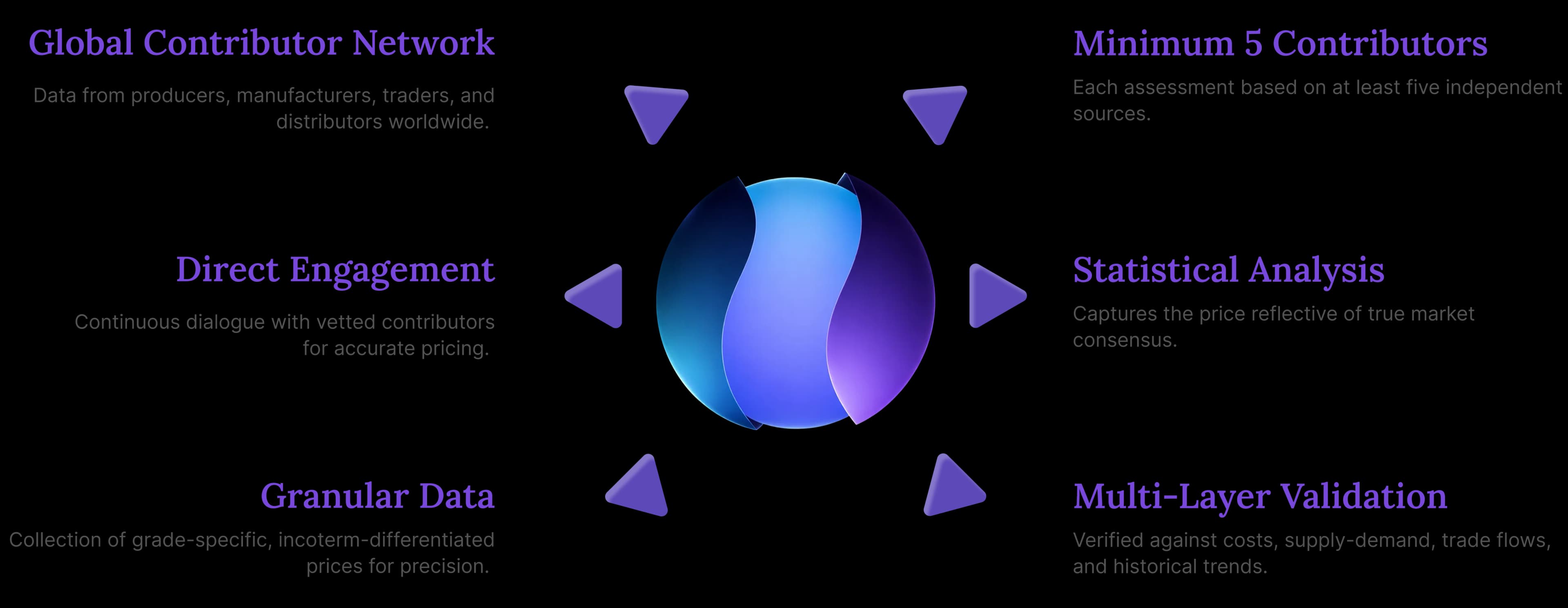
Our Price Analysis Methodology
Schedule A Demo
Experience how Procurement Resource transforms raw material price data into clear, decision ready intelligence. Optimise your performance with reliable, expert market data and analysis. Schedule your demo today to experience a live walk-through where our experts will showcase interactive price charts, forecasted prices, and insights driving the prices for your key commodities, tailored to your workflows. Contact us now!
Our Team will be happy to assist you
We are just a text away
Still Need Help ?
Subscription Plans
Unlock full access to Procurement Resource's price databases, interactive charts, and short-term forecasts for thousands of commodities. Elevate your sourcing decisions by comparing prices across regions, downloading historical data, and layering in analyst-backed insights, all with our flexible plans that scale as your portfolio grows.
Still have any Questions
Contact Us



Price Trend Dashboard - What's Included
Price trends across a diverse portfolio of categories amd products, spanning board to niche chemicas
Coverage extendable to grade-specific chemicals based on procurement requirements
Regular price tracking supported by robust historical datasets
News, policy updates, and key market drivers impacting price movements
Short-term and long-term price outlooks and forecasts
Supply–demand dynamics and capacity-driven market analysis
- Unlimited Users
- Historical Monthly Price
- USA, Europe, APAC Covered
- Monthly Forecast
- 12 Months validity
- News & Events
- 50 Products (Refer Next Page For List)
Why Procurement Database

Assistance from Experts
Throughout 2024, the Asian acetoin market experienced fluctuating trends with regional variations. Q1 began with moderate price increases driven by supply constraints from Chang Chun Plastics' maintenance shutdown in Taiwan. Post-S...

Client's Satisfaction
Throughout 2024, the Asian acetoin market experienced fluctuating trends with regional variations. Q1 began with moderate price increases driven by supply constraints from Chang Chun Plastics' maintenance shutdown in Taiwan. Post-S...

Assured Collaboration
Throughout 2024, the Asian acetoin market experienced fluctuating trends with regional variations. Q1 began with moderate price increases driven by supply constraints from Chang Chun Plastics' maintenance shutdown in Taiwan. Post-S...
Global Insights
Throughout 2024, the Asian acetoin market experienced fluctuating trends with regional variations. Q1 began with moderate price increases driven by supply constraints from Chang Chun Plastics' maintenance shutdown in Taiwan. Post-S...