Drewry container index rises 12 percent as ocean freight pressure returns
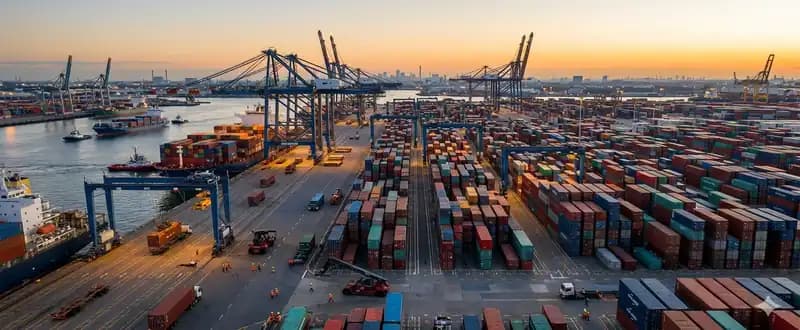
- Drewry’s World Container Index rose 12% to $2,553 per 40-foot container.
- Transpacific and Asia-Europe routes drove the latest spot-rate increase.
- Early peak-season demand and carrier surcharges lifted freight costs.
- Importers may face higher landed costs on containerized goods.
- Spot buyers and index-linked contracts are most exposed near term.
Ocean freight buyers are facing a fresh rise in spot container costs after Drewry’s World Container Index climbed 12% to $2,553 per 40-foot container on 14 May. The increase was linked to stronger rates on Transpacific and Asia-Europe trade lanes, with early peak-season demand and carrier surcharges pushing the market higher.
The rate move is important for importers because it interrupts the softer pricing trend many buyers had expected to use in short-term freight negotiations. A double-digit weekly increase can quickly change landed-cost assumptions for goods moving in containers, especially for lower-margin products where freight is a large part of the delivered price. It also gives carriers more room to defend general rate increases and peak-season surcharges in near-term discussions.
For procurement teams, the timing is sensitive. Many companies are setting second-half shipping plans, reviewing supplier lead times, and deciding whether to move goods earlier to avoid later congestion or higher seasonal rates. A sudden rise in index-linked pricing can also affect contracts that reset against market benchmarks. Buyers using spot freight are likely to feel the change first, but contract customers may see pressure if carriers limit space or push premium services during busier weeks.
The increase on Asia-Europe and Transpacific routes also matters for downstream categories. Retail goods, electronics, packaging inputs, machinery components, chemicals, auto parts, and food ingredients often move through these lanes. If container rates keep rising, suppliers may seek freight adjustments or shorten quote validity periods. That can complicate purchase orders where product prices are agreed but logistics costs remain open.
Shippers should review sailing schedules, blank sailing notices, and carrier surcharge announcements before locking purchase timing. The market is still below the extreme levels seen during earlier disruption periods, but the latest move shows that container costs can reset quickly when seasonal demand, capacity decisions, and carrier pricing actions line up. For buyers with urgent cargo, the practical question is whether paying now secures space at a manageable rate or whether waiting risks a higher all-in cost.
Recent News & Articles

Methyl Vinyl Ether Buyers Review Regulatory Fit Before Supplier Approval

Feed Barley Procurement Tightens as Australian Output Is Expected to Drop

Diethyl Sulfate Procurement Requires Hazardous Substance Cost Checks

Castor Oil Procurement Needs Quality Review Before June Contracts

Zinc Sulfate Procurement Tightens as Zinc Rally Raises Supplier Offers
Tags
- Access independent price trends and market intelligence for thousands of raw materials.
- Request customised production cost and prefeasibility reports for specific plants or locations.
- Explore subscription dashboards for continuous tracking of prices, indices, and news.
- Commission bespoke research on categories, suppliers, or trade flows tailored to your brief.
Our Team will be happy to assist you
We are Just a Text away



.webp&w=1080&q=75)