Brent Crude Drops After Hormuz Reopening Then Recovers as Iran Restores Shipping Restrictions
May 11, 2026
˜ Prakhar Panchbhaiya
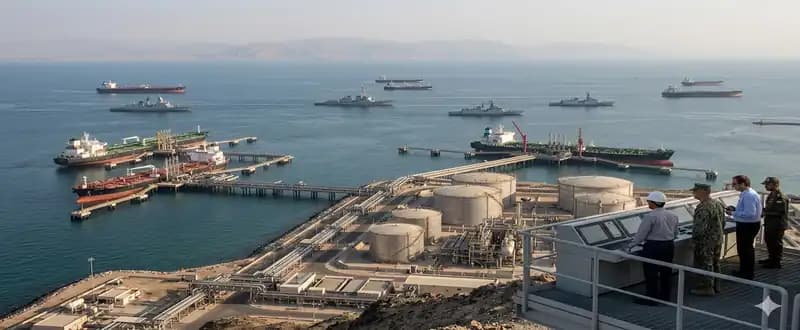
- Crude oil prices fell recently in mid-April after Iran declared the Strait of Hormuz open, reducing geopolitical risk and pressuring Brent crude.
- North Sea benchmarks dropped sharply after the reopening news, triggering long liquidation in futures markets.
- Losses were limited as mines and weak security guarantees kept tanker traffic below normal levels.
- Prices rebounded recently in late April after the US Navy seized an Iranian vessel and Iran restored strait restrictions.
- Attacks on commercial ships, the nearing ceasefire expiry and stalled US-Iran talks revived supply fears and lifted risk premiums.
Crude oil prices moved lower recently in mid-April before recovering in late April as shifting signals around the Strait of Hormuz changed the market’s view of supply risk. Prices fell in mid-April after Iran said the Strait of Hormuz was open, easing fears of disruption along one of the world’s most important oil shipping routes. The statement reduced the geopolitical risk premium in crude markets and pressured Brent prices lower. The decline deepened as North Sea benchmarks dropped sharply after the reopening news. The move triggered long liquidation in futures markets, with traders cutting bullish positions as immediate supply fears eased.
Losses were limited later in mid-April because shipping risks did not disappear fully. Reports of mines and weak security guarantees kept tanker movement below normal levels, leaving the market cautious despite the announcement that the strait was open. Prices rebounded recently in late April after the US Navy seized an Iranian vessel and Iran restored restrictions around the strait. The renewed controls revived concern over supply flows and brought risk premiums back into crude prices. Mid-week attacks on commercial ships, including a Greek-owned cargo vessel, added to safe-passage concerns. The incidents made traders more cautious about maritime security and supported a rise in oil prices. The market stayed firm as the ceasefire expiry approached and US-Iran talks remained stalled. With diplomatic progress uncertain and tanker traffic still exposed to disruption risks, crude prices moved back close to levels seen before the mid-April decline.
Request the Latest Crude oil Price Data - Get Your Free Sample Report
The recent April movement showed how quickly oil prices responded to changes in Gulf shipping risk. Prices fell when the Strait of Hormuz was declared open, then recovered when vessel seizures, renewed controls and attacks on commercial shipping raised fears over supply security.
Recent News & Articles

Methyl Vinyl Ether Buyers Review Regulatory Fit Before Supplier Approval

Feed Barley Procurement Tightens as Australian Output Is Expected to Drop

Diethyl Sulfate Procurement Requires Hazardous Substance Cost Checks

Castor Oil Procurement Needs Quality Review Before June Contracts
Zinc Sulfate Procurement Tightens as Zinc Rally Raises Supplier Offers
Tags
#Commodity Prices
#Commodity Prices
#Commodities#Commodities
#Industrial News#Industrial News
#Gold#Gold
#Chemicals#Chemicals
#Outlook for Potassium Carbonate#Outlook for Potassium Carbonate
#US Steel Scrap Prices#US Steel Scrap Prices
#USDA Milk Forecast#USDA Milk Forecast
#Cheese Prices#Cheese Prices
#Agriculture Raised#Agriculture Raised
- Access independent price trends and market intelligence for thousands of raw materials.
- Request customised production cost and prefeasibility reports for specific plants or locations.
- Explore subscription dashboards for continuous tracking of prices, indices, and news.
- Commission bespoke research on categories, suppliers, or trade flows tailored to your brief.
Our Team will be happy to assist you
We are Just a Text away




.webp&w=1080&q=75)