Crude Oil Price Trend Analysis 2026: Market Insights, Historical Prices, Price Drivers, Latest News & Supply Demand Analysis
Crude Oil Price Trend Q1 2026
| Product | Region | Incoterm Basis | Price | Last Updated Month |
| Crude Oil | USA | FOB | USD 105.07/bbl | April 2026 |
| Crude Oil | UAE | FOB | USD 108.02/MT | April 2026 |
| Crude Oil | Russia | FOB | USD 112.14/MT | April 2026 |
| Crude Oil | Netherlands | FOB | USD 110.40/MT | April 2026 |
| Crude Oil | Iran | FOB | USD 105.70/MT | April 2026 |
| Crude Oil | USA | FOB | USD 101.38/bbl | March 2026 |
| Crude Oil | UAE | FOB | USD 106.81/MT | March 2026 |
| Crude Oil | Russia | FOB | USD 98.04/MT | March 2026 |
| Crude Oil | Netherlands | FOB | USD 103.97/MT | March 2026 |
| Crude Oil | Iran | FOB | USD 102.88/MT | March 2026 |
Stay updated with the latest crude oil prices, historical data, and tailored regional analysis
- The Iran war has triggered unprecedented volatility in oil markets. Brent and WTI have surged since the start of the conflict, reflecting both real supply shortages and heightened risk premiums. Shipping delays, insurance hikes, and geopolitical uncertainty have intensified the market shock.
- The effective closure of the Strait of Hormuz halted roughly 20% of global oil and LNG flows. OPEC+ output cuts of up to 11 million bpd, Iraqi storage constraints, and Gulf tanker congestion created an acute supply deficit. Freight costs spiked, and insurance premiums for tanker shipments rose sharply, further increasing landed crude prices.
- Elevated oil prices and global economic pressures have restrained demand growth. Asian refiners faced feedstock shortages, European buyers navigated limited imports while avoiding risk-prone routes, and North American markets relied on strategic stockpiles and domestic production adjustments to maintain supply.
Asia
In India, crude oil prices climbed from INR 4,965.06/barrel in January to INR 6,590.20/barrel in March, marking a 23.35% month-on-month jump and a 13.87% increase quarter-on-quarter. The Middle East conflict disrupted standard tanker routes through the Strait of Hormuz, prompting a surge in freight charges and insurance costs for crude shipments. Indian refiners such as IOC, HPCL, and BPCL began demanding advance payments from retail outlets to manage constrained supply. With 40% of India’s crude imported from the Middle East and 60% of LPG passing through Hormuz, domestic LPG availability dropped. Refineries have been forced to seek alternate suppliers, including Russian barrels, while rescheduling maintenance and shipping plans to mitigate shortages.
Europe
In the European region, the crude oil prices rose notably in the first quarter of 2026. Disrupted Gulf exports forced European buyers to compete for limited cargoes, driving up both freight rates and insurance premiums. LNG shipments intended for Asia were partially rerouted, affecting European energy logistics. Supply shortfalls combined with a stronger dollar raised import costs. Energy security concerns also prompted European buyers to secure long-term contracts and explore non-Gulf sources. Overall, these factors kept crude and product prices high despite moderate demand growth tempered by inflationary pressures and economic slowdown risks.
North America
Crude oil in North America rose from 64 USD/barrel (SPOT) in January to 86 USD/barrel in March, representing a 25.56% month-on-month increase and 16.74% quarter-on-quarter rise. The U.S. faced high-risk premiums for Gulf imports, with insurance and freight costs climbing sharply due to the Iran war. Strategic stockpiles helped cushion the impact, with crude inventories rising by 3.5 million barrels to the highest level in over three years. Domestic production adjustments and potential U.S. Navy escort operations for tankers through Hormuz were key to stabilizing the market. Nonetheless, the elevated geopolitical risk kept WTI prices volatile, with further spikes possible if tanker traffic remains restricted.
Analyst Insight
According to Procurement Resource, Crude oil prices are expected to stay elevated in the near term as geopolitical tensions persist, and Gulf shipping routes remain disrupted. Any easing of the conflict could lead to gradual stabilization, but markets will remain sensitive to supply and logistical risks.
Related Report
Our Clients































Procurement Resource Database
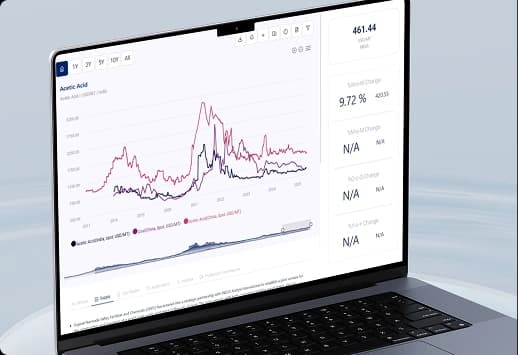
Turn price intelligence into action with the Procurement Resource Database. Log in or subscribe to unlock live price trends, historical charts, supplier databases, cost curves, and analyst-backed insights across chemicals, agriculture, energy, packaging, and more. Use these tools to benchmark your contracts, plan budgets with confidence, and stay ahead of market moves on every product you buy.
Crude Oil Dashboard Inclusions

0
+Products
0
+Regions
0
+Subscriptions
| Product | Category | Region | Price | Last Updated Month |
| Crude Oil | Operating Costs, Logistics and Utilities | India | 59 USD/Barrel | October 2025 |
| Crude Oil | Operating Costs, Logistics and Utilities | India | 58 USD/Barrel | December 2025 |
| Crude Oil | Operating Costs, Logistics and Utilities | North America | 63 USD/Barrel | October 2025 |
| Crude Oil | Operating Costs, Logistics and Utilities | North America | 63 USD/Barrel | November 2025 |
Stay updated with the latest Crude Oil prices, historical data, and tailored regional analysis
Asia
The Asian crude oil market during the fourth quarter exhibited mixed price movements characterized by volatility and shifting fundamentals. The prices were about 59 USD/Barrel in October and around 58 USD/Barrel in December in the Indian markets. The quarter opened with prices experiencing a sharp decline through the early period as mounting concerns regarding global oversupply emerged, with international agencies raising supply growth projections while lowering demand forecasts. Following this initial weakness, prices entered a period of range-bound trading and modest stabilization through the middle portion of the quarter as market participants assessed evolving supply-demand dynamics.
Brief recovery attempts materialized as geopolitical considerations and short-term supply adjustments provided temporary support. However, persistent surplus expectations and weaker economic indicators from China, including slower factory output and retail sales growth, prevented sustained upward momentum. The latter portion of the quarter saw renewed downward pressure as trade tensions between major economies added uncertainty, while reduced geopolitical risk premiums diminished price supports. Prices fluctuated within established ranges before closing the period with mixed direction, reflecting the competing influences of supply abundance and sporadic demand signals.
Europe
In the European region, the crude oil price graph demonstrated wavering pricing patterns throughout the fourth quarter. International Energy Agency projections indicated supply growth of three million barrels per day, outpacing demand estimates of approximately seven hundred thousand barrels daily, creating persistent downward pressure. OPEC+ announcements regarding production increases, combined with expectations of robust output from the Americas, intensified oversupply fears and drove prices lower.
The market witnessed brief recovery attempts sparked by optimism surrounding potential de-escalation of trade tensions, though these rebounds proved short-lived as fundamental supply-demand imbalances reasserted control. Reduced geopolitical risk premiums emerged as stability expectations improved in key producing regions, further limiting upward price supports. The latter portion of the quarter saw prices fluctuating within established ranges as traders balanced accumulating inventory forecasts against sporadic demand signals from European industrial and transportation sectors, with overall consumption patterns showing limited growth momentum amid economic uncertainties.
North America
North American markets experienced relatively stable price trajectory during the quarter. The prices were about 63 USD/Barrel (SPOT) in October and around 63 USD/Barrel in November. Prices fell slightly through the early period, continuing the decline from the previous quarter, before establishing a more stable trading range. Domestic production maintained a steady output with forecasts indicating continued modest expansion capability. The market absorbed supply disruptions related to Latin American producers through existing inventory buffers and alternative sources. OPEC+ production increases added volumes to global availability, though demand patterns across transportation and industrial sectors provided offsetting support. Price differentials between regional benchmarks reflected transportation infrastructure considerations and localized supply-demand balances, with markets demonstrating greater stability compared to earlier volatility.
| Product | Category | Country | Price | Last Updated Month |
| Crude Oil | Operating Costs, Logistics and Utilities | India | 67 USD/MT | July 2025 |
| Crude Oil | Operating Costs, Logistics and Utilities | India | 63 USD/MT | September 2025 |
| Crude Oil | Operating Costs, Logistics and Utilities | U.S.A | 66 USD/Barrel | July 2025 |
| Crude Oil | Operating Costs, Logistics and Utilities | U.S.A | 65 USD/Barrel | August 2025 |
Stay updated with the latest Crude Oil prices, historical data, and tailored regional analysis
Asia
In Asia, crude oil prices displayed fluctuations through the third quarter of 2025. The market opened with a period of firming values as demand indicators remained steady and buyers showed interest in securing shipments. However, as the quarter progressed, prices moved downward, pressured by rising supply concerns following OPEC+ decisions to implement additional production increases. In India, the crude oil price curve displayed oscillating movements with a downward bias during the quarter. The prices were about 67 USD/MT in July and around 63 USD/MT in September. A brief rally occurred in response to localized demand from refiners, but gains were not sustained. The onset of refinery maintenance season dampened intake volumes, further reinforcing the downward tendency. Toward the latter part of the quarter, geopolitical tensions involving Russia and Ukraine added volatility, with spot values showing temporary increases before easing again.
Europe
In Q3’25, the European crude oil market was strongly influenced by external supply factors and regional geopolitical tensions. The OPEC+ decision to raise production amplified concerns of oversupply, pressuring values across the continent. At the same time, European buyers faced uncertainty around Russian exports and sanctions, which created temporary disruptions but did not materially reduce overall inflows. Market sentiment shifted repeatedly as news of military activity in Eastern Europe and the Baltic region intersected with broader supply trends. Although geopolitical risks provided a short-lived upward movement, the general direction was shaped by increasing global availability of crude. Refinery turnaround schedules in parts of Europe further reduced crude intake, limiting upside potential. By the close of the quarter, prices reflected a balance of ample supply and constrained demand, leaving the European market in a relatively subdued position.
North America
In North America, crude oil prices also moved lower during the third quarter of 2025. The OPEC+ production hikes compounded the downward pressure, reinforcing oversupply signals. The prices were about 66 USD/Barrel (SPOT) in July and around 65 USD/Barrel in August. Although the U.S. Federal Reserve implemented an interest-rate cut during the quarter, the measure did not significantly stimulate crude consumption. Refinery maintenance further lowered near-term demand, leading to higher-than-expected distillate stockpiles. Geopolitical events created occasional price spikes, especially with tensions in Europe and the Middle East, but these were not sustained. By the end of the quarter, the North American market showed signs of softness, shaped more by supply growth and tempered demand than by temporary shocks.
| Product | Category | Country | Price | Last Updated Month |
| Crude Oil | Operating Costs, Logistics and Utilities | India | 63 USD/Barrel | April 2025 |
| Crude Oil | Operating Costs, Logistics and Utilities | India | 62 USD/Barrel | June 2025 |
| Crude Oil | Operating Costs, Logistics and Utilities | U.S.A | 62 USD/Barrel | April 2025 |
| Crude Oil | Operating Costs, Logistics and Utilities | U.S.A | 68 USD/Barrel | June 2025 |
Stay updated with the latest Crude Oil prices, historical data, and tailored regional analysis
Asia
In the Asia region, crude oil prices were also highly volatile in Q2 of 2025. The prices were about 63 USD/Barrel in April and around 62 USD/Barrel in June in the Indian markets. In the beginning of the quarter, the prices moved downwards mainly because of fears of softening world demand in light of growing trade tensions. Specifically, the move by the U.S. administration to impose tariffs put further pressure on crude oil prices since it also fueled concerns about a global trade war that might affect oil consumption. In spite of this initial decline, prices recovered quite strongly in the latter part of the quarter. Geopolitical tensions, particularly the escalation of hostilities between Iran and Israel, added to the uncertainties in the market, with speculations on possible disruptions in the Middle East. The dramatic price increase was a direct result of these tensions, especially when the U.S. bombed Iranian nuclear sites, triggering concerns of supply disruption. However, the price recovery did not last long, as market hopes of a ceasefire undermined bullish sentiments.
Europe
In Europe, the crude oil price curve displayed oscillating price movements during Q2’25. Similar to Asia, prices declined at first on account of the weaker economic prospects and the global trade uncertainty induced by the U.S. tariffs. However, the region saw a significant reaction to the geopolitical risks, especially after the U.S. attack on Iran. With Iran being a major player in global oil supply, any disruption to its output or the security of key shipping lanes like the Strait of Hormuz resulted in a spike in oil prices. However, the surge was short-lived, as market sentiment adjusted after responses in the last days of the quarter. Prices in Europe also took the lead from the global trend, with volatility in the market determined by the negotiations and speculations involving OPEC+ moves on output level changes.
North America
In North America, the prices of crude oil witnessed mixed trends during Q2 of 2025. The prices were about 62 USD/Barrel (Spot) in April and around 68 USD/Barrel in June in the U.S.A. The price fall in the initial days was a result of uncertainty over economic growth and slow oil demand, particularly with the U.S. imposing tariffs on its trading partners. However, in the second half of the quarter, the situation changed, especially because of Middle East geopolitical developments. The American attacks on Iran's nuclear plants gave the markets a temporary surge in prices, as the market players expected possible interference with the world supply of oil. The rising prices were also fueled by high domestic production numbers, with America reporting record levels of crude oil production. Refining margins were still tight even with the production increase, and a surprise build in crude oil stock added to the price volatility.
| Product | Category | Country | Price | Last Updated Month |
| Crude Oil | Operating Costs, Logistics and Utilities | North America | 75 USD/Barrel | January 2025 |
| Crude Oil | Operating Costs, Logistics and Utilities | North America | 67 USD/Barrel | March 2025 |
Stay updated with the latest Crude Oil prices, historical data, and tailored regional analysis
Asia
In Q1 of 2025, Asian crude oil prices witnessed mixed trends, starting with an increase before falling steadily. Early price hikes were due to geopolitical tensions, including US threats to impose tariffs on Russia's oil exports. These events pushed the crude oil prices to rise, with market players closely watching OPEC+ production levels. The momentum, however, could not be maintained since underlying apprehensions regarding the economic outlook began to take its toll. As the quarter progressed, concerns of a worldwide economic slowdown took precedence over geopolitical threats, dampening the demand for oil. Experts attributed it to weak industrial production growth and low consumption expectations, particularly in areas that were already witnessing energy realignments towards alternative fuels. The weakening economic outlook, coupled with high oil inventories, contributed to a steady decline in prices toward the end of the quarter.
Europe
In Europe, the crude oil price trend mirrored the fluctuations seen globally during Q1 of 2025. The increase in price initially was supported by the geopolitical uncertainties and reopening of the industrial sectors after the New Year Holidays. The upward push was temporary as threats of economic stagnation overwhelmed it. Fears of inflationary pressure and sluggish economic growth across the continent muted the demand projection of crude oil. European markets also had to deal with a list of issues, among which was the prevailing uncertainty regarding OPEC+ production goals and how this affected global supply. Despite the challenges, the European market showed a marginally more resistant demand pattern, but with falling prices at the end of the quarter. This was a response to a wider global tendency in which oil markets were adapting to prevailing economic gloom.
North America
In North America, particularly in the United States of America, crude oil prices resembled the trend of the other international markets during Q1 of 2025. The prices were about 75 USD/Barrel (Spot) in January and around 67 USD/Barrel in March in the United States. The increase in the beginning of the year was fueled by increased geopolitical uncertainties. In the US, economic indicators were displaying mixed signals, with some positive readings in industrial production being balanced against the fears of inflation and prospective recessionary pressures. As the quarter progressed, crude oil prices declined as demand growth decelerated in tandem with these larger economic uncertainties. Additionally, the effects of sanctions on Russia and Venezuela continued to pose additional challenges, as uncertainty regarding future production levels dragged on the market. By late March, the price of crude oil had fallen a long way from its initial peaks as non-OPEC+ production growth continued to persist.
Asia
In Asia, demand for crude oil showed signs of weakness, partly due to slower-than-expected economic recovery in key economies. This dampened overall market sentiment, making it harder for OPEC+ to maintain oil price stability.
Countries in Asia, which are major consumers of crude, continued to adjust their oil purchases in response to the fluctuating price environment. Lower refining margins and weak downstream demand also contributed to the subdued oil price trend in the region, as refiners faced challenges in securing profitable operations.
Europe
In Europe, oil majors, particularly Shell and BP, continued to focus on increasing production, despite the softening global demand. The European market was also affected by the general downward pressure on prices due to the oversupply situation caused by rising output from the U.S. and other non-OPEC+ nations. The refining sector struggled with lower margins, contributing further to the weakened pricing environment. Nevertheless, the European majors remained focused on their core oil and gas operations, while scaling back their investments in renewable energy projects, in line with their strategic shift towards more reliable, high-return assets.
North America
North America, especially the U.S., saw record-breaking oil production in Q4, with the supermajors in the Permian Basin pushing output to new highs. This surge in production from American companies further complicated OPEC+'s efforts to control the oil market. The higher output helped offset some of the price challenges caused by the global slowdown in demand and the declining refining margins. U.S. oil producers have become more efficient, improving their profit margins despite lower oil prices, and continued to dominate global supply growth.
| Product | Category | Region | Price | Last Updated Month |
| Crude Oil | Operating Costs, Logistics and Utilities | USA | 69.33 USD/barrel | September’24 |
Stay updated with the latest Crude Oil prices, historical data, and tailored regional analysis
Asia
The global crude oil market exhibited extreme volatility during the said period as floundering Chinese demands and economic headwinds heightened oversupply issues. During the month of July and initial week of August the crude oil prices tumbled drastically. The Chinese post-covid boom for crude oil fizzled out and the domestic demand contracted heavily.
The surging EV sales along with development of national high-speed rail network is restricting the fuel demand. This fundamental shift in the Chinese economic outlook is a cause of concern for the oil suppliers worldwide as outside China the world’s oil demand was tepid at best. However, the prices turned northwards during mid-August given the extreme tensions/escalations in the Middle East. The persistent geopolitical tensions in the Middle East and some positive economic factors in the form of supply shortages in the USA stopped the weakness in the crude oil prices.
Nonetheless, this phase of rebound was very short-lived as soon the Brent and WTI crude futures tumbled. The weak economic outlook of the domestic and international markets soon outweighed the hostilities in the Middle East. To halt the slide of crude oil prices, the OPEC+ members announced that they would postpone the reversal of their extra voluntary production cuts to stabilize the market demand and evaluate the demands prospects for next year. But with the non-OPEC+ supplies rising faster than usual demand is currently offsetting the balance of crude oil market worldwide.
Europe
The erratic behavior of the crude oil prices was prevalent in the domestic European markets as well. The escalations in the middle did provide some upwards momentum to the oil market but soon the other weaking macro-economic factors overtook the market fundamentals.
The gradually softening demand along with oversupply issues is readily affecting the crude oil prices. These falling prices are prompting the European Central Bank to reduce the rates and lower the inflation forecast for the region. This move is likely to add to the mitigate the economic weakness and add to the consumer purchasing power.
North America
Concerns over the falling domestic demands and oversupply issues have led to shortfalls in the crude oil prices in the US domestic market. The US commercial crude oil stocks are increasing readily, indicating weakening demand while putting downward pressure on prices.
The crude oil prices averaged around 69.33 USD/barrel (USA, spot) in September’24. While the US Federal Reserve is expected to announce rate cuts, the officials/analysts warn against hasty rate cuts and it can raise demand concerns in the market, thereby affecting the overall crude oil dynamics. Furthermore, other factors contributing to this price volatility are supply risks amidst the Middle East tension and weak economic outlook in China.
| Product | Category | Region | Price | Last Updated Month |
| Crude Oil | Operating Costs, Logistics and Utilities | USA | 84 USD/barrel | April 2024 |
| Crude Oil | Operating Costs, Logistics and Utilities | USA | 76 USD/barrel | June '24 |
Stay updated with the latest Crude Oil prices, historical data, and tailored regional analysis
Asia
Crude oil prices in the Asian markets were mostly found to be rangebound during the second quarter of the year 2024. After a striking rise in the first quarter, the crude oil began the second quarter on a stable note. Tensions in the Middle East are persistent, yet the clash between Iran and Israel did not escalate as much as per expectations. In April 2024, India's crude oil imports reached their third-highest level at approximately 21.4 million tonnes, a 3% month-on-month and 7% year-on-year increase, driven by domestic demand and export opportunities. Russian imports surged due to reduced Chinese demand and drone attacks on Russian refineries.
Private refiners like Reliance and Nayara, and public ones like Indian Oil and BPCL, increased imports. These increased import quantities helped alleviate cost pressure from domestic consumers. In the Chinese market too the crude oil prices were found wavering low, primarily because of the low demand concerns domestically. China's May crude production showed marginal year-on-year improvement, but industrial output and property sector data showed a lagging recovery. Thereby, the prices sustained their downward momentum throughout the said period.
Europe
Influenced by the global slowdown, crude oil prices were observed to be oscillating low during the said quarter in the European markets as well. The long-standing conflicts in the region particularly the war between Russia and Ukraine kept the markets riddled. Baffled with attacks on its refineries Russia continued to flood the markets with cheaper oil, maintaining high export levels of seaborne crude. India and China remained key buyers of Russian oil, which helped to balance supply constraints from other sources and put downward pressure on prices.
Other advancements in the crude market came after the annual meeting of OPEC nations in June 2024. They discussed extending voluntary oil production cuts at 1.65 million barrels per day until December 2025 to stabilize the global economy. Further, the countries agreed to extend the current 2.2 million barrels per day cut until September 2024.
North America
In the North American crude oil markets, the monthly average prices went from about 84 USD/barrel in April 2024 to around 76 USD/barrel in June '24. Several factors contributed to this subdued performance of crude oil in the US market. There was an unexpected increase in gasoline and distillate fuel stockpiles amidst subtle downstream demands.
The stakeholders were also cautious for the most part, especially before the OPEC+'s annual meeting in June. Therefore, not many major investments were seen in the oil market. Other than this, the anticipated delays in US interest rate cuts also contributed to the stabilization of oil prices. Higher interest rates generally lead to a stronger US dollar, making oil more expensive for holders of other currencies and thereby reducing demand. Overall, a sluggish performance was seen in the North American crude oil markets during the said period.
| Product | Category | Region | Price | Last Updated Month |
| Crude Oil | Operating Costs, Logistics and Utilities | USA | 73 USD/Barrel | January’24 |
| Crude Oil | Operating Costs, Logistics and Utilities | USA | 79 USD/Barrel | March’24 |
Stay updated with the latest Crude Oil prices, historical data, and tailored regional analysis
Asia
The crude oil prices were found to be escalating throughout the said period of the year 2024. Massive supply disruptions were seen during this time as the Israeli war against Hamas became more rampant. The Red Sea was seeing its own freight issues with the rising attacks of the Houthi pirates. This started creating a supply crunch for crude oil in the Asian markets, as the industry here largely depends on external imports.
The edge that the Indian and Chinese markets had with access to discounted Russian oil had been completely phased out. Amidst these supply problems, the downstream sectors remained intact. Demands were steady and rising as a large part of the country’s economic vehicle depended on the access and price of crude oil. With this supportive supply and demand outlook, crude oil prices were witnessed to be rising throughout the discussed span.
Europe
The crude oil price trend in the European markets was not much different from the Asian countries, as the prices were observed to be surging here as well. Russia and Ukraine’s conflict only got deeper with time, which continued to impact the region’s trade dynamics.
Ukraine launched drone attacks on Russian oil refineries, mainly Lukoil Nizhny, Rosneft Ryazan, and Surgut Kirshi. It caused partial operational shutdowns. Consequently, the oil output from the OPEC+ nation tumbled by around 7%. Within the first couple of months, the region witnessed a 3% rise in crude oil prices.
North America
The oil market situation was not much different in the American market than in the other major global markets. Over the span of the discussed tenure, the monthly average prices for crude oil saw a jump of about 8% in the US market. Rates averaged around 73 USD/Barrel in January’24 and went to about 79 USD/Barrel by March’24. This again reflected the major supply crisis in the international markets as OPEC+ also showed a possibility of further cuts in available supplies. Overall, a rising price trend was witnessed in Q1’24.
| Product | Category | Region | Price | Last Updated Month |
| Crude Oil | Operating Costs, Logistics and Utilities | Europe | 90 USD/Barrel | December’23 |
| Crude Oil | Operating Costs, Logistics and Utilities | USA | 78 USD/Barrel | October’23 |
| Crude Oil | Operating Costs, Logistics and Utilities | USA | 71 USD/Barrel | December’23 |
Stay updated with the latest Crude Oil prices, historical data, and tailored regional analysis
Asia
The third quarter’s propulsion in the prices of crude oil in the Asian countries could not be sustained in the fourth quarter of the year. The crude oil price graph showcased a zig-zag movement as the traders hinted at a potential rate cut. This was in view of the subdued demand and excessive supply of crude oil in the Asian countries, and thus, as a result, the crude oil prices during the end phase of the quarter fluctuated towards the lower end.
Europe
The geopolitical tensions in and around the European countries eventually led to the southward movement of Crude Oil Price Trend during the initial phase of the fourth quarter of 2023. The trend in the prices was a steep fall from approximately 90 USD/Barrel (FOB) to 82 USD/Barrel in a single month. However, as the colder months approached the region, the inventories slowly but steadily started to deplete, which gave the Crude Oil Price Trend its required momentum.
North America
A gradual decline from around 78 USD/Barrel (Spot) in October’23 to 71 USD/Barrel in December’23 was noticed in the Crude Oil Price Trend. The major contributing factor to this fall was the outpaced production over the demand for crude oil in the region. The export rates also fell as the Panama Canal dried up during the fourth quarter of 2023, and thus, the ill consequences of these challenging conditions were evident in the fall in crude oil prices.
Asia
The Asian crude oil market registered robust growth during the given period of Q3’23. Especially in the first half of the third quarter, the oil prices surged in a bullish manner. China showcased an immense interest in crude oil during the summer travel season. To complement the consumer interest, the suppliers’ interest also aroused as the refining margins improved immensely following improvements in offshore trading activities in the post pandemic marketplaces.
The edge that the Indian and Chinese crude oil markets achieved because of discounted Russian oil also narrowed since the discounts were alleviated. So, after the stagnancy in crude oil prices in the previous quarter the market outlook improved over the duration of Q3. An upward-wavering price graph was observed.
Europe
The growth in the manufacturing sector drove the European crude oil markets. The average monthly prices started at around 77 USD/barrel (FOB) in July’23 and climbed up to over 85 USD/barrel within the concerned timeline. An approximate 16% inclination in the prices was observed within the given quarter. Overall, the crude oil prices wavered at the higher side during the said period and the market enjoyed positive growth dynamics.
North America
The North American crude oil market was relatively more stable than the other global markets. The average spot price remained at about 75 USD/barrel around the quarter. The market outlook remained positive, with market drivers suggesting a rising outlook.
Asia
Crude oil prices exhibited mixed price trend during the first half of the year 2023; the first quarter was relatively muted as the slow-paced economic recovery in China after a long lockdown kept the demands on the lower side. Further, the availability of cheaper Russian crude oil to both India and China also complimented the lowered prices. However, the growth in the industrial sector picked pace in the second quarter as the Crude Oil prices moved in a positive direction in the latter half of the second quarter. Overall, the crude oil market performance was fair.
Europe
In the European continent, Crude Oil prices were fairly stable during the discussed time period. As Russia’s armed invasion of Ukraine created havoc in the European crude oil market in 2022, prices skyrocketed and were one of the main reasons behind heavy inflation in the region since the European Union collectively banned and sanctioned all oil supplies from Russia.
The 2023 began with some improvement in that situation. As the supply chains were restored and trade routes shifted, the crude oil prices also started subsiding. In Europe, the average prices went from 82 USD/barrel (FOB) in January’23 to around 74 USD/barrel in June’23, with an approximate decline of about 9%.
North America
Crude oil prices fluctuated throughout H1’23 in the American market as well; just like the European market, the prices wavered on the lower end. A little upward push was noticed at the shift of quarters as the interest rates went up with two major US banks collapsing, but otherwise, trend were mostly declining. Average spot prices went from about 78 USD/barrel in Jan’23 to about 70 USD/barrel in June’23.
Asia
The Crude Oil Price Trend witnessed high price volatility throughout the Asian market. With lowered demand and higher power cuts, crude oil prices fell during the start of the said period. The crude oil prices stabilized and plateaued for a while but fell again sharply as the prices in the international market suffered. Despite the tight supply, the prices fell as the Chinese powerhouse was still reeling under the pressure of covid restrictions and the Russian invasion of Ukraine.
Europe
As compared with the previous quarter, the crude oil prices fell during the said period though they were higher than the last year’s levels. The Brents crude oil in Germany averaged 89.76 USD/barrel (FOB Europe) (approx..) towards the end of Q3. The same trend continued in Q4 with prices averaging 80.92 USD/barrel (FOB Europe) in December’22. Though the international prices fell as the restrictions eased and the demand from industrial powerhouse China recovered, the prices in Europe still maintained higher values being the most hard-hit region considering the Russia-Ukraine conflict.
North America
The trend in the US domestic market mimicked the global outlook, and crude oil prices fell drastically. The crude oil prices went from 108.43 USD/barrel in July to 78.49 USD/barrel (Spot USA) (approx..) in December’22. The rising inflation, coupled with contractionary monetary policy and lowered demand, led to baulking of buyers, thereby crashing the prices.
Asia
Due to the supply chain constraints owing to the Russo-Ukrainian conflict, crude oil prices soared globally. During the said forecast period, the price in the Indian domestic market went from 9116 INR/barrel to 8555 INR/barrel. The price trend of crude oil remained firm in the market despite tightening international supply.
However, towards the end, a slight decrease was recorded due to the volatility in the crude oil futures amidst the fear of worldwide recession and the demand destruction due to the record high prices.
Europe
Europe has struggled with an acute energy crisis since the Russian invasion of Ukraine, as many of its member states depend on Russia for their energy needs. The Brent crude oil prices went from 105.8 USD/bbl in April 2022 to 120.1 USD/bbl in June 2022.
Its counterpart, the WTI crude oil prices, went from 101.8 USD/bbl in April 2022 to 114.6 USD/bbl towards the end of this quarter.
North America
During the said quarter, international futures continued to rise further. The US WTI averaged 118.87 USD/bbl at the same time, the Brent crude oil averaged 119.72 USD/bbl in the domestic market.
Soaring prices in the domestic arena were due to the tightened global supply and increased demand from Europe and China (after the lifting of covid restrictions). Though OPEC adjusted its pricing policy, the effect produced was minimal; hence, no simultaneous impact was seen on the increased prices.
Asia
In the afternoon of Asian trading hours, oil prices continued to rise, with international benchmark Brent crude futures up 6.17% to 111.45 USD/barrel. Crude oil prices in the United States rose 6.1% to 109.72 USD/barrel. Brent had previously been increased to a high of 111.78 USD/barrel, a figure not seen since January 2013. Crude oil prices have risen sharply in recent days as Russia continues its attack on Ukraine.
Europe
The brent crude oil prices in Europe stood at 117.25 USD/barrel in March as a result of a continuous increase in prices since December. The constant rise in crude oil prices can be attributed to the tensions between Russia and Ukraine, leading to the several sanctions imposed by the European Union and many individual European nations leading to the decline in exports from Russia.
North America
During March, crude oil prices continued their decline, but natural gas futures surged to their highest level since 2008. ExxonMobil XOM and Shell SHEL both provided information on their anticipated first-quarter earnings on the news front. Murphy Oil MUR, Equinor EQNR, and Petrobras PBR all made the news. In general, the sector had a mixed seven-day period. WTI crude futures fell 1.2% to 98.26 USD/barrel, but natural gas prices increased over 10% to 6.278 USD/MMBtu. The oil market, in particular, declined for the fourth time in five weeks.
Latin America
Brazilian state-run energy company Petrobras closely monitored worldwide oil price movements following Russia's invasion of Ukraine before making any decisions on local gasoline pricing. Crude oil prices rose during the quarter, with global benchmark Brent oil going above 105 USD/barrel for the first time since 2014, as Russia's war on Ukraine intensified fears about interruptions to global energy supplies.
The business, officially Petroleo Brasileiro SA, claimed it aligns local pricing with international rates but permitted prices to decouple during brief periods when it perceived worldwide volatility to be a consequence of short-term shocks rather than fundamental issues.
Asia
Crude oil prices fell in the Asia Pacific region during the fourth quarter of 2021. Though demand outlooks in all Asia Pacific nations remained stable during the quarter, prices increased significantly in October, aided by the early-trade collapse in Chinese coal and other commodities. However, in November, they fell due to increased availability, as the American President asked nations such as China, Japan, and South Korea to release their crude oil stocks in order to enhance total output.
Additionally, prices fell further in the final month of the quarter due to the growing prospect of a decline in demand as a result of the global spread of the new corona virus type, Omicron. As a result, the monthly average price of Crude Oil WTI in India fell from 83.47 USD/barrel in October to 71.57 USD/barrel in December.
Europe
The European market seemed to be optimistic in the fourth quarter of 2021, owing to high demand and restricted supply. Crude oil prices remained steady during the time as a result of the European region's natural gas problem, and therefore demand pressure transferred to crude.
However, a little decline in prices was witnessed in December on fears of a demand collapse due to the growing number of Omicron cases. Thus, Brent Crude Oil (Germany) monthly average prices were rangebound in October and November, hovering around 79.45 to 80.70 USD/barrel.
North America
In Q4 2021, the North American market witnessed an overall negative trend. In October and November, crude oil prices were robust due to supply constraints and strong demand. The influence of Hurricane Ida, which resulted in the closure of refineries, was also felt by the market in this quarter.
However, in the last month of the quarter, a sharp decrease in the offers was noted as a result of rising coronavirus infections globally, which seemed to be a threat to Crude's demand forecast. Additionally, supply improvements assisted the pricing trend. Thus, the month-average price of WTI Crude Oil was 71.84 USD/barrel in December, a decrease of around 10 USD/barrel from October.
Middle East
Crude oil prices recovered before soaring since the depths of a collapse in the spring of 2020, with Brent crude prices skyrocketing from 19 USD/barrel in April 2020 to a three-year high of 86 USD/barrel in October 2021, the prospects for sustained high oil prices for Gulf producers seem to be bleak.
As oil demand began to recover in late 2021, the difficulty in delivering other types of energy items ranging from natural gas to coal raised energy costs internationally, marching alongside inflationary pressures on everything from food to consumer goods. Indeed, many experts and OPEC+ member oil ministers anticipate a more balanced market by mid-2022, as well as a drop in prices, maybe to the 55 USD range, within the following year.
Asia
The market remained stubbornly high in the APAC area, as big customers sought additional barrels and demand became robust as numerous downstream sectors resumed operations following a recovery. Refiners' primary focus had been on Chinese and Indian spot demand as activities increased, driving rising gasoline demand. In mid-March, the Indian Oil Corporation (IOCL) filed a tender seeking sweet crude from West Africa and other places.
China recorded an increase in Brent Crude imports from Iran. Asia’s consumption increased in June as mass immunization programs relaxed limitations in some parts of the region and market sentiments remained positive. As a result of the ripple effect, the Crude Oil Price Trend in India had been positive since April's slow decline. Brent Crude hit 71.23 USD/barrel in June, indicating a 9.53 % increase in the second quarter of 2021.
In the third quarter of 2021, demand in the Asia Pacific region remained moderate to high. The Chinese government's move on 9 September to auction crude oil reserves was expected to lower imports by at least 2% year on year. In accordance with the new strategy, the government held its first auction on 24th September, offloading 7.38 million barrels from state reserves. Crude oil prices in India were evaluated at 75.03 USD/barrel in September, indicating a 6.53 USD/barrel increase in the third quarter of 2021.
Europe
European crude oil prices fell as demand declined due to weakening market sentiments and other restrained economic activity across the region. Almost all petroleum stockpiles, including crude and associated products, increased in March, with a significant rise observed compared to January and February. Demand prospects improved as regional offtakes increased as a result of the resumption of many crackers and refineries, as well as improved downstream production rates.
Demand was bolstered by a mass immunization programme and burgeoning market activity. Europe Brent Crude spot prices were 73.16 USD/barrel in June. During the third quarter of 2021, the market displayed mixed prospects. Energy constraints in Europe continue to weigh on oil markets, with diesel futures trading in severe backwardation, owing to a transition to gasoil/diesel generation in Q3. Throughout the quarter, demand remained high. European Brent Crude spot prices were estimated at 74.92 USD/barrel in June.
North America
The North American market had a significant supply shortage due to strong freeze weather conditions in Texas and the surrounding US Gulf coast region, resulting in regional output restrictions by the extractors. Demand was mixed owing to the suspension of major US Gulf Coast refineries in mid-February, including those of Dow Chemicals and ExxonMobil, as well as force majeure on several downstream petrochemical units. On 11th March, WTI Crude soared to 66 USD/barrel, reaching a multi-month high in a single day.
Restored industrial activity on the US Gulf Coast brightened the prospects for the North American market. The restart of various refineries and crackers increased the demand. The regional supplies were harmed in the second quarter of 2021 by a cyber-attack on the colonial pipeline.
WTI prices continued to grow in Q2 on the back of higher industrial activity and improved volume offtakes, with offers experiencing a multifold increase on a month-over-month basis. In June, WTI crude oil was valued at 70.04 USD/barrel, an increase of 8.46 USD/barrel from May.
In Q3 of 2021, the market faced a mixed bag of possibilities. Hurricane Ida, which made landfall near Port Fourchon on the Gulf coast in the final week of August, knocked out 96% of crude oil and 94% of natural gas production in federally administered areas of the Gulf of Mexico in the United States. From August 27 to September 3, gross inputs into Gulf Coast refineries decreased by 1.6 million barrels per day. By September's conclusion, a large number of refineries restarted operations.
Latin America
Colombia ranks third in Latin America's oil production, after Brazil and Mexico. The Andean country is a significant commercial partner of the United States, accounting for the fifth highest share of US oil imports, after only Saudi Arabia and Russia. Colombia delivered an average of 203,000 b/d, or 2.4% of total US crude oil imports in 2021, according to US EIA statistics.
While the conflict-torn country formerly produced more than a million b/d on average, hitting 1,005,600 b/d in 2015, oil output has been slowly dropping since then. There are indications that, despite a successful 2021 bid cycle that resulted in the award of 30 contracts totaling around $149 million in investment, Colombia's production growth will stay subdued and will eventually return to pre-pandemic levels of roughly 900,000 barrels daily.
Middle East
Saudi Arabia's top oil exporter was expected to raise its August official selling prices (OSP) for Asia for the second month in a row, tracking higher crude benchmarks. The August OSP for Saudi flagship grade Arab Light was expected to rise by 65 cents a barrel, with forecasts ranging from 50 cents to 70 cents.
In June, Asia's refining margin for gasoline averaged 5.40 USD/barrel, 12% lower than the previous month's average of 6.16 USD/barrel, while the naphtha crack climbed marginally. Saudi Aramco sets its crude pricing based on client suggestions and after estimating the change in the value of its oil during the previous month, based on yields and product prices.
Asia
The market in Asian countries expanded somewhat in the last quarter of 2020 as the pandemic's influence subsided. Nationwide lockdowns in major economies wreaked havoc on the crude oil business. In October, the majority of Asian nations, including India and China, recovered significantly from the impacts of Covid19 and reopened their economy. Moving forward to November, the petroleum industry recovered effectively by roughly 10%, and demand returned to normal levels by the end of the fourth quarter.
Demand was projected to increase further in the first quarter of 2021, as the aviation sector worked toward full utilization. The aviation sector recovered at a rate of roughly 13% per month (in India) in the last quarter of 2020, following a precipitous decline in the first half of the year. Thus, on the final day of 2020, OPEC's daily basket price for Brent Crude increased to 51.80 USD/barrel, while US West Texas Crude increased to 48.52 USD/barrel.
Europe
The Brent Crude oil prices in Europe were around 18.38 USD/barrel which was lowest since 2004. The prices eventually recovered for the next three quarters reaching a value of 44.74 USD/barrel during the month of August and increased further for the rest of the year reaching 81.05 USD/barrel by the end of November.
North America
North America retains a sizable crude oil production capacity due to the presence of several operators. In the last quarter of 2020, production rates were consistent with pre-Covid-19 levels, while demand continued to face headwinds owing to a sluggish recovery in some downstream businesses. Contrary to forecasts, prices in the United States fell further 4% in October. The decline in prices impacted the majority of oil producing enterprises, resulting in the loss of thousands of jobs.
Storm Zeta in the Gulf of Mexico momentarily alleviated the price decline caused by the mandatory measures announced on some of the region's production facilities. Although the number of rigs in the United States climbed at the end of the quarter, both the United States and Canada have expressed a desire to cut crude oil output in the coming years in order to minimize their carbon emissions. US West Texas Intermediate (WTI) crude lost 53 cents, or 1.5%, to 35.64 USD/barrel.
Latin America
Brazil was the only oil-producing country in South America to show an increase in crude oil and condensate output in 2020 compared to 2019. Brazil produced an average of 2.94 million barrels of crude oil and condensate per day in 2020, an increase of more than 150,000 barrel/day (b/d) over 2019. Brazil expanded its output in 2020, despite the worldwide oil demand decline caused by the COVID-19 epidemic. Other South American nations, like Ecuador, had a year-over-year decline in petroleum output in 2020. In Brazil, export crude oil prices plummeted as low as 0.17 USD/kg in May 2020.
Middle East
The last quarter of 2020 was not kind to several Middle Eastern nations, which suffered severe financial difficulties as a result of the persistent decline in crude oil prices. Additionally, OPEC placed an oil production quota on its member nations in order to curb the output. The restriction exacerbated the situation for nations such as Iraq, whose economies are heavily reliant on crude oil output. Market attitudes improved around the conclusion of the fourth quarter of 2020, when OPEC expressed hope for a relaxation of the January's stringent mandate.
Saudi Arabia set the August price to Asia at plus 1.20 USD/barrel versus the Oman/Dubai average. Aramco increased the price of its Arab Light oil to the United States to a premium of 1.65 USD/barrel above the ASCI (Argus Sour Crude Index), up 0.30 USD from July. It also raised the Arab Light OSP to Northwestern Europe to plus 0.70 USD/barrel over ICE Brent, a 0.40 USD rise from the previous month. Saudi oil OSPs set the pace for Iranian, Kuwaiti, and Iraqi pricing, influencing around 12 million barrels per day of petroleum headed for Asia.
About Crude Oil
Crude Oil is an unrefined petroleum product. Petroleum is basically a naturally occurring, yellowish-black liquid that is most commonly found in geological formations beneath the Earth's surface. Crude Oil is extracted for burning as fuel and for processing into chemical products. It is a combination of comparatively volatile liquid hydrocarbons. Being a type of fossil fuel, crude oil is refined to manufacture usable products like gasoline, diesel, and several other forms of petrochemicals.
Crude Oil Product Detail
Jet fuel and diesel, Lubricating oils, Gasoline, Tar, Heating oils, Asphalt, Electricity generation, Paraffin wax
Black Gold
Sinopec, Royal Dutch Shell, Saudi Arabian Oil Co., China National Petroleum Corporation, BP p.l.c., Exxon Mobil Corporation, Kuwait Petroleum Corporation, Total SA, LUKOIL
Regional Coverage
Asia Pacific
Europe
North America
Latin America
Africa
CurrencyUS$ (Data can also be provided in local currency)
Supplier Database AvailabilityYes
Customization ScopeThe report can be customized as per the requirements of the customer
Post-Sale Analyst Support360-degree analyst support after report delivery
Note: Our supplier search experts can assist your procurement teams in compiling and validating a list of suppliers indicating they have products, services, and capabilities that meet your company's needs.
Crude Oil Production Processes
- Crude Oil Production via Extensive Extraction and Separation of In-Appropriate Elements.
Crude Oil is extracted using different methods depending on geology and location. After its extraction, impurities are separated, and the product is further refined to produce different petroleum-based products.
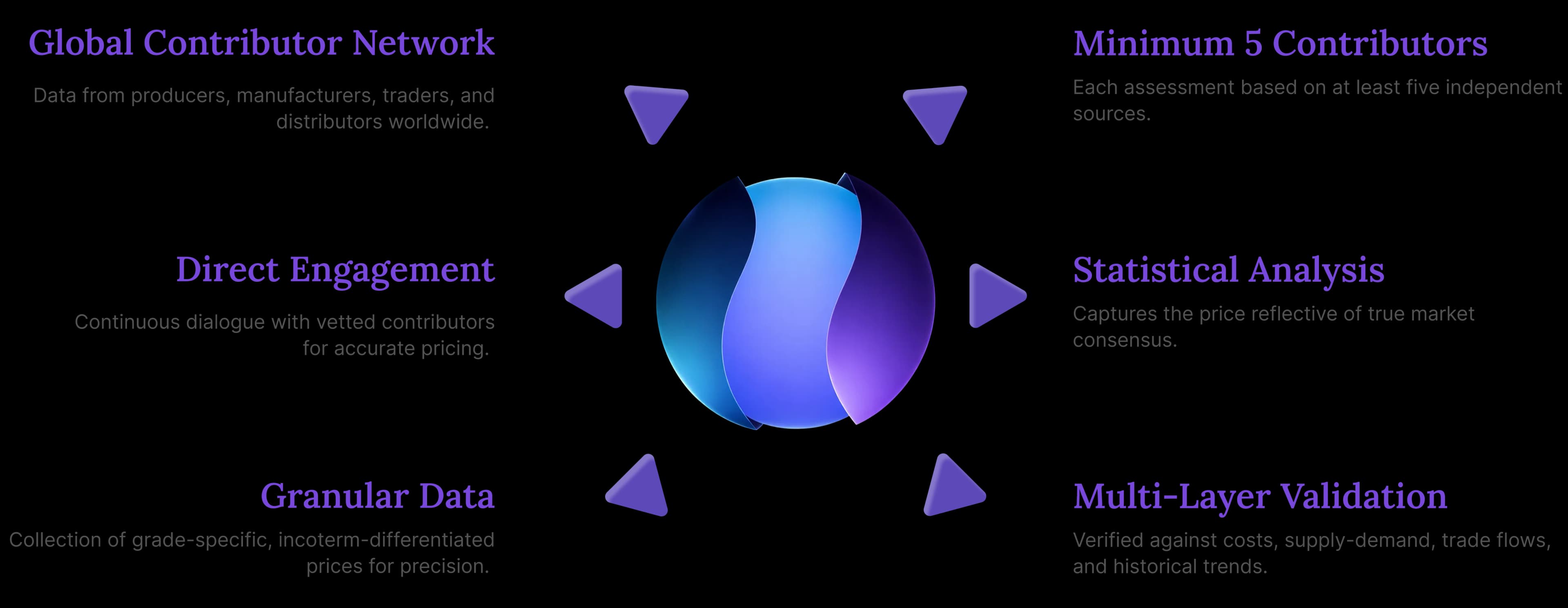
Our Price Analysis Methodology

Schedule A Demo
Experience how Procurement Resource transforms raw material price data into clear, decision ready intelligence. Optimise your performance with reliable, expert market data and analysis. Schedule your demo today to experience a live walk-through where our experts will showcase interactive price charts, forecasted prices, and insights driving the prices for your key commodities, tailored to your workflows. Contact us now!
Our Team will be happy to assist you
We are just a text away
Still Need Help ?
Other Related Reports
Butene Production from Crude oil via Catalytic Cracking
This report presents a detailed cost analysis of butylene production from crude oil by catalytic cracking.
LPG Production from Crude Oil
This report provides the cost structure of LPG production by the petroleum refining process. In this process, the crude oil recovered is separated into oil and wet gas via a gas trap.
Subscription Plans
Unlock full access to Procurement Resource's price databases, interactive charts, and short-term forecasts for thousands of commodities. Elevate your sourcing decisions by comparing prices across regions, downloading historical data, and layering in analyst-backed insights, all with our flexible plans that scale as your portfolio grows.
Still have any Questions
Contact Us



Price Trend Dashboard - What's Included
Price trends across a diverse portfolio of categories amd products, spanning board to niche chemicas
Coverage extendable to grade-specific chemicals based on procurement requirements
Regular price tracking supported by robust historical datasets
News, policy updates, and key market drivers impacting price movements
Short-term and long-term price outlooks and forecasts
Supply–demand dynamics and capacity-driven market analysis
- Unlimited Users
- Historical Monthly Price
- USA, Europe, APAC Covered
- Monthly Forecast
- 12 Months validity
- News & Events
- 50 Products (Refer Next Page For List)
Related News
View All


Why Procurement Database

Assistance from Experts
Throughout 2024, the Asian acetoin market experienced fluctuating trends with regional variations. Q1 began with moderate price increases driven by supply constraints from Chang Chun Plastics' maintenance shutdown in Taiwan. Post-S...

Client's Satisfaction
Throughout 2024, the Asian acetoin market experienced fluctuating trends with regional variations. Q1 began with moderate price increases driven by supply constraints from Chang Chun Plastics' maintenance shutdown in Taiwan. Post-S...

Assured Collaboration
Throughout 2024, the Asian acetoin market experienced fluctuating trends with regional variations. Q1 began with moderate price increases driven by supply constraints from Chang Chun Plastics' maintenance shutdown in Taiwan. Post-S...
Global Insights
Throughout 2024, the Asian acetoin market experienced fluctuating trends with regional variations. Q1 began with moderate price increases driven by supply constraints from Chang Chun Plastics' maintenance shutdown in Taiwan. Post-S...